Art in Mesopotamia: Meaning, Symbolism, and Ancient Visual Power
Mesopotamian art was a system of visual communication used to express religious authority, political power, and social order in ancient Iraq and the surrounding regions. From early Sumerian cities to the Assyrian and Neo-Babylonian empires, artworks were created not for personal creativity, but to reinforce divine legitimacy, royal control, and institutional stability.
Sculptures, reliefs, cylinder seals, and architectural decorations functioned as tools of governance and belief. Gods were represented to maintain cosmic balance, kings were portrayed as chosen rulers, and ritual objects connected everyday life to sacred space. Artists followed strict conventions shaped by temples, palaces, and administrative elites, where images carried legal, spiritual, and ideological meaning.
This article explores Mesopotamian art as a structured visual language rather than a decorative tradition. By examining its historical development, materials, techniques, and symbolic codes, it shows how art became one of the main instruments through which Mesopotamian civilization organized power, identity, and collective memory.
What Was Mesopotamian Art?
Mesopotamian art refers to the visual traditions developed in ancient Sumer, Akkad, Babylonia, and Assyria between roughly 3500 and 500 BCE. It included sculpture, relief carving, cylinder seals, architectural decoration, and ritual objects, all produced within religious, royal, and administrative institutions. Its primary purpose was not aesthetic pleasure, but the communication of authority, belief, and social hierarchy.
At its core, Mesopotamian art functioned as a public language. Images of gods affirmed divine order, representations of kings asserted political legitimacy, and standardized symbols regulated legal and economic life. Works of art were placed in temples, palaces, city gates, and archives, where they could be seen, interpreted, and respected by elites and ordinary citizens alike.
Unlike later artistic traditions that emphasized personal style, Mesopotamian art followed stable visual formulas. Figures were arranged according to rank, gestures followed fixed meanings, and proportions reflected social status rather than physical realism. These conventions ensured that images remained immediately recognizable and ideologically reliable across centuries.
In this system, art operated as an extension of governance. It supported religious rituals, documented political victories, authenticated transactions, and reinforced loyalty to ruling institutions. Through repetition and symbolic clarity, Mesopotamian art helped transform abstract power into visible, permanent form.
| Aspect | Description |
|---|---|
| Primary Function | Religious devotion, political authority, and administrative control |
| Main Materials | Clay, stone, gypsum, metal, wood |
| Key Periods | Sumerian, Akkadian, Babylonian, Assyrian, Neo-Babylonian |
| Major Forms | Reliefs, statues, cylinder seals, architectural decoration |
| Institutional Control | Temples, palaces, state workshops |
| Symbolic System | Hierarchical scale, divine iconography, narrative repetition |
| Audience | Priests, rulers, administrators, worshippers |
| Legacy | Influence on Near Eastern and later imperial art traditions |
Historical Development of Mesopotamian Art
Mesopotamian art developed in close relation to political change, urban growth, and religious institutions. Each major historical period introduced new visual priorities while preserving core symbolic conventions. Rather than evolving through radical breaks, Mesopotamian artistic traditions expanded through controlled adaptation.
Sumerian Foundations
Early Sumerian cities such as Uruk, Ur, and Lagash established the basic visual grammar of Mesopotamian art. Votive statues, temple reliefs, and cylinder seals emphasized prayer, devotion, and communal identity. Figures were stylized, frontal, and repetitive, reflecting the central role of temples in early urban life.
Akkadian Innovation
Under the Akkadian Empire, art became more closely tied to imperial ideology. Royal imagery grew more naturalistic and dynamic, as seen in victory monuments and portrait sculpture. Kings were depicted as heroic and semi-divine figures, linking military success with divine favor.
Neo-Sumerian Revival
The rulers of the Third Dynasty of Ur revived earlier Sumerian styles to legitimize their authority. Artistic production returned to formal symmetry and conservative proportions. This period emphasized administrative order, stability, and ritual continuity over innovation.
Old Babylonian Traditions
Babylonian art focused on legal and religious symbolism. Monumental stelae, boundary stones, and temple furnishings presented kings as guardians of justice and divine law. Narrative scenes became more structured and didactic.
Assyrian Imperial Style
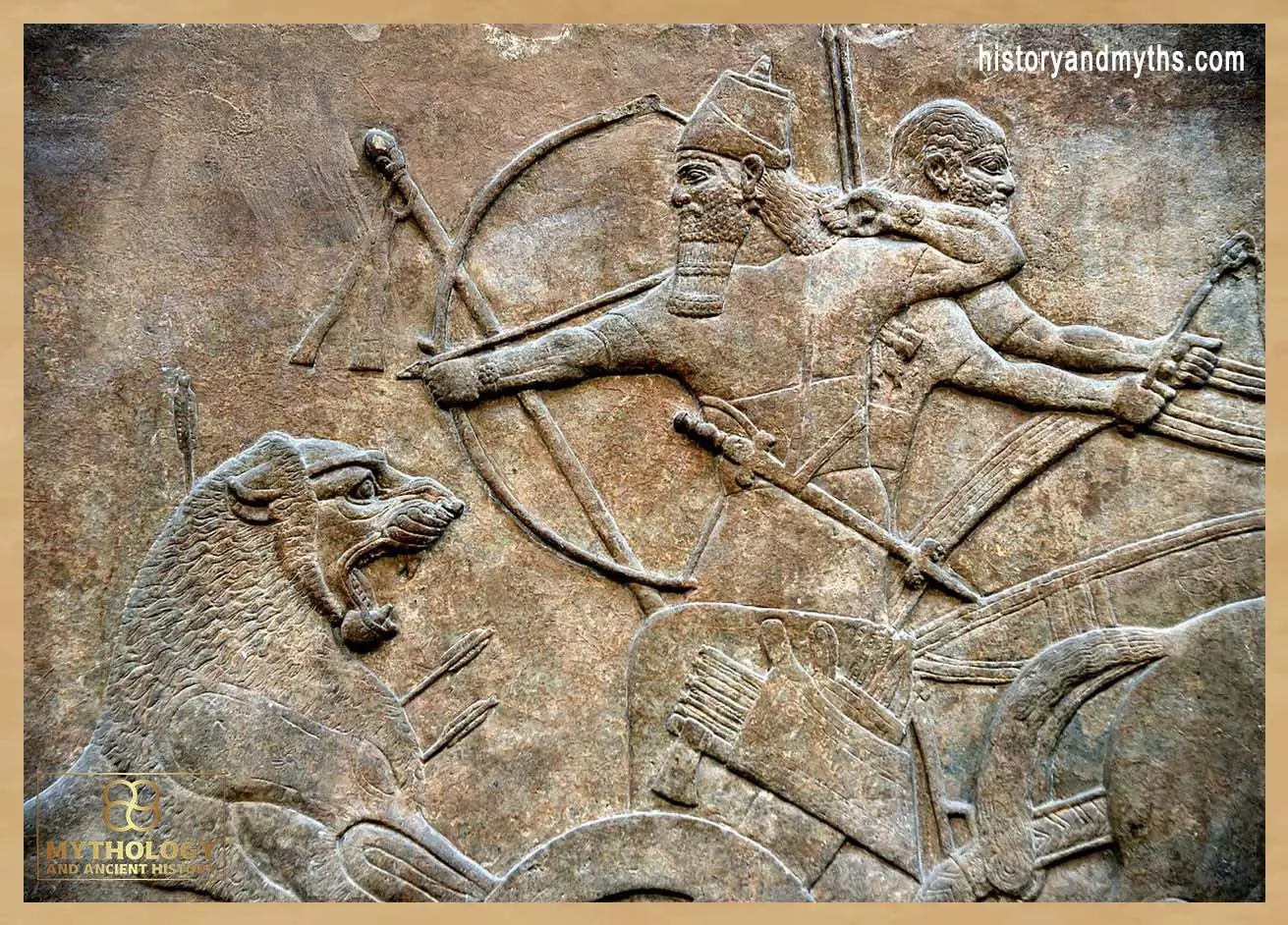
Assyrian art reached its most monumental form in palace reliefs and architectural programs. Vast narrative panels depicted warfare, hunting, and royal ceremonies in highly detailed sequences. Art served as visual propaganda, projecting domination and control across the empire.
Neo-Babylonian and Late Period
In the final phase, artistic production emphasized urban grandeur and religious restoration. Glazed brick reliefs, ceremonial gates, and temple complexes expressed continuity with earlier traditions while adapting to new political realities.
Materials, Tools, and Artistic Techniques
Mesopotamian artists worked in an environment shaped by limited natural resources and strong institutional demand. The scarcity of high-quality stone and timber forced craftsmen to rely heavily on clay, imported materials, and highly specialized techniques. Artistic production was therefore closely connected to trade networks, workshop organization, and state patronage.
Clay, Stone, Metal, and Wood
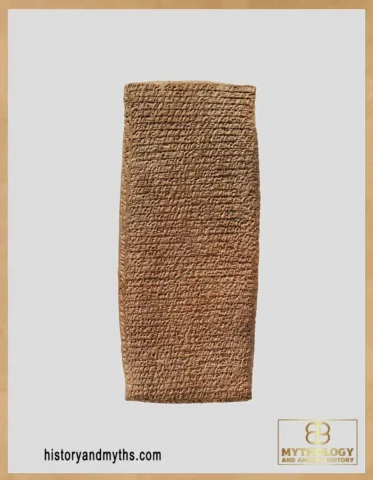
Clay was the most widely used material, available throughout southern Mesopotamia. It served for modeling small figurines, producing relief plaques, and creating architectural decoration. Stone, often imported from distant regions, was reserved for royal monuments, statues, and boundary markers. Metals such as copper, bronze, gold, and silver were used for ritual vessels, jewelry, and inlays, while wood—rare and expensive—appeared mainly in furniture and ceremonial objects.
Pigments and Surface Treatment
Many Mesopotamian artworks were originally painted, though most pigments have disappeared over time. Artists used mineral-based colors derived from ochre, copper compounds, and carbon. Surfaces were often polished, plastered, or coated with bitumen to enhance durability and visual contrast. Glazing techniques, especially in Neo-Babylonian architecture, produced vivid blue and yellow decorative programs.
Carving, Casting, and Modeling
Stone carving relied on copper and bronze tools, abrasive sand, and controlled hammering. Metal objects were produced through casting, hammering, and repoussé techniques. Clay figures and plaques were shaped by hand or with molds, allowing for mass production in religious and domestic contexts. These methods enabled both standardized output and selective luxury production.
Workshop Organization and Production Systems
Artistic labor was concentrated in temple and palace workshops supervised by scribes and administrators. Craftsmen operated within regulated systems that controlled materials, wages, and output. Training occurred through apprenticeship, often overlapping with scribal education. This institutional structure ensured stylistic consistency and ideological reliability across generations.
Major Artistic Forms in Mesopotamia
Mesopotamian art developed through a limited number of dominant visual forms, each designed to serve specific religious, political, and administrative functions. These forms were standardized, widely distributed, and closely supervised by institutional authorities, ensuring their ideological consistency across time and space.
Relief Sculpture
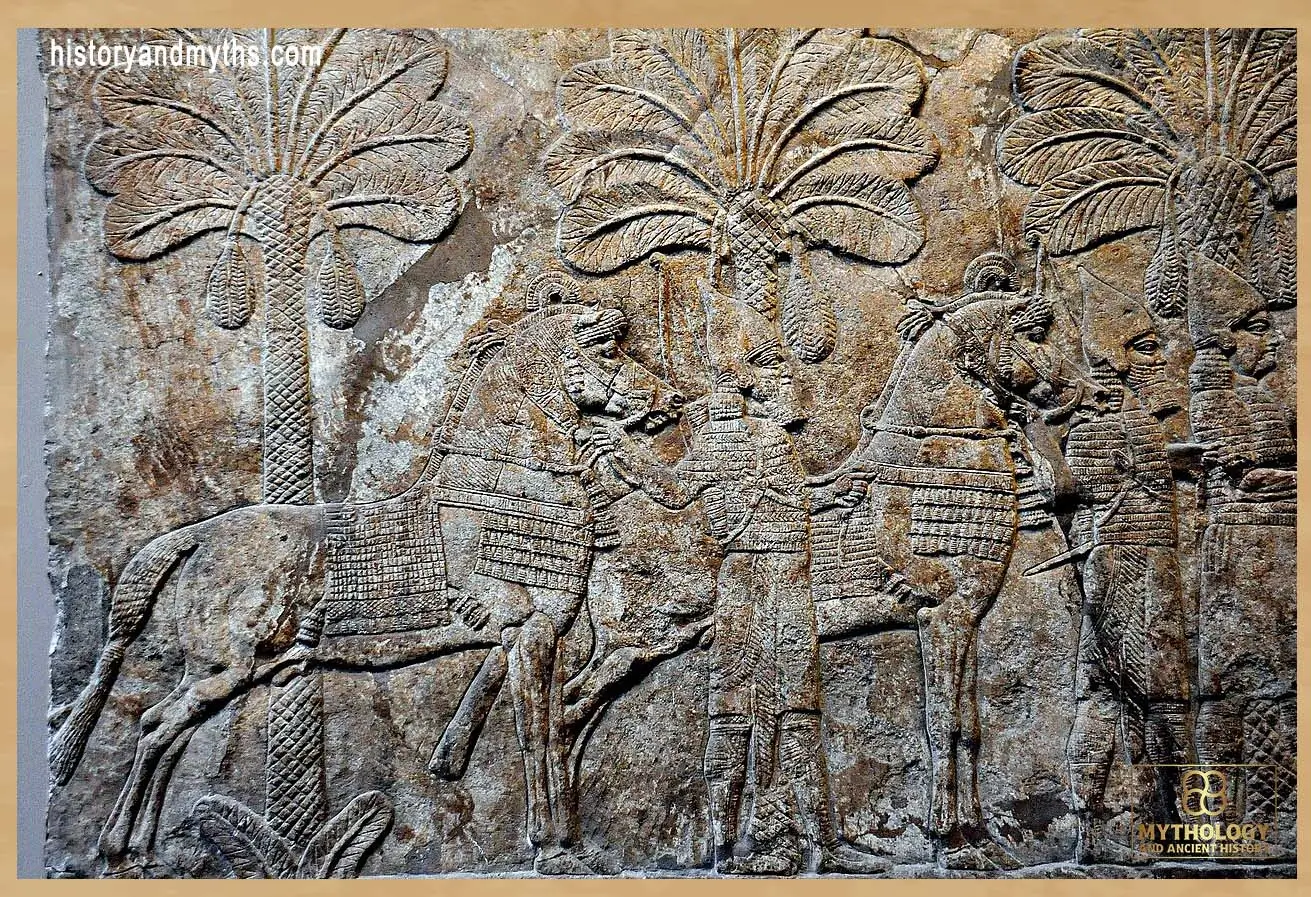
Relief carving was primarily used in palaces and temples to create large narrative surfaces. These reliefs depicted military campaigns, hunting scenes, religious ceremonies, and tribute processions. Their purpose was to present the ruler as a divinely sanctioned authority and to visually document imperial achievements.
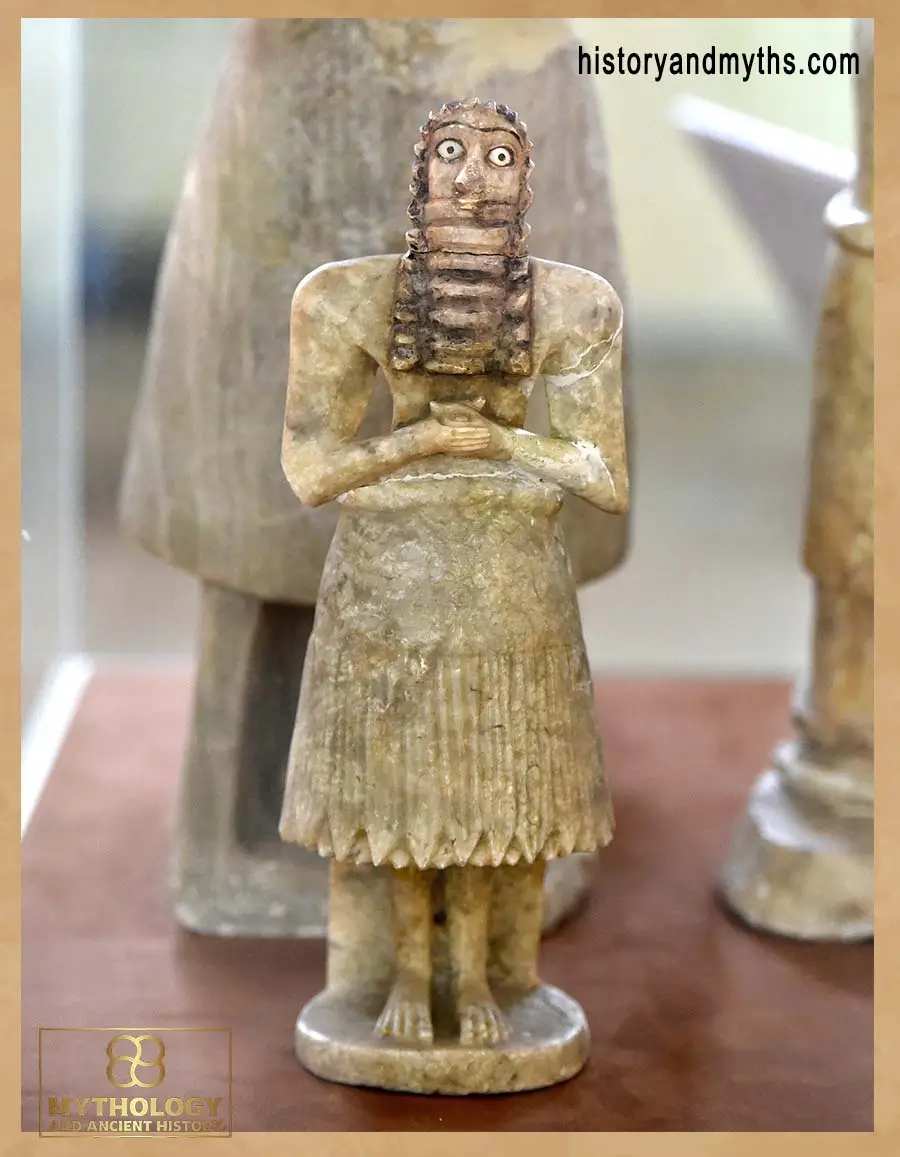
Statues and Votive Figures
Sculptural representation focused on kings, deities, and worshippers. Votive statues placed in temples functioned as permanent substitutes for human devotion. Royal statues emphasized stability, restraint, and divine favor rather than physical realism.
Cylinder Seals
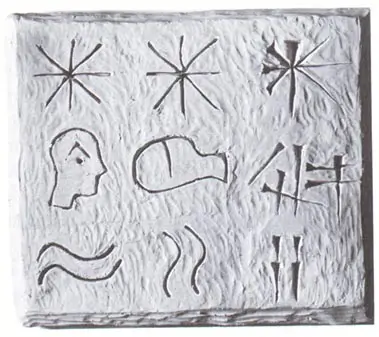
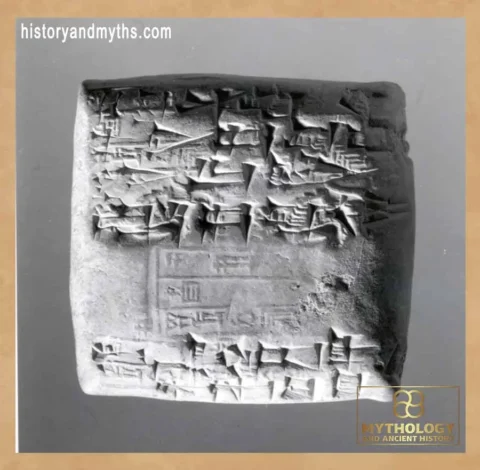
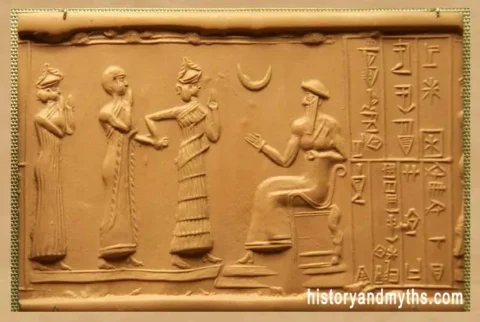
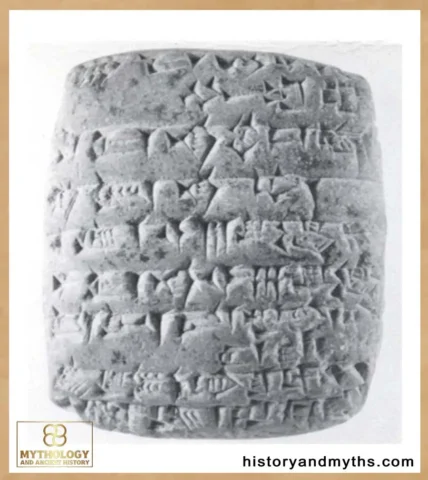
Cylinder seals were among the most distinctive artistic products of Mesopotamia. Rolled onto clay tablets, they created continuous images that authenticated documents and protected property. Their imagery combined mythological scenes, administrative symbols, and personal identity markers.
Wall Decoration and Painting
Although poorly preserved, wall painting and decorative plaster played an important role in elite architecture. These works enhanced ceremonial spaces and reinforced ideological themes through color, pattern, and symbolic motifs.
Architectural Ornamentation
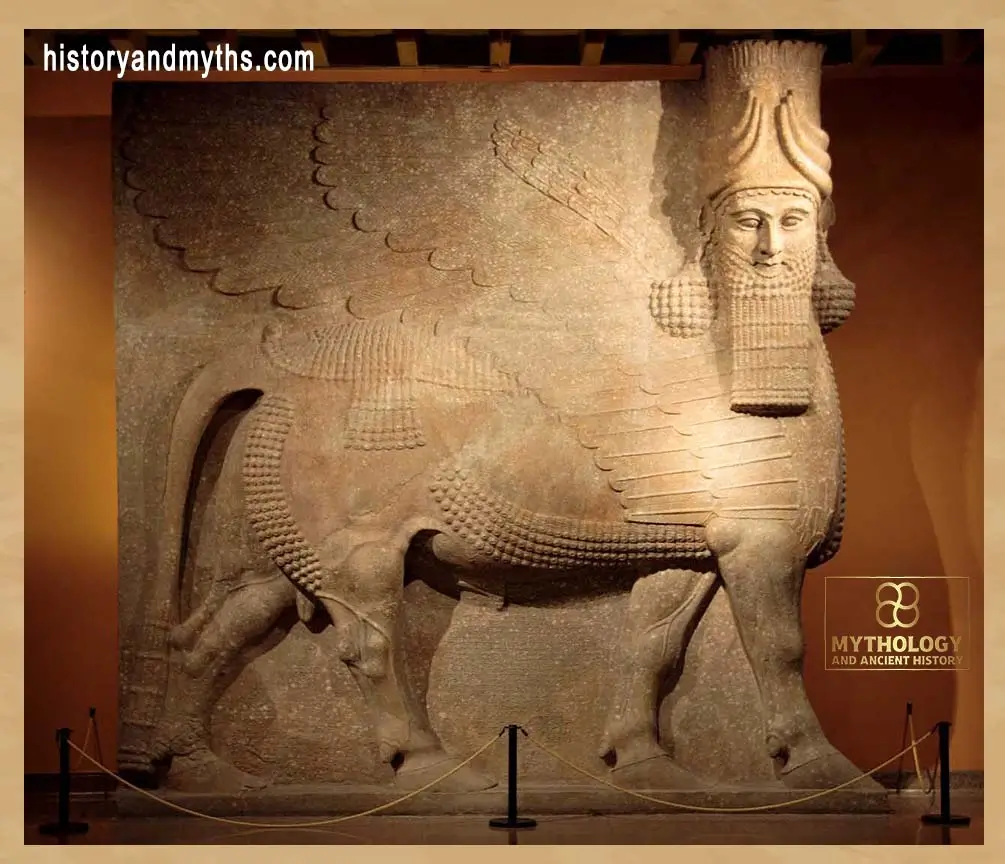
Buildings were enriched with sculpted gateways, glazed brick panels, and monumental guardians. Decorative elements transformed temples and palaces into visual statements of divine order and political authority.
Mesopotamian Art at a Glance
- Developed within temple and palace institutions
- Functioned as visual governance
- Linked religion, kingship, and administration
- Relied on standardized symbolic language
- Prioritized ideological clarity over realism
- Supported state legitimacy and ritual order
- Integrated writing, imagery, and architecture
- Preserved authority through repetition
© historyandmyths.com — Educational Use
Art, Religion, and the Divine Order
In Mesopotamian civilization, art functioned primarily as a medium for maintaining communication between humans and the divine realm. Visual production was embedded within ritual practice, temple administration, and theological doctrine. Images did not merely represent the gods; they helped sustain cosmic balance and divine favor.
Depicting the Gods
Deities were portrayed according to established symbolic conventions that emphasized their supernatural authority rather than physical realism. Horned crowns, enlarged eyes, and elevated postures signaled divine status. These visual markers allowed worshippers to recognize and approach sacred power within controlled institutional settings.
Ritual Objects and Sacred Spaces
Many artistic objects were created specifically for ritual use, including offering vessels, altars, amulets, and cult statues. These items were activated through ceremonies and inscriptions, transforming them from material objects into carriers of spiritual presence. Artistic production was therefore inseparable from religious performance.
Temples as Artistic Centers
Temples operated as major hubs of artistic activity. They commissioned statues, reliefs, furnishings, and ceremonial equipment while supervising workshops and material supply. Priestly elites controlled iconographic programs to ensure doctrinal consistency and ritual effectiveness.
Mythology in Visual Form
Mythological narratives were translated into visual compositions on seals, plaques, and architectural surfaces. Scenes of creation, divine conflict, and royal protection reinforced theological concepts and made complex cosmological ideas accessible to wider audiences. Through repetition, these images stabilized religious knowledge across generations.
Art and Political Power
Mesopotamian rulers relied heavily on visual culture to construct, display, and maintain political authority. Art was not a secondary expression of power, but one of its primary instruments. Through controlled imagery, kings transformed military success, divine favor, and administrative order into permanent public narratives.
Royal Iconography
Kings were represented according to carefully regulated visual formulas. They appeared larger than other figures, centrally positioned, and surrounded by symbols of divine approval. Posture, clothing, and gesture communicated authority, piety, and self-control. These images reinforced the idea that royal power was natural, sacred, and unquestionable.
War, Victory, and Propaganda
Military achievements were among the most frequently depicted subjects in Mesopotamian art. Palace reliefs presented battles, sieges, and prisoner processions in detailed sequences. Defeated enemies were shown as disordered and submissive, while Assyrian forces appeared disciplined and invincible. These compositions functioned as early forms of state propaganda.
Monumental Narratives
Large-scale artistic programs transformed palace walls, gateways, and courtyards into immersive political environments. Visitors were guided through visual stories that celebrated royal lineage, conquest, and divine protection. Architecture and imagery worked together to shape political perception.
Legitimacy Through Images
Art played a central role in succession politics and regime stability. New rulers reused, restored, or reinterpreted earlier visual traditions to claim continuity. By embedding themselves within established iconographic systems, kings presented their rule as the logical extension of sacred history.
Visual Language and Symbolism
Mesopotamian art operated through a stable system of visual signs that allowed images to communicate complex religious, political, and social meanings without written explanation. This symbolic language was learned, standardized, and carefully controlled by institutional authorities, ensuring that artworks remained intelligible across centuries.
Gestures and Body Language
Posture and gesture carried precise symbolic value. Raised hands signified prayer, seated positions indicated authority, and frontal gazes expressed spiritual alertness. Physical movement was minimized in sacred and royal contexts to convey permanence, stability, and control.
Hierarchical Scale
Figures were arranged according to social rank rather than physical proportion. Gods and kings appeared larger than priests, officials, and servants, regardless of spatial logic. This visual hierarchy reinforced social structure and made power relations immediately visible.
Animal and Hybrid Symbols
Animals and composite creatures functioned as carriers of supernatural meaning. Lions symbolized royal strength, bulls represented fertility and protection, and hybrid beings embodied cosmic guardianship. These figures mediated between human and divine realms.
Repetition and Formula
Motifs, poses, and compositional patterns were deliberately repeated across generations. This repetition was not artistic stagnation but ideological strategy. Familiar visual formulas created trust, authority, and continuity, stabilizing meaning in changing political environments.
Who Was Mesopotamian Art Made For?
Mesopotamian art was produced for specific institutional audiences rather than for general public enjoyment. Its primary consumers were religious, political, and administrative elites who controlled access to sacred and ceremonial spaces.
Priests and Temples
Temples commissioned large quantities of artistic objects for ritual use and divine service. Statues, reliefs, and offerings were designed to support worship and reinforce priestly authority. Ordinary citizens encountered these works mainly during formal ceremonies.
Royal Courts
Palaces functioned as major centers of artistic display. Court officials, foreign envoys, and provincial governors were exposed to carefully designed visual programs that promoted loyalty and obedience. Art shaped political perception within elite circles.
Administrative Elites
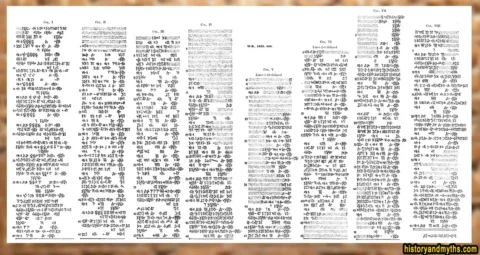
Scribes and bureaucrats relied on seals, decorated tablets, and official monuments to regulate economic and legal activity. Artistic imagery authenticated documents and reinforced institutional credibility.
Ordinary Worshippers
Common people interacted with art primarily through small votive objects, amulets, and temple donations. Their access was limited, but participation through symbolic offerings allowed them to engage with the visual system of power.
Artists, Status, and Training
Mesopotamian artists were skilled craftsmen working within institutional systems rather than independent creators. Their social position, education, and production methods were shaped by temples, palaces, and administrative authorities.
Social Position of Artists
Most artists belonged to the artisan class and were employed by religious or royal institutions. They received rations, wages, and housing through state-controlled systems. Individual fame was rare, and artistic identity remained secondary to institutional function.
Scribal and Artistic Overlap
Artistic and scribal training often overlapped, especially in seal carving and inscription work. Many craftsmen were literate and capable of integrating text with imagery. This connection strengthened administrative control over visual production.
Transmission of Skills
Skills were transmitted through long-term apprenticeship within workshops. Young trainees learned standardized techniques and symbolic codes under senior masters. Innovation was limited to preserve ideological consistency.
Patronage System
Artistic production depended on elite sponsorship. Temples and palaces controlled materials, commissions, and distribution. Patronage ensured that artistic output aligned with religious doctrine and political priorities.
Preservation, Archaeology, and Modern Interpretation
Most Mesopotamian artworks survive in fragmentary condition due to environmental damage, reuse of materials, and ancient destruction. Clay objects endured better than stone and wood, creating an unbalanced archaeological record that shapes modern understanding.
Excavation History
Modern knowledge of Mesopotamian art is largely based on excavations conducted in the nineteenth and twentieth centuries. Early digs prioritized monumental objects and royal contexts, often neglecting everyday artistic material.
Museum Collections
Major collections are concentrated in European and North American museums. This distribution reflects colonial-era excavation practices and affects how Mesopotamian art is presented and interpreted today.
Reconstruction Problems
Many works have been reconstructed from fragments. Missing colors, damaged surfaces, and incomplete contexts limit accurate interpretation. Modern restorations sometimes reflect contemporary assumptions rather than ancient realities.
Interpretive Bias
Western scholarship has often evaluated Mesopotamian art through Greek and Renaissance standards of realism and beauty. This approach obscures its original functional, symbolic, and institutional logic.
Legacy of Mesopotamian Art
Mesopotamian art established one of the earliest durable systems of visual communication in human history. Its emphasis on standardized symbols, institutional control, and ideological clarity influenced later cultures across the Near East and beyond.
Influence on Near Eastern Traditions
Visual conventions developed in Mesopotamia shaped artistic practices in Anatolia, Syria, Persia, and the Levant. Hierarchical scale, royal narrative reliefs, and divine iconography were adopted and adapted by successive empires.
Impact on Classical and Islamic Cultures
Although stylistically distinct, Greek and later Islamic artistic traditions inherited Mesopotamian concepts of monumentality, architectural symbolism, and state-sponsored visual programs. Administrative uses of seals and symbolic imagery also continued in modified forms.
Modern Cultural Memory
Today, Mesopotamian art functions as a primary source for reconstructing early urban civilization. Museum displays, digital archives, and archaeological research continue to reinterpret its meaning, confirming its role as a foundational chapter in global visual history.
Key Takeaways
- Mesopotamian art was primarily institutional, not personal.
- Images functioned as tools of religion and political authority.
- Visual conventions reinforced social hierarchy.
- Workshops operated under strict administrative control.
- Symbolism ensured long-term ideological stability.
- Art transformed power into permanent public memory.
Frequently Asked Questions
What was the main purpose of Mesopotamian art?
Its primary purpose was to support religious ritual, political authority, and administrative legitimacy.
Was Mesopotamian art focused on beauty?
No. It prioritized symbolic clarity and institutional meaning over aesthetic innovation.
Who controlled artistic production?
Temples, palaces, and state bureaucracies supervised most artistic work.
Why are many artworks repetitive?
Repetition ensured ideological stability and social recognition.
What materials were most common?
Clay, gypsum, stone, and imported metals were most frequently used.
Did artists sign their work?
Rarely. Individual authorship was secondary to institutional function.
How did art support kingship?
By visually presenting rulers as divinely sanctioned authorities.
Sources & Rights
- Frankfort, Henri. Art and Architecture of the Ancient Orient. Yale University Press.
- Winter, Irene J. On Art in the Ancient Near East. Brill.
- Curtis, John. Art and Empire in Assyria. British Museum Press.
- Collon, Dominique. First Impressions: Cylinder Seals in the Ancient Near East. British Museum.
- Reade, Julian. Assyrian Sculpture. British Museum.
- Oates, Joan. Babylon. Thames & Hudson.
- Kuhrt, Amélie. The Ancient Near East. Routledge.
- Postgate, J.N. Early Mesopotamia. Routledge.
- Russell, John Malcolm. The Writing on the Wall. Eisenbrauns.
- Albenda, Pauline. The Palace of Sargon. Institut Français.
- Gates, Charles. Ancient Cities. Routledge.
- George, Andrew. House Most High. Eisenbrauns.
- Van De Mieroop, Marc. A History of the Ancient Near East. Wiley-Blackwell.
- Bahrani, Zainab. Women of Babylon. Routledge.
- Foster, Benjamin. Before the Muses. CDL Press.
Written by H. Moses — All rights reserved © Mythology and History