Neighborhoods in Mesopotamian Cities: Daily Life and Community
Neighborhoods in Mesopotamian cities were organized social units that shaped daily life, economic activity, and local governance. They were not random residential areas but structured communities where families worked, traded, and maintained shared responsibilities.
In cities such as Babylon, Uruk, and Nippur, districts developed around narrow streets, shared courtyards, and workshops, creating dense networks of social and economic interaction.
Administrative records and archaeological evidence show that these neighborhoods operated under both official supervision and informal community cooperation. This article analyzes how urban districts functioned as systems of residence, production, control, and social identity in Mesopotamian cities.
Structure of Urban Neighborhoods
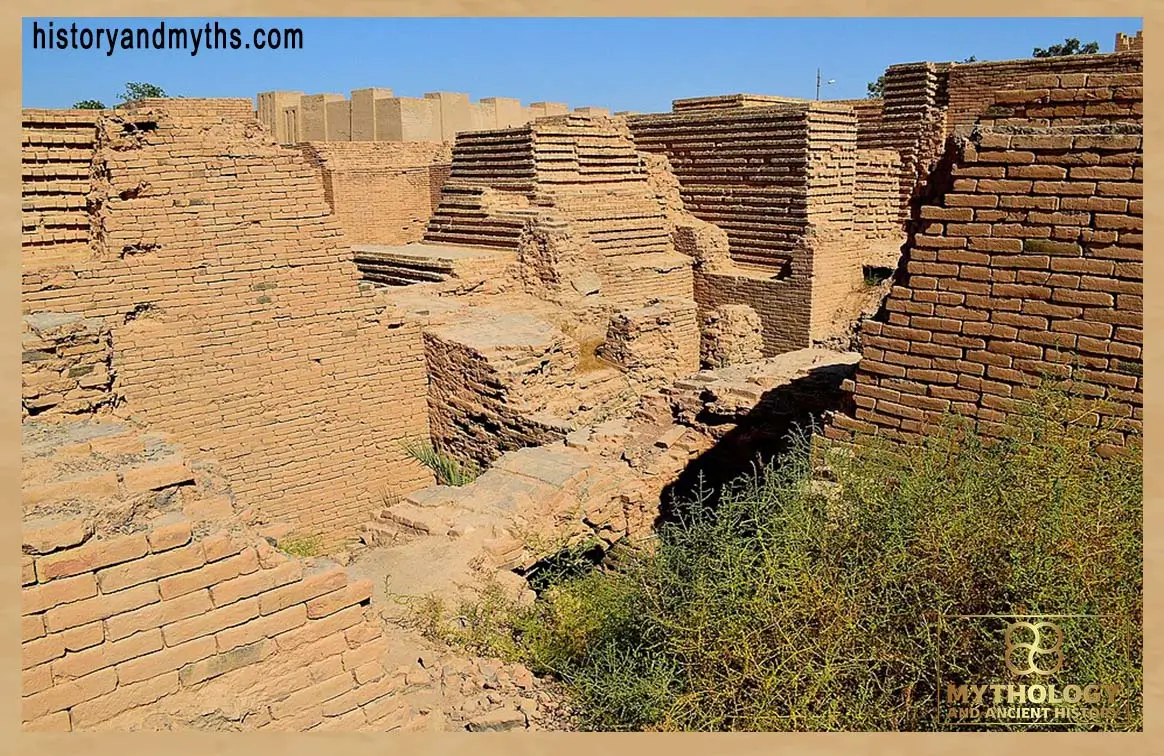
Mesopotamian neighborhoods were organized around narrow lanes, clustered houses, shared courtyards, and small workshops. This compact layout maximized space inside city walls and facilitated close social interaction among residents.
Most houses opened onto internal courtyards rather than main streets, creating semi-private residential zones. These spaces supported domestic activities, small-scale production, and family gatherings, while limiting outside intrusion.
Neighborhoods often developed around functional centers such as local shrines, wells, or craft areas. In cities like Sippar and Lagash, excavations show districts specialized in pottery, textiles, or metalwork, linking residence with occupation.
Street networks inside neighborhoods were irregular and maze-like. This reduced through-traffic and strengthened local control, making each district socially distinct and easier to monitor.
Overall, neighborhood structure reflected practical needs: security, efficient land use, and integration of living and working spaces. Urban districts were designed to support dense population, localized production, and stable community networks.
| Aspect | Description |
|---|---|
| Basic Unit | Family-based residential clusters |
| Layout | Narrow streets and shared courtyards |
| Social Structure | Kinship and neighborhood networks |
| Economic Role | Local production and small trade |
| State Control | Registration and supervision |
Social Organization and Families
Family households formed the basic social units within Mesopotamian neighborhoods. Extended families often lived in adjacent houses, creating clusters of related households that shared labor, property, and economic responsibilities.
Marriage contracts, inheritance records, and adoption documents show that family structure was legally regulated. These documents defined residence patterns, property transmission, and mutual obligations, reinforcing stability inside local communities.
Daily life depended on close cooperation among relatives and neighbors. Families shared tools, storage spaces, and water sources, while women, children, and elderly members participated in domestic and small-scale economic activities.
Professional identity was frequently linked to family networks. Craft skills, trading connections, and administrative roles were transmitted across generations, embedding economic specialization within neighborhood kinship systems.
In cities such as Ur and Nippur, residential archives reveal long-term occupation by the same families, indicating strong attachment to place and community continuity.
Overall, social organization centered on legally recognized households and kin-based cooperation. Neighborhood stability depended on these family networks rather than on centralized institutions alone.
Class and Residential Segregation
Mesopotamian neighborhoods reflected clear social and economic hierarchies. Wealthier families lived near temples, palaces, and main streets, where access to administration, trade, and security was strongest. These areas contained larger houses, storage rooms, and private courtyards.
Lower-income residents were concentrated in peripheral districts and narrow inner alleys. Their houses were smaller, densely packed, and often combined with workshops or rental spaces. These zones had weaker infrastructure and limited access to elite institutions.
Property records and sale contracts show strong price differences between central and marginal neighborhoods. Location inside prestigious districts increased land value and legal protection, reinforcing long-term inequality.
In cities such as Babylon and Ur, archaeological remains reveal clusters of elite residences separated from craft and labor districts. This spatial division reduced social mixing and preserved status boundaries.
Migration intensified segregation. Refugees and rural workers usually settled in cheaper outer areas, while established families maintained control over central zones through inheritance and patronage.
Overall, residential patterns reproduced social hierarchy. Neighborhood geography functioned as a mechanism for organizing wealth, status, and access to power within Mesopotamian cities.
Local Administration and Control
Neighborhoods in Mesopotamian cities operated under continuous administrative supervision. Local officials monitored residents, recorded property ownership, and enforced legal regulations within each district. This system linked household life directly to state authority.
Cuneiform tablets document the registration of inhabitants, land transfers, and rental agreements at the neighborhood level. These records allowed authorities to track population movement, tax obligations, and labor availability.
Gate officials, inspectors, and scribes regularly circulated through residential areas to verify compliance with building rules, sanitation standards, and security measures. Informal reporting by community members supplemented official surveillance.
Dispute resolution was partly decentralized. Minor conflicts between neighbors were often mediated locally, while serious cases were transferred to temple or palace courts. This reduced administrative overload and maintained daily order.
In cities such as Babylon and Uruk, neighborhood archives indicate that some districts had designated supervisors responsible for maintenance and security.
Overall, local administration combined formal documentation with community-based monitoring. This dual system enabled efficient governance without constant centralized intervention.
Mesopotamian Neighborhoods — Key Facts
- Neighborhoods were legally recognized units.
- Families formed the core social structure.
- Production and residence were integrated.
- Local cooperation supported daily life.
- Authorities monitored districts indirectly.
Economic Life Inside Neighborhoods
Economic activity in Mesopotamian neighborhoods was largely localized and family-based. Many households combined living space with workshops, storage rooms, and small retail areas, integrating production and trade into daily residential life.
Common neighborhood industries included textile weaving, pottery, metalworking, food processing, and leatherwork. These activities were often organized through kinship networks, with skills and tools passed down within families.
Small-scale trade operated inside residential districts. Residents sold surplus goods, offered services, and exchanged materials with neighbors, reducing dependence on central markets. This local economy supported basic needs and stabilized household income.
Administrative documents from cities such as Uruk and Sippar record loans, wages, and rental payments linked to neighborhood-based production. These texts show that informal economic activity was closely monitored and taxed.
Wealthier districts hosted higher-value enterprises, including long-distance trade offices and storage facilities connected to temples and palaces. Poorer areas focused on manual labor and low-profit crafts.
Overall, neighborhood economies functioned as decentralized production units. They sustained urban life by distributing work, income, and resources across residential districts.
Community Cooperation and Conflict
Neighborhood life in Mesopotamian cities depended on constant cooperation among residents. Neighbors shared water sources, ovens, storage spaces, and access routes, creating systems of mutual assistance that reduced daily risks.
Collective labor was common. Residents participated in repairing houses, cleaning streets, reinforcing drainage channels, and maintaining shared facilities. These activities strengthened social bonds and limited dependence on external authorities.
Mutual support extended to economic and legal matters. Families guaranteed loans, witnessed contracts, and assisted each other during illness or financial hardship. Informal trust networks supplemented formal institutions.
Conflicts nevertheless occurred frequently. Disputes over property boundaries, noise, waste disposal, and access rights appear regularly in legal tablets. Most minor disagreements were settled through local mediation before reaching official courts.
Community leaders, elders, and respected household heads often acted as intermediaries. Their role preserved social stability and prevented small tensions from escalating into serious legal cases.
In cities such as Nippur and Ur, neighborhood records document both cooperative agreements and formal complaints, demonstrating balanced systems of solidarity and regulation.
Overall, urban communities relied on cooperation reinforced by shared norms and controlled conflict resolution. This balance sustained long-term neighborhood stability.
Continue Reading
Archaeological and Textual Evidence
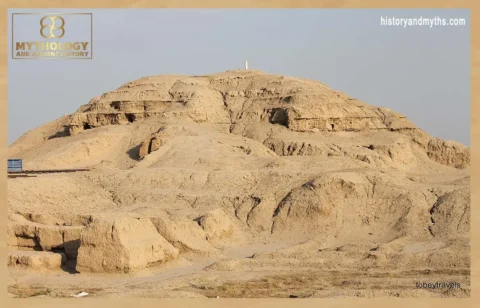
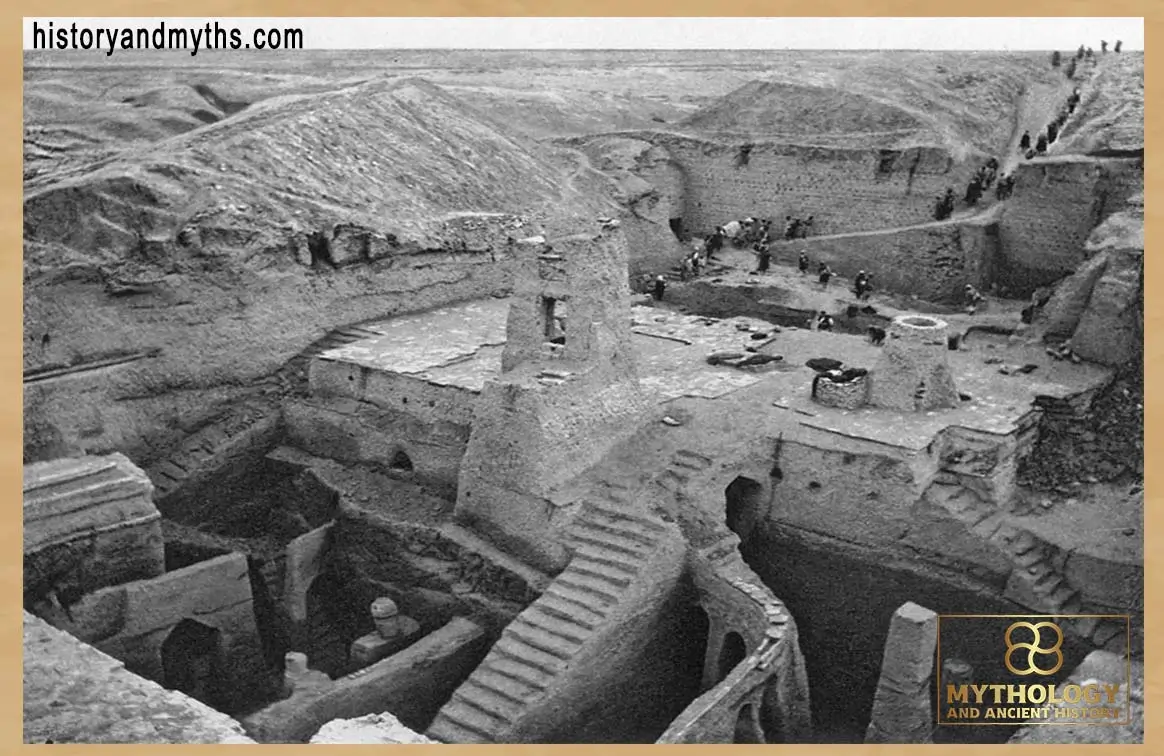
Knowledge of Mesopotamian neighborhoods comes from excavated residential quarters and cuneiform archives. Archaeological remains in cities such as Uruk, Nippur, and Babylon reveal dense housing blocks, shared courtyards, workshops, and narrow alleys that match written descriptions of urban districts.
Excavations show long-term occupation of many houses, with repeated rebuilding phases and stable property boundaries. These patterns indicate strong attachment to place and continuity of neighborhood communities across generations.
Cuneiform tablets provide detailed social documentation. Sale contracts, rental agreements, inheritance records, and dispute texts frequently mention neighboring houses, street names, and district boundaries. This confirms that neighborhoods were legally recognized units.
Administrative archives record taxation, labor obligations, and population registration at the district level. These texts demonstrate that authorities managed cities through neighborhood-based systems rather than direct household control.
Private letters and legal complaints reveal everyday tensions, cooperation, and family relations within districts. They provide direct insight into social life beyond official propaganda.
Together, archaeological layouts and written records form a consistent picture. They show that Mesopotamian neighborhoods were stable, regulated, and socially integrated units central to urban organization.
Key Takeaways
- Neighborhoods structured social and economic life.
- Family networks ensured long-term stability.
- Class divisions shaped residential patterns.
- Local economies reduced market dependence.
- Administration relied on district organization.
Frequently Asked Questions
How were Mesopotamian neighborhoods organized?
They were structured around family clusters and narrow streets.
Did neighborhoods have local leaders?
Yes, respected residents often mediated disputes.
Were neighborhoods economically independent?
Many districts supported small-scale production and trade.
How did authorities control neighborhoods?
Through registration, taxation, and inspections.
Did social class affect residence?
Yes, wealthier families occupied central districts.
Sources & Rights
- Van De Mieroop, Marc. A History of the Ancient Near East. Wiley-Blackwell, 2016.
- Pollock, Susan. Ancient Mesopotamia. Cambridge University Press, 1999.
- Leick, Gwendolyn. Mesopotamia. Penguin, 2002.
- Postgate, J. N. Early Mesopotamia. Routledge, 1992.
- Stone, Elizabeth C. Urban Life in Mesopotamia. Cambridge, 2013.
- Charpin, Dominique. Writing, Law, and Kingship. University of Chicago Press, 2010.
- Snell, Daniel C. Life in the Ancient Near East. Yale University Press, 1997.
- Kuhrt, Amélie. The Ancient Near East. Routledge, 1995.
- Liverani, Mario. The Ancient Near East. Routledge, 2014.
- Oates, Joan. Babylon. Thames & Hudson, 1986.
- Pedersén, Olof. Archives and Libraries in Assur. Uppsala, 1986.
- Foster, Benjamin. Before the Muses. CDL Press, 2005.
- Hallo, William. The World’s Oldest Literature. Brill, 2010.
Written by H. Moses — All rights reserved © Mythology and History