How Babylonian Priests Interpreted Omens and the Will of the Gods
In Babylonian religion, the gods were believed to communicate their intentions through signs rather than direct conversation. Unusual events, dreams, celestial phenomena, and ritual observations were often viewed as messages that revealed divine approval, warnings, or future developments. Because interpreting these signs required specialized knowledge, priests played a central role in helping individuals and rulers understand what the gods were believed to be communicating. By examining how Babylonian priests interpreted omens, dreams, and other divine messages, we gain insight into one of the most important ways the Babylonians sought guidance, reduced uncertainty, and understood the will of the gods.
Why the Gods Were Believed to Send Messages
Babylonians believed that the gods remained actively involved in the world they governed. Rather than leaving humanity without guidance, the gods were thought to reveal their intentions through signs that could be observed and interpreted. These messages were especially important during periods of uncertainty, when rulers and ordinary people sought insight into future events or divine approval for important decisions.
This belief was closely connected to the Babylonian view of the universe as an ordered system governed by divine powers. If the gods controlled the forces that shaped human life, then unusual events could carry meaning rather than being dismissed as random occurrences. A strange birth, an unexpected storm, or an unusual celestial event might all be understood as potential signs requiring interpretation.
As a result, Babylonians paid close attention to phenomena that they believed reflected divine intentions. Understanding these messages became an essential part of religious life and laid the foundation for the specialized role of priests who claimed the knowledge needed to interpret them correctly.
How Babylonian Priests Interpreted the Will of the Gods
| Method | Purpose |
|---|---|
| Omens | Interpret unusual events as possible divine messages. |
| Divination | Seek guidance through established ritual methods. |
| Dream Interpretation | Understand symbolic messages believed to come from the gods. |
| Celestial Observation | Interpret eclipses and astronomical phenomena. |
| Priestly Expertise | Apply traditional knowledge and omen collections. |
| Royal Consultation | Guide kings before major political or military decisions. |
Why Priests Were Needed to Interpret Divine Will
Babylonians believed that divine messages were often complex and symbolic rather than direct and easily understood. A sign that appeared meaningless to an ordinary observer could be interpreted by trained priests as a warning, a promise, or an indication of future events. This belief gave priests a specialized role within society as interpreters of communication from the gods.
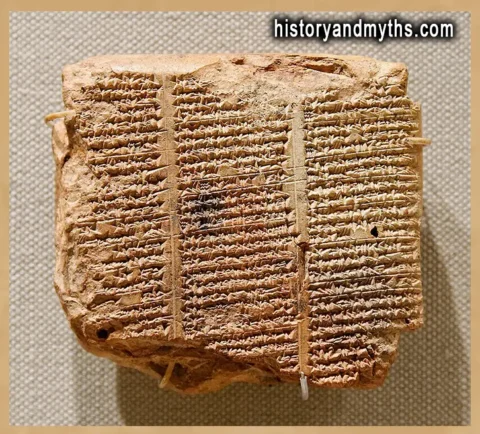
Their authority rested not only on religious status but also on knowledge. Priests studied collections of omens, ritual procedures, and traditional interpretations that had been preserved and transmitted over generations. By comparing new signs with established precedents, they sought to determine what message the gods might be conveying.
For rulers and ordinary people alike, priests provided a way to reduce uncertainty in a world believed to be shaped by divine powers. Their interpretations influenced religious decisions, public ceremonies, and sometimes even major political actions, making them among the most important religious figures in Babylonian society.
Reading Omens in Everyday Life
Babylonian priests believed that divine messages could appear in many aspects of daily life. Unusual births, unexpected animal behavior, severe weather events, and other uncommon occurrences were often examined for possible religious significance. Such events were not automatically viewed as supernatural, but they were considered worthy of attention because they might reveal information about the intentions of the gods.
The interpretation of omens relied on the assumption that meaningful patterns existed within the world. Priests compared observed events with established collections of earlier omens and their recorded outcomes. By identifying similarities between past and present signs, they attempted to determine whether a particular event pointed toward prosperity, danger, political change, or some other future development.
This approach transformed ordinary observations into a structured method of religious interpretation. Rather than waiting for direct revelations, Babylonian priests searched for meaning in the events unfolding around them, believing that the gods communicated through signs embedded within everyday life.
How Priests Used Divination
Divination was one of the principal methods Babylonian priests used to understand the will of the gods. The practice was based on the belief that divine powers revealed information about the future through signs that could be systematically observed and interpreted. Rather than relying on intuition alone, priests followed established methods that had been refined over centuries and recorded in extensive scholarly traditions.
Among the most respected forms of divination was the examination of sacrificial animals, particularly the liver, which was believed to contain signs reflecting divine intentions. Priests also used other techniques, including the observation of oil patterns and ritual procedures designed to seek guidance on specific questions. These practices were not viewed as magic in the modern sense but as disciplined methods for interpreting messages believed to originate from the gods.
Because important political and military decisions often depended on such interpretations, divination occupied a central place in Babylonian religious life. It provided rulers and communities with a framework for seeking guidance before taking actions whose consequences were uncertain.
Dreams as Messages from the Gods
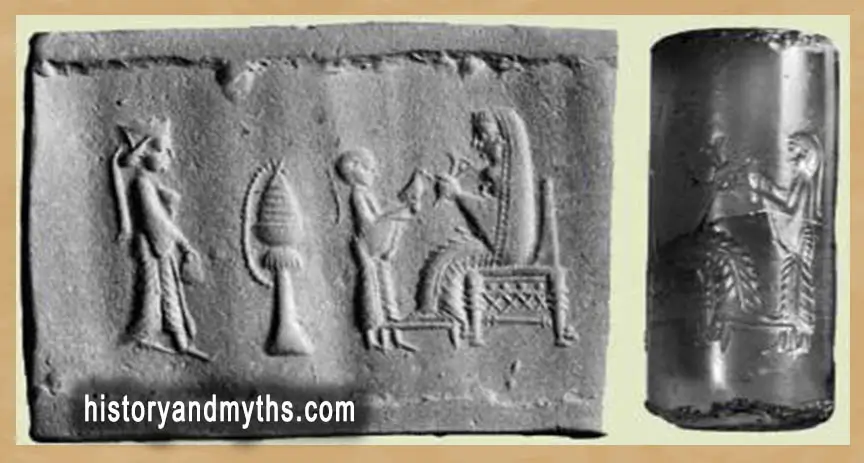
Dreams occupied an important place in Babylonian religious thought because they were often regarded as a means through which the gods could communicate with humans. Unlike omens observed in the external world, dreams provided messages that appeared during sleep and were sometimes believed to contain warnings, instructions, or insights about future events.
Not every dream was considered significant. Priests and specialists attempted to distinguish ordinary dreams from those thought to carry divine meaning. To assist in this process, Babylonian scholars compiled collections of dream interpretations that connected particular dream experiences with expected outcomes. These texts helped provide a framework for understanding what a dream might signify within a religious context.
Because dreams could influence personal decisions as well as matters of state, their interpretation became an important part of Babylonian religious practice. They offered another way for people to seek guidance from the gods and reinforced the belief that divine communication could occur through multiple channels.
Babylonian Priests and Divine Messages
Babylonian priests served as interpreters of the divine will. Through the study of omens, dreams, celestial phenomena, and divinatory rituals, they sought to understand messages believed to originate from the gods. Their interpretations influenced religious practices, political decisions, and the daily lives of people throughout Babylonian society.
Interpreting Eclipses and Celestial Signs
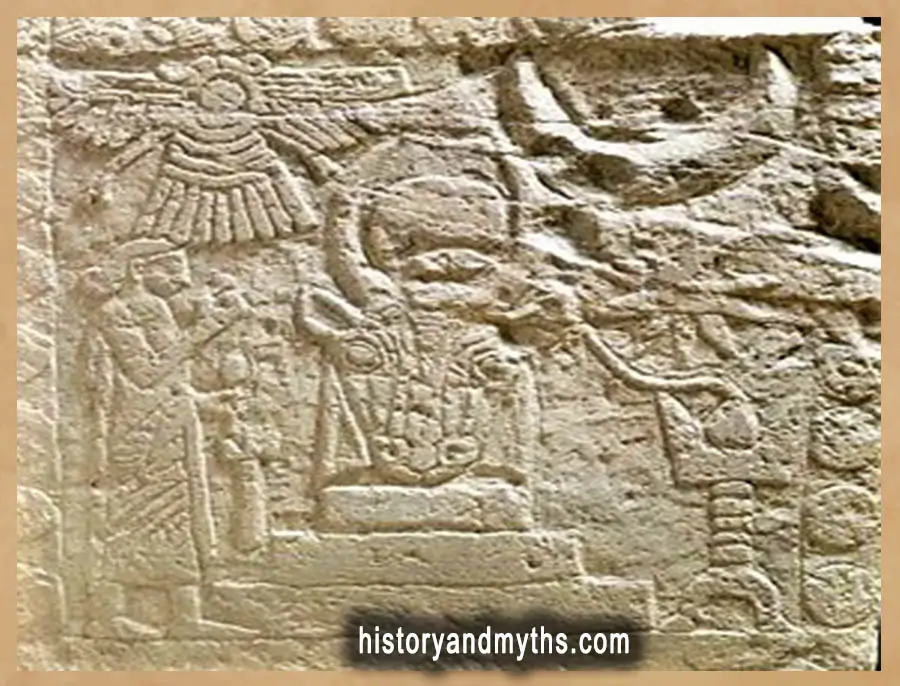
Babylonian priests paid particular attention to the sky because celestial events were believed to carry messages of exceptional importance. Eclipses, unusual planetary movements, and other rare astronomical phenomena were carefully observed and recorded, especially when they were thought to affect the king, the state, or the future stability of the kingdom.
Over time, Babylonian scholars compiled extensive collections linking specific celestial signs to possible outcomes. Rather than treating these events as random occurrences, priests interpreted them within a broader system that connected the heavens with events on earth. A significant astronomical event could therefore be viewed as a warning, a prediction, or an indication of divine approval or concern.
This close observation of the sky helped make Babylonian priests some of the most skilled astronomical observers of the ancient world. Their interest in celestial phenomena was driven not only by curiosity but also by the belief that the gods communicated important messages through the movements of the heavens.
How Kings Relied on Priests for Divine Guidance
Babylonian rulers rarely viewed major decisions as purely political matters. Before military campaigns, important construction projects, diplomatic actions, or other significant undertakings, kings often sought the advice of priests who specialized in interpreting divine signs. The goal was to determine whether the proposed action aligned with the will of the gods and whether it was likely to receive divine support.
Priests provided guidance by examining omens, interpreting celestial events, and conducting divinatory rituals intended to reveal potential outcomes. Their interpretations helped rulers assess risks and respond to situations that were believed to carry religious as well as political consequences. In this way, religious expertise became closely connected to governance.
This relationship strengthened the influence of priests within Babylonian society while reinforcing the belief that successful leadership depended on maintaining a proper understanding of divine intentions. Political authority and religious interpretation were therefore closely linked, each supporting the stability of the kingdom.
Could Priests Ever Misinterpret the Signs?
Although Babylonian priests were regarded as specialists in interpreting divine messages, the signs they studied were not always clear or straightforward. Omens, dreams, and celestial events often required careful analysis, and different signs could sometimes point toward conflicting possibilities. For this reason, priests relied on established traditions and large collections of earlier interpretations to reduce uncertainty and improve the accuracy of their conclusions.
Babylonian texts occasionally reflect an awareness that interpreting divine messages was a complex task rather than a guaranteed science. Priests sought to identify patterns and probabilities based on accumulated knowledge, but the final intentions of the gods could never be known with absolute certainty. This uncertainty helped explain why important decisions were often supported by multiple forms of divination rather than a single sign.
The possibility of error did not weaken confidence in the system itself. Instead, it reinforced the importance of trained specialists whose role was to analyze divine messages as carefully as possible before advice was given to rulers or communities.
Why Interpreting Divine Will Was Central to Babylonian Religion
Interpreting the will of the gods was one of the most important responsibilities within Babylonian religion. Because the gods were believed to influence both human life and the wider cosmos, understanding their intentions became essential for individuals, communities, and rulers alike. Priests fulfilled this role by examining omens, interpreting dreams, studying celestial signs, and applying traditions that had been preserved over generations.
These practices were more than religious rituals. They provided a framework through which Babylonians sought guidance, explained uncertainty, and made important decisions. Whether addressing personal concerns or matters of state, people turned to priestly interpretation in the belief that the gods communicated through signs that could be understood by those with the proper knowledge.
By studying how Babylonian priests interpreted divine messages, we gain insight into a society that viewed the world as filled with meaning. For the Babylonians, the challenge was not whether the gods communicated, but how to recognize and understand the messages they were believed to send.
Key Takeaways
- Babylonians believed the gods communicated through signs rather than direct speech.
- Priests were responsible for interpreting divine messages.
- Omens played a major role in understanding the will of the gods.
- Divination was a structured religious practice supported by centuries of tradition.
- Dreams were often treated as potential messages from the divine realm.
- Celestial events such as eclipses were considered highly significant.
- Kings frequently relied on priests before making important decisions.
- Interpreting divine messages was central to Babylonian religion and governance.
Frequently Asked Questions About Babylonian Priests and Divine Messages
How did Babylonian priests interpret the will of the gods?
They interpreted omens, dreams, celestial signs, and ritual divination to understand messages believed to come from the gods.
Why were priests needed in Babylonian religion?
Priests possessed specialized knowledge that allowed them to interpret complex divine signs and religious traditions.
What were omens in Babylonian religion?
Omens were unusual events or phenomena believed to reveal information about divine intentions or future outcomes.
Did Babylonians believe dreams came from the gods?
Many dreams were considered potential divine messages and were often interpreted by specialists.
Why were eclipses important to Babylonian priests?
Eclipses and other celestial events were believed to carry messages that could affect kings, states, and future events.
What was divination in Babylonian religion?
Divination was the practice of seeking knowledge of divine intentions through ritual observation and interpretation.
Did Babylonian kings consult priests?
Yes. Kings frequently sought priestly guidance before major political, military, or religious decisions.
Could priests make mistakes when interpreting signs?
Babylonian texts suggest that interpretation could be difficult, which is why priests relied on extensive traditions and recorded precedents.
Sources
- Black, Jeremy, and Anthony Green. Gods, Demons and Symbols of Ancient Mesopotamia. London: British Museum Press, 1992.
- Bottéro, Jean. Religion in Ancient Mesopotamia. Chicago: University of Chicago Press, 2001.
- Dalley, Stephanie. Myths from Mesopotamia: Creation, the Flood, Gilgamesh, and Others. Oxford: Oxford University Press, 2000.
- Foster, Benjamin R. Before the Muses: An Anthology of Akkadian Literature. 3rd ed. Bethesda, MD: CDL Press, 2005.
- George, Andrew R. The Babylonian Gilgamesh Epic. Oxford: Oxford University Press, 2003.
- Jacobsen, Thorkild. The Treasures of Darkness: A History of Mesopotamian Religion. New Haven: Yale University Press, 1976.
- Lambert, W. G. Babylonian Creation Myths. Winona Lake: Eisenbrauns, 2013.
- Leick, Gwendolyn. A Dictionary of Ancient Near Eastern Mythology. London: Routledge, 1991.
- Leick, Gwendolyn. Mesopotamia: The Invention of the City. London: Penguin Books, 2002.
- Livingstone, Alasdair. Mystical and Mythological Explanatory Works of Assyrian and Babylonian Scholars. Oxford: Clarendon Press, 1986.
- Oppenheim, A. Leo. Ancient Mesopotamia: Portrait of a Dead Civilization. Chicago: University of Chicago Press, 1977.
- Rochberg, Francesca. The Heavenly Writing: Divination, Horoscopy, and Astronomy in Mesopotamian Culture. Cambridge: Cambridge University Press, 2004.
- Rochberg, Francesca. In the Path of the Moon: Babylonian Celestial Divination and Its Legacy. Leiden: Brill, 2010.
- Roux, Georges. Ancient Iraq. London: Penguin Books, 1992.
- Snell, Daniel C. Religion in the Ancient Near East. Cambridge: Cambridge University Press, 2011.
- Van De Mieroop, Marc. A History of the Ancient Near East ca. 3000–323 BC. 4th ed. Oxford: Wiley-Blackwell, 2021.
- Beaulieu, Paul-Alain. A History of Babylon, 2200 BC–AD 75. Malden, MA: Wiley Blackwell, 2018.
- Kuhrt, Amélie. The Ancient Near East c. 3000–330 BC. London: Routledge, 1995.
- Koch-Westenholz, Ulla. Mesopotamian Astrology: An Introduction to Babylonian and Assyrian Celestial Divination. Copenhagen: Carsten Niebuhr Institute, 1995.
Written by H. Moses — All rights reserved © Mythology and History