How Babylonian Kings Ruled by Divine Authority in Babylonian Mythology
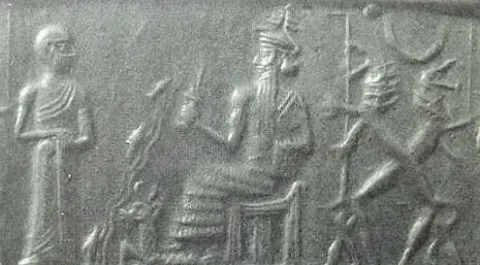
Babylonian kings did not rule simply because they inherited a throne or commanded powerful armies. In Babylonian mythology and religious belief, kingship was understood as a sacred responsibility granted by the gods to preserve justice, maintain cosmic order, and ensure the proper relationship between heaven and earth. A king’s authority depended not only on political success but also on divine approval.
This article explores how divine kingship worked in Babylonian mythology, explaining how rulers received legitimacy, why temples and religious rituals reinforced their authority, how festivals such as Akitu renewed the king’s mandate, and why military victories, justice, and faithful service to the gods determined whether a ruler deserved to remain on the throne.
How Divine Kingship Worked in Babylonian Society
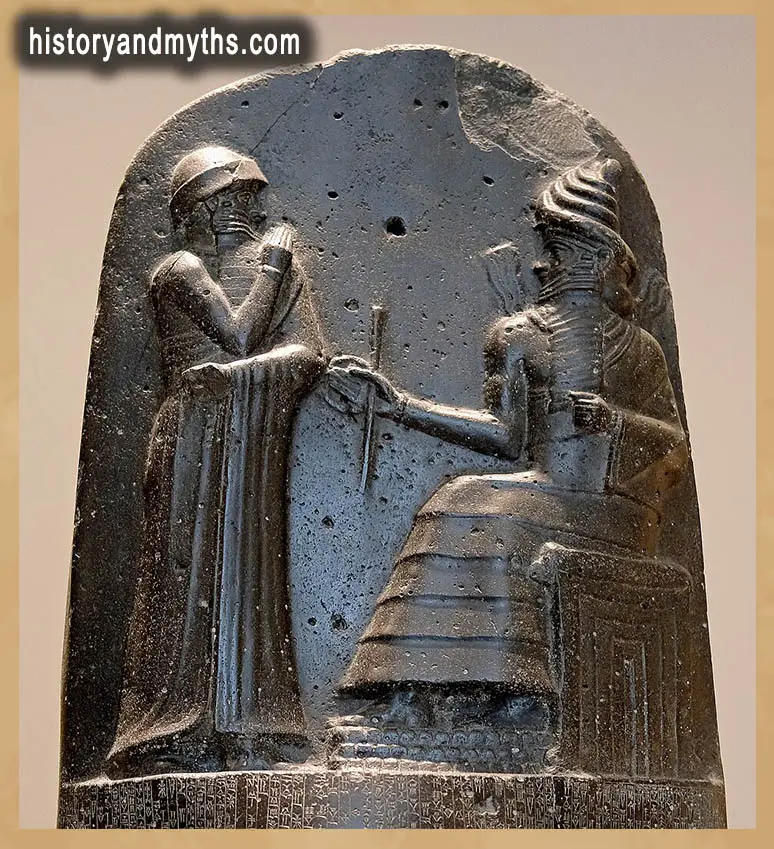
Babylonian divine kingship was based on the belief that political authority originated with the gods rather than with the ruler himself. The king was not considered a god in the same sense as many Egyptian pharaohs. Instead, he served as the chosen representative of the divine world, entrusted with maintaining order, enforcing justice, protecting temples, and carrying out the will of the gods on earth.
This relationship made kingship both a privilege and a responsibility. Royal authority depended on continued divine approval, which had to be demonstrated through successful leadership, religious devotion, and faithful observance of sacred duties. A king who neglected justice, failed to honor the gods, or brought disaster upon the kingdom risked being seen as having lost divine favor.
Babylonian mythology presented the universe as an ordered system established by the gods after the defeat of chaos. Human society reflected that same order. Just as the gods governed the cosmos, the king governed the kingdom according to the principles they had established. His role was therefore not to create laws according to personal ambition but to preserve the divine order that already existed.
This understanding shaped every aspect of Babylonian government. Religious ceremonies, temple construction, military campaigns, legal reforms, and public festivals all reinforced the idea that legitimate kingship functioned only when the ruler remained aligned with the will of the gods. Political power and religious responsibility were inseparable, making divine kingship one of the central foundations of Babylonian civilization.
Babylonian Divine Kingship at a Glance
| Aspect | Babylonian Belief |
|---|---|
| Source of Authority | Granted by the gods, especially Marduk and other major deities. |
| King’s Status | Chosen human ruler, not a god. |
| Primary Responsibilities | Maintain justice, support temples, protect the kingdom, and preserve divine order. |
| Religious Confirmation | Temple rituals and the annual Akitu Festival reaffirmed royal legitimacy. |
| Loss of Legitimacy | Failure in justice, religious duty, or governance could be viewed as loss of divine favor. |
How Did the Gods Choose a Babylonian King?
Babylonian tradition did not describe kingship as a personal achievement or a simple family inheritance. A ruler became legitimate only when his authority was understood to reflect the will of the gods. Royal inscriptions regularly present kings as individuals whom major deities, especially Marduk, Enlil, or Shamash, had selected to govern, restore order, and care for the temples.
This divine choice was expressed through religious language rather than a single ceremony of appointment. Kings declared that the gods had “called” them, entrusted them with the land, or placed the scepter in their hands. Such statements were not decorative titles. They explained why subjects should recognize the ruler’s authority and why obedience to the king also carried religious meaning.
Military success, stable government, and faithful temple patronage reinforced that claim. Victories were interpreted as evidence that the gods supported the king, while the restoration of sanctuaries and regular performance of sacred rituals demonstrated that he remained worthy of their trust. In Babylonian thought, legitimacy was continually confirmed through responsible rule, not merely inherited at the moment of succession.
The King’s Duties to the Gods and the Kingdom
Receiving divine authority was only the beginning of a Babylonian king’s responsibility. A legitimate ruler was expected to govern in ways that reflected the will of the gods through justice, religious devotion, and protection of the kingdom. Kingship was judged by action rather than title.
One of the king’s primary duties was maintaining the temples, where the gods were believed to dwell. Funding repairs, dedicating offerings, and supporting priestly rituals were essential acts because they preserved the relationship between the divine world and human society. Neglecting the temples was viewed as neglecting the gods themselves.
The king was also responsible for enforcing justice. Babylonian rulers presented themselves as protectors of the weak, defenders of lawful order, and guardians of social stability. Legal decisions were expected to uphold fairness because justice was understood as part of the divine order established by the gods.
Beyond religion and law, the king had to defend the land from external threats and internal disorder. Military leadership, public construction, and care for the prosperity of the kingdom were all considered sacred responsibilities. In Babylonian belief, successful government demonstrated that the ruler remained worthy of the trust the gods had placed in him.
Could a Babylonian King Lose Divine Favor?
Divine kingship was never viewed as an unconditional privilege. Although the gods granted authority to the king, Babylonian belief held that this relationship depended on responsible rule. A ruler who failed to uphold justice, neglected religious obligations, or brought suffering upon the land risked losing the support that had legitimized his reign.
Periods of military defeat, famine, political instability, or damaged temples could be interpreted as signs that the gods were no longer pleased with the king. Such events did not automatically remove a ruler from the throne, but they raised serious questions about whether he still governed with divine approval.
For this reason, Babylonian kings constantly emphasized their devotion to the gods in royal inscriptions. They celebrated temple restorations, religious offerings, legal reforms, and public works not only as political achievements but also as evidence that they continued to fulfill the sacred responsibilities entrusted to them. In Babylonian thought, legitimacy had to be maintained throughout a king’s reign, not simply inherited at its beginning.
Divine Kingship in Babylonian Mythology
Role: Sacred political system linking the king to the will of the gods.
Authority: Delegated by major deities rather than inherited as divine status.
Main Gods: Marduk, Enlil, Shamash.
Royal Duties: Justice, temple patronage, public order, military protection, and religious leadership.
Key Ceremony: The Akitu Festival, where royal legitimacy was symbolically renewed.
Core Principle: The king ruled on behalf of the gods and remained accountable to them throughout his reign.
How the Akitu Festival Renewed Royal Authority
The annual Akitu Festival was more than a celebration of the New Year. It reaffirmed the relationship between the king, the gods, and the kingdom. During the ceremonies, the ruler appeared before Marduk’s priesthood in rituals that emphasized his authority depended on divine approval rather than personal power.
One of the most symbolic moments involved the king surrendering the outward signs of his office before they were returned to him. This ritual reminded both the ruler and his subjects that kingship belonged to the gods, who allowed a human king to exercise it on their behalf.
By renewing the bond between the divine and earthly realms, the Akitu Festival reinforced political stability as well as religious belief. Each successful celebration confirmed that cosmic order remained intact and that the king continued to govern with the support of the gods.
Why Babylonian Kings Were Not Considered Gods
Although Babylonian kings ruled with divine authority, they were not generally worshipped as gods. Their power came from serving the gods rather than replacing them. This distinction shaped Babylonian political thought and separated it from traditions where rulers were regarded as divine beings.
The king acted as the highest human authority, responsible for carrying out the gods’ will through justice, religious duty, and effective government. Royal inscriptions consistently praised the gods as the true source of power, while the king presented himself as their faithful servant and chosen representative.
This relationship placed clear limits on royal authority. A Babylonian ruler could not claim independent divine status because his legitimacy depended on maintaining the trust of the gods. His authority existed only as long as he fulfilled the responsibilities entrusted to him.
Why Divine Kingship Endured for Centuries
Divine kingship survived for generations because it united Babylonian religion, government, and law within a single system. The same beliefs that explained the order of the universe also explained political authority, giving kingship a religious foundation that extended beyond military strength or dynastic succession.
This system also benefited every major institution. Temples relied on royal support, priests affirmed the king’s legitimacy through religious tradition, and the ruler upheld justice and public order in the name of the gods. Each part reinforced the others, creating stability that was difficult to separate into purely political or purely religious functions.
For the Babylonians, a legitimate king represented more than a successful ruler. He symbolized the continued harmony between heaven and earth. As long as that relationship remained intact, the kingdom itself was believed to remain secure, making divine kingship one of the defining foundations of Babylonian civilization.
Key Takeaways
- Babylonian kings were chosen representatives of the gods rather than divine beings.
- Royal legitimacy depended on justice, religious devotion, and successful leadership.
- The Akitu Festival reaffirmed the king’s relationship with the gods each year.
- Military victories, temple restoration, and lawful government reinforced divine approval.
- A king who failed in his sacred duties could be seen as having lost the favor of the gods.
- Divine kingship united religion, law, and government into a single political and religious system.
Frequently Asked Questions
Was the Babylonian king considered a god?
No. Babylonian kings ruled with divine authority but were generally regarded as chosen human representatives of the gods rather than gods themselves.
How did Babylonian kings receive legitimacy?
Their legitimacy came from divine approval, expressed through religious tradition, temple patronage, successful leadership, and royal inscriptions describing the gods’ support.
What was the role of the Akitu Festival?
The Akitu Festival renewed the king’s relationship with the gods and symbolically reaffirmed his right to rule each New Year.
Which gods granted royal authority in Babylon?
Marduk became the principal source of royal legitimacy in Babylon, while deities such as Enlil and Shamash also played important roles in earlier and later traditions.
Could a Babylonian king lose divine favor?
Yes. Military defeat, neglect of religious duties, injustice, or failure to protect the kingdom could be interpreted as signs that the gods no longer supported the ruler.
Why was justice central to Babylonian kingship?
Justice reflected the divine order established by the gods. A king demonstrated his legitimacy by protecting that order through fair government and law.
How did Babylonian divine kingship differ from Egyptian kingship?
Babylonian kings served as chosen representatives of the gods, while Egyptian pharaohs were commonly regarded as divine rulers within the religious order itself.
Sources & Rights
- Black, Jeremy, and Anthony Green. Gods, Demons and Symbols of Ancient Mesopotamia. British Museum Press.
- Bottéro, Jean. Religion in Ancient Mesopotamia. University of Chicago Press.
- Dalley, Stephanie. Myths from Mesopotamia. Oxford University Press.
- Foster, Benjamin R. Before the Muses: An Anthology of Akkadian Literature. CDL Press.
- Jacobsen, Thorkild. The Treasures of Darkness: A History of Mesopotamian Religion. Yale University Press.
- Kleber, Kristin. Temple and State in Babylonia. De Gruyter.
- Kramer, Samuel Noah. The Sumerians. University of Chicago Press.
- Kuhrt, Amélie. The Ancient Near East c.3000–330 BC. Routledge.
- Leick, Gwendolyn. A Dictionary of Ancient Near Eastern Mythology. Routledge.
- Oppenheim, A. Leo. Ancient Mesopotamia: Portrait of a Dead Civilization. University of Chicago Press.
- Postgate, J. N. Early Mesopotamia: Society and Economy at the Dawn of History. Routledge.
- Van De Mieroop, Marc. A History of the Ancient Near East. Wiley-Blackwell.
- The British Museum Collection Online.
- The Metropolitan Museum of Art, Heilbrunn Timeline of Art History.
- World History Encyclopedia.
Written by H. Moses — All rights reserved © Mythology and History