How Humans and Gods Shaped Babylonian Religion
In Babylonian religion, the relationship between humans and gods was one of the most important foundations of daily life. The gods were believed to control the forces that shaped the world, from fertility and health to political stability and natural events, while humans were expected to honor them through worship, offerings, and religious duties. This relationship was not based solely on fear or devotion. It was understood as a continuing exchange in which people sought divine protection and favor, while the gods expected respect and proper ritual observance. Exploring this connection reveals how the Babylonians understood their place in the universe and why maintaining good relations with the gods was considered essential for both individual well-being and the stability of society.
Why Humans Needed the Gods
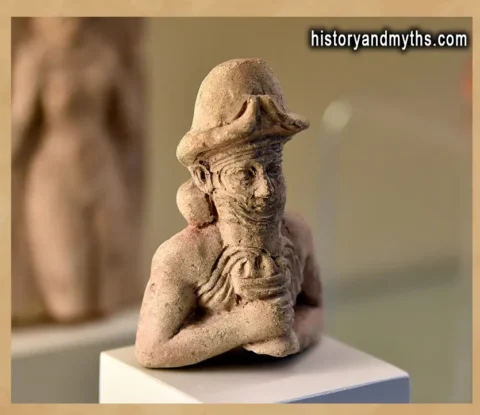
For the Babylonians, the gods were not distant beings removed from everyday life. They were believed to influence the forces that determined survival and prosperity, including harvests, health, weather, fertility, and political stability. Because so many aspects of life were thought to depend on divine favor, maintaining a good relationship with the gods became a practical necessity as well as a religious duty.
This belief shaped how people understood both success and misfortune. A plentiful harvest, military victory, or period of peace could be interpreted as signs of divine support, while disease, famine, or defeat might suggest that the relationship between humans and the gods had been disrupted. As a result, religion was woven into daily life rather than confined to special occasions or sacred spaces.
The dependence on divine powers helped create a worldview in which humans were never entirely separate from the gods. Their well-being was closely tied to forces they believed were governed by the divine realm, making the relationship between gods and humans one of the central concerns of Babylonian religion.
Humans and Gods in Babylonian Religion Overview
| Aspect | Role in Babylonian Religion |
|---|---|
| Human Need | People sought protection, prosperity, health, and stability from the gods. |
| Divine Expectations | The gods expected worship, offerings, and respect for divine authority. |
| Relationship Type | A reciprocal relationship based on obligations and divine favor. |
| Fear of the Gods | Divine anger was believed to cause hardship, illness, or misfortune. |
| Role of Temples | Temples served as the main connection between humans and the divine world. |
| Religious Goal | Maintain divine favor and preserve harmony between gods and humanity. |
What the Gods Expected from Humans
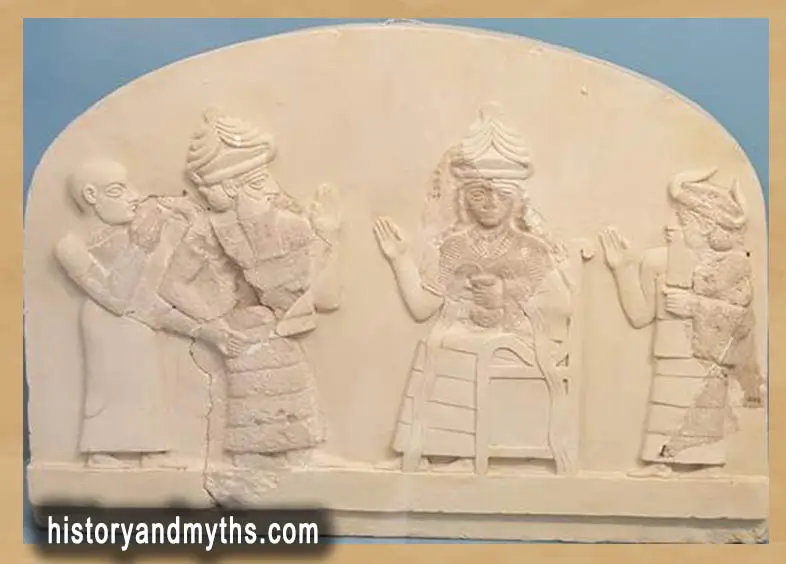
Babylonian religion taught that humans had specific responsibilities toward the gods. These responsibilities centered on honoring the divine powers through worship, offerings, prayers, and participation in religious rituals. Such practices were not viewed as optional acts of devotion but as essential duties that helped maintain the proper relationship between the human and divine worlds.
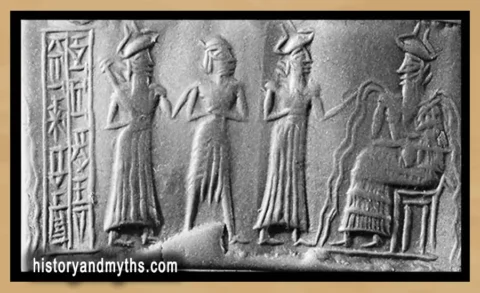
The gods were believed to sustain order, protect cities, and provide the conditions necessary for life. In return, humans were expected to show respect and acknowledge the gods’ authority. Temples, festivals, and daily acts of worship served as visible expressions of this obligation and reinforced the belief that society functioned best when the divine order was properly respected.
Rather than focusing solely on obedience, Babylonian religion emphasized the importance of fulfilling reciprocal responsibilities. People honored the gods because they believed that maintaining this relationship was necessary for both personal well-being and the stability of the wider community.
A Relationship Based on Exchange
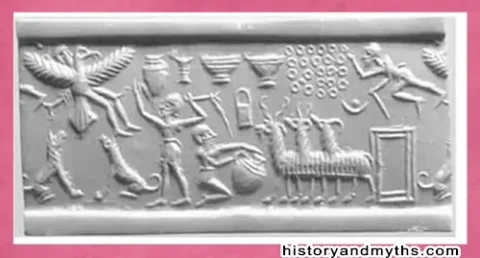
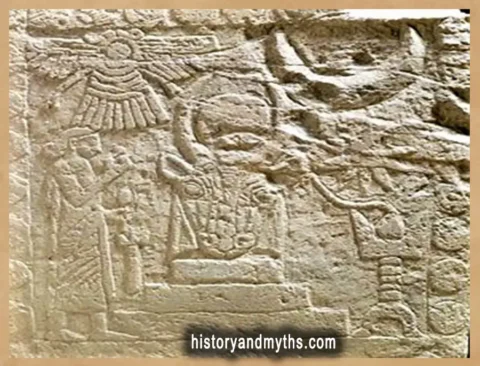
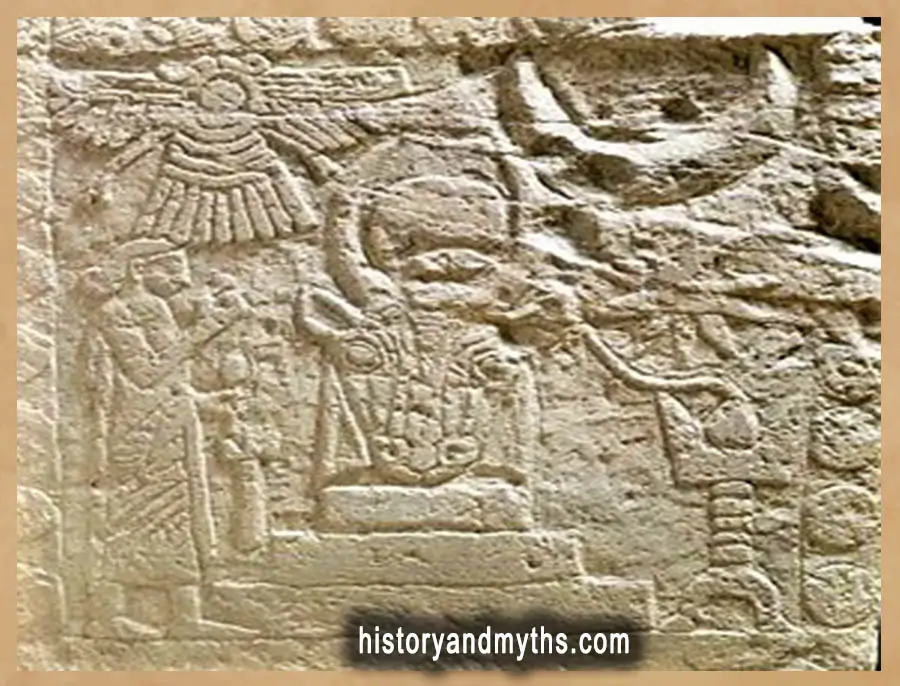
The relationship between humans and gods in Babylonian religion was often understood as a system of mutual obligations. People offered prayers, sacrifices, and ritual service, while the gods were expected to provide protection, prosperity, and stability. This exchange did not imply equality between the two sides, but it helped define how many Babylonians understood their place within the divine order.
Religious practices were therefore more than symbolic acts. They were seen as meaningful ways of maintaining a beneficial relationship with the gods. Individuals sought divine favor for their families, cities relied on the protection of their patron deities, and rulers performed public rituals to secure the well-being of their kingdoms.
This concept of reciprocity helps explain why worship occupied such an important place in Babylonian life. Religious devotion was not simply an expression of belief. It was also a practical means of seeking support from the divine powers believed to influence every aspect of human existence.
Why People Feared Divine Anger
Babylonian religion taught that the gods could reward human devotion, but they could also punish actions that disrupted the proper relationship between the human and divine worlds. Misfortune was often interpreted as a sign that a god had become displeased or that some religious obligation had been neglected.
Because the causes of divine anger were not always clear, people frequently sought guidance through prayers, rituals, and divination. The goal was not only to ask for help but also to identify and correct whatever had disturbed the relationship with the gods. Religious texts often reflect a concern with restoring divine favor after periods of illness, hardship, or uncertainty.
This fear was not simply a matter of superstition. It reinforced the belief that human actions carried religious consequences and that maintaining respect for the gods was essential for personal well-being and social stability.
Humans and Gods in Babylonian Religion
Babylonian religion was built upon an ongoing relationship between humans and the gods. People relied on divine powers for protection and prosperity, while the gods were honored through worship, offerings, rituals, and temple service. This relationship shaped daily life, political authority, and religious practice throughout Babylonian society.
How Temples Connected Humans and Gods
Temples played a central role in Babylonian religious life because they served as the primary link between the human and divine worlds. They were viewed as the earthly residences of the gods, where rituals, offerings, and ceremonies could be performed in their presence. Through these activities, people sought to maintain communication with the divine powers that governed their lives.
The temple also acted as a focal point for the community’s relationship with its patron deity. Festivals, prayers, and public ceremonies reinforced the bond between the gods and the people who depended on their protection. In this way, religious life was not limited to private devotion but became a shared responsibility involving the wider community.
Because temples functioned as places of interaction rather than simple monuments, they occupied a central position within Babylonian religion. They provided a structured setting through which humans could honor the gods, seek divine favor, and reaffirm the relationship that connected both worlds.
Continue Reading
Could Humans Influence the Gods?
Babylonians believed that communication with the gods was possible through prayer, ritual, offerings, and acts of devotion. While the gods remained vastly more powerful than humans, religious practices were thought to provide a means of seeking divine attention, favor, or mercy during times of need.
This belief is reflected in many prayers and hymns that ask the gods to remove suffering, forgive mistakes, grant protection, or restore prosperity. Rather than attempting to control the gods, worshippers hoped to persuade them through proper reverence and ritual observance. The goal was to strengthen the relationship and encourage a favorable response from the divine realm.
As a result, Babylonian religion was not based on passive acceptance of fate alone. People actively sought divine assistance and believed that sincere religious actions could improve their relationship with the gods and help secure a more favorable outcome in life.
Did Everyone Relate to the Gods in the Same Way?
Although all Babylonians participated in religious life, their relationship with the gods was not always expressed in the same way. Kings performed major public rituals and were often portrayed as chosen or supported by the gods, while priests acted as intermediaries responsible for maintaining temple worship. Ordinary people engaged with the divine through prayers, offerings, festivals, and personal acts of devotion.
Despite these differences, the underlying principle remained the same. Every level of society was expected to respect the gods and maintain the relationship upon which divine favor and social stability depended. Babylonian religion therefore connected rulers, priests, and ordinary worshippers through a shared belief in the importance of honoring the divine world.
Why the Relationship Between Humans and Gods Shaped Babylonian Religion
The relationship between humans and gods stood at the center of Babylonian religion. People depended on the gods for protection, prosperity, and stability, while the gods were honored through worship, offerings, and ritual observance. This connection influenced how Babylonians understood success, misfortune, political authority, and their place within the wider universe.
Rather than viewing religion as a separate part of life, the Babylonians integrated it into the daily functioning of society. Temples, festivals, prayers, and public ceremonies all reflected the belief that maintaining a proper relationship with the gods was essential for both individual well-being and collective stability.
By exploring this relationship, we gain a clearer understanding of Babylonian religion itself. At its core was the belief that humans and gods existed within a shared system of obligations, responsibilities, and expectations that helped sustain the order of the world.
Key Takeaways
- Babylonians believed that human well-being depended on divine favor.
- The gods expected worship, offerings, and respect from humanity.
- The relationship between humans and gods was based on mutual obligations.
- Divine anger was feared because it could bring suffering and instability.
- Temples functioned as the primary connection between the human and divine worlds.
- Prayer and ritual were believed to help secure divine assistance.
- Kings, priests, and ordinary people interacted with the gods in different ways.
- The relationship between humans and gods formed the foundation of Babylonian religious life.
Frequently Asked Questions About Humans and Gods in Babylonian Religion
Why did Babylonians worship the gods?
Babylonians worshipped the gods to seek protection, prosperity, health, and divine favor.
What did the gods expect from humans?
The gods expected worship, offerings, prayers, and respect for divine authority.
How did Babylonians communicate with the gods?
They communicated through prayer, rituals, sacrifices, festivals, and temple worship.
Why were people afraid of divine anger?
Divine displeasure was believed to cause illness, disaster, hardship, or social instability.
What role did temples play in Babylonian religion?
Temples served as the main centers where humans interacted with and honored the gods.
Did Babylonians believe they could influence the gods?
Yes. Through prayer, offerings, and proper rituals, people hoped to gain divine favor and assistance.
Did kings and ordinary people relate to the gods in the same way?
No. Kings and priests had special religious responsibilities, while ordinary people participated through personal devotion and community rituals.
Why was the relationship between humans and gods important?
It was considered essential for maintaining prosperity, stability, and harmony within both society and the cosmos.
Sources
- Black, Jeremy, and Anthony Green. Gods, Demons and Symbols of Ancient Mesopotamia. London: British Museum Press, 1992.
- Bottéro, Jean. Religion in Ancient Mesopotamia. Chicago: University of Chicago Press, 2001.
- Dalley, Stephanie. Myths from Mesopotamia: Creation, the Flood, Gilgamesh, and Others. Oxford: Oxford University Press, 2000.
- Foster, Benjamin R. Before the Muses: An Anthology of Akkadian Literature. 3rd ed. Bethesda, MD: CDL Press, 2005.
- George, Andrew R. The Babylonian Gilgamesh Epic. Oxford: Oxford University Press, 2003.
- Jacobsen, Thorkild. The Treasures of Darkness: A History of Mesopotamian Religion. New Haven: Yale University Press, 1976.
- Kramer, Samuel Noah. History Begins at Sumer. Philadelphia: University of Pennsylvania Press, 1981.
- Lambert, W. G. Babylonian Creation Myths. Winona Lake: Eisenbrauns, 2013.
- Leick, Gwendolyn. A Dictionary of Ancient Near Eastern Mythology. London: Routledge, 1991.
- Leick, Gwendolyn. Mesopotamia: The Invention of the City. London: Penguin Books, 2002.
- Livingstone, Alasdair. Mystical and Mythological Explanatory Works of Assyrian and Babylonian Scholars. Oxford: Clarendon Press, 1986.
- Oppenheim, A. Leo. Ancient Mesopotamia: Portrait of a Dead Civilization. Chicago: University of Chicago Press, 1977.
- Pongratz-Leisten, Beate. Religion and Ideology in Assyria. Berlin: De Gruyter, 2015.
- Roux, Georges. Ancient Iraq. London: Penguin Books, 1992.
- Snell, Daniel C. Religion in the Ancient Near East. Cambridge: Cambridge University Press, 2011.
- Van De Mieroop, Marc. A History of the Ancient Near East ca. 3000–323 BC. 4th ed. Oxford: Wiley-Blackwell, 2021.
- Beaulieu, Paul-Alain. A History of Babylon, 2200 BC–AD 75. Malden, MA: Wiley Blackwell, 2018.
- Kuhrt, Amélie. The Ancient Near East c. 3000–330 BC. London: Routledge, 1995.
- Wiggermann, F. A. M. Mesopotamian Protective Spirits: The Ritual Texts. Groningen: Styx Publications, 1992.
- Zgoll, Annette. The Ancient Mesopotamian Gods and Their World. Münster: Ugarit-Verlag, 2018.
Written by H. Moses — All rights reserved © Mythology and History