The Role of Magic in Babylonian Religion, Rituals, Priests, Beliefs
Magic was not a hidden practice that existed outside Babylonian religion. It was one of the primary ways the Babylonians believed humans could cooperate with the gods to restore order, heal illness, protect families, and resist the forces of chaos. Rituals, incantations, and sacred knowledge were not viewed as supernatural tricks but as legitimate religious practices performed according to traditions preserved in temples and priestly schools.
This article explores the role of magic in Babylonian religion, explaining why it was considered part of worship rather than separate from it, who practiced it, how it differed from witchcraft and divination, and what it reveals about Babylonian ideas of the universe, divine authority, and the constant struggle to maintain cosmic order.
What Was Magic in Babylonian Religion?
In Babylonian religion, magic was not a separate belief system or an alternative to worship. It formed part of the religious framework through which people sought help from the gods when facing illness, misfortune, demonic attacks, or unexplained events. Rituals, prayers, and incantations were understood as legitimate religious actions that restored the balance disrupted by harmful forces.
This distinction is essential because the modern word “magic” often suggests illusion or supernatural power independent of religion. Babylonians understood it very differently. Ritual specialists did not claim personal magical abilities. Instead, they believed that rituals became effective only because the gods approved them and because they followed sacred traditions preserved over generations.
Most Babylonian magical practices combined spoken incantations with symbolic actions. A ritual might involve reciting an ancient formula, washing with consecrated water, burning specific materials, or placing protective figurines inside a house. None of these actions was considered powerful on its own. Their effectiveness depended on performing every step correctly according to established religious knowledge.
Magic also reflected the Babylonian belief that visible problems often had invisible causes. Disease, recurring bad luck, frightening dreams, or sudden disasters could be interpreted as signs that harmony between humanity, the gods, and the spiritual world had been disturbed. Rituals therefore aimed to restore that harmony rather than simply eliminate symptoms.
For this reason, Babylonian magic functioned as a practical expression of religion rather than a mysterious practice outside it. It provided a structured way to seek divine assistance, reinforce cosmic order, and confront the uncertainties of daily life through rituals that were regarded as both sacred and legitimate.
| Aspect | Details |
|---|---|
| Topic | Magic in Babylonian Religion |
| Civilization | Babylonian Mesopotamia |
| Primary Purpose | Healing, protection, purification, and restoring cosmic order |
| Main Practitioners | Āšipu, Asû, and Bārû |
| Common Practices | Incantations, purification rituals, amulets, protective figurines, and exorcisms |
| Main Goal | Maintain harmony between humans, the gods, and the universe |
Why Did Babylonians Believe Magic Worked?
Babylonians believed that magic worked because it followed the divine order established by the gods. Rituals were not expected to force supernatural events or control the gods. Instead, they restored the proper relationship between humans, the divine world, and the unseen forces believed to influence everyday life.
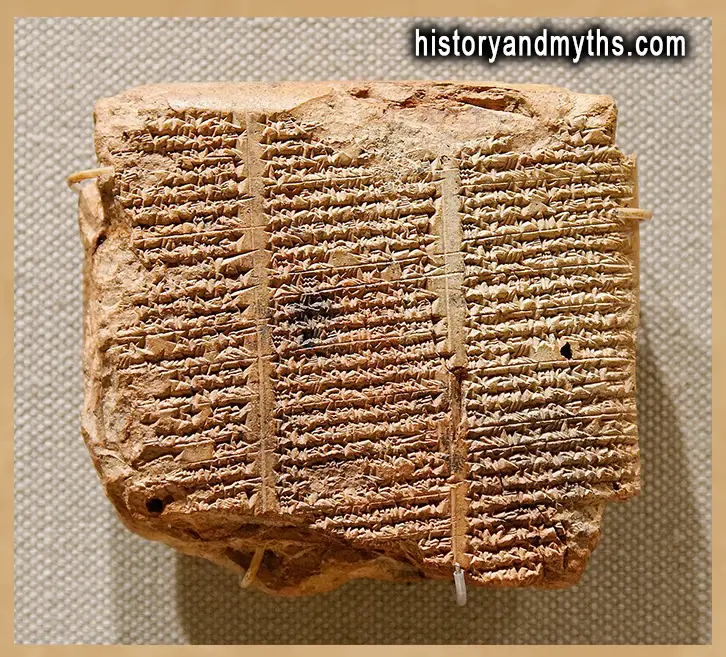
Words held particular importance because they were thought to carry authority when spoken in the correct ritual setting. Incantations were carefully preserved and passed down through trained specialists, who recited them alongside offerings, purification rites, and symbolic actions. The power was believed to come from the sacred tradition itself rather than from the individual performing the ritual.
This belief also reflected the Babylonian understanding of illness and misfortune. A disease, recurring nightmare, or series of disasters could indicate that an evil force or divine displeasure had disturbed the normal order of life. Rituals sought to identify that disturbance and restore balance before greater harm followed.
For the Babylonians, successful magic depended on knowledge, precision, and religious authority. A ritual performed incorrectly had little value because effectiveness came from following established sacred practices rather than improvisation or personal power. In this sense, magic was understood as a disciplined religious practice governed by tradition instead of individual talent.
Who Practiced Magic in Babylonian Religion?
Magic in Babylonian religion was not practiced by ordinary people without guidance. Most important rituals were performed by trained specialists who learned their profession through years of study in temples and scholarly circles. Their knowledge included ritual procedures, sacred texts, prayers, and the correct interpretation of religious traditions.
The best-known practitioner was the āšipu, often described as an exorcist or ritual expert. His responsibility was to remove evil influences, perform purification ceremonies, recite incantations, and protect individuals from demons, curses, or unexplained illness. His work focused on restoring religious and spiritual balance rather than predicting the future.
Other specialists served different roles. The bārû interpreted omens and examined signs believed to reveal the will of the gods, while the asû treated physical illnesses using practical remedies that could be combined with religious rituals when necessary. Although their responsibilities sometimes overlapped, each profession had its own methods and expertise.
This specialization shows that Babylonian magic was an organized part of religious life rather than an informal tradition. Ritual knowledge was preserved, taught, and practiced by trained experts whose authority came from education, experience, and established religious tradition.
Infobox
- Religion: Babylonian Religion
- Main Theme: Sacred Magic and Ritual Practice
- Purpose: Healing, protection, purification, and restoring divine order
- Key Specialists: Āšipu, Asû, Bārû
- Main Deities: Ea (Enki), Marduk, Gula, Shamash
- Related Concepts: Incantations, exorcism, divination, ritual purity, amulets
Magic, Medicine, and Healing
Babylonians did not draw a sharp line between medicine and religious ritual. Physical treatment and sacred ceremonies often worked together because illness was believed to have different possible causes. Some diseases resulted from natural conditions, while others were thought to reflect divine punishment, broken oaths, or the influence of harmful spirits.
Because of this belief, healing frequently combined practical remedies with ritual actions. An asû might prepare medicines from plants or minerals, while an āšipu performed purification rites or recited incantations intended to remove the unseen cause of the illness. These approaches were viewed as complementary rather than competing.
This partnership reflects a practical attitude toward healing. Babylonians did not rely on rituals alone when physical treatment was available, nor did they ignore religious ceremonies when they believed a spiritual force was involved. Recovery depended on restoring both physical health and the balance between the patient and the divine order.
For this reason, healing rituals became one of the most common applications of Babylonian magic. They demonstrate that religious practice was closely connected to everyday concerns, offering people both medical care and spiritual reassurance during times of illness.
Protective Magic Against Demons and Evil Forces
Protection was one of the most important purposes of Babylonian magic. People believed that unseen forces could threaten homes, families, pregnancies, livestock, and personal health. Rituals were therefore performed not only after misfortune occurred but also to prevent it before it appeared.
Protective practices included reciting incantations, placing amulets near doorways, burying small ritual figurines beneath buildings, and carrying objects associated with divine protection. These acts were intended to create a sacred barrier that kept harmful forces away rather than confronting them directly.
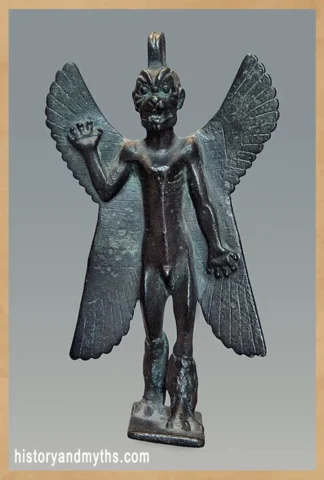
Some rituals specifically targeted feared beings such as Lamashtu, who was associated with danger to mothers and infants, while the image of Pazuzu was often used as a protective figure because he was believed to repel stronger malevolent spirits. This reflects an important aspect of Babylonian religion, where certain supernatural beings could serve as protectors against even greater threats.
Protective magic therefore formed part of everyday religious life rather than extraordinary ceremonies. It offered reassurance that divine protection could extend beyond temples into homes, families, and the ordinary challenges people faced throughout their lives.
Magic, Witchcraft, and Divination, What Was the Difference?
Although these practices are often grouped together today, Babylonians understood them as distinct activities with different purposes. Religious magic sought to restore order through authorized rituals, while divination attempted to discover the intentions of the gods. Witchcraft, by contrast, was viewed as the harmful misuse of hidden powers against other people.
This distinction shaped how each practice was treated. Ritual experts performed protective ceremonies and healing rites as legitimate religious duties, whereas diviners interpreted omens from the sky, animal organs, dreams, or other signs believed to reveal divine messages. Neither practice was intended to manipulate the gods, but to understand or respond to their will.
Witchcraft occupied a very different position. Mesopotamian texts contain numerous rituals designed to identify and neutralize malicious spells believed to have been cast by enemies. Rather than celebrating witchcraft, Babylonian religion treated it as a dangerous threat that required divine protection and ritual intervention.
Recognizing these differences helps explain why Babylonian magic was accepted within religious life. It was understood as a legitimate means of preserving harmony, while harmful sorcery represented a violation of the very order that religious rituals were meant to protect.
What Does Magic Reveal About Babylonian Religion?
Magic reveals that Babylonian religion was built on the belief that the universe operated according to an ordered system established by the gods. Misfortune was rarely viewed as random. Illness, disasters, or persistent bad luck often signaled that this order had been disturbed, making religious rituals a means of restoring balance rather than changing fate.
This perspective explains why magic occupied a respected place within temple life. Rituals were not attempts to overpower divine authority but expressions of cooperation with it. Priests sought to correct disorder by following sacred traditions that reflected the will of the gods instead of acting independently from them.
Babylonian magic also demonstrates how closely religion was connected to daily life. The same beliefs that shaped royal ceremonies and temple worship also influenced decisions about health, family, travel, agriculture, and the protection of homes. Religious practice was therefore not confined to festivals or public rituals but extended into ordinary life whenever people sought security or guidance.
More than anything, Babylonian magic reveals a civilization that valued knowledge, discipline, and ritual order as essential tools for preserving harmony. Rather than treating the world as unpredictable, the Babylonians believed that careful observance of divine traditions helped maintain stability in both human society and the cosmos.
Key Takeaways
- Magic was an accepted part of Babylonian religion rather than a separate belief system.
- Religious rituals aimed to restore harmony between humans, the gods, and the cosmic order.
- Different specialists performed different religious roles, including healing, exorcism, and divination.
- Babylonian healing often combined practical medicine with sacred rituals.
- Protective magic relied on incantations, amulets, purification rites, and ritual figurines.
- Babylonians distinguished legitimate religious magic from harmful witchcraft.
- Magic reflected a worldview centered on order, knowledge, and cooperation with the gods.
- Babylonian ritual traditions influenced religious practices throughout the ancient Near East.
Frequently Asked Questions About Magic in Babylonian Religion
Was magic considered part of Babylonian religion?
Yes. Magic was an accepted religious practice used to seek divine help, remove harmful influences, heal illness, and restore order. It was not treated as a separate alternative to worship.
Who practiced magic in ancient Babylon?
Complex rituals were usually performed by trained specialists. The āšipu conducted incantations, purification rites, and exorcisms, while the asû treated physical illness and the bārû interpreted omens.
How did Babylonian magic differ from witchcraft?
Authorized religious magic was intended to protect, heal, and restore balance. Witchcraft was understood as the harmful use of secret powers against another person and was opposed through prayers and anti-witchcraft rituals.
Was Babylonian magic the same as divination?
No. Magic attempted to address a danger or disturbance through ritual action, while divination sought to discover the intentions of the gods by interpreting omens, dreams, celestial events, or sacrificial signs.
How was magic used to treat illness?
Babylonian healing could combine medicines, bandages, plant-based remedies, purification, and spoken incantations. Physical and supernatural causes were not always treated as mutually exclusive.
What objects were used in Babylonian protective magic?
Protective practices employed amulets, clay figurines, ritual water, incense, written incantations, and images of powerful beings. Some objects were carried on the body, while others were placed inside houses or buried beneath buildings.
Why were Pazuzu and Lamashtu important in Babylonian magic?
Lamashtu was feared as a threat to pregnant women and infants. Images of Pazuzu were used defensively because his power was believed to repel Lamashtu and other dangerous forces.
Which gods were associated with Babylonian magic?
Enki, known in Akkadian as Ea, was a major god of wisdom, purification, and incantations. Marduk and his son Asalluhi also became important in exorcistic traditions, while Gula was closely associated with healing.
Did ordinary Babylonians use magic?
Ordinary people used amulets, short prayers, protective objects, and household rites, but difficult cases generally required a trained ritual specialist with access to established texts and procedures.
Did Babylonian magic influence later cultures?
Mesopotamian ritual knowledge circulated widely across the ancient Near East. Later cultures adapted practices such as written incantations, amulets, purification rites, and formal exorcisms, although they reshaped them within their own religious systems.
Sources
- Abusch, Tzvi. Mesopotamian Witchcraft: Toward a History and Understanding of Babylonian Witchcraft Beliefs and Literature. Brill, 2002.
- Abusch, Tzvi, and Daniel Schwemer. Corpus of Mesopotamian Anti-Witchcraft Rituals. Vol. 1. Brill, 2011.
- Abusch, Tzvi, and Daniel Schwemer. Corpus of Mesopotamian Anti-Witchcraft Rituals. Vol. 2. Brill, 2016.
- Biggs, Robert D. ŠÀ.ZI.GA: Ancient Mesopotamian Potency Incantations. J. J. Augustin, 1967.
- Black, Jeremy, and Anthony Green. Gods, Demons and Symbols of Ancient Mesopotamia: An Illustrated Dictionary. British Museum Press, 1992.
- Bottéro, Jean. Religion in Ancient Mesopotamia. University of Chicago Press, 2001.
- Cunningham, Graham. Deliver Me from Evil: Mesopotamian Incantations 2500–1500 BC. Pontifical Biblical Institute, 1997.
- Farber, Walter. Lamaštu: An Edition of the Canonical Series of Lamaštu Incantations and Rituals and Related Texts from the Second and First Millennia B.C. Eisenbrauns, 2014.
- Geller, Markham J. Ancient Babylonian Medicine: Theory and Practice. Wiley-Blackwell, 2010.
- Lambert, W. G. Babylonian Creation Myths. Eisenbrauns, 2013.
- Lenzi, Alan. Secrecy and the Gods: Secret Knowledge in Ancient Mesopotamia and Biblical Israel. State Archives of Assyria Studies, 2008.
- Reiner, Erica. Astral Magic in Babylonia. American Philosophical Society, 1995.
- Rochberg, Francesca. The Heavenly Writing: Divination, Horoscopy, and Astronomy in Mesopotamian Culture. Cambridge University Press, 2004.
- Scurlock, JoAnn. Sourcebook for Ancient Mesopotamian Medicine. Society of Biblical Literature Press, 2014.
- Scurlock, JoAnn, and Burton R. Andersen. Diagnoses in Assyrian and Babylonian Medicine: Ancient Sources, Translations, and Modern Medical Analyses. University of Illinois Press, 2005.
- van der Toorn, Karel. Family Religion in Babylonia, Syria and Israel: Continuity and Change in the Forms of Religious Life. Brill, 1996.
- Wiggermann, F. A. M. Mesopotamian Protective Spirits: The Ritual Texts. Styx Publications, 1992.
- British Museum. Collection Research on Mesopotamian Magic, Amulets, Demons, and Ritual Objects.
- The Metropolitan Museum of Art. Mesopotamian Magic in the First Millennium B.C.
- University of Pennsylvania Museum of Archaeology and Anthropology. Babylonian Incantation Tablets and Protective Objects.
Written by H. Moses — All rights reserved © Mythology and History