How Olive Oil Was Stored and Sold in Ancient Greece
Olive oil in Ancient Greece was stored in sealed ceramic containers and transported through markets, ports, workshops, and merchant networks as one of the most valuable everyday trade goods in the Greek economy. Greek merchants and shopkeepers used amphorae and storage jars to protect oil from heat, air exposure, leakage, and contamination while moving it between farms, ships, warehouses, and urban markets.
The oil was sold in different quantities and qualities depending on local supply, trade activity, and intended use. Households bought it for cooking, lighting, hygiene, and religious purposes, while merchants traded larger shipments across the Mediterranean through commercial ports connected to cities such as Athens.
Why Olive Oil Required Careful Storage
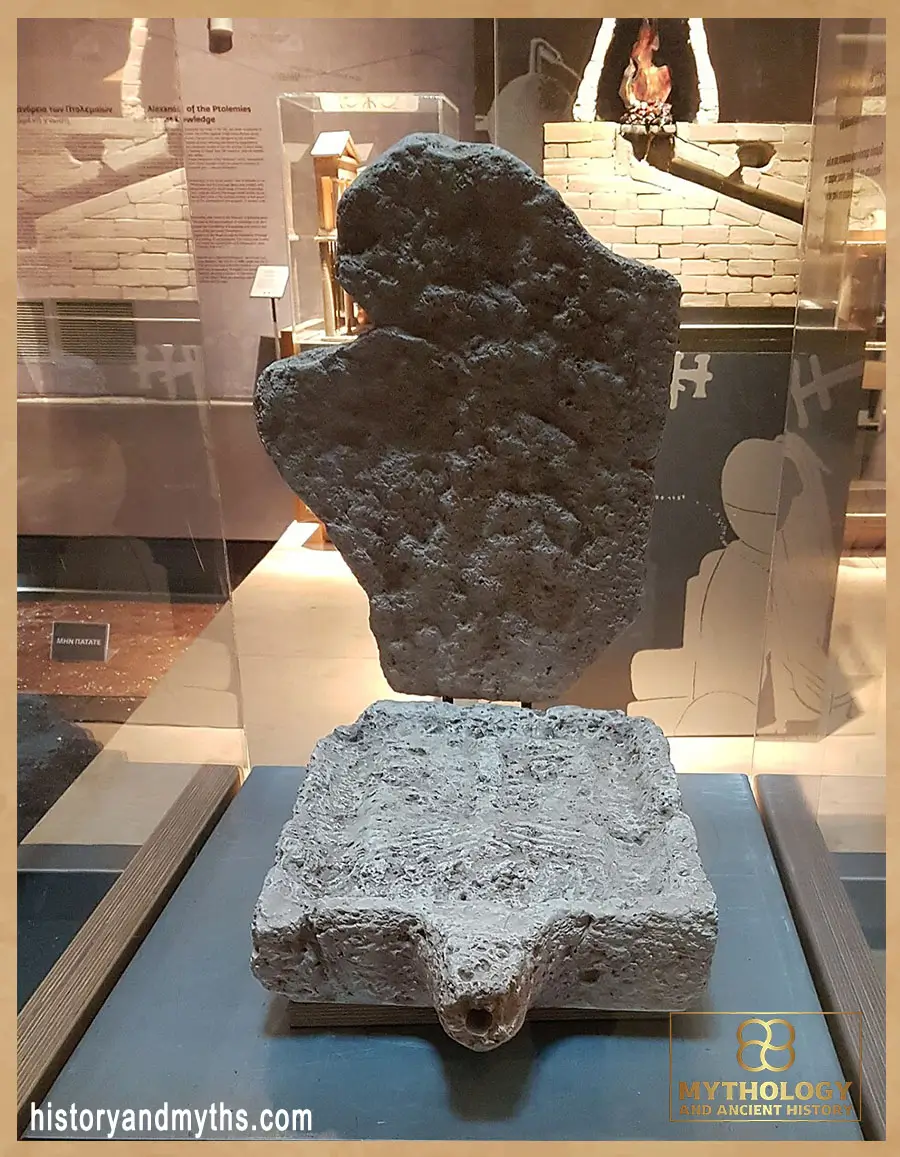
Olive oil was highly valuable in the Greek economy because it served multiple daily functions at the same time. People used it for cooking, lighting, religious offerings, athletics, cosmetics, and hygiene, which meant large quantities had to remain usable over long periods rather than being consumed immediately after production.
The oil could lose quality if exposed to heat, air, moisture, or contaminated containers. Poor storage also increased the risk of leakage during transport, especially when merchants moved oil between farms, warehouses, ports, and urban markets. Protecting the product therefore became essential for preserving both value and usability.
Unlike grain or pottery, olive oil was a liquid commodity that required sealed storage systems and careful handling during movement. Merchants who failed to store it properly risked spoilage, damaged shipments, and financial losses before the product even reached the market.
| Trade Stage | How Olive Oil Moved Through the Greek Economy |
|---|---|
| Storage | Oil was stored in sealed amphorae and ceramic jars to protect it from air, heat, and contamination. |
| Transport | Merchants moved olive oil by cart and ship through regional trade routes and Mediterranean ports. |
| Market Sales | Oil was sold in measured quantities through shops, stalls, and commercial marketplaces. |
| Commercial Value | Demand remained strong because olive oil was used daily for food, lighting, hygiene, and religious activities. |
| Trade Risks | Merchants faced spoilage, leaking containers, damaged cargo, unstable harvests, and fluctuating prices. |
How Olive Oil Was Stored in Ancient Greece
Greek producers and merchants stored olive oil primarily in ceramic amphorae and large storage jars designed to protect the liquid during long-term use and transport. These containers reduced exposure to air and helped preserve the oil more effectively than open vessels or temporary containers.
Storage areas were usually kept relatively cool and protected from direct sunlight whenever possible. Large households, workshops, farms, and commercial facilities often maintained dedicated storage spaces where jars could remain stable without frequent movement or temperature changes.
Amphorae used for transport were commonly sealed to reduce leakage and contamination during travel. Some containers were marked or shaped differently depending on origin, trade use, or contents, helping merchants identify shipments moving through ports and markets across the Mediterranean.
How Olive Oil Was Transported and Protected
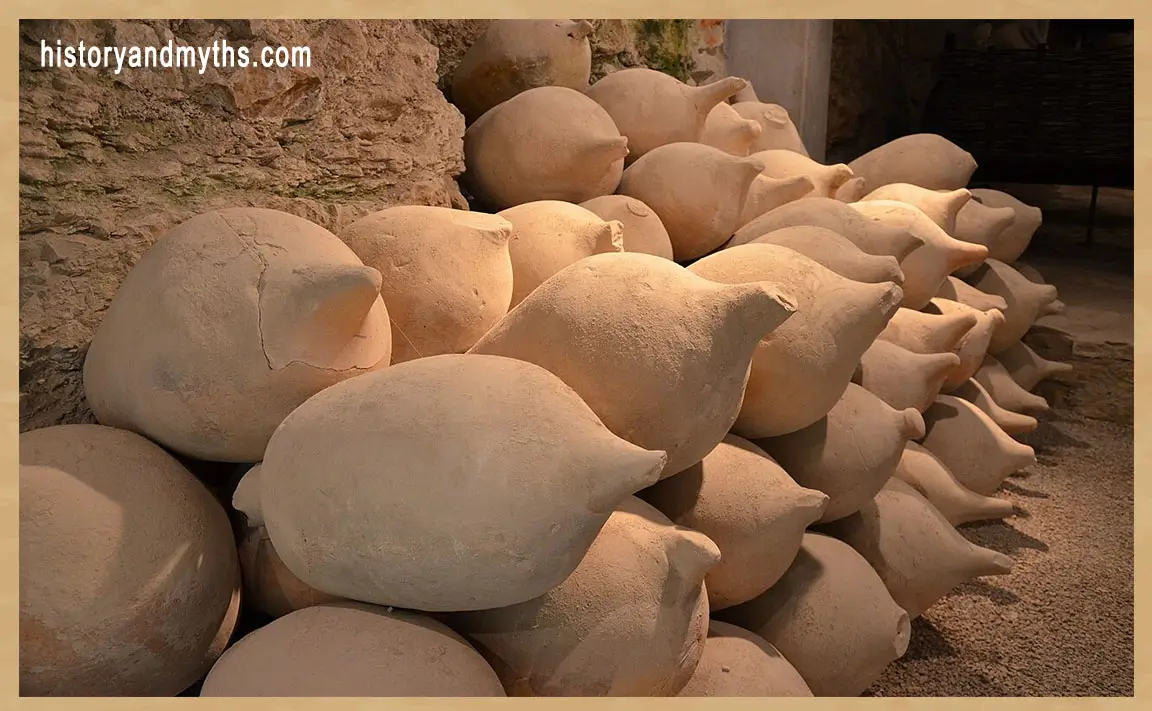
Olive oil moved through the Greek world by cart, pack animal, and especially by ship. Amphorae were designed not only for storage but also for transport, allowing merchants to move large quantities efficiently between rural producers, ports, and urban markets.
The shape of many transport amphorae helped stabilize them during shipping. Narrow bases allowed containers to be packed tightly inside cargo holds where rows of jars could support each other during long sea voyages. Sealed openings reduced leakage and protected the oil from contamination while traveling across the Mediterranean.
Transport remained risky despite these precautions. Rough weather, broken containers, delayed voyages, or poor handling at ports could damage shipments before they reached buyers. Merchants therefore depended heavily on careful packing and reliable transport routes to limit losses during trade.
How Olive Oil Was Sold in Greek Markets
Olive oil was sold through shops, market stalls, port merchants, and direct trade between producers and buyers. Customers purchased it in different quantities depending on household needs, while merchants handled larger commercial shipments moving through urban trade centers.
Quality affected price significantly. Fresh oil, cleaner oil, or oil connected to respected production regions could sell for higher value than lower-grade supplies. Buyers paid attention to appearance, smell, and consistency because poor-quality oil reduced usefulness for cooking, lighting, or personal care.
Retail sales usually involved measured quantities rather than standardized packaging. Merchants poured oil from larger storage containers into smaller vessels during transactions, allowing customers to buy only what they needed instead of purchasing entire amphorae.
Why Olive Oil Became a Major Greek Trade Commodity
Ancient Greek olive oil required specialized storage, transport, and market systems because it served as both a daily necessity and a valuable commercial product. Amphorae, maritime shipping, urban markets, and merchant networks allowed oil to move across the Mediterranean while preserving its quality for cooking, lighting, hygiene, and trade.
© historyandmyths.com — Educational use
Why Olive Oil Became a Valuable Trade Product
Olive oil became one of the most important trade goods in the Greek economy because it combined daily necessity with long-distance commercial value. Unlike luxury products purchased occasionally, oil was consumed continuously inside households, workshops, religious spaces, and athletic activities.
The product also traveled well compared to many perishable foods. Properly sealed amphorae allowed merchants to transport oil across the Mediterranean without immediate spoilage, making it suitable for regional and international trade networks connected to Greek ports.
Demand remained relatively stable because olive oil served multiple purposes at once. Cities with strong commercial connections could import large quantities, redistribute shipments through local markets, or export surplus production to other regions where supply was weaker.
The Risks and Challenges of Olive Oil Trade
Olive oil trade depended heavily on harvest quality, transport conditions, and stable supply routes. Poor weather, damaged olive crops, or interrupted shipping could reduce available stock and quickly increase prices inside urban markets.
Merchants also faced losses from broken amphorae and leaking containers during transport. A damaged shipment could destroy large quantities of oil before it reached commercial centers, especially during long maritime voyages where cargo movement remained difficult to control completely.
Market competition created additional pressure. Traders selling lower-quality or diluted oil could affect prices and customer trust, particularly in busy ports where buyers encountered products from many different regions. Maintaining consistent quality therefore became important for merchants hoping to build reliable commercial relationships.
Olive oil moved through the Greek economy as a carefully managed commercial product rather than a simple agricultural commodity. Producers, merchants, transport workers, and shopkeepers all depended on reliable storage, sealed containers, and organized trade routes to keep the oil usable from production to final sale.
Its value came not only from demand but also from the practical systems required to preserve and distribute it across households, markets, and Mediterranean trade networks. The movement of olive oil connected farms, ports, warehouses, and urban commerce through one of the most active trade products in Ancient Greece.
Key Takeaways
- Greek olive oil was stored mainly in sealed amphorae and ceramic jars.
- Merchants transported oil through ships, ports, carts, and regional trade routes.
- Olive oil was sold in measured quantities rather than fixed packaged units.
- Quality, freshness, and origin strongly affected market value.
- Oil became a major trade product because it served many daily functions.
- Trade risks included leaking containers, damaged cargo, poor harvests, and unstable prices.
FAQ
How was olive oil stored in Ancient Greece?
Greek producers and merchants stored olive oil mainly in sealed amphorae and ceramic jars designed to protect it from air, heat, and contamination.
Why did Ancient Greeks use amphorae for olive oil?
Amphorae helped preserve olive oil during storage and transport while reducing leakage during long-distance trade.
How was olive oil transported in Ancient Greece?
Olive oil moved by cart, pack animal, and especially by ship through Mediterranean trade routes connected to Greek ports.
Where was olive oil sold in Ancient Greece?
Merchants sold olive oil in agoras, shops, market stalls, ports, and regional trade centers.
Did olive oil quality affect price?
Yes. Freshness, cleanliness, origin, and consistency could significantly influence commercial value.
Why was olive oil important in the Greek economy?
Olive oil was used daily for cooking, lighting, athletics, hygiene, and religious activities, creating stable long-term demand.
What risks affected olive oil trade?
Merchants faced damaged amphorae, spoiled cargo, poor harvests, delayed shipments, and unstable market prices.
Was olive oil only a local product?
No. Greek merchants traded olive oil widely across Mediterranean commercial networks.
Sources & Rights
- Foxhall, Lin. Olive Cultivation in Ancient Greece. Oxford: Oxford University Press, 2007.
- Bresson, Alain. The Making of the Ancient Greek Economy. Princeton: Princeton University Press, 2016.
- Finley, M. I. The Ancient Economy. Berkeley: University of California Press, 1999.
- Peacock, D. P. S., and D. F. Williams. Amphorae and the Roman Economy. London: Longman, 1986.
- Camp, John McK. The Athenian Agora. London: Thames & Hudson, 1986.
- Boardman, John. The Greeks Overseas. London: Thames & Hudson, 1999.
- Whitby, Michael. Trade and Famine in Classical Antiquity. Cambridge: Cambridge University Press, 1988.
- Burford, Alison. Land and Labor in the Greek World. Baltimore: Johns Hopkins University Press, 1993.
- Hansen, Mogens Herman. An Inventory of Archaic and Classical Poleis. Oxford: Oxford University Press, 2004.
- Millett, Paul. Lending and Borrowing in Ancient Athens. Cambridge: Cambridge University Press, 1991.
- Vlassopoulos, Kostas. Unthinking the Greek Polis. Cambridge: Cambridge University Press, 2007.
- Amemiya, Toru. Economy and Economics in Ancient Greece. London: Routledge, 2007.
- Osborne, Robin. Greece in the Making. London: Routledge, 1996.
- Morris, Ian. Archaeology as Cultural History. Oxford: Blackwell, 2000.
- Waterfield, Robin. Athens: A History. London: Macmillan, 2004.
- de Ste. Croix, G. E. M. The Class Struggle in the Ancient Greek World. London: Duckworth, 1981.
- Casson, Lionel. Ships and Seamanship in the Ancient World. Baltimore: Johns Hopkins University Press, 1995.
- Curtis, Robert I. Ancient Food Technology. Leiden: Brill, 2001.
- Rickman, Geoffrey. Roman Granaries and Store Buildings. Cambridge: Cambridge University Press, 1971.
- Davies, J. K. Wealth and the Power of Wealth in Classical Athens. Salem: Ayer Company Publishers, 1981.
Written by H. Moses — All rights reserved © Mythology and History