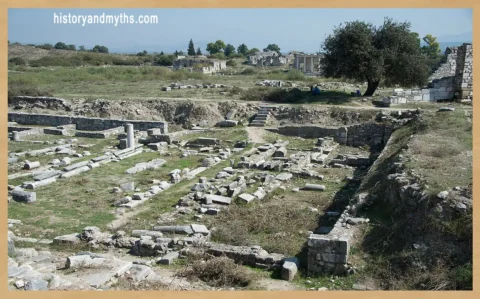
Sparta vs Athens: Key Differences Between the Two Greek Powers
Ancient Greece was not a single unified state but a landscape of independent city-states, each with its own political system and social order. Among them, two cities became the most powerful and influential: Athens and Sparta. Although both belonged to the same Greek world and shared language, religion, and cultural traditions, they developed very different models of political life and social organization.
Athens became known for its experiment with citizen democracy, public debate, and cultural life centered around civic participation. Sparta followed a sharply different path, building a disciplined military society designed to maintain stability and control over its territory. These contrasting systems shaped how each city governed its citizens, trained its youth, organized its economy, and conducted war. Understanding the differences between Athens and Sparta reveals how two Greek city-states could belong to the same civilization while representing fundamentally different approaches to power, citizenship, and society.
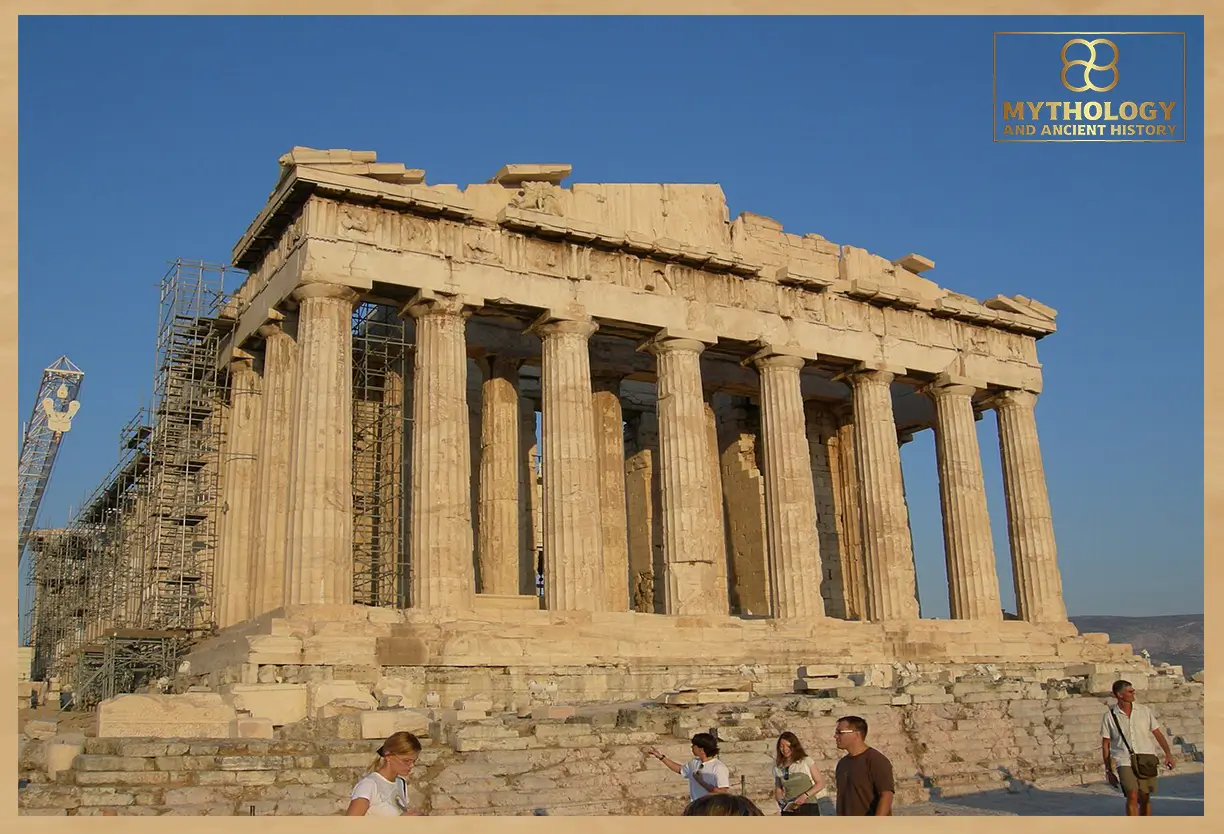
Athens and Sparta in the Greek World
Among the many city-states that existed across ancient Greece, Athens and Sparta emerged as the two most powerful political centers during the classical period. Both belonged to the same Greek cultural sphere and shared language, religion, and traditions, yet their historical development followed different paths that shaped distinct political identities.
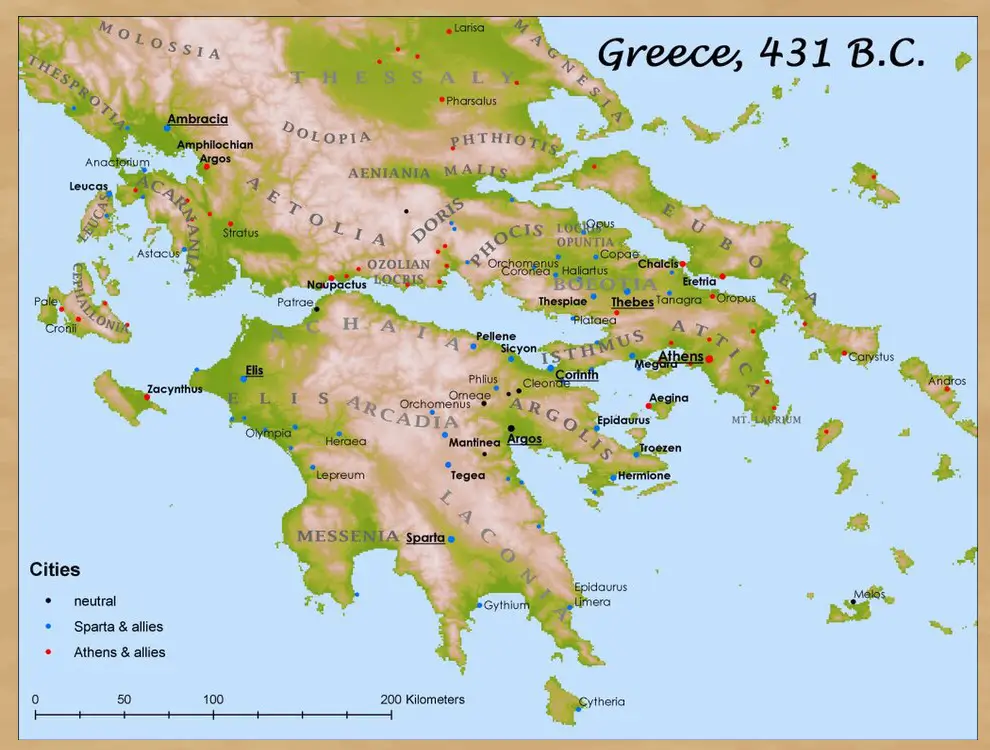
Athens was located in the region of Attica and grew into a major maritime power connected to trade networks across the Aegean. Its political life centered on assemblies, public debate, and institutions that allowed citizens to participate directly in government. Sparta, situated in the fertile valley of Laconia in the Peloponnese, developed a highly disciplined society organized around military strength and internal stability. Its political system emphasized order, collective duty, and strict social hierarchy.
Because of their power, influence, and contrasting systems, Athens and Sparta came to represent two different models of the Greek city-state. Their rivalry would eventually dominate the political landscape of the Greek world and play a decisive role in shaping its history during the fifth century BCE.
| Feature | Athens | Sparta |
|---|---|---|
| Political System | Direct democracy | Military oligarchy with dual kings |
| Main Focus | Trade, culture, and civic debate | Military discipline and stability |
| Education | Intellectual and artistic training | State-controlled military training (agoge) |
| Military Strength | Powerful navy | Elite land army |
| Role of Women | Limited public role | Greater social and economic independence |
| Economy | Trade and maritime commerce | Agriculture supported by helot labor |
Political Systems: Democracy in Athens and Oligarchy in Sparta
The most fundamental difference between the two city-states lay in their systems of government. In Athens, political authority developed into a form of direct democracy during the fifth century BCE. Citizens gathered in the Assembly to debate laws, approve policies, and vote on decisions affecting the state. Public offices were often filled by lot, and many citizens served in councils, courts, and administrative roles. Political participation was therefore considered a central duty of citizenship.
In contrast, the political system of Sparta combined elements of monarchy and oligarchy. The city was ruled by two hereditary kings who shared authority with a council of elders known as the Gerousia and a group of elected magistrates called the Ephors. Although an assembly of citizens existed, its influence was limited compared with the institutions that governed Athens. Spartan politics focused less on public debate and more on maintaining stability within a society organized around military discipline.
These contrasting political structures reflected different priorities. Athens emphasized civic participation and political discussion, while Sparta prioritized order, authority, and the preservation of a rigid social system that supported its military state.
Society and Citizenship
Social organization in the two city-states reflected their different political priorities. In Athens, society was structured around the concept of civic participation. Adult male citizens could take part in political institutions, while other groups—women, resident foreigners known as metics, and enslaved people—formed the broader population that supported the economic life of the city. Although citizenship was limited, public identity in Athens was closely tied to participation in civic affairs.
The social structure of Sparta was organized very differently. Spartan society was divided into distinct groups with specific roles. Full Spartan citizens, often called Spartiates, formed the ruling class and were trained primarily for military service. Beneath them were the perioikoi, free inhabitants who handled trade and crafts but had no political power. The largest group consisted of the helots, a population tied to the land who worked in agriculture and supported the Spartan economy.
These contrasting social systems shaped daily life in each city-state. Athens developed a society centered on civic debate, trade, and cultural activity, while Sparta structured its social order to maintain a disciplined military state capable of controlling its territory and population.
Education and Training
Education in the two city-states reflected their different priorities. In Athens, education aimed to prepare citizens for participation in civic life. Boys were taught reading, writing, music, and physical exercise, but equal emphasis was placed on rhetoric and intellectual development. The goal was to cultivate citizens capable of debating public issues, engaging in cultural life, and contributing to the political institutions of the city.
In Sparta, education followed a far more rigid and militarized system known as the agoge. Spartan boys entered state-supervised training at a young age, where discipline, endurance, and combat skills were emphasized above all else. The program was designed to produce soldiers loyal to the state and capable of maintaining Sparta’s military dominance.
These educational systems reveal a fundamental difference between the two societies. Athens valued intellectual development alongside physical training, while Sparta focused on preparing its citizens for a life centered on military service and collective discipline.
Key Differences Between Athens and Sparta
- Athens developed a system of citizen democracy.
- Sparta built a highly disciplined military society.
- Athenian culture emphasized philosophy, arts, and debate.
- Spartan society focused on collective duty and military training.
- Athens relied heavily on maritime trade and naval power.
- Sparta depended mainly on land-based agriculture and its army.
- The rivalry between the two states shaped Greek politics in the 5th century BCE.
© historyandmyths.com — Educational use
Economy and Daily Life
Economic activity in the two city-states developed in different directions. In Athens, the economy was strongly connected to maritime trade. The city’s location near important sea routes encouraged commerce with other regions of the Mediterranean. Trade, crafts, and markets in the agora played a major role in daily life, while agriculture in the surrounding territory of Attica supplied grain, olives, and wine. This combination of trade and local production helped support a diverse urban society.
The economy of Sparta was far less commercial. Spartan citizens focused primarily on military responsibilities, while agricultural production was carried out by the helot population who worked the land. Trade and craft activities were largely managed by the perioikoi, free inhabitants living in surrounding communities. As a result, Spartan daily life remained more austere and rural compared with the active commercial environment of Athens.
These differences in economic structure influenced the character of each society. Athens developed a busy urban culture linked to trade and public markets, whereas Sparta maintained a more controlled and disciplined social order centered on land and military organization.
Women in Athens and Sparta
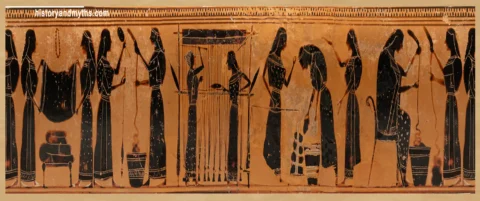
The position of women differed significantly between the two city-states. In Athens, women were largely excluded from public life. They could not participate in political institutions, hold office, or vote in the Assembly. Their activities were mainly centered on managing the household, raising children, and overseeing domestic affairs. Public visibility for Athenian women was limited, and their legal status was generally tied to male guardians within the family.
In Sparta, women held a somewhat different position within society. Although they also lacked formal political rights, Spartan women enjoyed greater economic and social autonomy. They could own and inherit property, manage estates while men were engaged in military service, and participate in physical training. This reflected the broader priorities of Spartan society, where maintaining a strong population and stable households was considered essential to supporting the military state.
These contrasting roles illustrate how social structures in Athens and Sparta extended beyond politics and warfare, shaping daily life and family organization in different ways.
Continue Reading
Military Power: Army of Sparta and Navy of Athens
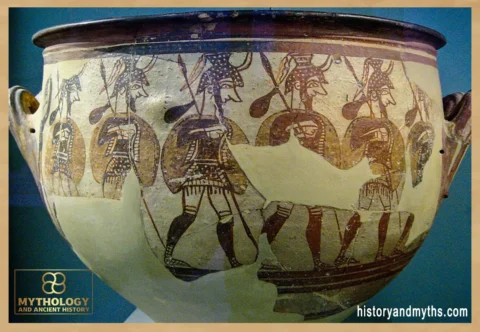
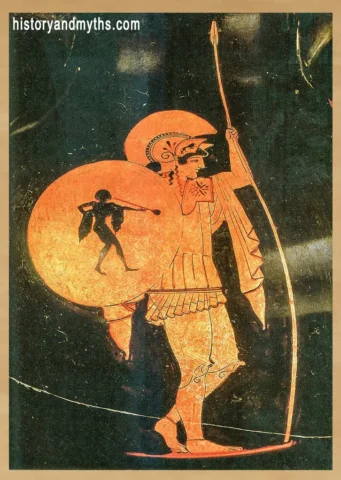
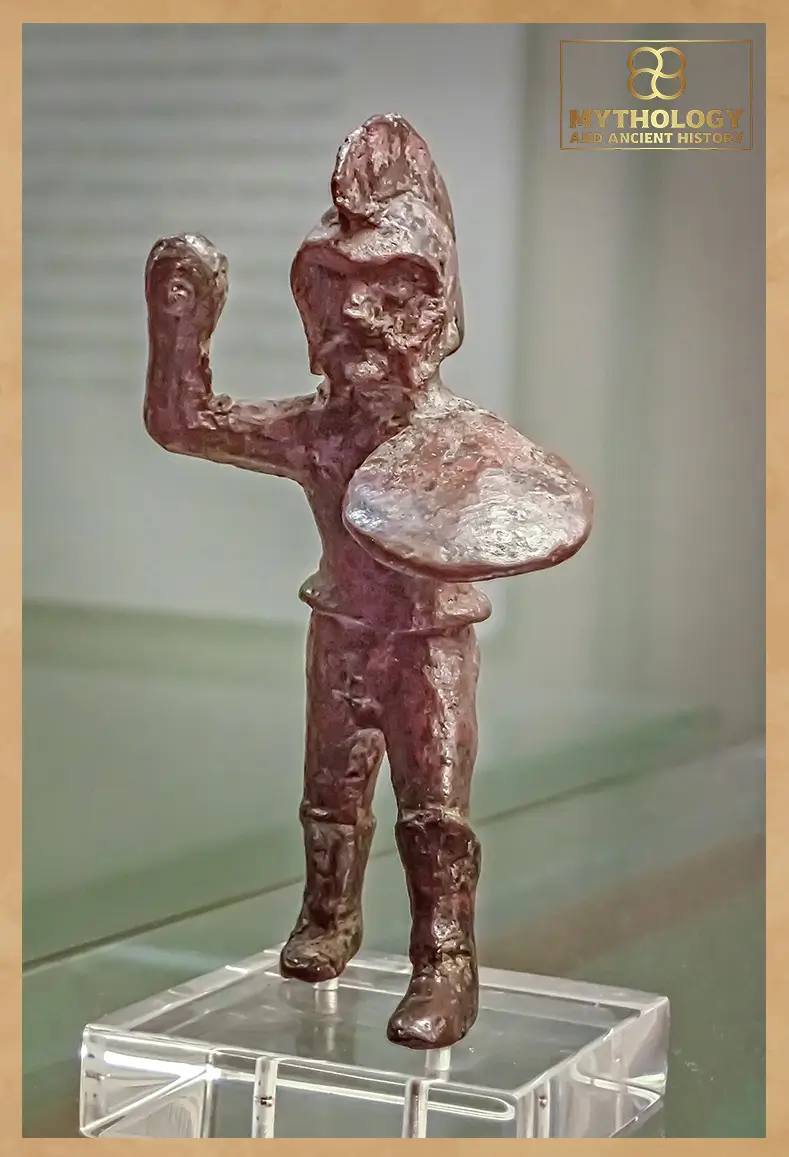
Military organization reflected the strategic priorities of the two city-states. In Sparta, warfare was central to the identity of the state. Spartan citizens were trained from youth through the agoge system to become professional soldiers. Their army was famous for discipline, cohesion, and effectiveness in land warfare, especially in the heavy infantry formation known as the phalanx. This military strength allowed Sparta to dominate much of the Peloponnese and maintain control over its territory.
The military power of Athens developed along a different path. Athens built one of the strongest naval forces in the Greek world. Its fleet of triremes gave the city control over important sea routes and enabled it to project influence across the Aegean. Naval power supported Athens’ trade networks and played a crucial role in conflicts such as the Persian Wars.
These contrasting military strategies reflected the broader differences between the two states. Sparta relied on a highly trained land army, while Athens built its strength through maritime power and naval warfare.
Why Athens and Sparta Became Rivals
As the two most powerful city-states in the Greek world, Athens and Sparta gradually developed competing spheres of influence. After the Persian Wars in the early fifth century BCE, Athens expanded its naval power and formed alliances across the Aegean through the Delian League. This growth increased Athenian political and economic influence throughout the region.
Sparta, whose power was based on its land army and alliances in the Peloponnese, viewed the expansion of Athenian influence with increasing concern. The existence of two dominant powers with different political systems and strategic interests created persistent tension within the Greek world. Rival alliances formed around each city, dividing many Greek states into opposing camps.
These tensions eventually escalated into the Peloponnesian War, a long conflict that reshaped the balance of power in Greece. The rivalry between Athens and Sparta therefore became one of the defining political struggles of the classical Greek period.
Key Takeaways
- Athens and Sparta were the most powerful city-states of classical Greece.
- Athens developed direct democracy and a vibrant civic culture.
- Sparta organized its society around military discipline and social stability.
- The two states followed different economic and social systems.
- Their rivalry shaped much of Greek political history.
- Tensions between Athens and Sparta eventually led to the Peloponnesian War.
Frequently Asked Questions
What is the main difference between Athens and Sparta?
Athens developed a democratic political system, while Sparta organized its society around a military oligarchy.
Why were Athens and Sparta rivals?
The two city-states developed competing alliances and political interests that eventually led to the Peloponnesian War.
Which city-state had the stronger army?
Sparta was famous for its highly disciplined land army.
Which city-state was more democratic?
Athens developed one of the earliest systems of direct democracy in the ancient world.
How were Spartan and Athenian education different?
Athenian education emphasized intellectual and cultural training, while Spartan education focused on military discipline.
Did women have the same rights in both cities?
No. Spartan women had greater economic independence than women in Athens.
What war resulted from the rivalry between Athens and Sparta?
The Peloponnesian War (431–404 BCE) emerged from the growing rivalry between the two states.
Sources & Rights
-
- Encyclopaedia Britannica — Athens.
- Encyclopaedia Britannica — Sparta.
- World History Encyclopedia — Athens.
- World History Encyclopedia — Sparta.
- World History Encyclopedia — Peloponnesian War.
- Paul Cartledge — Ancient Greece: A History in Eleven Cities.
- Paul Cartledge — Sparta and Lakonia.
- Donald Kagan — The Peloponnesian War.
- Sarah B. Pomeroy — Ancient Greece: A Political, Social, and Cultural History.
- Moses I. Finley — The Ancient Economy.
- Oxford Classical Dictionary.
- Cambridge Ancient History — Volume V.
- Peter Rhodes — A History of the Classical Greek World.
- Thomas Martin — Ancient Greece: From Prehistoric to Hellenistic Times.
- Victor Ehrenberg — The Greek State.
- Ian Morris — The Rise of the Greek City-States.
- Walter Scheidel — The Cambridge Economic History of the Greco-Roman World.
- Christopher Blackwell — Athenian Democracy: A Sourcebook.
- Robin Osborne — Greece in the Making.
Written by H. Moses — All rights reserved © Mythology and History