The Neo-Assyrian Empire: How Conquest Became Permanent Rule
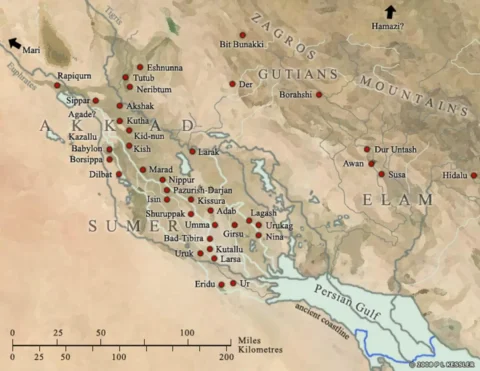
The Neo-Assyrian Empire was not simply a powerful ancient state. It was one of the first political systems in history to transform conquest into permanent rule. Between the ninth and seventh centuries BCE, Assyrian kings created an empire that stretched from the Persian Gulf to the Mediterranean, governing diverse populations through a combination of military force, administrative discipline, and calculated diplomacy.
Unlike earlier empires that depended mainly on personal authority, Assyria developed mechanisms of control that extended far beyond the battlefield. Provincial governors, scribal archives, intelligence networks, and treaty obligations formed an integrated system designed to monitor, tax, and discipline conquered territories. Power was no longer based only on victory; it was maintained through routine administration and institutional surveillance.
This article examines how the Neo-Assyrian Empire built and sustained this machinery of rule. It analyzes the political structures, economic strategies, and coercive practices that allowed a relatively small core region to dominate much of the ancient Near East for over two centuries. By tracing both its operational strengths and structural weaknesses, the study reveals why Assyria became the most effective imperial system of its age—and why, despite its sophistication, it ultimately collapsed.
The Rise of Assyrian Imperial Power
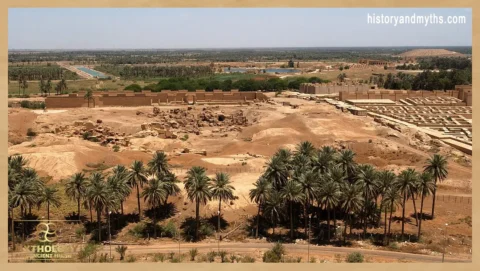
The Neo-Assyrian Empire emerged from a period of regional instability and political fragmentation in northern Mesopotamia. By the early ninth century BCE, Assyria had secured its core territories along the Tigris and developed a militarized state capable of sustained external expansion. Geographic position, access to trade routes, and pressure from rival powers pushed Assyrian rulers toward systematic conquest rather than limited border warfare.
The decisive transformation began under Ashurnasirpal II, who replaced sporadic raiding with permanent occupation. Instead of withdrawing after campaigns, his armies established fortified centers, installed loyal officials, and imposed direct taxation. This marked the shift from a territorial kingdom to an imperial state. Military victories were immediately converted into administrative control.
His successor Shalmaneser III expanded this model across Syria and the Levant. Through repeated campaigns, he forced regional rulers into vassalage and integrated strategic cities into Assyrian infrastructure. Tribute, hostages, and treaty obligations ensured that submission was institutionalized rather than symbolic.
Assyrian expansion was supported by organizational innovations. Armies were mobilized annually, supplied through state-controlled logistics, and coordinated through permanent command structures. Roads, relay stations, and storage depots allowed troops to operate far from the imperial core. Warfare became a predictable state function rather than an occasional royal initiative.
Economic incentives also reinforced expansion. Conquest secured access to metals, timber, agricultural surplus, and skilled labor. These resources were redistributed through the palace and temple systems, strengthening central authority and funding further campaigns. Military success and economic growth became mutually reinforcing.
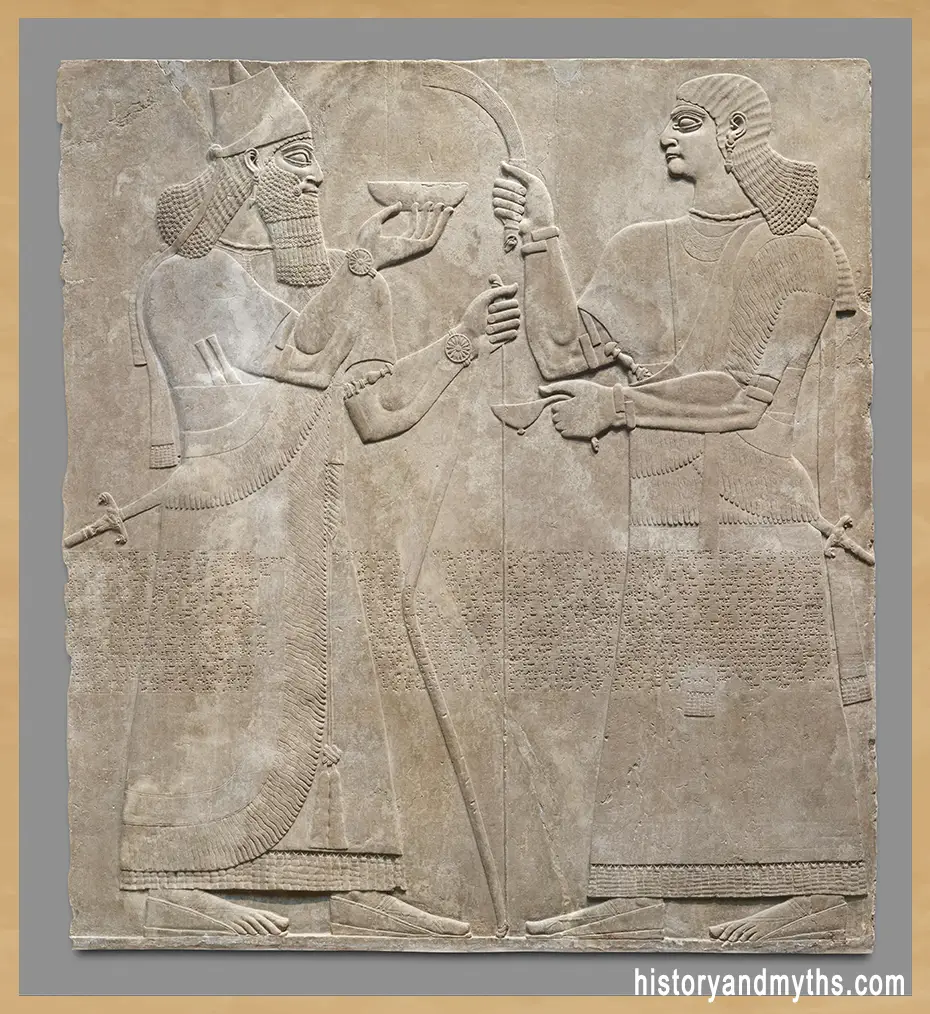
Ideology played a parallel role. Royal inscriptions and reliefs presented expansion as a divine mandate, framing resistance as rebellion against cosmic order. This narrative legitimized continuous warfare and discouraged regional autonomy. Political obedience was thus linked to religious duty.
By the late ninth century BCE, Assyria had constructed a stable platform for imperial rule: a professional army, a centralized treasury, and an emerging provincial network. Expansion was no longer dependent on individual ambition alone. It had become embedded in the structure of the state itself.
This foundation made later large-scale domination possible, but it also created long-term pressures that would shape both Assyrian success and eventual vulnerability.
| Aspect | Function | Historical Role | Impact |
|---|---|---|---|
| Imperial Authority | Centralized kingship | Controlled diplomacy and vassals | Political stability |
| Military Power | Territorial expansion | Enforced treaties | Regional dominance |
| Administration | Provincial governance | Tax and labor control | Economic growth |
| Tribute System | Resource extraction | Maintained loyalty | Imperial wealth |
| Diplomacy | Treaties and alliances | Conflict management | Long-term influence |
The Architecture of Central Authority
Imperial expansion alone could not sustain Assyrian dominance. What distinguished the Neo-Assyrian Empire from earlier powers was the construction of a centralized system capable of coordinating military, economic, and political activity across vast distances. This system transformed royal authority into an operational structure rather than a personal privilege.
A major reorganization occurred under Tiglath-Pileser III, who reduced the autonomy of regional elites and strengthened direct royal supervision. Large provinces were divided into smaller administrative units, each governed by officials appointed from the center. This limited the ability of any single governor to build an independent power base.
The royal court functioned as the empire’s command hub. Decisions on taxation, appointments, military campaigns, and diplomacy were concentrated around the king and his senior advisers. High-ranking officials, including military commanders and chief scribes, operated within a tightly controlled hierarchy. Access to the ruler was regulated, reinforcing centralized decision-making.
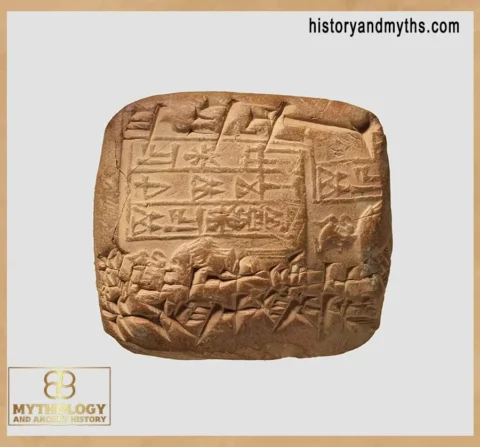
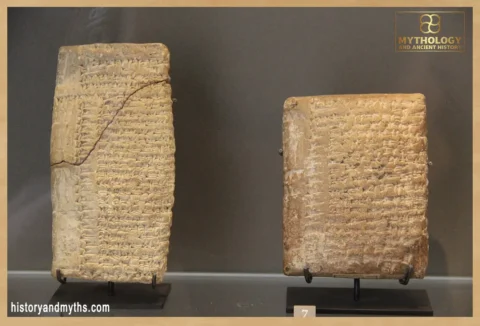
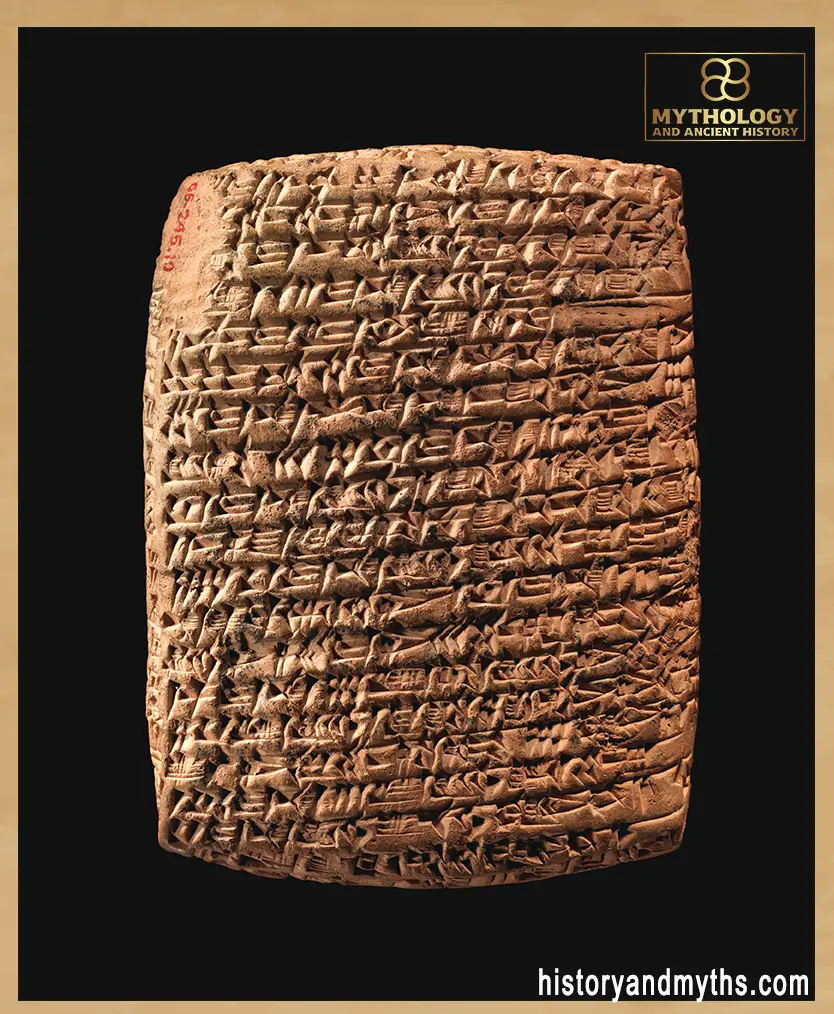
Written administration formed the backbone of this system. Thousands of clay tablets recorded tribute deliveries, troop movements, labor assignments, and diplomatic correspondence. These archives allowed the state to track obligations and detect irregularities. Information management became a tool of political control.
Communication networks ensured that orders circulated rapidly. Royal roads connected major cities, while relay stations and messengers maintained constant contact between provinces and the capital. Reports from governors and military officers were transmitted regularly, creating an early form of bureaucratic surveillance.
Intelligence gathering was institutionalized. Officials monitored local populations, foreign courts, and even internal elites. Letters preserved in Assyrian archives reveal systematic reporting on political sentiment, economic conditions, and security threats. Loyalty was assessed continuously rather than assumed.
Economic administration was integrated into this framework. Tax collection, storage facilities, and redistribution centers operated under royal oversight. Resources moved through standardized channels, limiting local discretion and reinforcing fiscal dependence on the capital.
Central authority was further reinforced through symbolic practices. Court rituals, monumental architecture, and public inscriptions projected royal presence into provincial spaces. Even distant communities were reminded that they belonged to a unified imperial order.
By combining administrative hierarchy, information control, and economic supervision, Assyria created a governing structure capable of managing territory on an unprecedented scale. Power was no longer exercised only through armies. It was embedded in routines, records, and institutions that functioned continuously, even in the absence of the king.
Provincial Governors and Regional Administration
Provincial governors formed the core link between the imperial center and local territories. They were appointed directly by the king and served as representatives of royal authority in conquered regions. Their primary function was to enforce imperial policy, collect revenue, and maintain security.
A major expansion of this system took place under Sargon II, who reorganized newly conquered lands into standardized provinces. Former local rulers were often removed and replaced with Assyrian officials whose careers depended on royal favor. This reduced the risk of regional independence.
Governors exercised both civil and military authority. They supervised taxation, controlled agricultural production, managed labor obligations, and commanded local garrisons. This concentration of power allowed rapid response to unrest but required constant oversight from the capital.
Accountability was enforced through reporting systems. Governors submitted regular written reports detailing economic output, security conditions, and political developments. These documents were reviewed by central administrators, and failures were recorded. Negligence or suspected disloyalty could lead to dismissal, exile, or execution.
Local elites were incorporated selectively. Some were retained as minor officials or intermediaries, but their authority remained limited. Marriage alliances, hostage arrangements, and monitored privileges ensured dependence on the imperial system rather than autonomous influence.
Rotation of appointments further restricted power accumulation. Governors were frequently transferred between provinces, preventing long-term personal networks from forming. Administrative stability was achieved through institutional continuity rather than individual dominance.
Military presence reinforced civilian control. Permanent garrisons protected strategic centers and supported governors during tax collection or rebellion suppression. This integration of civil and military administration minimized delays between policy and enforcement.
Through this provincial system, Assyria converted conquered territories into operational units of the state. Governance was no longer improvised after conquest. It followed standardized procedures that linked distant regions directly to the royal administration.
Vassal States and Indirect Rule
Not all conquered regions were converted into Assyrian provinces. In strategically sensitive or politically complex areas, the empire relied on indirect rule through vassal states. These territories retained local rulers but operated under strict imperial supervision.
This system expanded under Esarhaddon, who preferred negotiated submission in regions where direct occupation was costly. Local kings were allowed to remain in power as long as they accepted Assyrian supremacy and fulfilled their obligations.
Vassal rulers were bound by formal loyalty oaths. These agreements required regular tribute, military support, and diplomatic alignment. Violation of treaty terms was treated as rebellion, not political disagreement, and was punished accordingly.
Hostage-taking reinforced compliance. Members of ruling families were often sent to Assyrian courts, where they lived under royal supervision. This reduced the likelihood of revolt and created personal dependency on the imperial center.
Tribute formed the economic foundation of indirect rule. Vassal states delivered metals, agricultural goods, luxury items, and manpower at fixed intervals. These payments were recorded in royal archives and closely monitored. Delays or shortfalls triggered immediate investigation.
Autonomy was tightly controlled. Local administrations could manage internal affairs, but foreign policy, military mobilization, and major economic decisions required Assyrian approval. Governors and inspectors were stationed nearby to supervise compliance.
Ritual submission played an important role. Public ceremonies, gift exchanges, and symbolic acts of obedience reinforced hierarchy and reminded local populations of imperial dominance. Loyalty was displayed as much as it was enforced.
Indirect rule allowed Assyria to extend influence without constant military occupation. It reduced administrative costs while preserving strategic control. At the same time, dependence on loyalty made these regions vulnerable to defection during periods of imperial weakness.
This balance between autonomy and supervision enabled rapid expansion but also created fragile frontiers that required continuous political management.
Treaties, Diplomacy, and Imperial Law
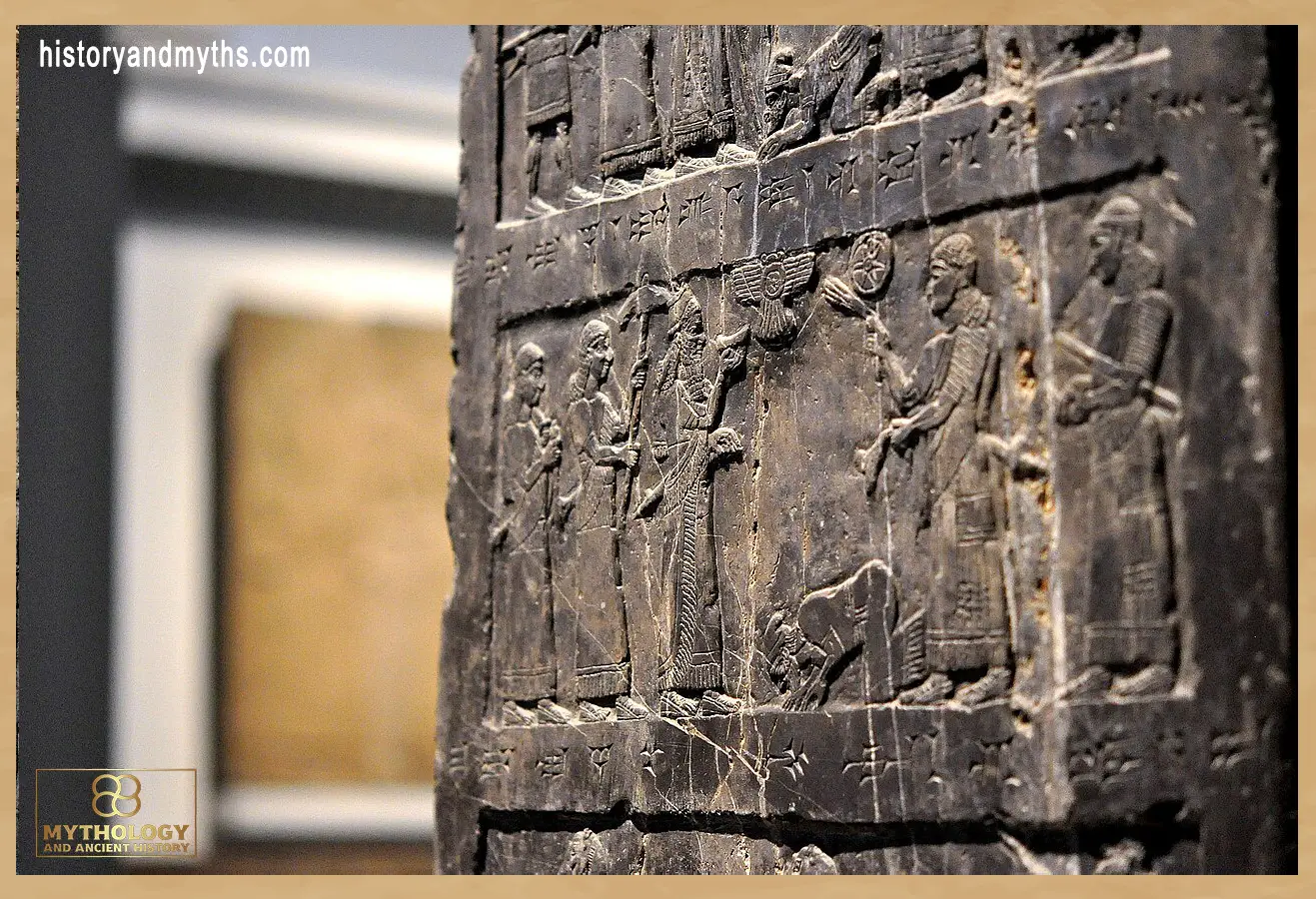
Assyrian control over subject territories was reinforced through a highly formalized system of treaties and diplomatic agreements. These documents were not symbolic gestures. They functioned as legal instruments that defined political hierarchy, economic obligations, and acceptable behavior within the imperial order.
The treaty system reached its most developed form under Ashurbanipal, when diplomatic regulation became fully integrated into imperial administration. Agreements were drafted by royal scribes, deposited in archives, and enforced through religious and political sanctions.
Assyrian treaties imposed unconditional loyalty. Vassal rulers were required to recognize the Assyrian king as their supreme authority, support his military campaigns, and reject alliances with rival powers. Political neutrality was not permitted. Every subordinate state had to choose permanent submission or face destruction.
Religious elements strengthened enforcement. Treaties were sworn before major gods, and violations were framed as sacrilege. Curse formulas threatened rebels with famine, disease, and dynastic extinction. This linked political obedience to divine punishment, increasing psychological pressure on subject rulers.
Diplomatic communication followed strict protocols. Envoys delivered tribute, exchanged gifts, and transmitted royal instructions. Their movements were monitored, and correspondence was archived. Diplomacy was treated as an extension of administration rather than an independent sphere.
Legal enforcement mechanisms were explicit. Treaties authorized Assyrian intervention in cases of disobedience, including military invasion, deportation, and regime replacement. Subordinate rulers understood that agreements were backed by immediate coercive capacity.
Marriage alliances and elite integration complemented formal treaties. Selected foreign princes were educated at the Assyrian court and incorporated into imperial networks. This created personal ties that reinforced institutional dependency.
International relations were therefore asymmetrical. Negotiation existed, but only within limits set by Assyria. Diplomatic flexibility served imperial interests rather than mutual balance.
Through this system, Assyria transformed diplomacy into a tool of governance. Treaties did not regulate relations between equals. They institutionalized subordination and converted political dominance into legally structured control.
This legal-diplomatic framework reduced uncertainty, standardized expectations, and allowed the empire to manage complex political landscapes without continuous warfare. At the same time, it intensified resistance when central authority weakened, as treaty-based loyalty collapsed rapidly in times of crisis.
How Mesopotamian Empires Maintained Control
- Centralized royal authority supported by ideology
- Permanent military infrastructure
- Provincial administration networks
- Standardized tribute and taxation systems
- Diplomatic treaties with enforcement mechanisms
- Religious legitimization of imperial power
© historyandmyths.com — Educational Use
Taxation, Economy, and Imperial Logistics
Imperial control depended not only on military force and legal authority, but on the systematic extraction and redistribution of resources. The Neo-Assyrian Empire developed one of the most organized fiscal systems of the ancient world, designed to finance continuous warfare, administration, and construction.
Taxation operated on multiple levels. Provinces under direct rule paid regular agricultural and monetary taxes, while vassal states delivered fixed tribute. These obligations included grain, livestock, metals, textiles, timber, and skilled labor. Payments were standardized and recorded in royal archives, allowing the center to measure productivity and detect shortfalls.
Collection was supervised by provincial officials and financial inspectors. Local communities were assessed according to land use, population, and production capacity. Failure to meet quotas was interpreted as resistance rather than economic difficulty, often triggering punitive measures.
State storage facilities formed the backbone of redistribution. Granaries, warehouses, and armories were established in major cities and frontier zones. Surpluses were accumulated during stable periods and released to support armies, officials, and large-scale projects. This reduced dependence on local markets and strengthened central control.
Long-distance logistics enabled sustained military operations. Supply routes connected agricultural regions to campaign zones through river transport and road networks. Convoys of pack animals and barges transported food, weapons, and equipment. Campaign planning was therefore linked directly to economic capacity.
Labor taxation supplemented material revenue. Subject populations were required to provide workers for construction, agriculture, and military infrastructure. Deportees were often resettled in strategic areas to maximize productivity and reduce regional resistance.
Trade was regulated rather than suppressed. Merchants operated under royal protection but were subject to tolls, inspections, and state priorities. Strategic commodities such as metals and horses were monitored closely, ensuring that military needs were met first.
Temple and palace economies were integrated into this system. Religious institutions managed large estates and workshops, but their output remained under imperial supervision. Economic autonomy was limited in favor of coordinated production.
This fiscal structure allowed Assyria to sustain permanent armies and extensive administration. However, it also created heavy pressure on subject populations. High extraction levels increased short-term efficiency but reduced long-term resilience, especially during droughts, rebellions, or trade disruption.
Economic centralization thus reinforced imperial power while simultaneously intensifying social and regional tensions. When military protection weakened, fiscal compliance collapsed rapidly, accelerating political disintegration.
Continue Reading
- Akkadian Empire: Rise, Power, and Collapse
- Neo-Assyrian Military System
- Neo-Babylonian Administration
- Vassal States in Mesopotamia
- Ancient Near Eastern Treaties
- Provincial Governors and Local Rule
- Empires of Mesopotamia: How Ancient Rulers Built and Controlled Power
- The Rise of Ashur: Assyrian God of War and Destiny
Deportation, Fear, and Population Management
One of the most distinctive tools of Neo-Assyrian rule was the systematic use of deportation as a method of political control. Unlike earlier practices of mass enslavement or indiscriminate slaughter, Assyrian authorities developed population transfer into a calculated administrative policy.
Defeated communities were frequently removed from their original territories and relocated to distant regions of the empire. These movements were organized by state officials, recorded in royal inscriptions, and coordinated with provincial governors. Deportees were not expelled randomly; they were assigned to areas where their labor and skills could be exploited.
This policy served multiple objectives. First, it weakened resistance by breaking local social networks. Uprooted populations lost traditional leadership structures, religious centers, and territorial attachments. Collective rebellion became more difficult when communities were fragmented.
Second, deportation addressed economic needs. Skilled artisans, farmers, and administrators were redistributed to underdeveloped regions, newly founded cities, and strategic border zones. Labor shortages were filled through forced resettlement, increasing imperial productivity.
Third, population transfers functioned as psychological warfare. Publicized deportations reinforced the consequences of defiance. Communities understood that resistance could result in permanent displacement rather than temporary punishment. Fear became a stabilizing mechanism.
Resettled groups were placed under close supervision. They were registered, taxed, and monitored through local officials. While some degree of cultural autonomy was permitted, political organization remained tightly restricted. Integration was designed to produce compliance rather than assimilation.
At the same time, deportation reduced the influence of traditional elites. Former local leaders were separated from their followers and relocated to environments where they lacked social capital. This prevented the re-emergence of regional power bases.
Despite its effectiveness, this policy carried long-term risks. Forced migration disrupted agricultural systems, strained logistics, and generated resentment. During periods of imperial weakness, displaced populations often became focal points of unrest.
Deportation allowed Assyria to manage diversity and resistance on an unprecedented scale. It transformed demographic engineering into a tool of governance. Yet by relying heavily on coercive resettlement, the empire embedded instability into its own social foundations, contributing to vulnerability during later crises.
Military Power and Territorial Control
Military organization formed the operational backbone of Neo-Assyrian imperial rule. Conquest, administration, and taxation were all dependent on the state’s ability to deploy force rapidly and maintain permanent control over strategic territories. Warfare was not an episodic activity but a continuous institutional function.
Assyrian armies were professionalized and centrally managed. Under rulers such as Tiglath-Pileser III and Sennacherib, recruitment, training, and command structures were standardized. Infantry, cavalry, chariots, engineers, and support units operated within coordinated formations, allowing flexible responses to different terrains and enemies.
Permanent garrisons were established across the empire. Fortified cities and military outposts controlled major roads, river crossings, and border zones. These installations served both defensive and administrative purposes. They secured supply routes, protected tax collection, and enabled rapid intervention against local unrest.
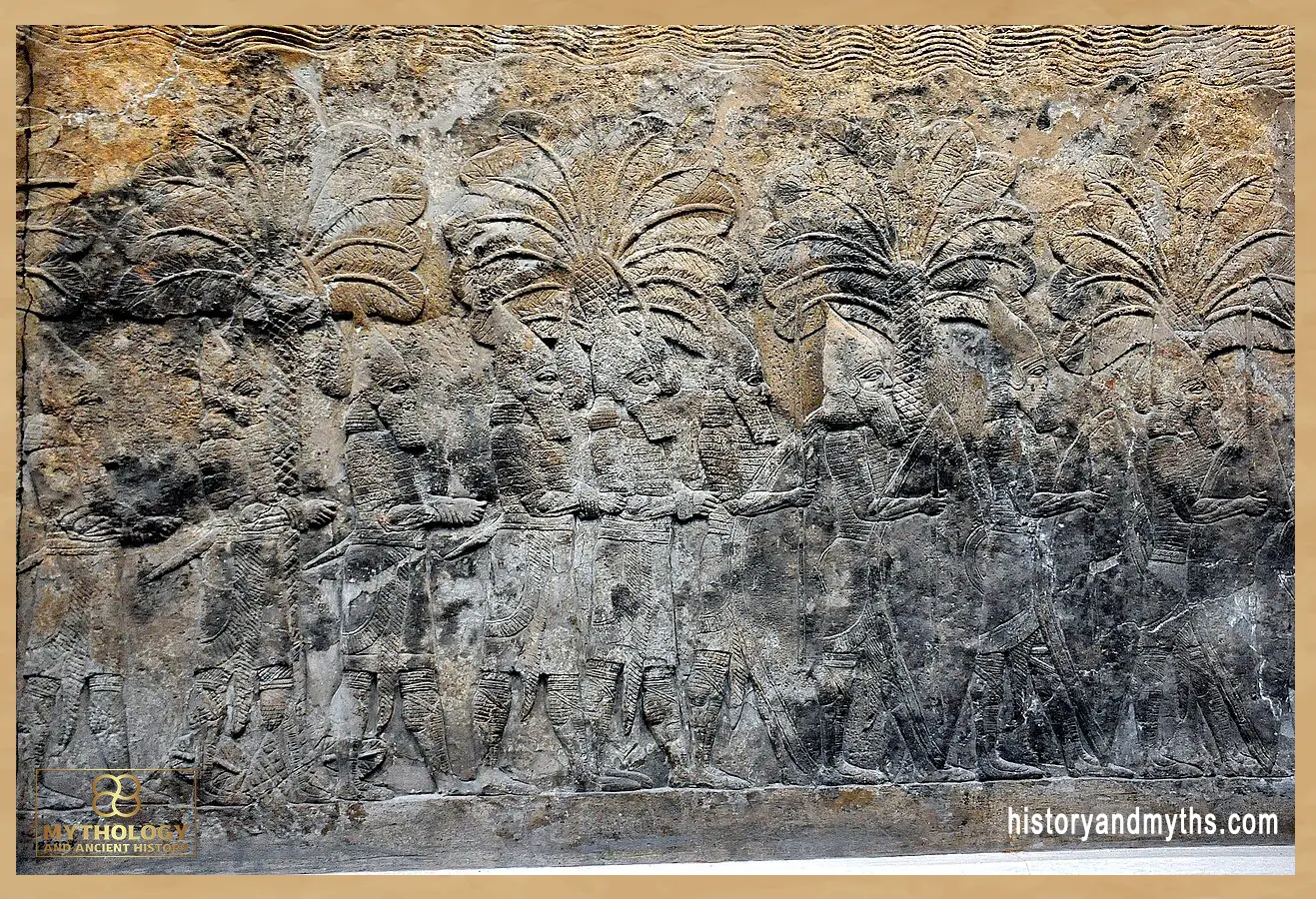
Siege warfare became a defining feature of Assyrian expansion. Specialized engineering units constructed ramps, towers, battering devices, and siege engines. Cities that resisted were systematically isolated and reduced. Successful sieges were followed by deportation, execution of elites, and administrative reorganization, reinforcing the connection between military victory and political restructuring.
Road networks supported territorial control. Royal highways linked major capitals, provincial centers, and frontier zones. These routes facilitated troop movements, supply transport, and communication. Military logistics and administration operated on the same infrastructural framework, integrating warfare into everyday governance.
Border management was equally systematic. Buffer states, fortified zones, and rotating patrols limited external threats. Frontier provinces were often militarized more heavily than interior regions, reflecting their dual role as defensive shields and launching points for further campaigns.
Psychological dominance complemented physical control. Reliefs, inscriptions, and public executions advertised military power. Campaigns were recorded in detail and displayed in royal palaces, transforming violence into political messaging. Territorial authority was reinforced through constant visual reminders of imperial supremacy.
Command accountability was tightly enforced. Officers reported directly to the royal court, and failures were punished severely. This reduced autonomous military power centers and ensured that armed forces remained instruments of central authority rather than independent actors.
Military infrastructure thus extended beyond battlefields. Garrisons, roads, fortresses, and communication systems created a permanent security grid. Territory was not merely conquered; it was continuously monitored, defended, and integrated into imperial operations.
This system allowed Assyria to dominate vast regions for generations. At the same time, it demanded enormous financial and human resources. When economic capacity declined and rebellions multiplied, the maintenance of this military network became increasingly unsustainable, exposing the limits of coercive territorial control.
Limits of Control and Imperial Collapse
Despite its advanced administration and military organization, the Neo-Assyrian Empire remained structurally fragile. Its power depended on continuous expansion, high taxation, and strict coercion. When these mechanisms weakened, the entire system began to unravel.
Overextension was a central problem. Governing vast territories required constant military deployment and heavy financial investment. As campaigns multiplied, resources were stretched thin. Provinces became harder to supervise, and communication delays reduced central responsiveness.
Internal resistance increased during the seventh century BCE. High taxation, forced labor, and deportation policies generated widespread resentment. Revolts erupted in Babylonia, Syria, and Anatolia, forcing the state to fight on multiple fronts simultaneously.
Succession crises further weakened stability. Rival claims within the royal family disrupted administration and divided military loyalty. Political energy was redirected toward internal struggles rather than external control.
Economic stress intensified these pressures. Droughts, declining agricultural output, and disrupted trade reduced state revenues. The centralized fiscal system lacked flexibility, making recovery difficult.
The decisive blow came from coordinated external opposition. In 612 BCE, a coalition of Babylonians and Medes captured Nineveh, followed by the destruction of other major Assyrian centers. Without secure capitals and communication hubs, imperial authority collapsed rapidly.
Assyria’s institutions were designed for dominance, not resilience. They functioned effectively under strong leadership and economic abundance, but they lacked mechanisms for adaptation during prolonged crisis. Once military superiority and fiscal capacity declined, loyalty dissolved and control disintegrated.
The fall of the Neo-Assyrian Empire illustrates the limits of rule based primarily on coercion. Administrative sophistication delayed collapse, but it could not compensate for systemic rigidity and sustained political pressure.
Key Takeaways
- Mesopotamian empires relied on both force and diplomacy.
- Provincial systems ensured long-term stability.
- Treaties functioned as political contracts.
- Tribute sustained imperial economies.
- Ideology reinforced royal legitimacy.
- Administrative specialization increased efficiency.
Frequently Asked Questions
How did Mesopotamian empires control distant regions?
Through provincial governors, military garrisons, and tribute systems.
Were treaties legally binding?
Yes, they were reinforced by religious oaths and military sanctions.
Did vassal states retain autonomy?
Limited autonomy under imperial supervision.
What role did religion play?
It legitimized kingship and imperial authority.
How were taxes collected?
Via local administrators reporting to the central government.
Why did some empires collapse?
Overextension, rebellion, and economic strain.
Was diplomacy more important than warfare?
Both functioned together as tools of control.
Sources & Rights
- Algaze, Guillermo. Ancient Mesopotamia at the Dawn of Civilization. Chicago: University of Chicago Press, 2008.
- Brinkman, J. A. A Political History of Post-Kassite Babylonia. Rome: Pontificium Institutum Biblicum, 1968.
- Charpin, Dominique. Writing, Law, and Kingship in Old Babylonian Mesopotamia. Chicago: University of Chicago Press, 2010.
- Dalley, Stephanie. Myths from Mesopotamia. Oxford: Oxford University Press, 2008.
- Fales, Frederick. Assyrian Royal Inscriptions. Rome: ISMEO, 1981.
- Foster, Benjamin. Before the Muses. Bethesda: CDL Press, 2005.
- Frame, Grant. Babylonia 689–627 BC. Leiden: Brill, 1992.
- Grayson, A. K. Assyrian Rulers of the Early First Millennium BC. Toronto: University of Toronto Press, 1991.
- Holloway, Steven. Assur Is King. Leiden: Brill, 2002.
- Joannès, Francis. Dictionary of Ancient Mesopotamia. London: British Museum Press, 2001.
- Kuhrt, Amélie. The Ancient Near East. London: Routledge, 1995.
- Liverani, Mario. International Relations in the Ancient Near East. New York: Palgrave, 2001.
- Oates, Joan. Babylon. London: Thames & Hudson, 1986.
- Postgate, J. N. Early Mesopotamia. London: Routledge, 1992.
- Radner, Karen. State Correspondence in the Assyrian Empire. Helsinki: Neo-Assyrian Text Corpus Project, 2002.
- Roaf, Michael. Cultural Atlas of Mesopotamia. Oxford: Andromeda, 1990.
- Saggs, H. W. F. The Might That Was Assyria. London: Sidgwick & Jackson, 1984.
- Van De Mieroop, Marc. A History of the Ancient Near East. Oxford: Blackwell, 2016.
- Weissbach, Franz. Die Keilinschriften der Achämeniden. Leipzig: Hinrichs, 1911.
- Westenholz, Aage. Legends of the Kings of Akkade. Winona Lake: Eisenbrauns, 1997.
- Yoffee, Norman. Myths of the Archaic State. Cambridge: Cambridge University Press, 2005.
- Zaccagnini, Carlo. The Political Economy of the Hittite Empire. Rome: Sapienza, 1987.
Written by H. Moses — All rights reserved © Mythology and History