Prisoners of War in Ancient Mesopotamia: Captivity, Deportation, Power
In Mesopotamian warfare, capture did not mean survival. Prisoners of war were not held for exchange, nor protected by any formal legal code. Once defeated, individuals and entire communities were absorbed into state systems that treated human captives as labor, population reserves, and instruments of political control.
Some prisoners were executed to reinforce royal authority. Others were deported across hundreds of kilometers and resettled in unfamiliar regions. Many were assigned to construction projects, canal maintenance, agricultural estates, or palace service. These outcomes were not random. They followed administrative policies that evolved from early Sumerian city-states to the centralized empires of Assyria and Babylon.
This study examines how captivity functioned inside Mesopotamian power structures. It traces what happened to prisoners after battle, how authorities classified and redistributed them, how legal and economic systems shaped their status, and how mass deportation transformed imperial societies. Rather than focusing on isolated acts of violence, the article analyzes captivity as a long-term strategy of governance in the ancient Near East.
| Empire | Main Policy Toward Captives | Primary Function | Long-Term Impact |
|---|---|---|---|
| Sumerian City-States | Enslavement and local integration | Agricultural and domestic labor | Local demographic change |
| Old Babylonian | Institutional slavery and resettlement | Economic expansion | Urban growth |
| Neo-Assyrian | Mass deportation | Political control | Multi-ethnic empire |
| Neo-Babylonian | Selective resettlement | Administrative stability | Cultural integration |
What Happened to Prisoners of War in Mesopotamia?
In Mesopotamian societies, captivity was not treated as a temporary military condition. It was a change in legal and social status imposed by the victorious state. Once an individual or community was defeated, control over their bodies, labor, and movement passed to political authorities. From that moment, their future depended less on battlefield circumstances and more on administrative decisions.
Unlike modern systems that separate military detention from civilian life, Mesopotamian captivity operated within broader frameworks of slavery, dependency, and population management. Prisoners were evaluated, classified, and reassigned according to imperial needs. Survival did not imply freedom. It implied usefulness.
Defining “POWs” in an Ancient Context
The modern concept of a “prisoner of war” assumes legal protection, regulated treatment, and eventual release. None of these principles existed in Mesopotamian warfare. Ancient sources do not describe a distinct legal category equivalent to contemporary POW status.
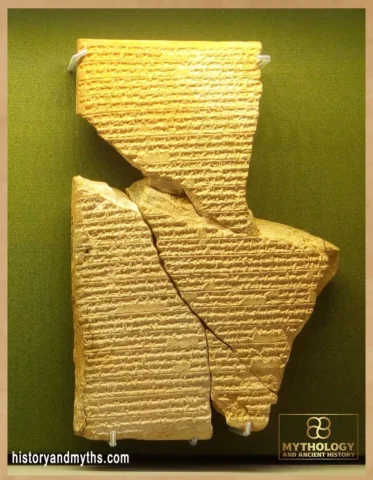
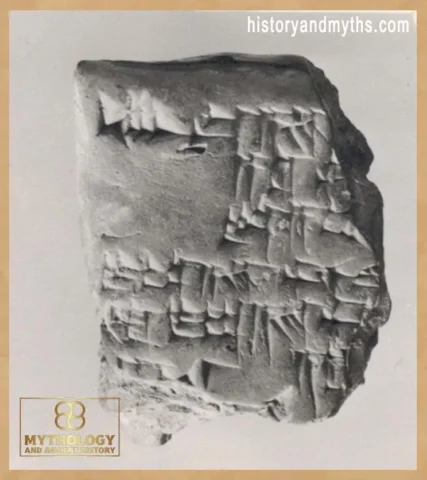
Instead, captives were recorded under broader terms that overlapped with slavery, forced labor, and dependent populations. Administrative tablets, royal inscriptions, and economic records show that defeated individuals were absorbed into state-controlled labor systems.
- Soldiers, civilians, and specialists were rarely separated legally after capture.
- Status depended more on utility than on military rank.
- Skilled workers were often preserved and reassigned.
- Unskilled captives were directed toward large-scale labor projects.
- Entire families could be classified as dependent populations.
Captivity, therefore, functioned as a mechanism for reallocating human resources rather than managing detainees.
War, Captivity, and State Authority
Control over prisoners reinforced state power at multiple levels. It demonstrated military dominance, supplied labor, and weakened hostile regions simultaneously. Captivity was not a side effect of war. It was one of its central objectives.
Imperial administrations treated prisoners as assets subject to bureaucratic oversight. Records indicate that captives were counted, transported, registered, and redistributed through provincial systems. This process required coordination between military commanders, local governors, and central authorities.
- Military units delivered captives to regional centers.
- Officials supervised redistribution.
- Labor administrators assigned work roles.
- Palace institutions absorbed selected individuals.
Through this structure, conquest was transformed into long-term control.
Captivity also functioned as a warning. The visible absorption of defeated populations into dependent status discouraged rebellion and reinforced perceptions of imperial inevitability. The fate of prisoners became part of political messaging.
In Mesopotamia, authority was not maintained solely through violence. It was maintained through systems that converted defeat into lasting administrative subordination.
Capture and Initial Treatment of Prisoners
The treatment of prisoners in Mesopotamian warfare began long before any administrative decision was made. It started on the battlefield itself, where defeat immediately transformed combatants and civilians into controlled bodies. Capture was not a secondary event following victory; it was an expected and organized outcome of military campaigns.
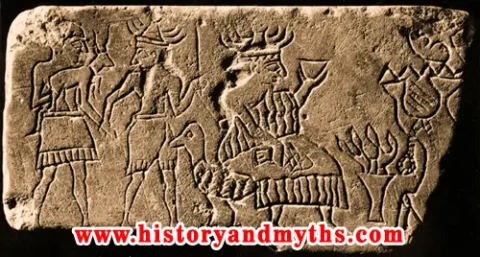
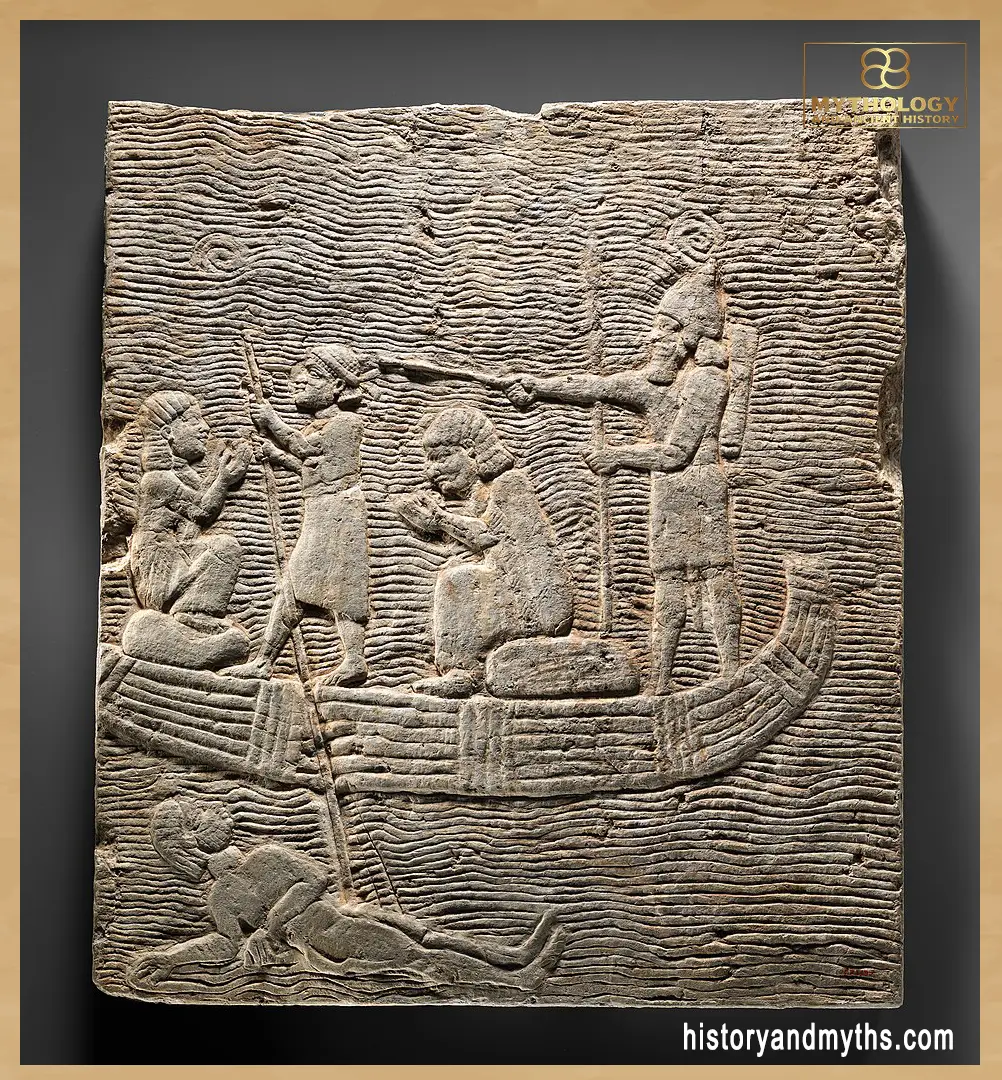
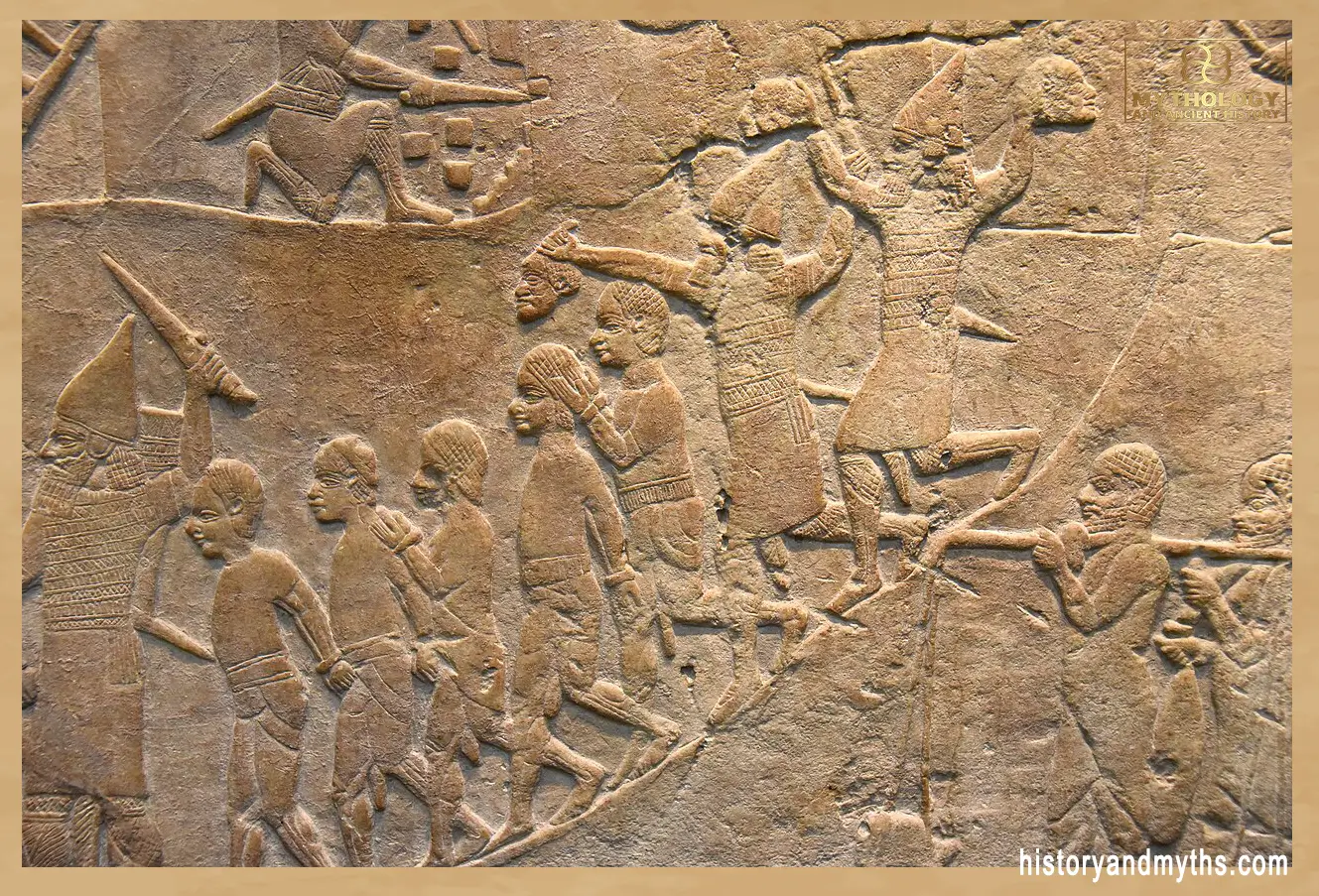
Reliefs, inscriptions, and narrative texts indicate that prisoners were usually restrained at the point of capture. Binding the hands, attaching neck yokes, or linking captives in groups served both practical and symbolic purposes. Physical restraint prevented escape, while public visibility reinforced the authority of the victors. Captives were often displayed during marches or triumphal returns, turning individual defeat into collective political spectacle.
Once secured, prisoners were separated according to basic functional categories. Able-bodied men were typically grouped for labor or military-related service. Skilled workers, artisans, and scribes were identified and protected from immediate harm. Women, children, and elderly captives were usually incorporated into dependent households or institutional settings. This process was not standardized by law, but it followed recognizable administrative logic.
Transportation formed the next critical stage. Captives were moved from battlefield zones to regional centers, provincial capitals, or imperial cores. These journeys could last weeks or months and were often physically destructive. Mortality during transport was common, especially among civilians and weakened soldiers. Nevertheless, state authorities invested in moving prisoners because their long-term value outweighed short-term losses.
During this initial phase, prisoners were not yet fully integrated into labor systems. They existed in a transitional state, controlled but not permanently assigned. Temporary holding areas, military camps, and administrative compounds functioned as processing centers where individuals were counted, registered, and redistributed.
Early treatment also reflected political context. In campaigns aimed at intimidation, harsh public handling emphasized dominance. In economically motivated expansions, captives were preserved more carefully. Violence and restraint were therefore applied selectively rather than indiscriminately.
By the time prisoners reached administrative authorities, their identities had already been reshaped. They were no longer members of independent communities. They had become units of labor, relocation, or political leverage within imperial systems. The foundations of long-term dependency were laid at the moment of capture.
Execution, Enslavement, or Deportation?
After capture and initial processing, Mesopotamian authorities faced a central strategic decision: how should defeated populations be converted into long-term political and economic advantage. The fate of prisoners was not determined primarily by emotion or revenge. It was shaped by calculations of control, labor demand, and regional stability.
Public execution represented the most visible outcome of defeat, especially in Assyrian royal inscriptions and reliefs. These scenes emphasized impalement, beheading, and mass killings. Their purpose, however, was largely symbolic. They were designed to project terror, discourage rebellion, and demonstrate divine support for royal power. Archaeological and administrative evidence suggests that large-scale systematic killing was exceptional rather than routine, because it destroyed potential labor and tax resources.
Enslavement formed the most common institutional outcome for individual captives. Prisoners were incorporated into households, temple estates, and royal workshops as dependent workers. Unlike later chattel slavery systems, Mesopotamian enslavement often existed on a spectrum. Some captives remained permanently bound, while others gradually entered semi-free statuses through marriage, service, or contractual arrangements.
Forced labor operated alongside formal slavery. Many prisoners were assigned to state-controlled projects without being legally classified as private property. Canal excavation, wall construction, road maintenance, and agricultural expansion relied heavily on this coerced workforce. These laborers remained under administrative supervision and could be transferred between institutions as state priorities shifted.
Deportation represented the most sophisticated and far-reaching policy. Instead of concentrating captives in one location, imperial governments relocated entire populations across provinces. Farmers were sent to underpopulated regions. Artisans were transferred to capital cities. Skilled specialists were placed near royal projects. This redistribution weakened local identities and prevented coordinated resistance.
The choice between execution, enslavement, and deportation depended on political context. Rebellious elites were more likely to be eliminated. Economically valuable populations were preserved. Strategically sensitive regions were emptied and resettled. Violence, exploitation, and relocation were therefore integrated components of a unified control system rather than isolated practices.
Through these mechanisms, military victory was transformed into administrative domination. Defeat did not end with the battlefield. It continued through institutions that reshaped human lives according to imperial design.
How Mesopotamian States Managed Prisoners
- Captives were classified according to labor value.
- Skilled workers were preserved and relocated.
- Large populations were deported strategically.
- Administrative records regulated redistribution.
- Economic integration replaced short-term punishment.
- Population control reinforced imperial stability.
© historyandmyths.com — Educational use
The Assyrian Deportation System
Among all Mesopotamian powers, the Neo-Assyrian Empire developed the most systematic and institutionalized approach to managing war captives. Deportation under Assyrian rule was not an improvised response to rebellion. It was a carefully planned administrative strategy designed to restructure populations and stabilize imperial control.
Assyrian royal records describe large-scale population transfers following military campaigns. Entire communities were removed from their original territories and relocated to distant provinces. These movements were organized by state officials, supplied through imperial logistics, and recorded in administrative archives. Deportation functioned as a tool of governance rather than a temporary punitive measure.
The primary objective was political fragmentation. By dispersing conquered populations across different regions, Assyrian authorities weakened local identities and prevented the re-emergence of unified resistance. Communities that had once shared language, leadership, and territorial attachment were deliberately broken apart and redistributed among foreign environments.
At the same time, deportation served economic and infrastructural goals. Skilled artisans, metalworkers, builders, and administrators were transferred to major cities such as Nineveh and Assur. Agricultural populations were settled in underdeveloped regions to expand food production. Labor shortages created by military mobilization were filled through forced resettlement.
These relocations were closely supervised. Provincial governors received quotas of deportees and were responsible for their accommodation, employment, and surveillance. Records indicate that deported populations were assigned land, tools, and work obligations under state oversight. While they lacked political autonomy, they were expected to contribute productively to imperial systems.
Deportation also functioned as psychological control. The visible removal of defeated populations reinforced the consequences of rebellion. It demonstrated that resistance would result not only in military defeat, but in permanent social dislocation. Families, traditions, and local power structures could be dismantled within a single campaign.
Despite its coercive nature, the system was not purely destructive. Over time, deported groups formed new communities, intermarried with local populations, and contributed to cultural exchange within the empire. Multilingual urban centers and diverse craft traditions emerged partly as a result of these forced movements.
The Assyrian deportation system represents one of the earliest known examples of state-directed demographic engineering. It transformed warfare into a mechanism for reshaping societies, not merely conquering territory. Through controlled population transfer, the Assyrian state converted military victory into long-term imperial stability.
Prisoners as Economic Resources
In Mesopotamia, the long-term value of prisoners lay less in punishment and more in productivity. Captives were absorbed into economic systems that depended heavily on organized labor. Military expansion and infrastructure growth were closely linked, and prisoners helped bridge that gap.
Large construction projects required sustained manpower. City walls, canals, irrigation networks, temples, and palaces were not built by seasonal volunteers alone. War captives supplemented local labor forces, especially after campaigns that expanded imperial territory. Their work reinforced the very power structures that had defeated them.
Agriculture formed another central sphere of integration. Irrigated farming in the alluvial plains demanded continuous maintenance. Canals had to be dredged, embankments repaired, and fields cultivated. Deportees and enslaved prisoners were often settled in rural zones where food production was essential to sustaining armies and urban populations.
Skilled captives were treated differently from untrained laborers. Artisans, metalworkers, scribes, and engineers represented transferable expertise. Instead of being executed, they were relocated to centers where their abilities could support royal workshops or state industries. Imperial capitals benefited directly from this concentration of talent.
Households and temples also absorbed prisoners into domestic and institutional service. In these contexts, captives entered layered systems of dependency. Some remained permanently bound. Others, over time, acquired limited economic roles or integrated into local communities through marriage and service.
The economic logic behind captivity was clear. Executed enemies provided short-term intimidation. Working captives generated long-term wealth. By converting defeat into labor capacity, Mesopotamian states extended the impact of military campaigns far beyond the battlefield.
Legal and Social Status of War Captives
In Mesopotamian societies, war captives occupied a legally ambiguous position. They were neither protected detainees nor fully autonomous individuals. Their status depended on institutional classification rather than universal legal principles. Law codes, contracts, and administrative records reveal that captivity functioned within broader systems of dependency and controlled labor.
Major legal texts, including the Code of Hammurabi, do not define a specific category for prisoners of war. Instead, captives appear indirectly through regulations concerning slaves, dependents, and displaced persons. Once incorporated into these categories, former prisoners were governed by existing property and labor laws.
Enslaved captives could be bought, sold, inherited, or transferred between institutions. However, their position differed from later forms of permanent chattel slavery. Some prisoners gradually moved into semi-free status through long-term service, manumission, or integration into households. Legal documents record cases in which dependent workers accumulated property, entered contracts, or formed recognized families.
Deported populations followed a different legal pathway. They were usually settled on state-controlled land under administrative supervision. While not privately owned, they remained politically restricted and subject to labor obligations. Their mobility and economic choices were limited by imperial oversight.
Family status played a crucial role in shaping long-term outcomes. Children born to captives could inherit dependent status, but they were not always permanently excluded from local society. Over generations, many deported and enslaved groups merged into urban and rural communities, blurring legal boundaries.
The absence of a unified legal framework for prisoners allowed Mesopotamian authorities to adjust policies according to political and economic priorities. Law did not constrain captivity. It facilitated its integration into state systems. Through flexible classification, empires converted defeated populations into manageable social categories rather than temporary military burdens.
Propaganda, Violence, and Historical Reality
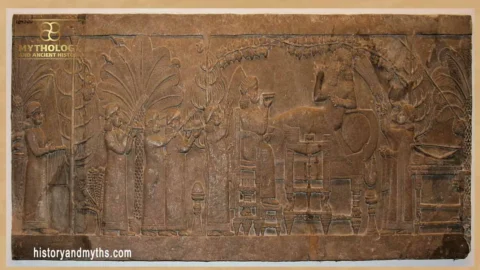
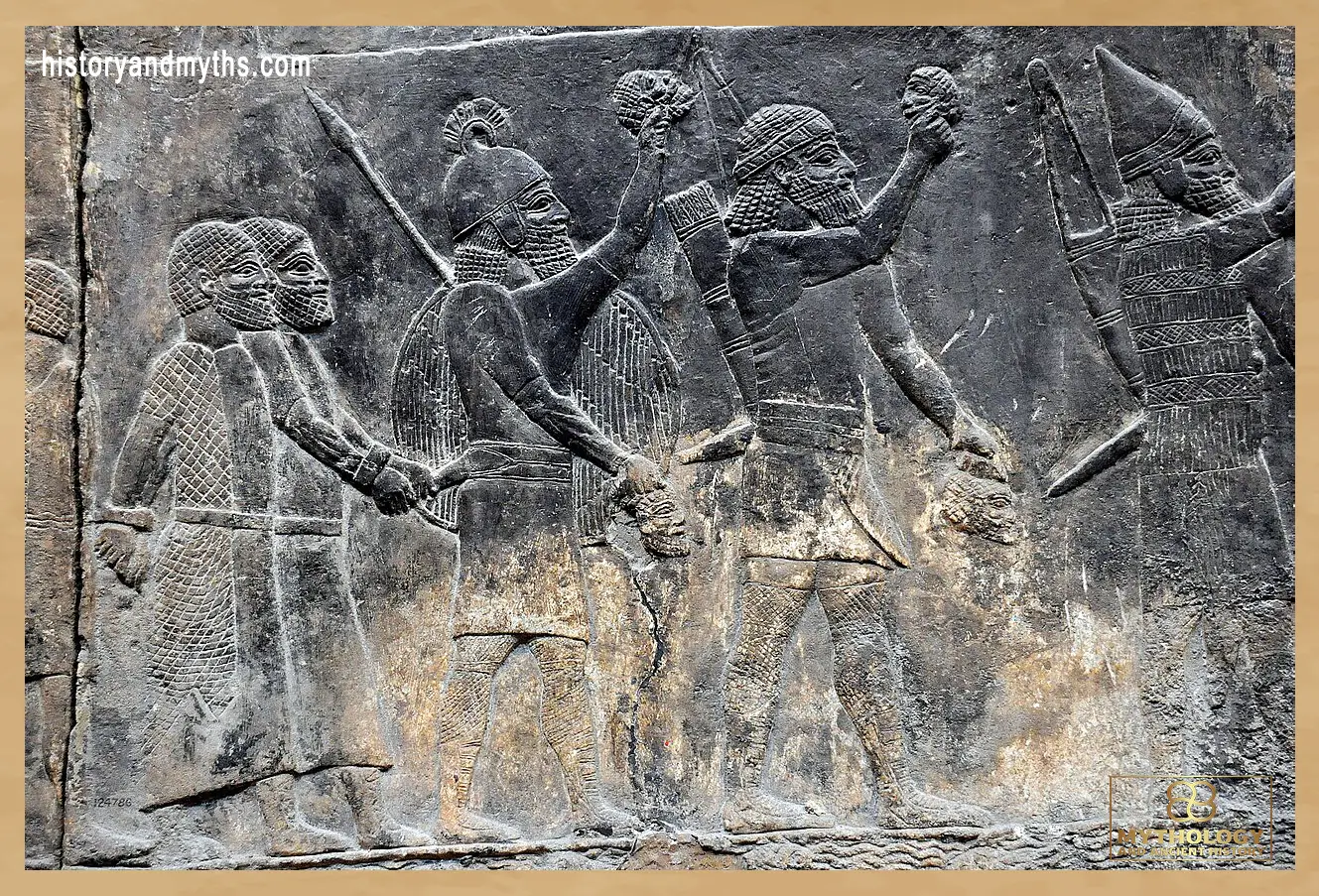
Much of what modern readers know about Mesopotamian treatment of prisoners comes from royal inscriptions and reliefs, especially from the Neo-Assyrian period. These sources depict extreme brutality: impalement, flaying, mass executions, and public humiliation. The imagery is deliberate, theatrical, and repetitive. It was designed to communicate power.
Royal narratives were not neutral records. They were political statements carved into stone to intimidate enemies and reassure domestic audiences. Violence in these texts functions symbolically. It presents the king as the agent of divine justice, crushing rebellion and restoring order. The spectacle of punishment reinforced the inevitability of imperial rule.
Administrative archives tell a more complex story. While executions certainly occurred, surviving economic tablets and settlement records reveal large numbers of captives being registered, redistributed, and employed. These documents focus on logistics: numbers of deportees, allocation of land, rations, and work assignments. The tone shifts from theatrical violence to bureaucratic management.
This contrast suggests that public imagery amplified the most dramatic outcomes of war, while everyday governance relied on structured integration. States that depended on labor could not afford to eliminate every captive population. Control required administration more than destruction.
Violence and utility were therefore not mutually exclusive. Harsh punishment was selectively applied to rebellious elites or symbolic targets. Broader populations were preserved for economic and strategic purposes. The difference between propaganda and routine practice reflects two complementary faces of imperial authority: fear and organization.
Understanding this distinction is essential. Without it, Mesopotamian captivity appears as unrestrained cruelty. With it, captivity emerges as a calculated system embedded within political structures and economic planning.
Long-Term Demographic and Cultural Impact
The large-scale movement of prisoners and deported populations reshaped Mesopotamian society over centuries. Warfare did not merely change political borders. It redistributed people, skills, and traditions across imperial space, producing long-term demographic transformation.
Repeated deportation campaigns created multi-ethnic urban centers. Cities such as Nineveh, Babylon, and Assur became populated by communities originating from different linguistic, religious, and regional backgrounds. Administrative texts indicate the coexistence of diverse groups working within shared institutional frameworks. Over time, this diversity became a structural feature of imperial life rather than a temporary consequence of conquest.
Cultural exchange followed forced movement. Deportees introduced agricultural practices, craft techniques, religious customs, and linguistic elements into new environments. While integration was rarely voluntary, it contributed to the diffusion of knowledge and hybrid traditions. Imperial capitals, in particular, benefited from this concentration of expertise.
Population redistribution also altered rural landscapes. Relocated farmers transformed underdeveloped regions into productive zones. New irrigation systems and settlement patterns emerged under state supervision. These changes strengthened imperial economies but often disrupted traditional social networks.
At the same time, long-term displacement weakened local identities in conquered regions. The removal of elites, artisans, and laborers fragmented communal structures. Political memory and resistance traditions were harder to sustain when populations were dispersed.
Through these mechanisms, captivity became a driver of social engineering. Mesopotamian empires did not merely rule territories. They reorganized human geography. Prisoners and deportees were central to this process, shaping patterns of urbanization, labor distribution, and cultural interaction that persisted long after individual campaigns ended.
How Ancient POW Systems Differ from Modern Warfare
Modern concepts of prisoners of war are shaped by international law, humanitarian conventions, and institutional oversight. Detention is theoretically temporary, regulated, and separated from economic exploitation. None of these principles governed warfare in ancient Mesopotamia.
Mesopotamian captivity operated within systems of conquest and administration rather than legal restraint. Prisoners were not protected subjects of negotiation. They were resources to be redistributed, relocated, or absorbed into dependent labor structures. Release, exchange, or repatriation was rare and depended on exceptional political circumstances.
There was no distinction between military and civilian captives in legal terms. Entire communities could be displaced following defeat. Women, children, and non-combatants were integrated into the same systems of control as soldiers. Warfare targeted populations as much as armies.
Moral frameworks also differed. Mesopotamian rulers presented conquest and captivity as expressions of divine order. Victory justified domination. Suffering was interpreted as evidence of cosmic legitimacy rather than injustice. This worldview limited internal constraints on the treatment of prisoners.
Despite these differences, Mesopotamian systems were not chaotic. They followed institutional logic, administrative routines, and long-term planning. Captivity was regulated by state interests rather than humanitarian principles.
Understanding this contrast clarifies why ancient captivity cannot be evaluated using modern legal standards. It reflects a political culture in which warfare, labor, and governance were inseparable components of imperial power.
Key Takeaways
- Mesopotamian prisoners were managed as state resources.
- Deportation replaced execution as a dominant policy.
- Captivity strengthened imperial economies.
- Legal systems absorbed captives into dependency structures.
- Royal propaganda exaggerated violence.
- Population transfer reshaped ancient societies.
Frequently Asked Questions
Were prisoners of war protected in Mesopotamia?
No. There was no formal legal protection comparable to modern conventions.
What usually happened to captives?
Most were enslaved, deported, or integrated into labor systems.
Did Assyria systematically deport populations?
Yes. Deportation was a central imperial policy.
Could prisoners gain freedom?
Some achieved partial integration over generations.
Why did empires prefer deportation?
It weakened resistance and strengthened economic control.
Were civilians treated differently from soldiers?
Legally, there was little distinction.
Sources & Rights
- Adams, Robert McC. Heartland of Cities. Chicago: University of Chicago Press.
- Crawford, Harriet. Sumer and the Sumerians. Cambridge: Cambridge University Press.
- Fales, Frederick Mario. Assyrian Royal Inscriptions. Rome: Istituto per l’Oriente.
- George, Andrew. The Epic of Gilgamesh. London: Penguin.
- Kuhrt, Amélie. The Ancient Near East. London: Routledge.
- Liverani, Mario. The Ancient Near East: History, Society and Economy. London: Routledge.
- Matthews, Roger. The Archaeology of Mesopotamia. London: Routledge.
- Oates, Joan. Babylon. London: Thames & Hudson.
- Oppenheim, A. Leo. Ancient Mesopotamia. Chicago: University of Chicago Press.
- Postgate, J. N. Early Mesopotamia. London: Routledge.
- Radner, Karen. Ancient Assyria. Oxford: Oxford University Press.
- Rollinger, Robert, ed. Assyrian Imperial Policy. Vienna: Austrian Academy.
- Van De Mieroop, Marc. A History of the Ancient Near East. Oxford: Blackwell.
- Winter, Irene J. On Art in the Ancient Near East. Leiden: Brill.
Written by H. Moses — All rights reserved © Mythology and History