Ancient Treaties in Mesopotamia: How Empires Enforced Power
In ancient Mesopotamia, treaties were not simple diplomatic agreements. They were binding political instruments that combined law, religion, and coercion into a single system of control. Through written oaths, divine witnesses, and severe curses, empires transformed political loyalty into a sacred obligation. Assyrian and Babylonian rulers used treaties to regulate vassal states, manage alliances, and stabilize imperial frontiers without constant warfare. These documents defined authority, enforced obedience, and structured power relations across the Near East. Understanding how Mesopotamian treaties functioned reveals how early empires governed through legal ritual rather than permanent occupation.
What Were Treaties in Ancient Mesopotamia?
Treaties in ancient Mesopotamia were formal agreements between political authorities—kings, rulers, or city-states—designed to regulate relations of alliance, submission, or cooperation. Unlike informal promises, these agreements were written, sworn before gods, and preserved in archives. A treaty did not merely express goodwill; it established binding obligations that structured power.
More Than Diplomacy
Modern readers often imagine treaties as negotiated compromises between equals. In Mesopotamia, this was rarely the case. Most surviving examples reflect asymmetrical relationships. Stronger states—especially Assyria—imposed loyalty treaties on weaker rulers. These agreements defined tribute payments, military support, succession obligations, and restrictions on independent diplomacy.
Even when treaties appeared mutual, hierarchy was embedded in their language. The dominant king identified himself with extensive royal titles, while the subordinate ruler was framed as loyal servant or protected ally. The wording reinforced political reality.
Written, Witnessed, and Archived
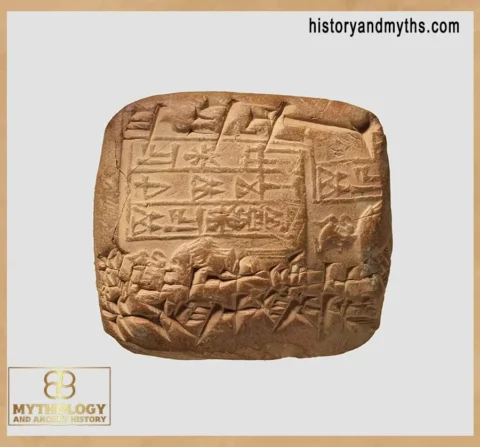
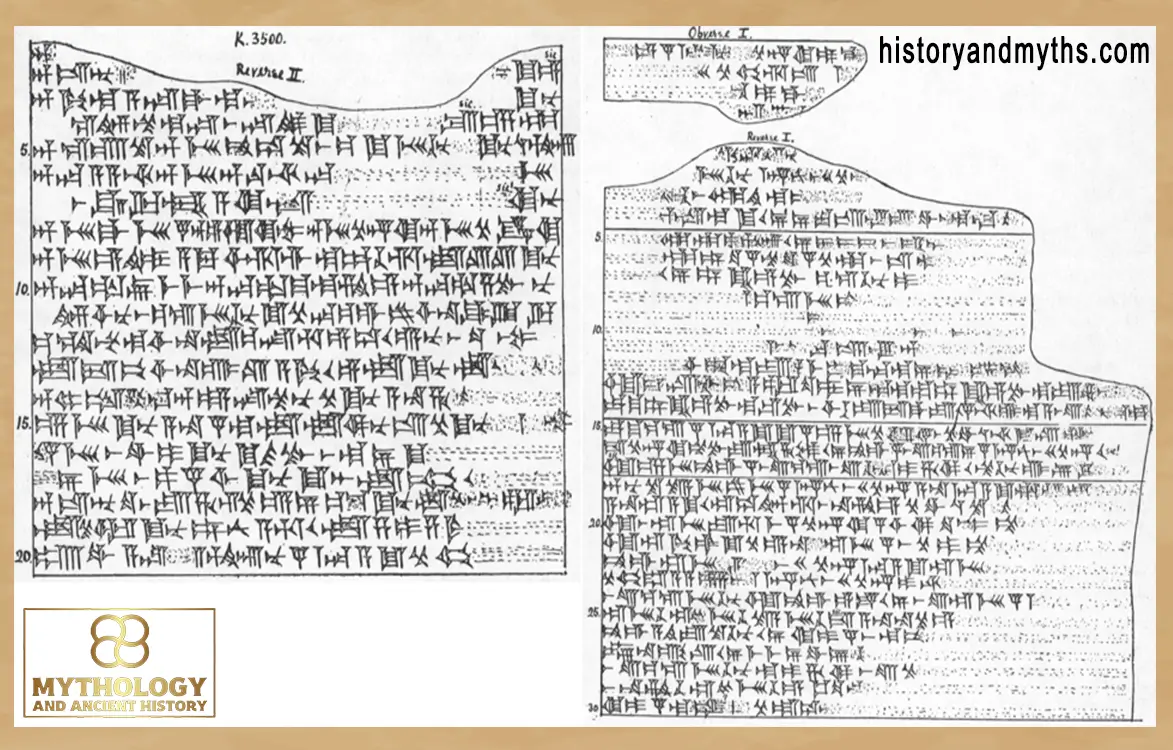
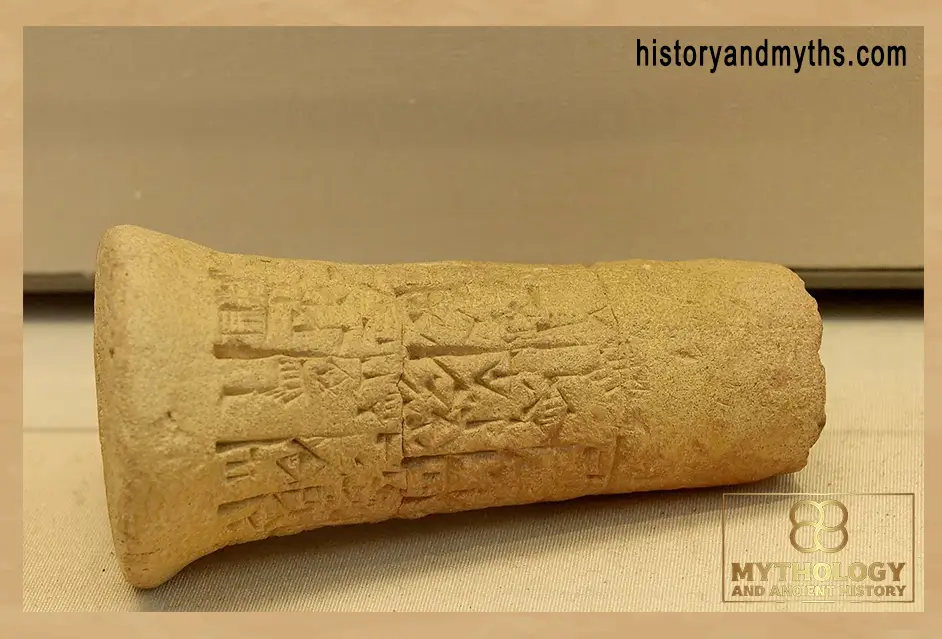
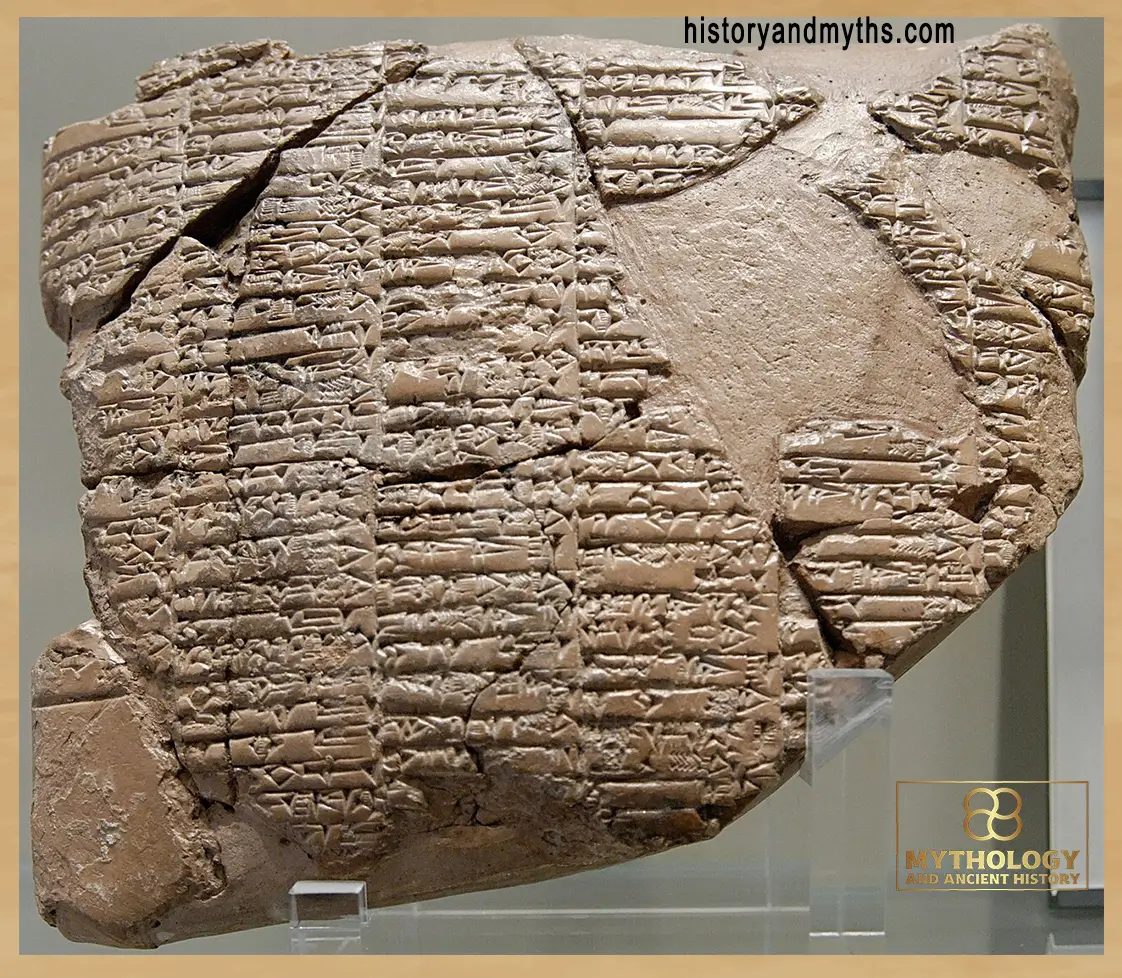
Mesopotamian treaties were inscribed on clay tablets in cuneiform script. They followed structured formats that included:
- Identification of the ruling king
- Statement of obligations
- Invocation of divine witnesses
- Lists of curses for violation
These documents were stored in temple or palace archives. Preservation was not symbolic—it ensured enforceability. A written treaty could be consulted, copied, and invoked in disputes.
Oaths and Sacred Authority
The binding force of a treaty did not rest solely on political power. It was reinforced by oath-taking rituals. Parties swore loyalty before major deities, invoking divine punishment if they failed to comply. Breaking a treaty was therefore both political rebellion and religious transgression.
This fusion of law and religion transformed treaties into instruments of moral coercion. Divine surveillance extended imperial control beyond military reach.
Categories of Treaties
Mesopotamian treaties typically fell into three functional types:
- Vassal Treaties – imposed by empires on subordinate rulers to guarantee loyalty.
- Parity Treaties – agreements between relatively equal powers, often regulating borders or trade.
- Succession Treaties – binding elites to recognize a designated heir.
The Assyrian loyalty treaties of Esarhaddon represent the most elaborate surviving examples of the vassal model. Babylonian agreements, while less overtly coercive, followed similar structural principles.
In practical terms, a treaty was a political technology. It translated military dominance into legal order, making submission appear contractual rather than purely coercive. Through treaties, Mesopotamian empires stabilized hierarchy and extended control without continuous force.
| Aspect | Assyrian Treaties | Babylonian Treaties |
|---|---|---|
| Primary Purpose | Enforce absolute loyalty | Maintain cooperative stability |
| Enforcement Method | Surveillance and intimidation | Religious legitimacy |
| Role of Elites | Controlled through collective oaths | Integrated through negotiation |
| Religious Role | Fear-based divine punishment | Temple-centered mediation |
| Stability Model | Coercive centralization | Elite consensus |
Why Empires Relied on Treaties
Mesopotamian empires relied on treaties because military conquest alone could not sustain long-term control. Occupation was costly, rebellions were frequent, and distance weakened authority. Treaties transformed unstable victory into structured dependency. They converted force into obligation.
Stabilizing Conquest Without Permanent War
After a successful campaign, an empire faced a choice: annex the territory or regulate it indirectly. Direct rule required garrisons, administrators, and logistical investment. Treaties offered an alternative. By binding a defeated ruler through oath and obligation, the empire secured compliance without constant military presence.
This reduced operational strain. The imperial center could redirect armies elsewhere while maintaining nominal control over subdued regions.
Institutionalizing Loyalty
Loyalty in ancient politics was fragile. Personal allegiance could dissolve with the death of a king. Treaties formalized loyalty beyond individual charisma. Written agreements, sealed and witnessed by gods, extended obligations across generations.
Succession treaties were particularly important. By forcing elites to swear allegiance to a designated heir, rulers attempted to prevent civil war and opportunistic rebellion.
Managing Peripheral Regions
Frontier territories were unstable zones exposed to rival powers. Treaties allowed empires to establish buffer states without absorbing them fully. Subordinate rulers became guardians of imperial borders, obligated to resist external alliances and report threats.
This decentralized security model expanded influence without expanding administrative burdens.
Legitimizing Hierarchy
Treaties framed subordination as lawful order rather than raw domination. By presenting obligations as mutually sworn commitments, imperial powers gave political hierarchy a legal appearance. Even coercive treaties adopted formal language of agreement.
The invocation of divine witnesses strengthened this legitimacy. Obedience was no longer merely fear of the king—it was fear of divine punishment.
Regulating Elite Behavior
Empires understood that stability depended on local elites. Treaties targeted these elites directly. Oaths were often sworn not only by rulers but by nobles and officials. This widened accountability and reduced the chance of coordinated defection.
By embedding obligations within ruling classes, treaties extended control into the internal political structure of dependent states.
In sum, treaties were tools of imperial governance. They lowered military costs, secured succession, protected borders, and institutionalized subordination. Without them, empires would have relied solely on force. With them, they created systems of rule that outlasted campaigns and individual kings.
Structure of Mesopotamian Treaties
Mesopotamian treaties followed highly standardized formats. Their structure was not decorative. Each section served a political function, guiding how authority was defined, enforced, and remembered. By organizing power into written sequences, empires transformed domination into legal order.
Opening Formula and Royal Identification
Treaties began with formal identification of the dominant ruler. This section listed royal titles, divine favor, territorial claims, and military achievements. The purpose was not informational but hierarchical. It established superiority before any obligations were introduced.
Subordinate rulers were named afterward, often without elaborate titles. This imbalance in presentation reinforced unequal status from the first lines of the document.
Historical Prologue
Many treaties included a summary of past relations. This section emphasized imperial protection, military assistance, or past victories. It framed dependency as justified and beneficial.
By narrating history selectively, the dominant power legitimized current authority and discouraged reinterpretation of political events.
Statement of Obligations
The core of the treaty specified duties. These typically included:
- Payment of regular tribute
- Military assistance
- Prohibition of independent diplomacy
- Recognition of imperial succession
- Reporting of conspiracies
Obligations were detailed and explicit. Ambiguity was avoided to limit interpretive resistance.
Invocation of Divine Witnesses
Treaties called upon major deities to witness the agreement. Gods from both imperial and local pantheons were listed to maximize religious pressure. This universalized accountability.
Divine witnesses transformed political contracts into sacred commitments. Violation became sacrilege rather than mere disobedience.
Curses and Sanctions
The most extensive sections were often curse formulas. These described physical illness, famine, military defeat, dynastic extinction, and social collapse as consequences of disloyalty.
Curses functioned as psychological enforcement mechanisms. They internalized fear and extended control beyond physical surveillance.
Archiving and Public Recitation
Treaties were deposited in temples and palaces. Copies could be displayed or periodically recited. Public reaffirmation renewed loyalty and reminded elites of consequences.
Archival preservation allowed later rulers to invoke earlier agreements, maintaining continuity across reigns.
Functional Integration
Each structural element reinforced the others. Royal authority established hierarchy. Obligations regulated behavior. Divine witnesses ensured moral compliance. Curses maintained discipline. Archives guaranteed durability.
Together, these components created self-reinforcing legal systems. Treaties were not static documents but operational frameworks for imperial governance.
Assyrian Loyalty Treaties
The Neo-Assyrian Empire developed the most coercive and systematic treaty tradition in the ancient Near East. Loyalty agreements were not instruments of negotiation but mechanisms of political subordination. They were designed to eliminate ambiguity, suppress dissent, and integrate dependent elites into a centralized system of control.
The Treaties of Esarhaddon
The most detailed surviving examples are the succession treaties issued by King Esarhaddon in 672 BCE. These agreements bound provincial officials, vassal rulers, and military commanders to recognize his chosen heir, Ashurbanipal. Loyalty was extended beyond foreign rulers to the internal administrative elite.
By requiring collective oaths, Esarhaddon attempted to neutralize factional competition and prevent posthumous instability. Political obedience was transformed into a universal obligation.
Collective Responsibility and Surveillance
Assyrian treaties imposed collective liability. Signatories were required to report conspiracies, prevent rebellion, and monitor one another’s behavior. Failure to expose disloyalty constituted treason.
This system created internal surveillance networks. Political control was decentralized but tightly coordinated. Subjects became agents of imperial security.
Ritual Enforcement
Oath ceremonies involved symbolic acts, such as touching sacred objects or invoking destructive deities. These rituals reinforced emotional commitment and intensified fear of divine retribution.
Treaties were often recited publicly during ceremonial gatherings. Repetition strengthened ideological internalization.
Extreme Sanctions
Assyrian loyalty treaties contained unusually elaborate curse sections. Violators were threatened with disease, infertility, famine, invasion, and annihilation. These punishments were described in vivid detail.
Such language was not rhetorical excess. It reflected Assyrian political culture, which relied on intimidation as a governing strategy. Fear was institutionalized.
Integration of Vassals and Officials
Assyria did not distinguish sharply between foreign vassals and domestic officials in treaty obligations. Both were bound by similar oaths. This blurred the boundary between imperial core and periphery.
By subjecting all elites to the same loyalty regime, the empire centralized political discipline. Personal autonomy was replaced by contractual obedience.
Assyrian treaties represent the most explicit attempt in ancient Mesopotamia to govern through legal terror. They combined documentation, ritual, and punishment into a unified system designed to suppress resistance before it emerged.
How Treaties Functioned as Imperial Control Systems
- Converted military victory into legal obligation
- Integrated religion into political enforcement
- Created internal surveillance networks
- Regulated succession and elite behavior
- Enabled indirect rule without occupation
© historyandmyths.com — Educational Use
Babylonian Diplomatic Agreements
The Neo-Babylonian Empire inherited Assyrian territorial structures but adapted treaty practices to a different political culture. While Babylonian rulers maintained systems of obligation and control, they relied less on overt intimidation and more on religious legitimacy, elite negotiation, and institutional continuity.
Emphasis on Religious Mediation
Babylonian treaties were closely connected to temple institutions. Oaths were often sworn before major deities, especially Marduk, whose cult symbolized cosmic and political order. Compliance was framed as loyalty to divine justice rather than submission to imperial force.
Priests and temple administrators played active roles in treaty rituals and documentation. This involvement gave agreements moral authority and reduced the need for constant coercion.
Negotiated Hierarchy
Unlike the rigid Assyrian model, Babylonian agreements allowed greater scope for negotiation. Vassal rulers and allied elites could renegotiate tribute levels, military contributions, and administrative arrangements under certain conditions.
This flexibility reflected Babylon’s preference for political stability over maximal extraction. Maintaining cooperative elites was prioritized over systematic intimidation.
Institutional Continuity
Babylonian diplomacy emphasized preservation of local institutions. Treaties often reaffirmed existing legal systems, property rights, and religious privileges. By guaranteeing continuity, the empire minimized resistance.
Rather than replacing ruling classes, Babylon integrated them into its political framework. Dependency was presented as partnership within a sacred order.
Selective Enforcement
Babylonian rulers enforced treaties unevenly. Loyal regions experienced limited interference, while rebellious territories faced severe reprisals, including deportation and destruction, as in Judah.
This selective approach reinforced credibility. Punishment was predictable and linked to specific violations rather than constant pressure.
Limits of the Babylonian Model
The Babylonian system depended heavily on elite consensus. When trust eroded, especially under Nabonidus, treaty obligations lost authority. Religious controversy and administrative disruption weakened compliance.
Without the pervasive surveillance characteristic of Assyria, Babylonian treaties were more vulnerable to coordinated defection.
Babylonian diplomatic agreements illustrate an alternative path to imperial control. Authority was maintained through ritual legitimacy and negotiated dependency rather than systematic terror. This model promoted short-term stability but required sustained elite cooperation to endure.
Continue Reading
Treaties and Vassal Control
Treaties were the central mechanism through which Mesopotamian empires translated military dominance into daily political obedience. They defined the legal boundaries of vassal autonomy and specified the conditions under which subordinate rulers could retain their positions. Without treaties, vassalage would have remained informal and unstable.
Regulating Political Behavior
Vassal treaties prescribed acceptable conduct in precise terms. They prohibited independent diplomacy, unauthorized military activity, and secret alliances. Communication with rival powers was restricted, and intelligence sharing with the imperial center was often mandated.
These clauses reduced uncertainty. Vassal rulers knew which actions constituted loyalty and which invited intervention. Political space was carefully bounded.
Controlling Succession and Legitimacy
Succession was a critical vulnerability in dependent states. Treaties often required vassals to recognize imperial-approved heirs and to seek confirmation for leadership changes. This limited dynastic independence.
By supervising succession, empires prevented hostile factions from gaining control. Political continuity became conditional on external validation.
Structuring Economic Dependency
Beyond tribute, treaties regulated trade routes, taxation privileges, and access to imperial markets. Vassal economies were integrated into wider networks controlled by the dominant power.
Economic incentives reinforced compliance. Loyalty brought commercial benefits, while defiance resulted in isolation.
Enabling Targeted Intervention
Treaty frameworks legitimized intervention. When clauses were violated, military action could be justified as law enforcement rather than conquest. This narrative reduced resistance and facilitated elite cooperation.
Imperial campaigns were framed as restoration of order, not aggression.
Reinforcing Psychological Subordination
Constant reference to written obligations shaped political culture. Vassal rulers internalized dependency as normal governance. Loyalty became a professional requirement rather than a personal choice.
Through treaties, domination was normalized and routinized. Control shifted from episodic violence to continuous legal regulation.
In practical terms, treaties transformed vassal states into regulated political units embedded within imperial systems. They reduced unpredictability and allowed empires to govern indirectly with consistency.
When Treaties Failed
Despite their legal and religious authority, Mesopotamian treaties were not self-enforcing. Their effectiveness depended on sustained imperial power, elite cooperation, and ideological credibility. When these foundations weakened, treaty systems collapsed rapidly.
Political Instability at the Imperial Center
The most common trigger of treaty failure was instability within the dominant state. Succession crises, court rivalries, and administrative breakdown signaled vulnerability. Vassal rulers interpreted these moments as opportunities to revise or abandon obligations.
When central authority appeared divided, treaty loyalty lost practical value. Legal commitments were reassessed in light of shifting power balances.
Loss of Religious Credibility
Treaties relied heavily on divine enforcement. If rulers were perceived as impious, illegitimate, or opposed by major priesthoods, the moral force of oaths weakened.
This was evident in late Neo-Babylonian politics, where religious conflict under Nabonidus undermined confidence in sacred authority. Once divine backing was questioned, treaty obligations became politically negotiable.
Excessive Pressure and Economic Strain
Overextraction destabilized dependent states. Heavy tribute, forced labor, and trade restrictions eroded elite support and popular stability. When compliance threatened internal survival, rebellion became rational.
Treaties failed when they demanded more than local systems could sustain.
External Interference
Rival powers actively undermined treaty systems. Egypt, Media, and later Persia encouraged defections by offering military or political support. Competing alliances weakened imperial control.
Vassals often shifted loyalty when alternative patrons appeared more reliable.
Breakdown of Enforcement Capacity
Treaties required credible enforcement. When armies were overstretched, finances depleted, or communication disrupted, violations went unpunished. This encouraged further defection.
Selective enforcement was effective. Inconsistent enforcement was fatal.
From Violation to Collapse
Treaty breakdown rarely occurred in isolation. It spread through networks. Once one major vassal defected successfully, others followed. Legal order unraveled into competitive realignment.
This pattern accelerated imperial decline. The collapse of Assyrian and Babylonian control was preceded by systematic treaty erosion.
In structural terms, treaties failed when law, religion, and power ceased to reinforce one another. Without this alignment, written agreements lost authority, and imperial systems reverted to unstable coercion.
Evolution of Treaty Practice in Mesopotamia
Treaty practices in Mesopotamia evolved in response to changing political structures and imperial capacity. Early second-millennium agreements between city-states emphasized mutual obligation and localized enforcement. These early treaties relied on personal relationships and limited territorial reach.
With the rise of Assyria in the first millennium BCE, treaty systems became instruments of centralized domination. Loyalty agreements were standardized, expanded in scope, and imposed across wide regions. Obligations were no longer negotiated case by case but embedded within imperial policy. Surveillance, collective responsibility, and severe curse formulas reflected this shift toward institutionalized control.
Under Neo-Babylonian rule, treaty practice moved in a different direction. Babylonian rulers retained Assyrian legal frameworks but softened their application. Greater emphasis was placed on ritual legitimacy, elite cooperation, and institutional continuity. Agreements were integrated into temple administration and diplomatic mediation rather than enforced primarily through intimidation.
This transition reflected structural constraints. Babylon lacked Assyria’s permanent military reach and relied more heavily on consensus among regional elites. Treaties therefore functioned as mechanisms of coordination rather than instruments of total control.
By the late sixth century BCE, treaty authority had weakened across Mesopotamia. Political fragmentation, religious controversy, and external pressure undermined confidence in legal enforcement. Written agreements increasingly failed to regulate behavior. Power shifted from contractual obligation back to direct military calculation.
The Mesopotamian experience demonstrates that treaty systems were adaptive technologies. Their form reflected imperial capacity, administrative reach, and ideological credibility. As these conditions changed, treaty practices transformed accordingly. Stability depended not on documents alone but on the institutions that sustained them.
Limits of Treaties as Imperial Tools
Treaties functioned effectively only when supported by credible power, stable administration, and ideological authority. Without these foundations, legal obligations lost practical force. Mesopotamian empires repeatedly encountered the structural limits of treaty-based governance.
First, treaties depended on continuous enforcement capacity. Armies, inspectors, and communication networks were required to monitor compliance. When military resources were overstretched or administrative systems weakened, violations went unpunished. This encouraged opportunistic defection.
Second, treaties relied on elite cooperation. Local rulers and officials acted as intermediaries between imperial centers and subject populations. When these elites perceived declining benefits or rising risks, loyalty eroded. Legal commitment could not override political self-interest.
Third, religious legitimacy was fragile. Divine enforcement mechanisms worked only when rulers were seen as legitimate guardians of sacred order. Religious controversy, impiety accusations, or temple opposition undermined the moral authority of oaths.
Fourth, treaties could not eliminate external pressures. Rival powers offered alternative alliances, military support, or economic incentives. Vassal rulers often recalculated loyalty when competing patrons appeared more reliable.
Finally, treaty systems were inherently conservative. They stabilized existing hierarchies but adapted slowly to changing conditions. Economic crisis, demographic shifts, and technological change weakened institutional effectiveness.
These limitations meant that treaties functioned as stabilizing instruments rather than permanent solutions. They delayed instability but could not prevent systemic collapse when political and ideological foundations deteriorated.
Conclusion: Treaties as Instruments of Managed Power
In ancient Mesopotamia, treaties represented an attempt to transform military dominance into durable political order. They converted conquest into obligation and force into regulated hierarchy. Through written commitments, divine sanctions, and institutional enforcement, empires sought to stabilize authority beyond the battlefield.
Yet treaties never replaced power. They depended on it. Legal language, ritual oaths, and archival preservation functioned only when backed by administrative capacity and credible coercion. When these supports weakened, contractual systems collapsed rapidly.
Assyrian and Babylonian practices reveal two complementary strategies. Assyria relied on intimidation and surveillance to maximize compliance. Babylon emphasized ritual legitimacy and negotiated cooperation. Both models aimed to reduce instability through legal mediation, yet both remained vulnerable to political fragmentation and elite defection.
The long-term significance of Mesopotamian treaties lies in their conceptual legacy. They represent one of the earliest efforts to govern empires through formalized legal relationships rather than permanent occupation. This shift marked an early recognition of the limits of brute force.
Treaties did not eliminate conflict. They organized it. They structured dependency, regulated competition, and delayed collapse. In doing so, they illustrate a central principle of imperial governance: power endures longest when exercised through institutions rather than violence alone.
Key Takeaways
- Treaties were instruments of governance, not diplomacy
- Assyria used fear and surveillance to enforce loyalty
- Babylon relied on ritual legitimacy and negotiation
- Legal control depended on military credibility
- Treaty systems collapsed when authority weakened
Frequently Asked Questions
What was the main purpose of Mesopotamian treaties?
They regulated political loyalty and transformed military dominance into legal obligation.
Were Assyrian treaties negotiated?
Most were imposed unilaterally and enforced through intimidation.
How were treaties enforced?
Through military threat, religious oaths, and elite surveillance.
Did Babylon use the same system as Assyria?
No. Babylon emphasized ritual legitimacy and negotiated compliance.
Why did treaty systems collapse?
Because enforcement capacity and political authority weakened.
Were treaties respected long-term?
Only while imperial power remained credible.
Did treaties prevent rebellion?
They delayed rebellion but could not eliminate it.
Sources & Rights
- Parpola, S. Neo-Assyrian Treaties and Loyalty Oaths.
- Weinfeld, M. Deuteronomy and the Deuteronomic School.
- Radner, K. Ancient Assyria.
- Postgate, J. Early Mesopotamia.
- Frame, G. Babylonia under the Neo-Babylonian Empire.
- Fales, F. Assyrian Royal Inscriptions.
- Van de Mieroop, M. A History of the Ancient Near East.
- Hallo, W. Context of Scripture.
- Oppenheim, A. Ancient Mesopotamia.
- Dalley, S. Myths from Mesopotamia.
- Kuhrt, A. The Ancient Near East.
- Briant, P. From Cyrus to Alexander.
- Liverani, M. International Relations in the Ancient Near East.
- Wiseman, D. Chronicles of Chaldaean Kings.
- Glassner, J. Mesopotamian Chronicles.
- Richardson, S. Rebellions in Assyria.
- Machinist, P. Assyrian Ideology.
- Grayson, A. Assyrian Rulers.
- Beaulieu, P. Reign of Nabonidus.
- Geller, M. Religion in Mesopotamia.
Written by H. Moses — All rights reserved © Mythology and History