Social Mobility in Mesopotamia: Could People Change Their Class?
Was social mobility possible in Mesopotamian society?
Yes—but only within narrow, regulated limits. Social status in Mesopotamia was not completely fixed, yet movement between classes depended on law, debt, service, and institutional control. This article explains how people could rise or fall socially, who had real chances to change their status, and why mobility existed without threatening the stability of the social order.
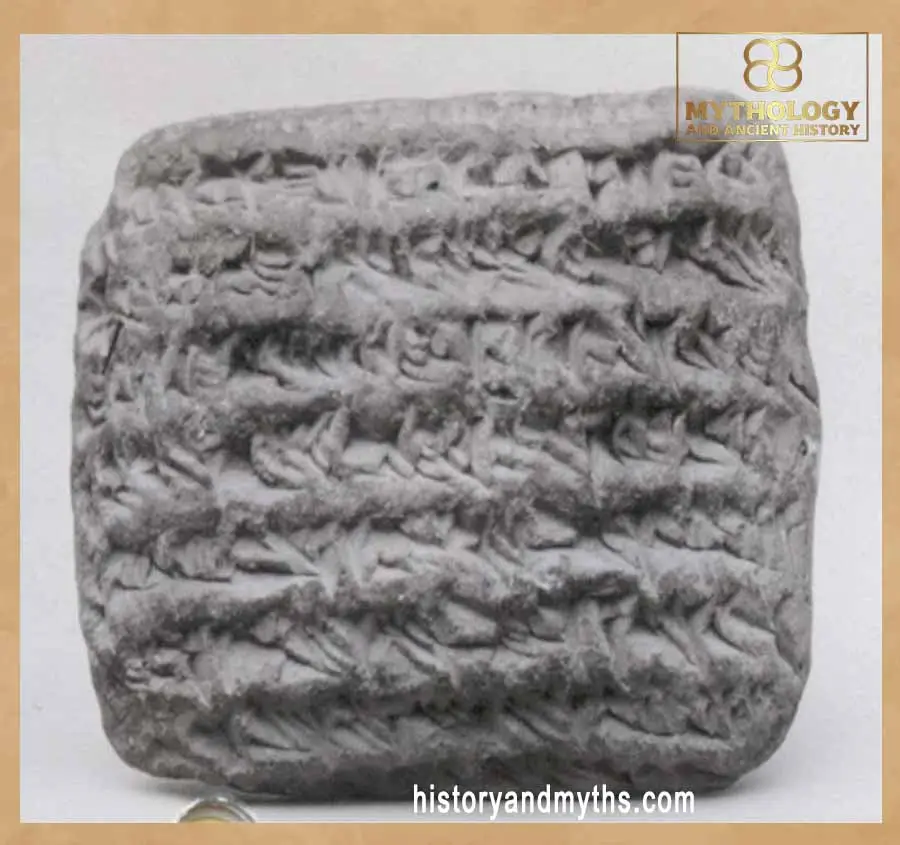
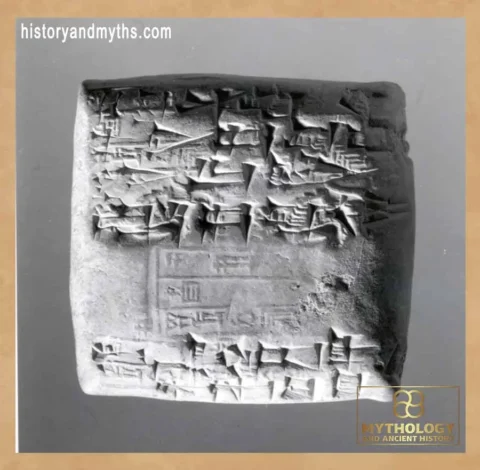
Administrative tablet documenting debt obligations, illustrating how economic pressure could alter legal and social status in Mesopotamia.
What Social Mobility Meant in Mesopotamia
Social mobility in Mesopotamia did not mean personal success or wealth accumulation alone. It meant a change in legal and social status—moving from one recognized category to another within the system. Status was recorded, enforced, and altered through formal mechanisms, not informal reputation.
Movement between classes occurred only when a person’s legal condition changed: gaining freedom, losing land, entering dependency, or being reassigned within an institution. Wealth could support mobility, but it did not guarantee it unless accompanied by legal recognition.
This definition matters because it sets limits. Mesopotamian society allowed adjustment within the hierarchy, but only through controlled channels. Mobility was possible, but it was never spontaneous or unrestricted.
| Type of Mobility | Main Trigger | Legal Mechanism | Frequency |
|---|---|---|---|
| Upward Mobility | Manumission, service | Formal release, contracts | Limited |
| Institutional Rise | Temple or palace service | Administrative reassignment | Selective |
| Downward Mobility | Debt, land loss | Debt bondage, dependency | Common |
| Status Fixation | War captivity | Permanent dependency | Near-closed |
Paths of Upward Mobility
Upward mobility in Mesopotamia followed recognized legal pathways, not informal advancement. Manumission was the clearest route: slaves could be formally freed through repayment, loyal service, or an owner’s decision, changing their legal status outright.
Adoption and marriage also enabled movement, especially when they transferred a person into a household with different obligations and protections. Institutional service—within temples or palaces—offered stability and, in some cases, elevation through trusted roles. Accumulating property or skills supported these transitions, but only when validated by law or administration.
These routes were limited and conditional. They did not erase hierarchy; they adjusted it. Upward movement existed to integrate capable individuals into the system, not to dissolve social boundaries.
Downward Mobility: How Status Could Be Lost
Social mobility in Mesopotamia was not only upward. Downward movement was more common and more dangerous. Debt was the primary trigger: inability to repay loans could force free individuals into dependency or temporary enslavement, fundamentally altering their legal status.
Loss of land, failure to meet obligations, or legal penalties could also push individuals downward. Economic shocks—such as crop failure or disruption of labor—accelerated this process. Once someone entered dependency, recovery became difficult, as obligations limited access to resources and legal leverage.
This downward mobility explains the system’s stability. The risk of falling reinforced compliance, while limited upward paths ensured that movement did not undermine hierarchy. Social mobility existed, but it operated in both directions—and the downward path was far easier to enter.
- Social mobility was regulated, not spontaneous.
- Legal status mattered more than wealth alone.
- Downward mobility was easier than upward movement.
- Mobility absorbed pressure without weakening hierarchy.
© historyandmyths.com — Educational use
Who Could Move—and Who Could Not
Not all members of Mesopotamian society had equal access to mobility. Free citizens with property, skills, or institutional ties had the greatest chances to change their status. Their mobility was supported by legal recognition and administrative flexibility.
By contrast, war captives and permanently dependent laborers faced near-closed paths. Their status was tightly controlled, and opportunities for change were rare. Gender also mattered: women’s mobility often depended on marriage, household affiliation, or adoption rather than independent legal action.
These limits show that mobility was selective by design. It rewarded usefulness to institutions and punished vulnerability. Movement was possible, but only for those already positioned close enough to the system’s centers of control.
- Slaves and Social Class in Mesopotamian Society Explained
- Rights and Duties of Social Classes in Mesopotamia Explained
- Difference Between Free People and Dependents in Mesopotamia
- How Social Class Affected Law and Punishment in Mesopotamia
- Social Classes in Mesopotamian Society: Structure and Hierarchy
Why Mobility Had Strict Limits
Social mobility in Mesopotamia was deliberately constrained by law and administration. The system depended on predictable roles: labor quotas, tax obligations, and institutional service required stability more than openness. Unlimited movement would have disrupted production, taxation, and control.
Legal barriers ensured that change in status required formal authorization—contracts, witnesses, or official recognition. Even when mobility occurred, it was absorbed into the system rather than challenging it. Upward movement filled institutional needs; downward movement reinforced discipline.
These limits reveal the logic behind Mesopotamian society. Mobility existed not to promote equality, but to maintain order under changing conditions. The hierarchy could adjust, but it was never allowed to loosen.
What Social Mobility Reveals About Mesopotamian Society
Social mobility in Mesopotamia shows a society designed for adjustment, not openness. Movement between classes existed to absorb pressure—debt, labor needs, demographic change—without destabilizing the hierarchy. Law did not block mobility entirely, but it channeled it into controlled paths.
This balance explains the system’s longevity. By allowing limited change while enforcing strict boundaries, Mesopotamian society remained flexible enough to survive crises and rigid enough to preserve order. Mobility was not a promise of equality; it was a mechanism of control.
- Social mobility in Mesopotamia was possible but tightly controlled.
- Legal recognition was required for any status change.
- Debt was the main driver of downward mobility.
- Institutions shaped who could rise and who could not.
- Mobility preserved order rather than challenging it.
Frequently Asked Questions
Yes, but only through regulated legal and institutional channels.
In some cases, through formal manumission or institutional service.
Yes. Debt and economic failure could lead to dependency or enslavement.
Individuals connected to temples, palaces, or legal institutions.
To protect economic stability and administrative control.
Sources & Rights
- Van De Mieroop, Marc. A History of the Ancient Near East.
- Postgate, J. Nicholas. Early Mesopotamia: Society and Economy.
- Liverani, Mario. The Ancient Near East.
- Roth, Martha T. Law Collections from Mesopotamia and Asia Minor.
- Leick, Gwendolyn. Mesopotamia: The Invention of the City.
- Snell, Daniel C. Life in the Ancient Near East.
- Hallo, William W. The Context of Scripture.
- Oates, Joan. Babylon.
- Foster, Benjamin R. Before the Muses.
- Encyclopaedia Britannica. Social Mobility in Ancient Societies.
Written by H. Moses — All rights reserved © Mythology and History