Empires of Mesopotamia: How Ancient Rulers Built and Controlled Power
The empires of Mesopotamia marked a turning point in ancient political history. What began as independent city-states competing over land and trade gradually evolved into large territorial powers capable of governing diverse regions under centralized authority. The Akkadian, Neo-Assyrian, and Neo-Babylonian empires did not rely on conquest alone; they built structured systems of provincial rule, taxation, diplomatic treaties, and controlled autonomy to sustain power across vast territories.
These early empires introduced practical solutions to problems every expanding state faces: how to control distant lands, manage local elites, secure revenue, and prevent rebellion. By examining how Mesopotamian rulers balanced force with administration and diplomacy, we see the foundations of imperial governance that later shaped political systems across the ancient Near East.
From City-States to Empires: Why Mesopotamia Unified
For most of its early history, Mesopotamia was dominated by independent city-states such as Uruk, Ur, and Lagash, each controlling limited territory and competing over water, farmland, and trade routes. This fragmented system encouraged economic growth and cultural innovation, but it also created permanent instability. Continuous warfare, shifting alliances, and resource shortages made long-term security impossible under purely local rule.
By the late third millennium BCE, these structural limits became clear. Expanding trade networks connected southern Mesopotamia with Anatolia, the Levant, and Iran, increasing both wealth and vulnerability. Controlling these routes required military coordination, standardized administration, and reliable systems of taxation—capacities that individual city-states could no longer provide on their own.
The unification achieved under Sargon of Akkad was therefore not only a military breakthrough but an institutional one. His empire introduced centralized authority, provincial oversight, and standardized political loyalty to the crown. This model reduced internal conflict, stabilized revenue flows, and allowed rulers to project power beyond traditional urban boundaries.
Environmental pressures also played a role. Fluctuating river systems, soil salinization, and periodic droughts made regional coordination increasingly necessary. Large-scale irrigation management and food redistribution favored centralized systems capable of organizing labor and resources across multiple cities.
In practical terms, empire emerged in Mesopotamia because fragmented politics could no longer sustain expanding economies and populations. Unification was a response to systemic pressures: security needs, commercial integration, administrative complexity, and environmental management. The imperial state offered a solution where the city-state model had reached its limits.
Major Mesopotamian Empires Overview
| Empire | Period | Capital | Key Features |
|---|---|---|---|
| Akkadian Empire | c. 2334–2154 BCE | Akkad | First territorial empire; centralized kingship |
| Neo-Assyrian Empire | 911–609 BCE | Nineveh | Provincial system; military expansion; deportations |
| Neo-Babylonian Empire | 626–539 BCE | Babylon | Urban revival; temple economy; administrative refinement |
The Akkadian Empire: The First Territorial State
The Akkadian Empire represents the first sustained attempt in Mesopotamian history to rule multiple regions under a single, centralized authority. Unlike earlier city-state coalitions, which were temporary and fragile, the Akkadian system aimed to create permanent political integration across southern and northern Mesopotamia.
Its strength did not lie in conquest alone. The empire established a network of appointed governors, military commanders, and administrative officials who reported directly to the royal court. Local rulers were often removed or subordinated, and their cities were incorporated into a wider imperial structure. This reduced internal rivalry and redirected political loyalty toward the central state.
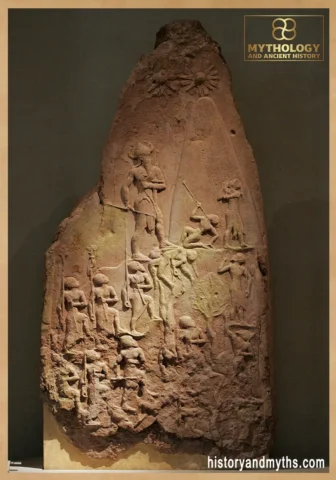
Under rulers such as Naram-Sin, imperial authority reached an unprecedented level. Naram-Sin’s reign marked a shift from traditional kingship toward near-divine rulership, reinforcing political obedience through religious symbolism. Royal power was no longer presented as merely local or contractual, but as universal and sacred.
Administratively, the Akkadian Empire relied on standardized record-keeping, centralized taxation, and state-controlled redistribution. Agricultural surplus, labor obligations, and military supplies were collected through provincial channels and redirected to support the army and royal institutions. This created a stable economic base for long-distance campaigns and large-scale construction projects.
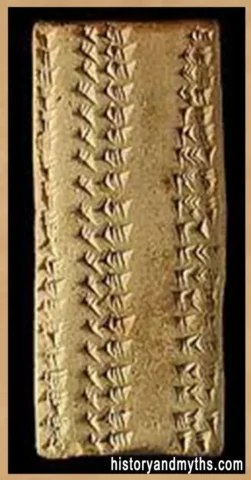
Language policy also played a political role. Akkadian gradually replaced Sumerian in official inscriptions and administration, helping unify diverse regions under a common bureaucratic culture. This linguistic integration strengthened state communication and reduced regional fragmentation.
Despite these innovations, the Akkadian system remained vulnerable. Heavy military spending, climatic stress, and regional resistance strained imperial resources. When central authority weakened, provincial elites regained autonomy, leading to political fragmentation.
Nevertheless, the Akkadian Empire established the basic framework of Mesopotamian imperial rule: centralized governance, provincial administration, ideological authority, and economic integration. Later empires would refine this model, but they would not abandon its fundamental principles.
The Neo-Assyrian Empire: Military Power and Bureaucratic Control
The Neo-Assyrian Empire represents the most advanced and systematic form of imperial rule in ancient Mesopotamia. Unlike earlier empires that relied on personal authority and temporary loyalty, Assyria developed a permanent state apparatus capable of managing territory stretching from Iran to the Mediterranean.
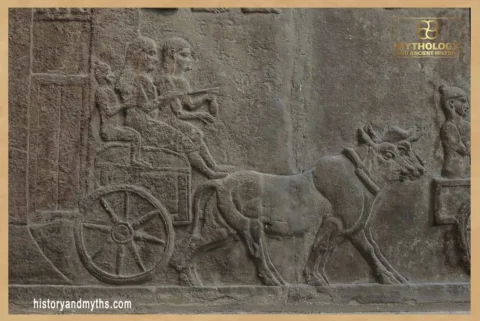
Military power formed the foundation of this system, but it was carefully integrated with administration. The Assyrian army was not only a fighting force; it was a tool of governance. Campaigns were planned to secure trade routes, suppress rebellious regions, and dismantle rival power centers. Conquered territories were immediately reorganized into provinces under royal supervision.
This transformation reached its mature form under rulers such as Tiglath-Pileser III, who reorganized the empire into directly governed provinces. Local dynasties were removed, and governors appointed by the central court replaced them. These officials managed taxation, labor recruitment, military logistics, and legal administration, ensuring that regional power remained dependent on the capital.
One of the most distinctive Assyrian policies was systematic deportation. Large populations were relocated across the empire and resettled in strategically important regions. This served multiple purposes: it weakened local resistance, supplied skilled labor to key centers, and created mixed communities that depended on imperial protection. Deportation was therefore not random brutality, but a calculated instrument of control.
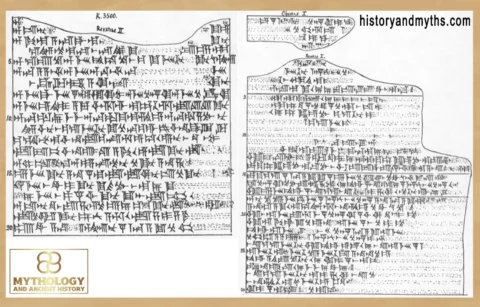
Communication and intelligence were equally important. A network of royal messengers, road systems, and reporting officials allowed the king to receive constant updates from distant provinces. Administrative correspondence reveals a highly organized flow of information regarding taxation, troop movements, harvests, and political unrest. This surveillance capacity gave Assyrian rulers an exceptional ability to respond quickly to crises.
Economically, the empire functioned through centralized extraction and redistribution. Tribute, taxes, and labor obligations flowed toward major administrative centers, where they supported military operations, palace construction, and religious institutions. Provincial economies were integrated into a broader imperial framework rather than operating independently.
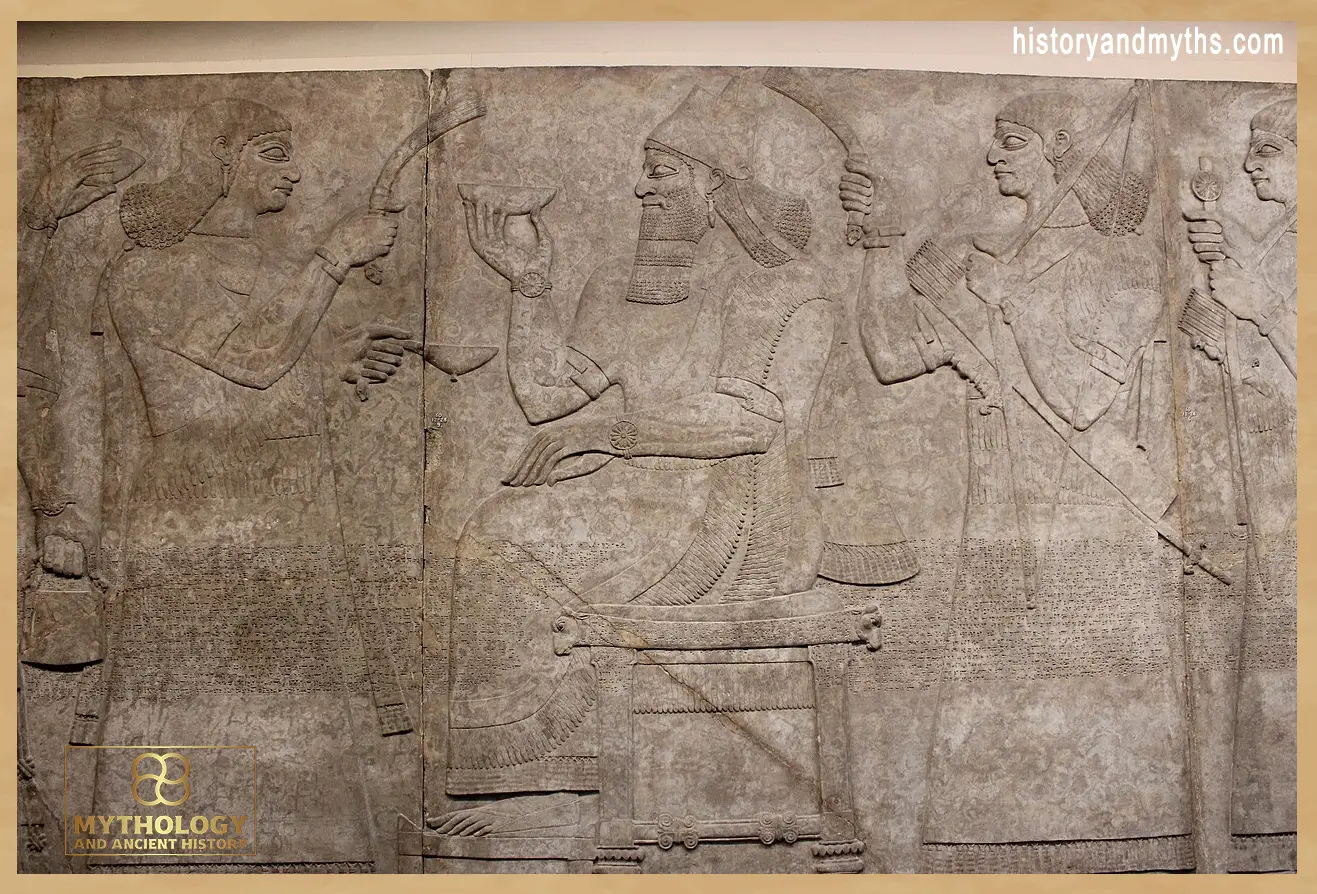
Ideologically, Assyrian kings presented themselves as divinely appointed guardians of order. Royal inscriptions and reliefs portrayed conquest as a sacred duty and obedience as a moral obligation. This fusion of religion, politics, and warfare reinforced loyalty and justified imperial expansion.
Despite its efficiency, the Assyrian system was demanding and rigid. Heavy taxation, constant military mobilization, and administrative pressure generated long-term resentment. When internal instability and external attacks weakened central authority in the late seventh century BCE, the tightly controlled structure collapsed rapidly.
Even so, the Neo-Assyrian Empire established the most complete model of centralized imperial governance in Mesopotamian history. Its combination of military organization, provincial bureaucracy, population management, and information control became the standard against which later Near Eastern empires were measured.
The Neo-Babylonian Empire: Legitimacy, Law, and Cultural Authority
The Neo-Babylonian Empire emerged after the collapse of Assyrian power as a political system built less on constant military expansion and more on legitimacy, legal tradition, and cultural prestige. While it maintained a strong army, its rulers relied primarily on symbolic authority, urban renewal, and religious continuity to secure loyalty across their territories.
This approach reached its peak under Nebuchadnezzar II, whose long reign transformed Babylon into the ideological and administrative center of the empire. Rather than presenting himself mainly as a conqueror, he emphasized his role as protector of the gods, restorer of temples, and guarantor of justice. Political authority was closely linked to religious duty and urban prosperity.
Administratively, the Neo-Babylonian state relied on inherited bureaucratic traditions from earlier periods. Scribal institutions, legal courts, and tax offices continued to function with remarkable continuity. Contracts, land records, and commercial agreements were carefully documented, creating a stable legal environment that supported both imperial control and private economic activity.
Law played a central role in legitimizing rule. Royal decrees, judicial decisions, and standardized legal procedures reinforced the image of the king as guardian of order. Unlike Assyrian propaganda, which emphasized fear and punishment, Babylonian ideology stressed fairness, restoration, and divine approval. This helped reduce resistance in newly incorporated regions.
Diplomacy also became more important than large-scale conquest. The Neo-Babylonian rulers maintained alliances through marriage, negotiated settlements, and strategic tolerance of local elites. Vassal rulers and regional administrators were often left in place as long as tribute and loyalty were maintained. This flexible approach reduced administrative costs and political friction.
Urban development functioned as a political tool. Massive construction projects—temples, walls, ceremonial avenues, and palaces—were designed to display imperial stability and divine favor. These projects provided employment, strengthened religious institutions, and reinforced Babylon’s status as the symbolic heart of the empire.
Economically, the state balanced centralized control with private enterprise. Merchant families, temple estates, and royal domains operated within a regulated system that encouraged long-distance trade and agricultural productivity. Revenue collection remained efficient, but it was less coercive than under Assyrian rule.
Despite its cultural strength, the Neo-Babylonian system had structural weaknesses. Heavy dependence on the capital, limited military innovation, and reliance on traditional elites reduced adaptability. When confronted by the expanding Persian Empire in the sixth century BCE, Babylon lacked the institutional flexibility and strategic depth needed for long-term resistance.
Nevertheless, the Neo-Babylonian Empire represents a distinct model of imperial governance in Mesopotamia—one based on legal authority, religious legitimacy, and cultural leadership rather than continuous military domination. Its legacy demonstrates that power in the ancient Near East could be sustained not only through force, but through shared traditions and institutional continuity.
How Mesopotamian Empires Maintained Control
- Military expansion followed by administrative restructuring
- Provincial governors appointed by the king
- Vassal states under treaty obligations
- Standardized taxation and labor systems
- Religious integration to legitimize authority
- Continuous surveillance and reporting to the capital
Vassal States and Indirect Rule in Mesopotamian Empires
Not all regions within Mesopotamian empires were governed directly by royal officials. In many cases, imperial authorities preferred to rule through local kings, city rulers, and regional elites who accepted subordinate status in exchange for limited autonomy. These territories functioned as vassal states, forming an intermediate layer between full provincial control and political independence.
This system allowed empires to expand rapidly without overextending their administrative resources. Direct rule required large numbers of officials, soldiers, and scribes. Indirect rule, by contrast, shifted much of the burden of governance to local authorities while preserving imperial supremacy. As long as tribute was paid, military support was provided, and loyalty was maintained, vassal rulers were usually left in place.
The Neo-Assyrian Empire made particularly systematic use of this model. Under kings such as Esarhaddon, conquered territories were evaluated according to their strategic value and stability. Regions considered politically sensitive or economically important were converted into provinces, while others were retained as dependent kingdoms under close supervision.
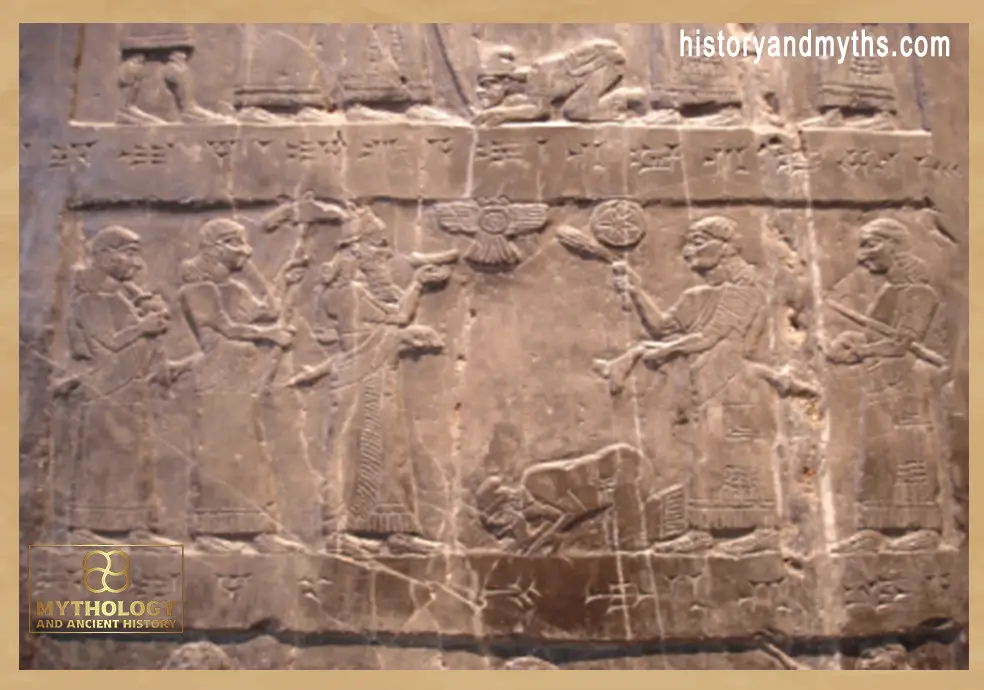
Vassal obligations were clearly defined. Local rulers were required to send regular tribute in the form of silver, agricultural products, livestock, and luxury goods. They also had to provide troops and logistical support during military campaigns. Failure to meet these obligations was treated as rebellion and usually resulted in deposition, deportation, or direct annexation.
Imperial oversight remained constant. Royal envoys, inspectors, and military officers monitored vassal territories and reported signs of unrest to the central court. Diplomatic correspondence shows that even loyal rulers were subject to continuous surveillance. Political independence was therefore limited in practice, even when local institutions remained intact.
Indirect rule also served ideological purposes. By preserving traditional dynasties and religious practices, empires presented themselves as legitimate overlords rather than foreign occupiers. This reduced resistance and encouraged cooperation among local elites, who benefited from imperial protection and access to wider trade networks.
However, the system was inherently unstable. Vassal rulers often balanced imperial loyalty with local interests, switching allegiance when central authority weakened. During periods of succession crises or military setbacks, dependent states frequently attempted to regain autonomy. This pattern contributed to cycles of expansion and fragmentation throughout Mesopotamian history.
In economic terms, vassal arrangements were highly efficient. Empires extracted resources without maintaining costly bureaucracies, while local economies remained productive under familiar leadership. Politically, the model allowed rapid territorial control, but at the cost of long-term reliability.
Indirect rule through vassal states was therefore a pragmatic solution to the challenges of governing large and diverse regions. It reflects the flexibility of Mesopotamian imperial systems, which combined direct administration and delegated authority according to strategic necessity rather than rigid ideology.
Treaties and Diplomacy: Managing Power Beyond War
Military conquest alone could not secure lasting control in Mesopotamia. Empires also depended on formal agreements, ritualized diplomacy, and negotiated relationships to stabilize borders, regulate obligations, and manage relations with both rivals and subordinate states. Treaties functioned as legal and ideological instruments that transformed temporary dominance into structured political order.
Mesopotamian treaties were typically framed as sacred contracts rather than purely political documents. Agreements were sworn before major deities, and divine punishment was invoked against any ruler who violated the terms. This religious dimension gave treaties moral authority and reinforced compliance in societies where law, politics, and religion were deeply interconnected.
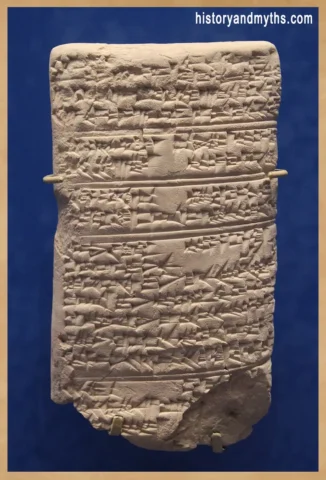
Under rulers such as Ashurbanipal, diplomatic correspondence and treaty networks reached a high level of sophistication. Royal archives reveal continuous exchanges with client states, rival powers, and border kingdoms. These documents regulated tribute payments, military cooperation, territorial boundaries, and succession arrangements, reducing uncertainty in imperial relations.
Most treaties followed a standardized structure. They began with a declaration of authority, followed by a list of obligations imposed on the subordinate party. These usually included loyalty oaths, tribute schedules, military support, and restrictions on foreign alliances. The agreement concluded with blessings for obedience and curses for disobedience, reinforcing compliance through both legal and supernatural pressure.
Marriage alliances formed another important diplomatic tool. By marrying royal family members into neighboring dynasties, Mesopotamian rulers created personal bonds that strengthened political cooperation. These alliances helped secure frontier regions and reduced the likelihood of coordinated resistance among dependent states.
Diplomacy also played a central role in managing relations between major powers. Correspondence between Assyria, Babylonia, Elam, and neighboring kingdoms shows sustained efforts to negotiate access to trade routes, settle disputes, and prevent large-scale wars when possible. Even highly militarized states preferred negotiation when it offered strategic advantage.
Envoys and messengers formed the operational backbone of this system. Trained diplomats carried royal letters, gifts, and symbolic objects across long distances, representing imperial authority abroad. Their reports provided rulers with detailed intelligence on political conditions in foreign courts, reinforcing strategic planning.
Treaties and diplomacy also supported internal stability. By formalizing relations with local elites and regional rulers, empires reduced the need for constant military intervention. Legal agreements created predictable frameworks for cooperation, lowering administrative costs and political risk.
However, treaty systems depended heavily on the strength of central authority. When imperial power weakened, oaths lost credibility and agreements collapsed. Former allies often became rivals, and dependent states sought new patrons. Diplomatic networks therefore mirrored the broader cycles of imperial expansion and decline.
In practical terms, Mesopotamian diplomacy transformed raw power into institutionalized influence. Through treaties, alliances, and negotiated hierarchies, empires extended control beyond the battlefield and embedded dominance within legal, religious, and political structures. This capacity to govern through agreement as well as coercion was a key factor in their long-term success.
Continue Reading
- The Akkadian Empire: Origins and Imperial Administration
- The Neo-Assyrian Empire: Military Power and Bureaucratic Rule
- The Neo-Babylonian Empire: Governance and Urban Revival
- Vassal States in Mesopotamia: Control Through Dependency
- Ancient Mesopotamian Economy: Trade, Debt, and Daily Survival
- Professions in Ancient Mesopotamia: Jobs, Skills, and Social Status
Provincial Governors and Administrative Hierarchies
Effective imperial rule in Mesopotamia depended on the ability to control distant territories on a daily basis. This task was carried out by provincial governors and a layered administrative hierarchy that connected local communities to the royal court. Without this system, military conquest and diplomatic agreements would have remained fragile and temporary.
Provincial governors were appointed directly by the king and served as the highest representatives of central authority in their regions. They were responsible for taxation, labor mobilization, legal supervision, and military coordination. In most cases, they also oversaw temple estates and royal lands, ensuring that economic resources remained under imperial control.
Under rulers such as Sargon II, provincial administration became more standardized and closely monitored. Large territories were divided into manageable districts, each governed by officials whose authority depended entirely on royal favor. This reduced the risk of hereditary power bases and limited the emergence of regional dynasties.
Governors operated within a structured chain of command. Below them worked tax collectors, scribes, judges, warehouse supervisors, and military officers. Each level produced written reports that were sent regularly to the capital. These records documented harvest yields, tribute deliveries, population movements, and security conditions, creating a continuous flow of information to the central government.
Financial administration formed the core of provincial governance. Governors organized the collection of agricultural produce, silver, livestock, and labor obligations. These resources were redistributed to support armies, construction projects, and religious institutions. Failure to meet quotas was treated as administrative negligence or political disloyalty.
Military coordination was equally important. Provincial authorities maintained local garrisons, supplied troops, and organized transport during campaigns. In frontier regions, governors often functioned as both civil administrators and military commanders, blurring the boundary between governance and warfare.
Oversight mechanisms limited abuses of power. Royal inspectors, special envoys, and intelligence officers periodically investigated provincial administration. Complaints from local populations were sometimes forwarded to the court, and corrupt or ineffective governors could be removed, punished, or executed. This system reinforced personal dependence on royal authority.
Despite these controls, provincial administration remained vulnerable to instability. During succession crises or periods of weak central leadership, governors could accumulate independent power and challenge the throne. Several Assyrian and Babylonian revolts originated in provincial centers where loyalty had eroded.
Administratively, the Mesopotamian model balanced centralization with operational flexibility. Local officials adapted imperial policies to regional conditions, while remaining embedded in a unified bureaucratic framework. This combination allowed empires to govern vast territories without constant direct intervention from the capital.
Provincial governance and hierarchical administration were therefore not secondary features of Mesopotamian empires. They formed the practical infrastructure of imperial rule, translating royal authority into everyday political, economic, and legal control across diverse regions.
Tax Systems and Economic Control
No Mesopotamian empire could survive without predictable revenue. Military campaigns, palace construction, temple maintenance, and provincial administration all depended on steady economic extraction. Taxation was therefore not a secondary tool of governance but its structural foundation.
Imperial revenue operated through two main mechanisms: direct taxation in provinces and tribute from dependent states. Provinces under direct rule paid standardized assessments in silver, grain, livestock, or labor service. Tribute from vassal states was more symbolic but equally significant, reinforcing hierarchy while supplying luxury goods and strategic resources.
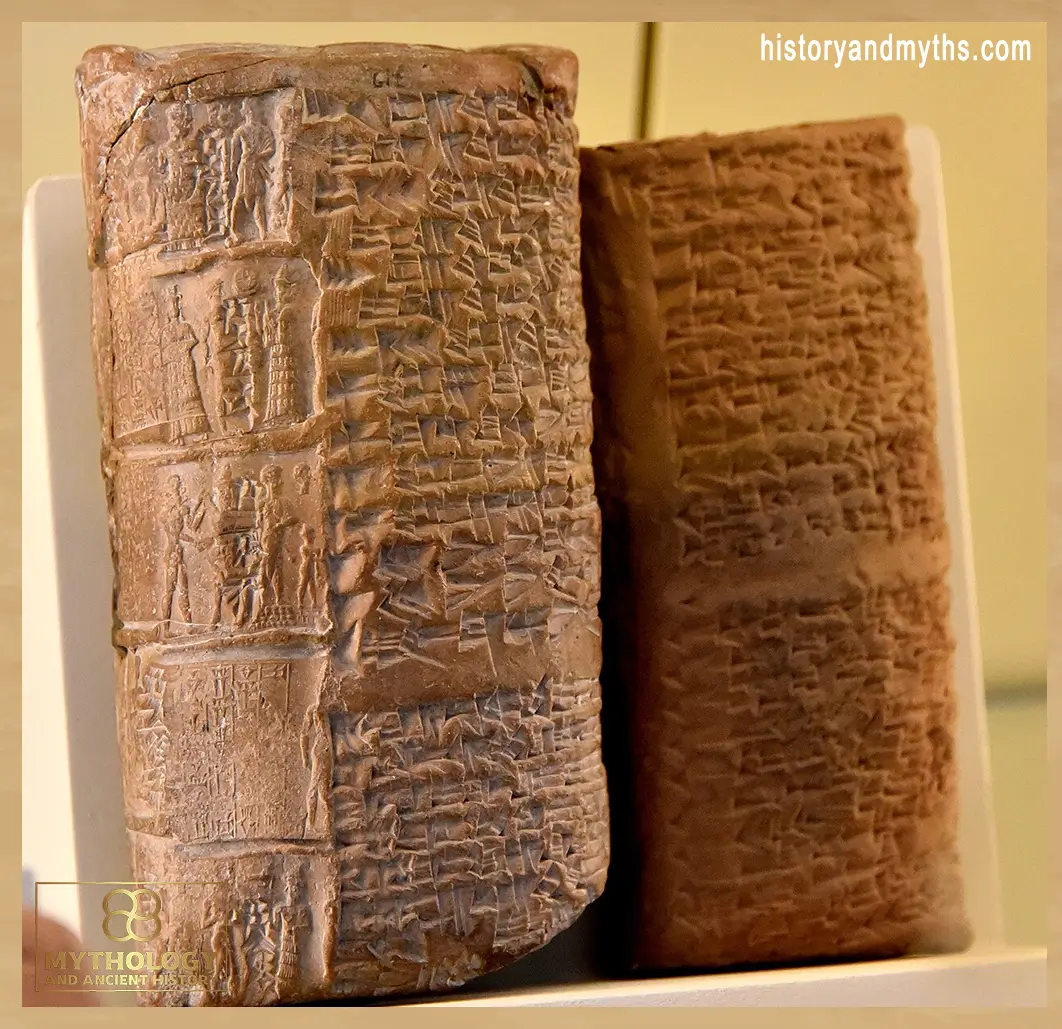
Under the Neo-Assyrian system, taxation became highly organized. Provincial officials recorded harvest outputs, monitored storage facilities, and calculated quotas based on land productivity. These records allowed the central government to anticipate shortages and redistribute supplies across regions. Economic control was therefore data-driven, not arbitrary.
Labor obligations formed another pillar of the system. Communities were required to provide workers for irrigation projects, fortifications, road construction, and temple restoration. This corvée labor reduced monetary expenditure while strengthening state infrastructure. The system tied local populations directly to imperial projects.
Economic integration also supported political stability. By redistributing resources through temples and administrative centers, imperial authorities reinforced their legitimacy. Agricultural surplus funded public works and religious ceremonies, linking taxation to visible benefits.
However, excessive taxation could destabilize the system. In times of war or poor harvests, heavy demands strained provincial economies and increased resentment. Several documented revolts followed periods of intensified extraction, demonstrating the limits of fiscal pressure.
The Neo-Babylonian Empire maintained a similar but somewhat less militarized structure. While taxation remained systematic, the emphasis shifted toward commercial activity and temple-based economic management. Merchant families operated within a regulated framework that combined private enterprise with state oversight.
Ultimately, Mesopotamian taxation systems reveal a central truth: empire required financial discipline. Revenue collection, redistribution, and record-keeping transformed territorial control into sustainable governance. Without economic organization, military expansion would have quickly collapsed under its own weight.
Local Rule and Cultural Integration
Mesopotamian empires did not attempt to erase local identities or impose uniform cultural models across their territories. Instead, imperial authorities generally preserved existing social structures, religious institutions, and elite families, integrating them into the wider system of governance. This strategy reduced resistance and lowered the administrative costs of direct control.
Local rulers, priests, and landowners were often retained as intermediaries between imperial officials and the population. As long as they collected taxes, maintained order, and demonstrated loyalty, they were allowed considerable autonomy. This arrangement encouraged cooperation and created local stakeholders in imperial stability.
Religious integration played a central role in this process. Conquered cities were encouraged to continue traditional worship, while imperial gods were incorporated into local pantheons. Temples received royal patronage, reinforcing the idea that imperial authority was compatible with regional traditions rather than hostile to them.
Language policy also reflected pragmatic governance. While Akkadian served as the main administrative language, local languages and dialects remained in use in everyday life and religious practice. This linguistic flexibility helped preserve cultural continuity and facilitated communication between rulers and subjects.
Cultural patronage further strengthened imperial cohesion. Royal sponsorship of festivals, temple restorations, and urban projects created shared symbolic spaces where imperial and local identities overlapped. Public ceremonies and monuments reinforced loyalty through participation rather than coercion.
At the same time, integration had limits. When local elites felt marginalized or overburdened, cooperation weakened. Cultural accommodation could not compensate for political exclusion or economic hardship. In such cases, rebellion often followed, revealing the fragile balance between autonomy and control.
The Mesopotamian model of local rule demonstrates that imperial stability depended not only on military strength and bureaucracy, but also on cultural negotiation. By adapting authority to regional traditions, empires transformed diversity from a liability into a source of resilience.
Key Takeaways
- Mesopotamian empires combined force with structured governance.
- Indirect rule through vassals reduced administrative strain.
- Provincial hierarchies created durable imperial networks.
- Taxation and labor obligations financed expansion.
- Diplomacy and treaties institutionalized power beyond warfare.
Frequently Asked Questions
What was the first empire in Mesopotamia?
The Akkadian Empire, founded by Sargon of Akkad in the 23rd century BCE, is widely considered the first territorial empire in Mesopotamia.
How did Assyria control vast territories?
Through a provincial system, appointed governors, deportation policies, and strict tribute enforcement.
What role did treaties play in Mesopotamian diplomacy?
Treaties formalized loyalty obligations, regulated tribute, and invoked divine witnesses to ensure compliance.
Were local rulers allowed to govern themselves?
Yes, in vassal arrangements local elites retained limited autonomy under imperial supervision.
How were taxes collected?
Provincial officials assessed agricultural output, silver payments, and labor obligations based on recorded quotas.
Why did Mesopotamian empires collapse?
Administrative strain, military overextension, succession crises, and regional revolts weakened central authority.
Sources & Rights
Sources
- Liverani, Mario. The Ancient Near East: History, Society and Economy. London: Routledge, 2014.
- Van De Mieroop, Marc. A History of the Ancient Near East ca. 3000–323 BC. Oxford: Blackwell, 2016.
- Radner, Karen. Ancient Assyria: A Very Short Introduction. Oxford: Oxford University Press, 2015.
- Radner, Karen. State Correspondence in the Ancient World. Oxford: Oxford University Press, 2014.
- Kuhrt, Amélie. The Ancient Near East, c. 3000–330 BC. London: Routledge, 1995.
- Fales, Frederick Mario. The Assyrian Empire. Helsinki: Neo-Assyrian Text Corpus Project, 2010.
- Parpola, Simo. The Correspondence of Sargon II. Helsinki: Neo-Assyrian Text Corpus Project, 1987.
- Postgate, J. N. The First Empires. Oxford: Oxbow Books, 1992.
- Tadmor, Hayim. The Inscriptions of Tiglath-Pileser III. Jerusalem: Israel Academy of Sciences, 1994.
- Grayson, A. Kirk. Assyrian Rulers of the Early First Millennium BC. Toronto: University of Toronto Press, 1996.
- Brinkman, J. A. A Political History of Post-Kassite Babylonia. Rome: Pontificium Institutum Biblicum, 1968.
- Beaulieu, Paul-Alain. The Reign of Nabonidus. New Haven: Yale University Press, 1989.
- Frahm, Eckart. A Companion to Assyria. Malden: Wiley-Blackwell, 2017.
- Yoffee, Norman. Myths of the Archaic State. Cambridge: Cambridge University Press, 2005.
- Richardson, Seth. Rebellions and Periphery in the Cuneiform World. Leiden: Brill, 2010.
- Lanfranchi, Giovanni B., and Simo Parpola, eds. Neo-Assyrian Empire Studies. Helsinki: Neo-Assyrian Text Corpus Project, 2001.
- Charpin, Dominique. Writing, Law, and Kingship in Old Babylonian Mesopotamia. Chicago: University of Chicago Press, 2010.
- Rollinger, Robert. Assyria and the West. Wiesbaden: Harrassowitz, 2011.
- Potts, Daniel. A Companion to the Archaeology of the Ancient Near East. Malden: Wiley-Blackwell, 2012.
- Van De Mieroop, Marc. The Eastern Mediterranean in the Age of Ramesses II. Malden: Wiley-Blackwell, 2010.
Written by H. Moses — All rights reserved © Mythology and History