Warfare in Mesopotamia: How Ancient Armies Built Power and Empire
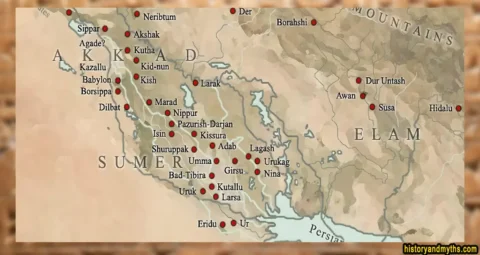
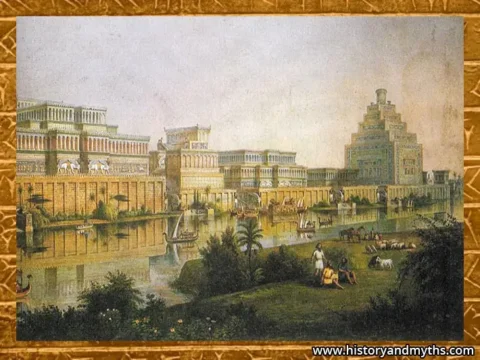
Warfare in Mesopotamia was not a series of random battles between early cities. It was a structured system that connected politics, economy, religion, and administration into a single mechanism of expansion and control. From the first Sumerian city-states to the height of Assyrian power, war functioned as a permanent institution rather than an occasional crisis.
Mesopotamian rulers did not rely on temporary militias or spontaneous violence. They built organized armies, developed supply networks, recorded military obligations on clay tablets, and integrated warfare into taxation, labor systems, and royal ideology. Soldiers were recruited, fed, paid, monitored, and deployed through bureaucratic procedures that resemble early state management more than tribal conflict.
The Origins of Organized Warfare in Mesopotamia
Warfare in early Mesopotamia emerged from structural conditions, not from an inherent culture of violence. The concentration of population inside walled cities, competition over irrigated land, and dependence on controlled water systems made conflict both frequent and predictable. Once agriculture became centralized, violence followed the same path.
Early Sumerian city-states did not rely on permanent armies. Military force was initially drawn from the same labor pool that maintained canals and fields. Able-bodied men were mobilized seasonally, often during periods when agricultural work slowed. This created an early link between warfare, labor obligations, and state authority, blurring the line between civilian and soldier.
As conflicts intensified, cities invested in defensive infrastructure. Walls, gates, and watch systems transformed warfare from spontaneous clashes into planned engagements. Fortifications forced attackers to coordinate manpower, tools, and time, accelerating the need for leadership and collective organization. Warfare began to require administration.
By the late Early Dynastic period, military action was no longer episodic. City-states expected war, prepared for it, and recorded it. Victories were commemorated, defeats justified, and campaigns framed as acts of divine or legal necessity. This marked the transition from localized violence to organized warfare—one embedded within the political and economic logic of the Mesopotamian city.
| Rank / Role | Main Function | Period of Use |
|---|---|---|
| King / Supreme Commander | Overall command and strategic decisions | All periods |
| High Generals | Campaign leadership and coordination | Akkadian–Neo-Assyrian |
| Unit Officers | Direct troop supervision | Early Dynastic–Neo-Assyrian |
| Infantry Leaders | Control of foot soldiers | All periods |
| Engineers | Siege construction and logistics | Mainly Assyrian |
| Logistics Officials | Supply and ration management | Old Babylonian–Neo-Assyrian |
The Akkadian Military Revolution
The Akkadian period marked a decisive break from city-based warfare. Under Sargon and his successors, military power was removed from local control and placed under a centralized imperial command. For the first time in Mesopotamian history, warfare became a tool of sustained territorial expansion rather than regional competition.
Unlike earlier Sumerian forces, Akkadian armies were not assembled only for short campaigns. They operated across long distances and over extended periods. This required stable supply routes, standardized equipment, and permanent command structures. Campaigns into Syria, Anatolia, and Elam were impossible without logistical planning and centralized coordination.
Professionalization intensified during this period. Soldiers were no longer simply temporary laborers mobilized in emergencies. Many served continuously, received regular rations, and were directly dependent on royal administration. Military service became a recognized occupation tied to state resources and political loyalty.
The Akkadian model also transformed leadership. Commanders were appointed by the king, not by city councils or local elites. Military success became inseparable from royal authority. Victories were framed as proof of legitimate rule, while rebellion was treated as both political and military crime.
This system created the foundation of imperial warfare in Mesopotamia. It demonstrated that sustained conquest required bureaucracy, logistics, and ideological control. Later empires, especially Assyria, would expand this model, but its basic structure was established during the Akkadian age.
How Mesopotamian Armies Were Organized
Mesopotamian armies were structured to reflect the administrative logic of the state. Military organization was not separate from civil bureaucracy. Command, record-keeping, supply distribution, and personnel management followed the same institutional principles that governed taxation and labor.
At the top stood the king as supreme commander, supported by high-ranking officers responsible for regional forces and major campaigns. These commanders coordinated recruitment, movement, and provisioning. Below them operated unit leaders who supervised smaller formations and enforced discipline in the field.
Military ranks were functional rather than symbolic. Officers were defined by responsibility: organizing detachments, managing equipment, securing routes, or maintaining order during marches and sieges. Authority flowed downward through clearly defined chains of command, reducing reliance on personal loyalty and increasing institutional control.
Units were typically organized around practical needs. Infantry formed the core of most armies, supported by archers, chariot crews, and engineering teams. Specialized personnel handled construction, transport, and siege operations. This division of labor allowed armies to operate as coordinated systems rather than loosely assembled groups.
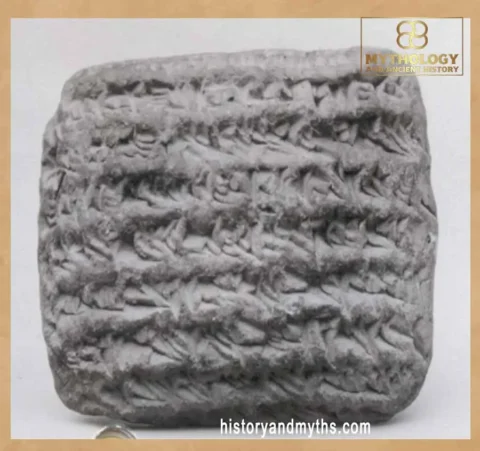
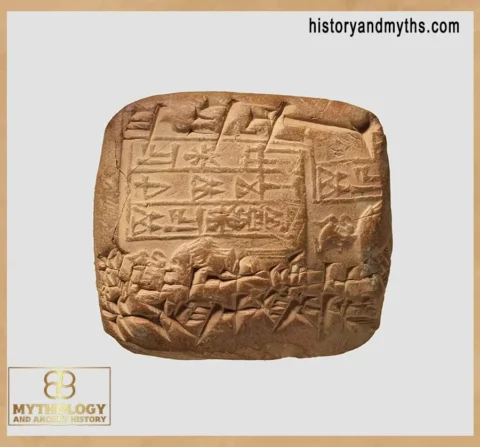
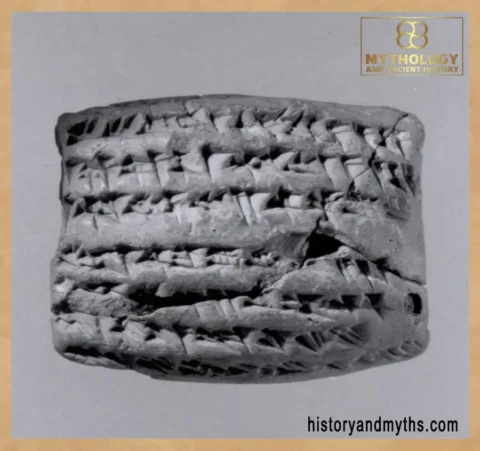
Administrative records show that soldiers were counted, assigned, and monitored through written documentation. Service obligations, desertion, injuries, and rewards were registered on clay tablets. Warfare thus functioned within a framework of accountability, reinforcing its integration into state governance.
Recruitment, Training, and Soldier Life
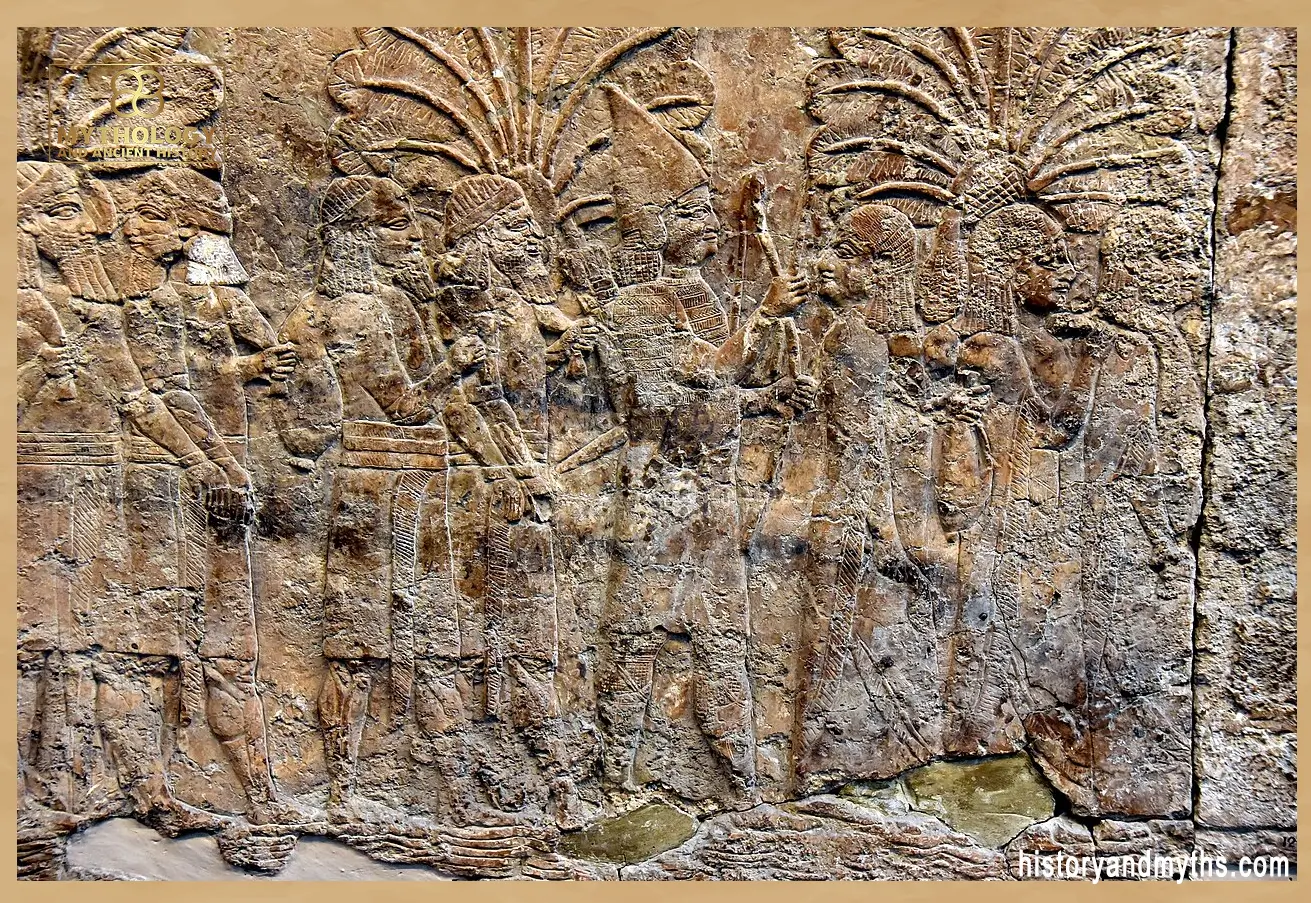
Recruitment in Mesopotamia was rooted in state-controlled labor systems. Military service was treated as an obligation comparable to taxation or canal maintenance. Local administrators were responsible for providing a fixed number of men when campaigns were announced, linking warfare directly to provincial governance.
Most soldiers were not lifelong professionals. Service was often seasonal, allowing men to return to agricultural work between campaigns. This reduced economic disruption while ensuring a constant pool of trained manpower. In periods of intensive warfare, especially under Assyrian rule, long-term service became more common.
Training emphasized discipline and coordination rather than individual combat skill. Soldiers were prepared to march in formation, follow commands, and operate collectively during sieges and field engagements. Repeated mobilizations created experienced troops familiar with standardized procedures.
Daily life in the army was regulated through ration systems. Grain, beer, oil, and textiles were distributed according to rank and function. Payments were frequently issued in kind rather than in silver, binding soldiers to state warehouses and supply networks.
Military service also offered social incentives. Successful soldiers could receive land grants, shares of booty, or administrative appointments. At the same time, desertion and disobedience were punished through legal and economic sanctions. Service in the army was therefore both an opportunity and a mechanism of state control.
Weapons, Armor, and Military Technology
Mesopotamian military technology evolved in direct response to changing patterns of warfare and resource availability. Early armies relied on simple bronze weapons and leather protection, but sustained conflict and imperial expansion pushed continuous technical adaptation.
Infantry soldiers were typically equipped with spears, axes, and short swords, supported by archers using composite bows. These weapons prioritized durability and ease of production rather than individual craftsmanship. Standardization allowed states to equip large forces quickly and replace losses efficiently.
Defensive equipment developed alongside offensive tools. Helmets, shields, and scale armor provided increasing protection, especially for elite units and officers. As iron became more accessible in the late second and early first millennium BCE, weapons gained greater resilience, contributing to longer campaigns and higher battlefield lethality.
Chariots functioned as mobile command platforms rather than mass assault vehicles. Crews coordinated movement, communication, and missile fire, extending the reach of central command across the battlefield. Their role declined only when cavalry and infantry formations became more flexible.
Engineering tools formed a crucial but often overlooked part of military equipment. Ropes, ramps, ladders, and digging instruments enabled armies to conduct sieges and construct temporary defenses. Technological superiority in Mesopotamia was therefore less about innovation in isolation and more about integrating tools into organized operational systems.
Siege Warfare and the Destruction of Cities
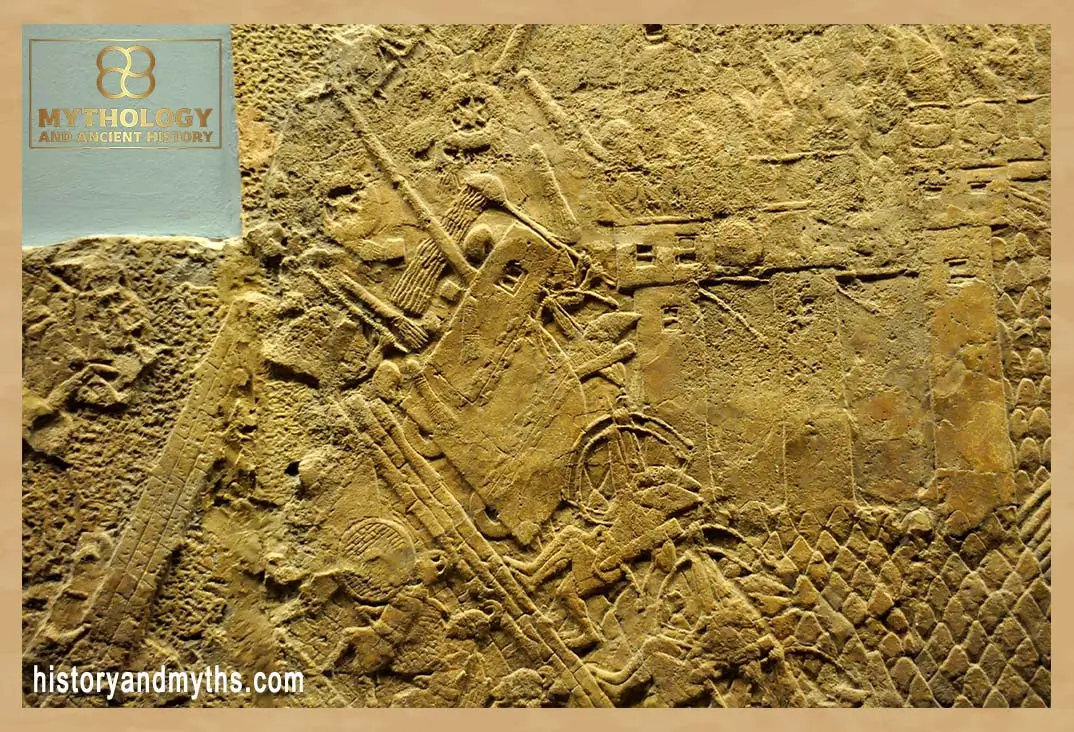
Siege warfare was the defining form of conflict in Mesopotamia. Because political power was concentrated inside fortified cities, capturing territory meant breaching walls rather than defeating armies in open fields. As a result, warfare evolved around the systematic reduction of urban centers.
Sieges followed a calculated sequence. Attacking forces first isolated the city by cutting roads, canals, and supply lines. Starvation and psychological pressure were as important as physical assault. Time itself became a weapon, forcing defenders to exhaust stored resources and morale.
When direct assault was required, Mesopotamian armies relied on coordinated engineering. Earthen ramps, battering rams, and ladders were constructed under protection from archers and shields. Fire and water were used selectively to weaken gates and defensive structures. Siege operations demanded planning, manpower, and technical supervision rather than brute force alone.
The fall of a city was not the end of warfare but its culmination. Conquest was followed by deliberate destruction, deportation, or reorganization of the population. Skilled workers were relocated, elites removed, and tribute systems imposed. Violence served a strategic purpose: eliminating resistance while preserving economic value.
Siege warfare therefore functioned as a tool of state expansion and control. Cities were not attacked impulsively; they were dismantled methodically. This approach transformed warfare into an instrument of long-term governance rather than short-term victory.
How a Mesopotamian Siege Worked
- Isolation of the city and cutting supply routes
- Blockade of canals and roads
- Psychological pressure and intimidation
- Construction of ramps and battering rams
- Coordinated assault under archer cover
- Breaching of gates and walls
- Deportation and political reorganization
© historyandmyths.com — Educational Use
Intelligence, Espionage, and Military Strategy
Military success in Mesopotamia depended as much on information as on force. Armies operated across unfamiliar territories, depended on fragile supply lines, and faced fortified opponents. Reliable intelligence was therefore essential for planning and survival.
Scouts were deployed ahead of main forces to monitor roads, river crossings, and enemy movements. Merchants, diplomats, and local officials often served as informal sources of information, transmitting political and military developments through existing administrative networks. Warfare was embedded within broader systems of communication.
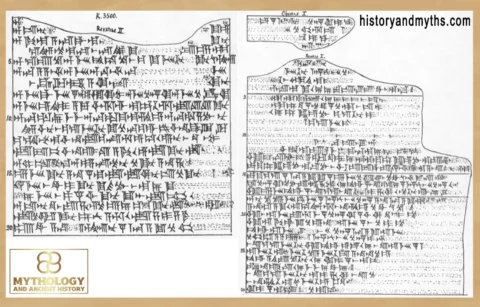
Written correspondence played a central role in strategic coordination. Letters between governors, commanders, and kings recorded troop movements, resource shortages, and security threats. These documents reveal that campaigns were continuously adjusted based on incoming reports rather than fixed plans.
Deception was used to weaken opponents before direct engagement. Feigned withdrawals, false negotiations, and controlled rumors were employed to manipulate enemy expectations. Psychological pressure complemented physical force, reducing resistance and lowering the cost of conquest.
Intelligence activities were tightly linked to political authority. Failure to report accurately or suppress rebellion was treated as disloyalty. Information management thus became an extension of state power, reinforcing centralized control over both military and civilian populations.
War Economy: How Mesopotamian Campaigns Were Funded
Sustained warfare in Mesopotamia was possible only through systematic economic planning. Campaigns required food, equipment, transport animals, laborers, and administrative personnel. These resources were not gathered spontaneously. They were extracted, stored, and redistributed through state-controlled institutions.
Agricultural surplus formed the foundation of military financing. Taxes in grain, livestock, and textiles were collected from provinces and transferred to central or regional warehouses. During mobilization, these reserves were converted into rations for soldiers and workers, linking military operations directly to fiscal management.
Tribute and plunder reinforced this system. Conquered territories were required to deliver regular payments in silver, raw materials, and skilled labor. Loot from successful campaigns was redistributed according to rank and function, rewarding loyalty while replenishing state resources. War thus became a mechanism for economic reproduction.
Administrative tablets show that logistics were carefully monitored. Officials recorded quantities, destinations, losses, and delays. Transport networks along rivers and roads were maintained specifically to support military movement. Failure in supply management could halt campaigns regardless of battlefield success.
Over time, warfare reshaped the economy itself. Provinces were reorganized to maximize extraction, and labor obligations expanded to meet military needs. The war economy did not operate beside civilian life; it reorganized it. Military power in Mesopotamia rested as much on accounting and storage as on weapons and soldiers.
Religion, Propaganda, and the Justification of War
Military violence in Mesopotamia required ideological justification. Kings could not rely on force alone to maintain long-term control. Warfare had to be presented as legitimate, necessary, and divinely sanctioned.
Royal inscriptions consistently framed campaigns as acts ordered by the gods. Victories were attributed to divine favor, while defeats were explained as temporary tests or the result of ritual failure. This narrative transformed political expansion into religious duty.
Temples played an active role in this process. Priests performed rituals before campaigns, interpreted omens, and validated royal decisions. Success in war reinforced temple authority, while military resources supported religious institutions. Warfare and cultic practice were mutually reinforcing.
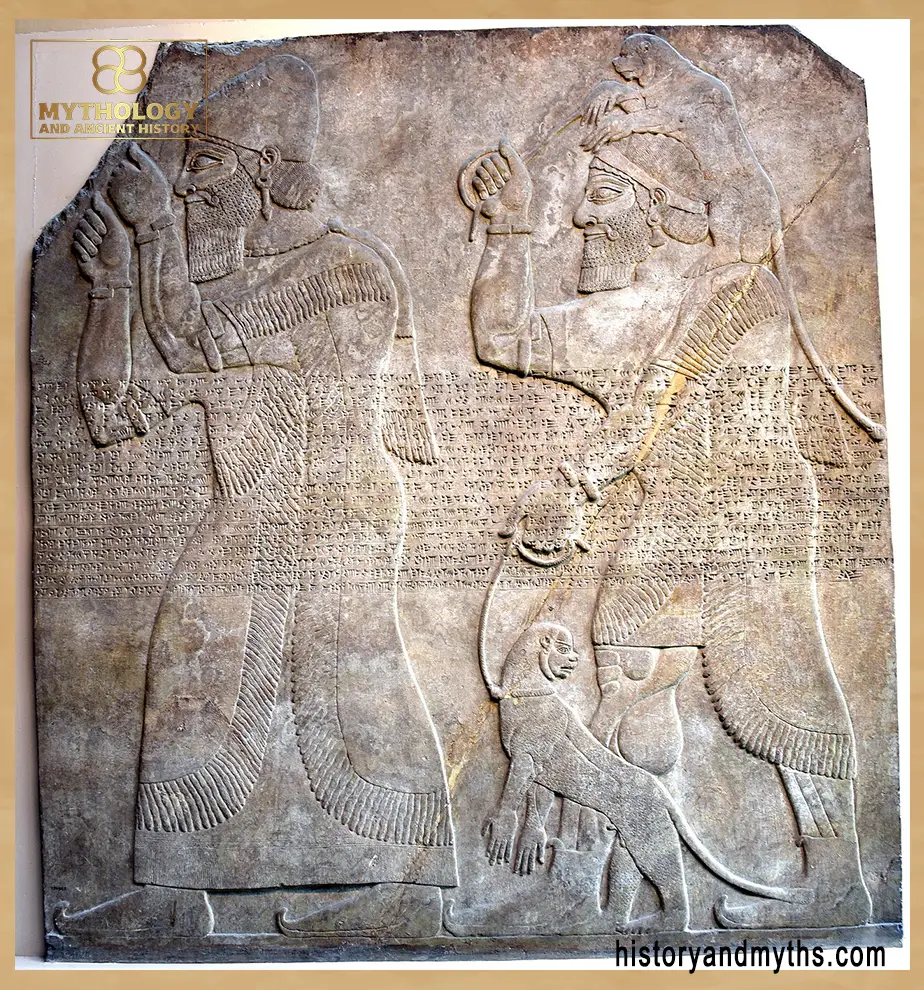
Public monuments functioned as permanent instruments of propaganda. Reliefs, stelae, and inscriptions depicted enemies as chaotic, impious, or rebellious. Violence was represented not as aggression but as restoration of cosmic and social order.
Through these mechanisms, war became morally normalized. Subjects were encouraged to view conquest as protection rather than exploitation. Religious symbolism and political messaging ensured that military power appeared not only effective, but rightful.
The Assyrian Military Machine
The Neo-Assyrian Empire transformed earlier Mesopotamian military practices into a permanent, large-scale system of domination. Warfare was no longer organized around occasional campaigns. It became the central function of the state.
Assyrian armies were maintained year-round. Soldiers, officers, engineers, and administrators formed a standing military institution supported by dedicated supply networks. Roads, depots, and river transport were integrated into strategic planning, allowing rapid mobilization across vast territories.
Logistics distinguished Assyrian power from earlier empires. Provinces were obligated to provide food, animals, and labor in advance of campaigns. Detailed records tracked supplies and personnel, reducing dependence on improvisation. Military movement followed pre-established corridors of control.
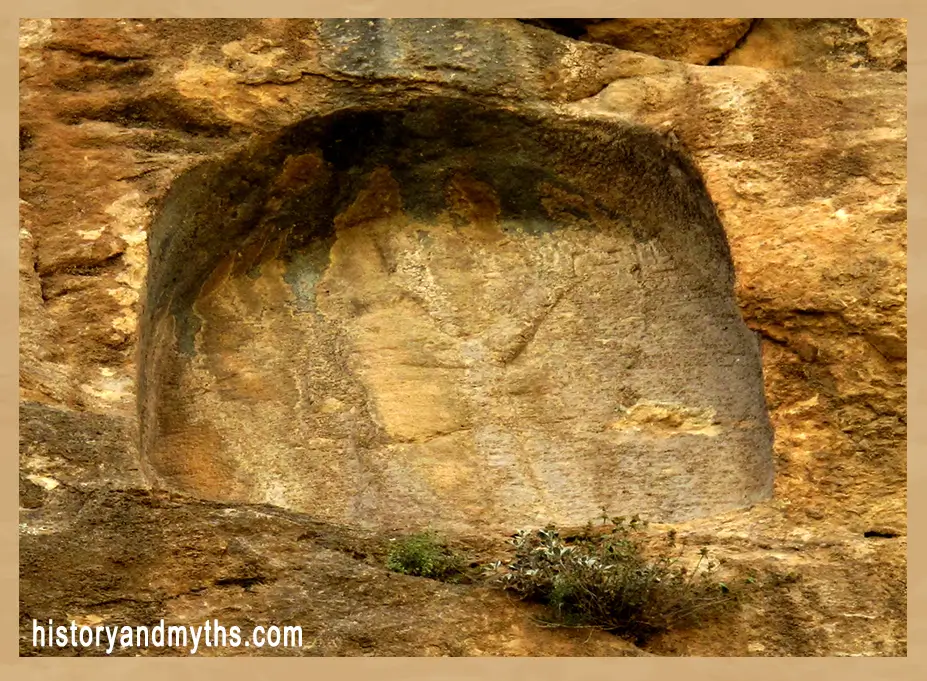
Psychological warfare was institutionalized. Public displays of punishment, mass deportations, and monumental reliefs were designed to deter resistance before battles occurred. Violence was carefully staged to minimize future opposition.
Command was centralized and professionalized. Generals operated under strict royal authority, and failure was punished severely. Military success became inseparable from political survival.
The Assyrian system represented the peak of Mesopotamian warfare: an empire organized around permanent mobilization, administrative discipline, and calculated terror.
Continue Reading
Limits, Overextension, and Military Collapse
The same military system that enabled Mesopotamian empires to expand also imposed structural limits. Continuous warfare demanded constant extraction of resources, labor, and loyalty. Over time, the cost of maintaining control exceeded the benefits of conquest.
Permanent mobilization strained provincial economies. Agricultural production suffered as labor was redirected toward military service, transport, and construction. Heavy taxation and repeated levies increased resentment and reduced long-term stability. Rebellion became a recurring condition rather than an exception.
Logistical complexity also created vulnerability. Supply networks stretched across vast distances and depended on political compliance. Disruption through revolt, environmental stress, or administrative failure could paralyze entire campaigns. Military power proved effective only as long as bureaucratic control remained intact.
Ideological justification weakened as violence intensified. Terror deterred resistance in the short term but eroded legitimacy over time. Subject populations increasingly viewed imperial rule as extraction rather than protection, reducing cooperation and intelligence flow.
Ultimately, Mesopotamian warfare collapsed under its own weight. Empires fell not because they forgot how to fight, but because sustaining constant war destabilized the economic, social, and administrative foundations on which military power depended.
Key Takeaways
- Mesopotamian warfare operated as a state-controlled system.
- Armies were organized through bureaucracy and written records.
- Siege warfare was the primary method of territorial control.
- Military campaigns depended on agricultural surplus.
- Religion and propaganda legitimized violence.
- The Assyrian Empire perfected permanent militarization.
Frequently Asked Questions
Did Mesopotamia have standing armies?
Yes, especially during the Assyrian period, when permanent professional forces were maintained.
How were soldiers paid?
Most soldiers received rations in grain, beer, and textiles rather than silver.
Why was siege warfare so important?
Because political power was concentrated inside fortified cities.
Did religion influence warfare?
Yes. Campaigns were presented as divinely sanctioned acts.
What made the Assyrian army powerful?
Its logistics system, permanent mobilization, and psychological warfare.
Were all soldiers professionals?
No. Many served seasonally alongside agricultural labor.
How were rebellions suppressed?
Through military campaigns, deportations, and administrative control.
Sources & Rights
- Hamblin, William J. Warfare in the Ancient Near East to 1600 BC: Holy Warriors at the Dawn of History. London: Routledge, 2006.
- Radner, Karen. Ancient Assyria: A Very Short Introduction. Oxford: Oxford University Press, 2015.
- Parpola, Simo, ed. Letters from Assyrian and Babylonian Scholars (State Archives of Assyria 10). Helsinki: Helsinki University Press, 1993.
- Parpola, Simo. Letters from Assyrian Scholars to the Kings Esarhaddon and Assurbanipal. (Classic edition and reprints). Winona Lake, IN: Eisenbrauns, 2007.
- British Museum. “Wall panel relief: assault on Lachish (Museum no. 124906).” Neo-Assyrian period, reign of Sennacherib (700–692 BCE).
- British Museum. “Relief: Sennacherib watches the capture of Lachish (Museum no. 124911).” Neo-Assyrian period, reign of Sennacherib.
- British Museum. “Assyria: Nineveh (gallery and collection context for Sennacherib’s palace reliefs).”
- Gomi, Tohru. “The Army of the Kings of Ur: Textual Evidence.” Cuneiform Digital Library Journal 2009:5.
- Dalley, Stephanie, trans. Letters from Mesopotamia: Official, Business, and Private Letters on Clay Tablets from Two Millennia. Winona Lake, IN: Eisenbrauns, 2004.
Written by H. Moses — All rights reserved © Mythology and History