Mesopotamian Conquests: How Assyria and Babylon Built Ancient Empires
Mesopotamian conquests were not chaotic expansions. They were structured campaigns designed to secure trade routes, control strategic cities, and impose political authority beyond the homeland. From Sargon of Akkad to the Neo-Assyrian kings, warfare became a tool for building and sustaining empire.
Victory meant more than battlefield success. Armies had to hold territory, install governors, extract tribute, and suppress revolt. Expansion required logistics, administration, and continuous military pressure. When those systems functioned, empires grew. When they failed, territories were lost quickly.
This article explains how Mesopotamian conquests were organized, how they reshaped the ancient Near East, and why even the strongest empires eventually collapsed.
How Warfare Became an Imperial Expansion System
Early Mesopotamian warfare focused on local defense and limited territorial disputes. City-states fought to protect farmland, water access, and trade routes. Campaigns were seasonal and short, with little long-term occupation.
This pattern changed with the rise of territorial states. Leaders began using military force to secure permanent control over neighboring regions. Roads, rivers, and caravan routes became strategic targets. Conquest was planned around geography and economic value, not just enemy strength.
Expansion required coordination beyond the battlefield. Supply depots, transport animals, and storage facilities were prepared in advance. Officials tracked provisions and manpower. Campaigns became administrative projects supported by state institutions.
War also became a political instrument. Victories were used to legitimize kingship, intimidate rivals, and discourage rebellion. Public monuments and inscriptions presented conquest as divine approval and historical destiny.
By transforming warfare into a managed system, Mesopotamian states turned temporary success into sustained imperial power.
| Empire | Peak Period | Main Conquest Regions | Strategy Focus | Outcome |
|---|---|---|---|---|
| Akkadian | c. 2334–2154 BCE | Mesopotamia, Levant | Centralized military rule | Collapsed under internal pressure |
| Neo-Assyrian | c. 900–612 BCE | Syria, Egypt, Anatolia | Permanent campaigns | Overextension and revolt |
| Neo-Babylonian | c. 626–539 BCE | Levant, Mesopotamia | Strategic diplomacy | Conquered by Persia |
The Beginnings: Sumerian and Akkadian Expansion
Early territorial expansion in Mesopotamia began with the Akkadian Empire under Sargon of Akkad. Unlike earlier city-state conflicts, Akkadian campaigns aimed at long-term domination rather than temporary advantage. Military force was used to unify multiple regions under centralized rule.
Sargon’s armies targeted key urban centers along major rivers and trade corridors. Control over these nodes allowed the empire to regulate commerce, taxation, and communication. Expansion followed economic logic as much as military opportunity.
Administrative integration accompanied conquest. Local rulers were replaced or subordinated to imperial officials. Tribute systems were standardized, and garrisons secured major settlements. These measures reduced dependence on constant military presence.
Despite early success, Akkadian expansion faced structural limits. Long supply lines, climatic stress, and internal unrest weakened central authority. When administrative control declined, territorial cohesion collapsed rapidly.
This early imperial model established patterns later adopted and refined by Assyrian and Babylonian rulers.
The Assyrian Model: Age of Major Conquests
The Neo-Assyrian Empire transformed conquest into a permanent state policy. Unlike earlier powers, Assyria maintained continuous military readiness and launched campaigns almost every year. War was not an occasional necessity but the foundation of imperial authority.
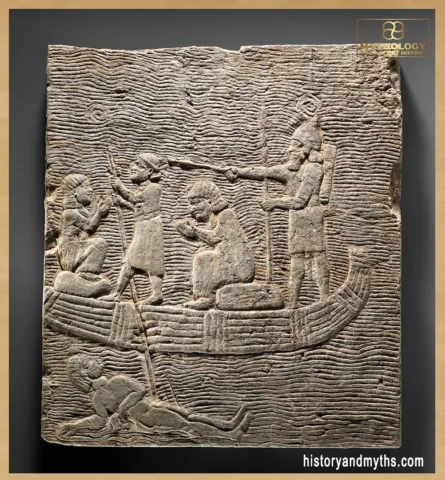
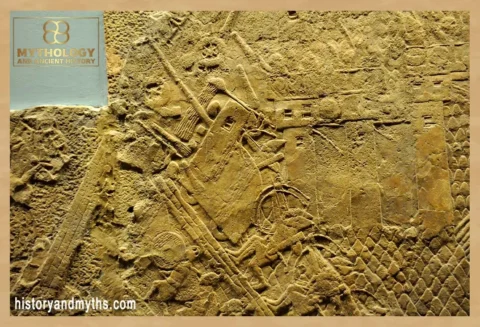
Assyrian kings personally led armies and recorded their victories in inscriptions and reliefs. These records were not symbolic. They functioned as political tools that reinforced obedience at home and fear abroad. Expansion became part of royal legitimacy.
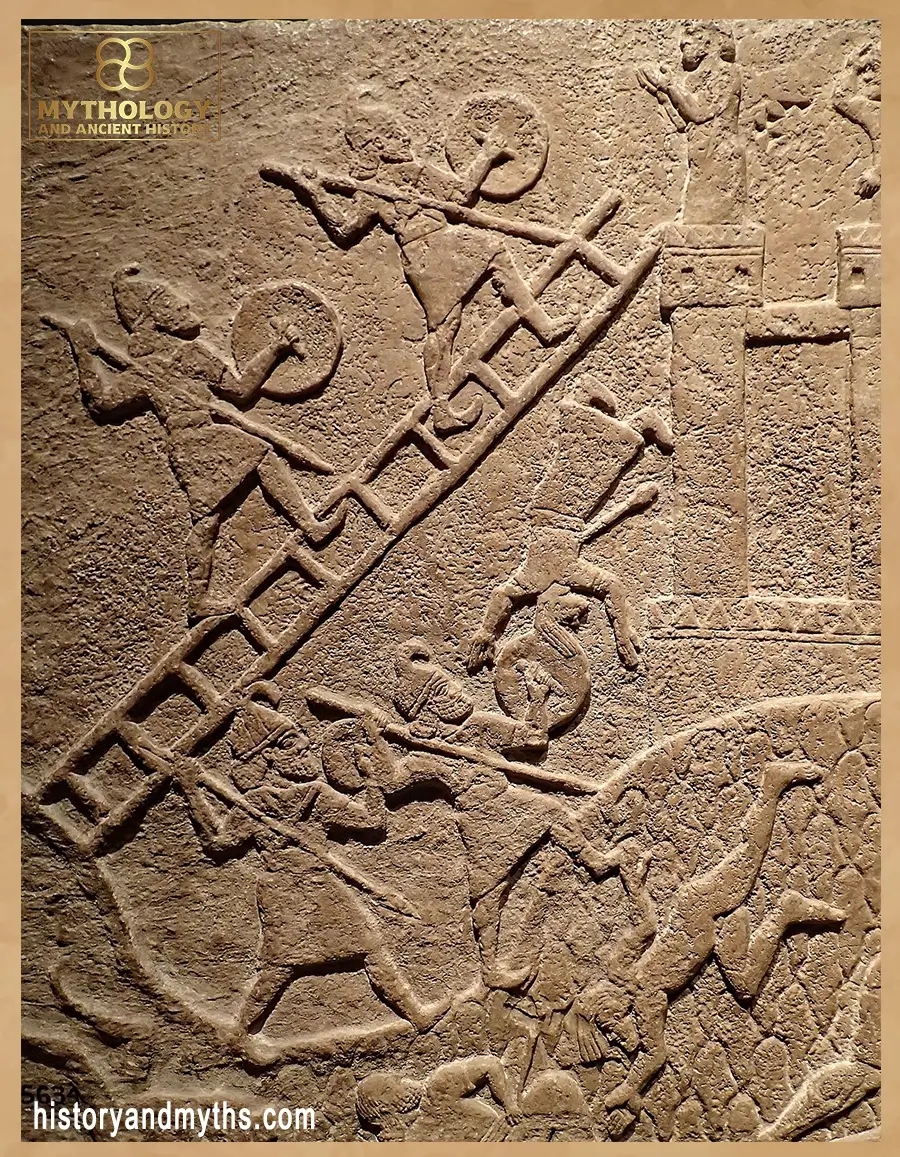
Campaigns followed standardized patterns. Armies advanced along river valleys and established roads, targeting regional capitals and fortified cities. Once resistance collapsed, territories were reorganized into provinces under appointed governors.
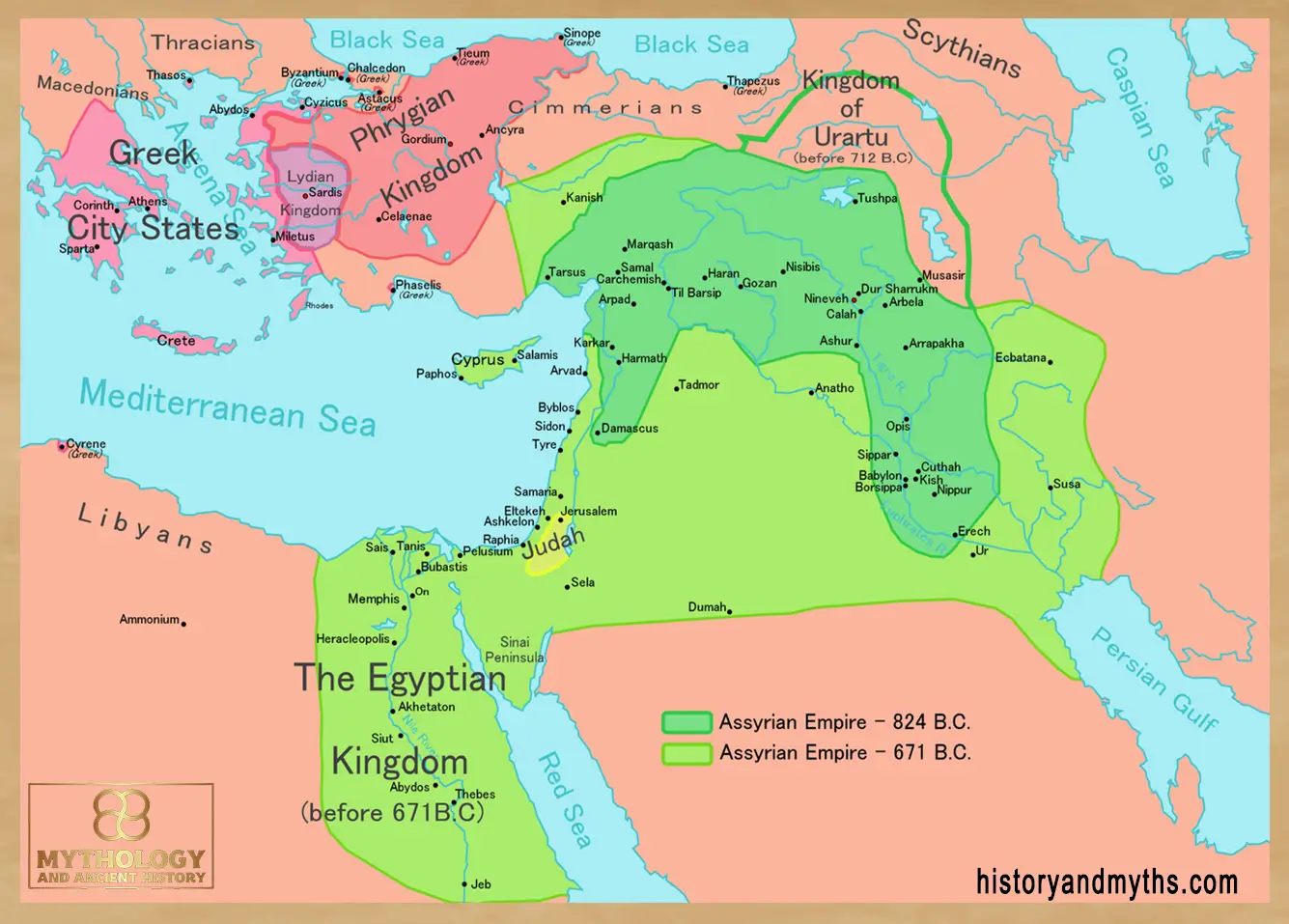
The empire expanded west into Syria and the Levant, north into Anatolia, and south toward Babylon and Egypt. Each region was integrated through military garrisons, tribute systems, and administrative supervision. Control was maintained through constant presence rather than occasional intervention.
Assyrian strategy combined speed, coordination, and psychological pressure. Public executions, mass deportations, and destruction of rebellious cities were used deliberately to deter future resistance. Violence was institutionalized as a governing tool.
This system allowed rapid territorial growth, but it required uninterrupted military and administrative efficiency. When coordination weakened, the structure became vulnerable.
Tools of Control After Conquest
Military victory alone did not secure imperial dominance. After conquest, Mesopotamian empires focused on transforming occupied territories into manageable administrative units. Control depended on institutions, not just garrisons.
Provincial governors were appointed to replace or supervise local rulers. These officials managed taxation, labor obligations, and legal affairs while reporting directly to the central court. Their authority reduced the risk of independent power bases.
Permanent military garrisons were established in strategic cities and border zones. Their presence deterred rebellion and protected communication routes. Soldiers also assisted in tax collection and infrastructure maintenance.
Tribute systems were standardized. Conquered regions delivered metals, livestock, textiles, and manpower according to fixed quotas. These resources sustained future campaigns and reinforced economic dependence.
Population transfers became a central policy, especially under Assyrian rule. Communities were relocated to weaken local identities and redistribute skilled labor. This reduced rebellion potential while supporting imperial construction and agriculture.
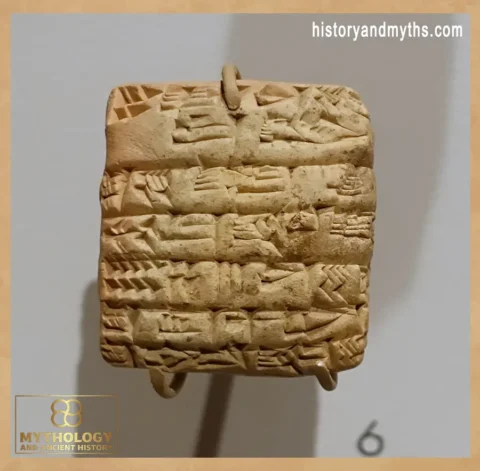
Administrative records, seals, and archives ensured accountability. Control operated through documentation as much as through force.
Through these mechanisms, conquest was converted into durable political authority.
How Mesopotamian Conquests Worked
- Campaigns planned around rivers and trade routes
- Permanent military garrisons in key cities
- Population transfers to weaken resistance
- Tribute systems to fund future wars
- Psychological warfare through public punishment
- Centralized administration after conquest
© historyandmyths.com — Educational use
Military Strategy Behind Expansion
Mesopotamian conquests were driven by calculated strategic planning rather than spontaneous aggression. Campaigns were designed around geography, timing, and resource availability.
Armies advanced along river systems and established roads to ensure reliable supply. Control of waterways such as the Tigris and Euphrates allowed rapid movement of troops and provisions. Campaign seasons were chosen to avoid extreme weather and agricultural disruption.
Targets were selected for maximum impact. Capitals, trade hubs, and fortified centers were prioritized over minor settlements. Capturing these nodes disrupted regional resistance and accelerated political collapse.
Before major assaults, enemies were weakened through blockades, raids, and diplomatic isolation. Economic pressure reduced the need for prolonged combat. Intelligence gathered from traders, scouts, and local informants shaped operational decisions.
Psychological warfare complemented physical force. Public displays of punishment and destruction were intended to spread fear beyond immediate targets. Reputation became a strategic asset.
Coordination between infantry, archers, engineers, and logistical units ensured operational coherence. Success depended on synchronizing movement, supply, and assault rather than relying on numerical superiority.
Expansion succeeded when planning, execution, and administration operated as a unified system.
Resistance and Regional Revolts
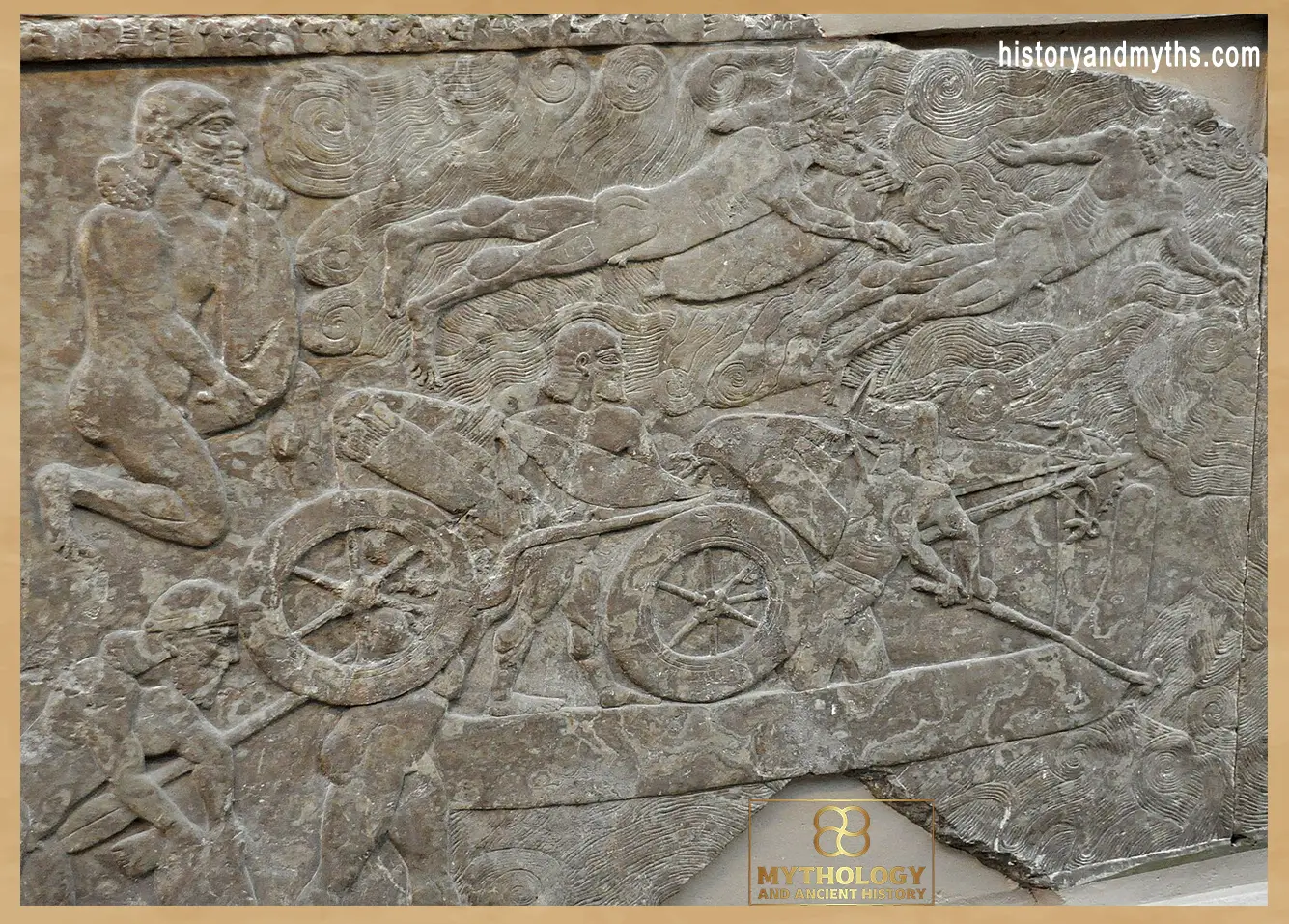
Conquest did not eliminate opposition. Across Mesopotamian empires, rebellion remained a constant challenge. Subjugated regions resisted taxation, forced labor, deportation, and political control whenever central authority weakened.
Major revolts often followed leadership transitions. New kings were tested by provincial elites seeking autonomy. Border regions and distant territories were especially prone to uprising due to limited supervision.
Coalitions between neighboring states increased resistance capacity. Cities coordinated revolts, shared resources, and sought external allies. Such alliances temporarily disrupted imperial control and forced costly military responses.
Suppressing rebellion required rapid intervention. Delay encouraged wider defection. Armies were redeployed quickly to isolate rebellious centers and cut supply routes. Leaders of revolts were publicly punished to deter imitation.
Repression was systematic. Cities that resisted were destroyed, populations displaced, and local elites removed. These measures restored order but intensified long-term resentment.
Continuous revolts drained manpower and resources. Over time, the cost of maintaining control increased, reducing imperial resilience.
Resistance did not usually overthrow empires immediately, but it weakened their foundations and accelerated decline.
Continue Reading
- Warfare in Mesopotamia: How Ancient Armies Fought and Organized Campaigns
- Army Structure in Mesopotamia: Ranks, Units, and Command Systems
- Weapons of Ancient Mesopotamia: From Spears to Siege Engines
- Mesopotamian Fortifications: City Walls, Gates, and Defense Systems
- Prisoners of War in Mesopotamia: Captivity, Labor, and Punishment
- What If Hammurabi Had Failed to Conquer Mesopotamia?
- What If Hammurabi Had Never Destroyed Mari?
Rise of Babylon and the Fall of Assyria
By the late seventh century BCE, the Assyrian imperial system began to fragment. Continuous warfare, internal rivalries, and administrative overload weakened central authority. Provinces became harder to control, and military responses grew slower.
Babylon emerged as the main challenger under Nabopolassar. Exploiting Assyrian instability, Babylon formed an alliance with the Medes. This coalition combined military pressure from multiple directions, stretching Assyrian defenses beyond capacity.
Key cities fell in rapid succession. In 612 BCE, Nineveh was captured after prolonged siege, marking the effective collapse of Assyrian dominance. Remaining Assyrian forces retreated westward but were defeated within a few years.
The new Babylonian leadership adopted many Assyrian administrative practices while softening some coercive policies. Control relied more on diplomacy and regional cooperation, though military campaigns remained essential.
Under Nebuchadnezzar II, Babylon expanded into Syria, Palestine, and parts of Egypt. These conquests reasserted Mesopotamian influence but lacked the institutional depth of the Assyrian system.
The transition of power demonstrated that military supremacy alone was insufficient. Sustainable empire required balanced administration, economic stability, and political legitimacy.
Limits of Imperial Expansion
Mesopotamian empires expanded rapidly, but their growth faced structural limits. Distance, terrain, and resource constraints placed constant pressure on military and administrative systems.
Long supply lines were difficult to protect. Transporting food, weapons, and reinforcements across mountains, deserts, and rivers increased costs and delayed response times. Remote provinces depended heavily on local cooperation, which was not always reliable.
Administrative capacity did not always match territorial size. As empires grew, supervision weakened. Corruption, delayed communication, and inconsistent policy enforcement reduced central control.
Military overstretch became a persistent problem. Armies were deployed simultaneously on multiple fronts, limiting reserves and increasing vulnerability to coordinated attacks.
Economic strain intensified over time. Continuous campaigning required heavy taxation and forced labor. These measures weakened agricultural productivity and fueled popular discontent.
Environmental pressures also played a role. Droughts, floods, and crop failures disrupted supply systems and reduced state revenue, undermining military operations.
Expansion succeeded only while logistical, administrative, and economic systems remained balanced. Once that balance failed, territorial cohesion collapsed.
Why Mesopotamian Conquests Succeeded—and Failed
Mesopotamian empires succeeded in conquest because they combined military force with administrative organization. Armies were supported by supply networks, standardized taxation, and centralized command. Warfare operated within institutional systems rather than relying on temporary mobilization.
Early success depended on strategic planning. Campaigns targeted key economic and political centers, disrupted regional alliances, and secured communication routes. Psychological pressure and rapid response limited prolonged resistance.
Control was maintained through governance. Provincial administration, population transfers, and permanent garrisons converted military victory into lasting authority. As long as these mechanisms functioned, empires remained stable.
Failure began when coordination weakened. Internal rivalries, declining revenue, and delayed military responses reduced effectiveness. Provinces gained autonomy, revolts multiplied, and external enemies exploited instability.
Overexpansion intensified vulnerability. Managing distant territories strained logistics and exhausted manpower. Continuous warfare eroded economic foundations and public support.
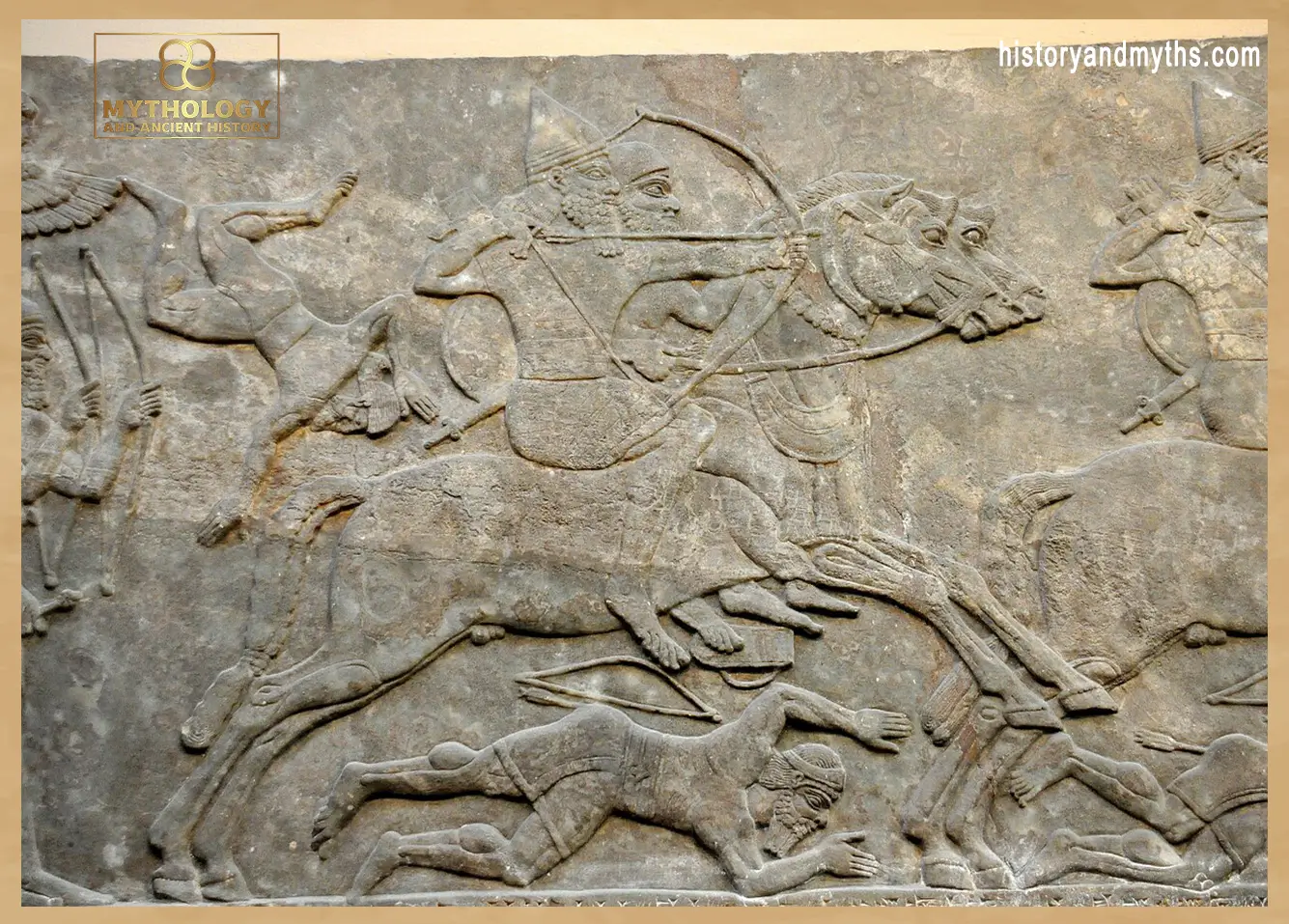
Mesopotamian conquest systems were highly effective but inherently fragile. Their strength depended on constant institutional performance. When that performance declined, imperial power dissolved rapidly.
Key Takeaways
- Mesopotamian conquest relied on administration as much as force
- The Assyrians created the first permanent war system
- Logistics determined success more than troop numbers
- Revolts gradually weakened imperial structures
- Overexpansion led to systemic collapse
- Military power depended on institutional stability
Frequently Asked Questions
How did Mesopotamian empires control conquered lands?
They installed governors, built garrisons, imposed tribute systems, and relocated populations.
Which empire was the most successful in conquest?
The Neo-Assyrian Empire achieved the largest and most sustained expansion.
Why did Assyrian conquests eventually fail?
Overextension, internal conflict, and economic strain weakened central control.
Did Mesopotamian empires rely only on military force?
No. Administration and economic management were equally important.
How important were rivers in military expansion?
Rivers enabled transport, supply movement, and rapid troop deployment.
Were conquered peoples integrated or oppressed?
Both. Some were integrated economically, while others were displaced.
What role did propaganda play in conquest?
Royal inscriptions and monuments promoted fear and legitimacy.
Sources & Rights
- Mario Liverani, The Ancient Near East: History, Society and Economy. Routledge.
- Karen Radner, Ancient Assyria: A Very Short Introduction. Oxford University Press.
- Georges Roux, Ancient Iraq. Penguin Books.
- Marc Van De Mieroop, A History of the Ancient Near East. Wiley-Blackwell.
- Julian Reade, Assyrian Sculpture. British Museum Press.
- Paul Collins, The Assyrian Palace. British Museum.
- Amélie Kuhrt, The Ancient Near East c.3000–330 BC. Routledge.
- British Museum Collections Database.
- Wikimedia Commons, licensed archaeological photographs.
Written by H. Moses — All rights reserved © Mythology and History