Ancient Mesopotamian Economy: Trade, Debt, and Daily Survival
Wealth, trade, and labor were organized to secure food, manage risk, and preserve stability in an environment marked by floods, droughts, and political uncertainty. Economic activity was not driven by unlimited growth or individual profit, but by the need to maintain predictable access to essential resources.
Understanding the Mesopotamian economy means examining how agriculture, trade, debt, and institutional control worked together as a single system. This article analyzes economic life as a framework that shaped opportunity, dependency, and social order in one of the world’s earliest civilizations.
What “Economy” Meant in Mesopotamia
In Mesopotamia, the economy was not centered on growth, competition, or personal wealth. It functioned as a system of resource management designed to secure food, labor, and stability in an unpredictable environment. Economic activity existed primarily to reduce risk, not to maximize profit.
Production, distribution, and exchange were organized around basic survival needs. Agriculture supplied grain, workshops produced essential goods, and trade filled material gaps. These activities were tightly connected to environmental conditions and institutional oversight, limiting spontaneous market behavior.
Economic life was also deeply embedded in social structure. Access to land, tools, credit, and labor depended on legal status and institutional affiliation. Wealth was not simply accumulated; it was administered, monitored, and often redistributed through temples, palaces, and household networks.
Rather than operating as an open market, the Mesopotamian economy functioned as a regulated survival network. Its primary objective was continuity—ensuring that food, labor, and obligations remained predictable enough to sustain society over time.
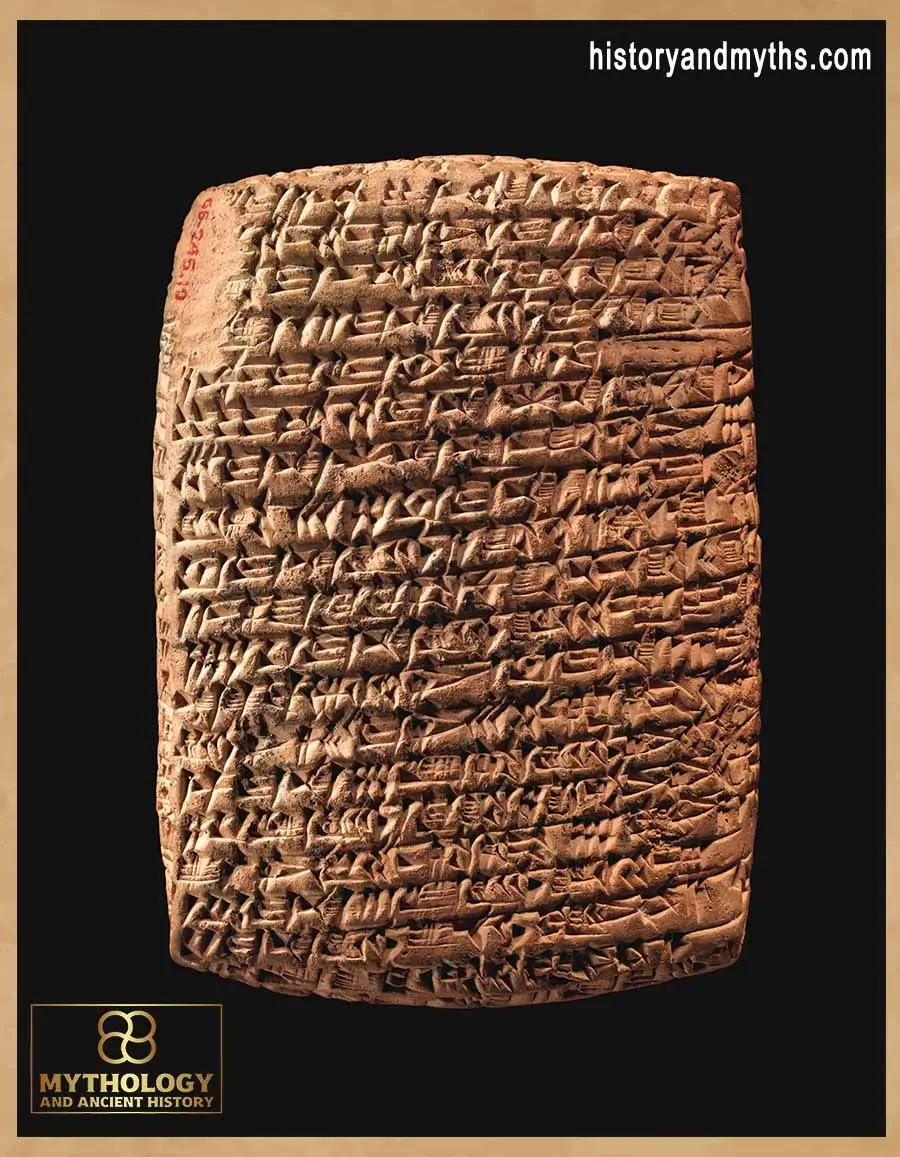
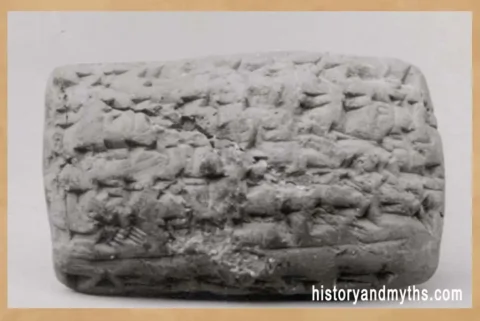
Public Domain (CC0 / Met Open Access).
| Economic Sector | Main Function | Social Impact |
|---|---|---|
| Agriculture | Food production | Foundation of economic stability |
| Craft Production | Tools and textiles | Supported household and institutions |
| Trade | Resource acquisition | Increased wealth and risk |
| Payment System | Value measurement | Standardized obligations |
| Labor | Workforce supply | Created dependency structures |
| Institutions | Storage and control | Centralized economic power |
Production: Agriculture, Craft, and Local Output
Economic life in Mesopotamia rested on local production, with agriculture forming its structural foundation. Grain cultivation, animal husbandry, and irrigation-based farming supplied the basic resources that sustained households, institutions, and urban centers. Without reliable agricultural output, no other economic activity could function.
Alongside farming, craft production supported daily consumption and administrative needs. Workshops and household-based artisans produced textiles, tools, pottery, and construction materials. Much of this production was organized through contractual arrangements or institutional supervision rather than independent enterprise.
Local output was shaped by environmental limits and logistical constraints. Production volumes depended on water management, seasonal conditions, and labor availability. Surpluses were uncertain and often redirected into storage systems controlled by major institutions.
As a result, Mesopotamian production emphasized consistency over expansion. Economic stability depended less on increasing output and more on maintaining reliable levels of essential goods within a fragile ecological and administrative framework.
Trade Networks and Economic Risk
Trade in Mesopotamia developed as a response to material scarcity rather than commercial ambition. The region lacked key resources such as timber, stone, and metals, making long-distance exchange necessary for urban and institutional survival. Trade networks connected Mesopotamian cities to Anatolia, the Levant, Iran, and the Gulf region.
These networks operated under constant risk. Caravans and river transport faced theft, environmental hazards, political instability, and logistical failure. Loss was a normal possibility, not an exception. As a result, trade relied heavily on contracts, partnerships, and shared liability arrangements designed to distribute risk.
Merchants functioned within strict legal and institutional frameworks. Many operated on behalf of temples or palaces, while others depended on credit and sponsorship. Independent entrepreneurship existed, but it was constrained by debt obligations and regulatory oversight.
Trade therefore represented both opportunity and vulnerability. While it enabled access to critical resources and wealth accumulation, it also exposed participants to financial instability. Economic success depended less on daring expansion than on managing uncertainty within tightly regulated exchange systems.
Money, Silver, and Payment Systems
The Mesopotamian economy functioned without coinage. Instead of minted money, economic transactions relied on silver as a standard unit of account and on agricultural products—especially grain—as practical means of payment. Value was calculated through weight and quantity rather than through fixed currency.
Silver served primarily as a measurement tool rather than as everyday cash. Contracts, loans, wages, and fines were often expressed in silver equivalents, even when actual payment was made in grain, textiles, or labor. This system allowed economic obligations to be standardized across different forms of exchange.
Wages and prices reflected this hybrid structure. Workers might receive barley rations, oil, or clothing instead of metal, while larger commercial or legal transactions were recorded in silver terms. This flexibility allowed economic life to function despite limited access to precious metals.
Payment systems were therefore designed for administrative clarity rather than convenience. By linking diverse goods and services to a common value standard, Mesopotamian institutions maintained control over economic relationships and reduced uncertainty in long-term obligations.
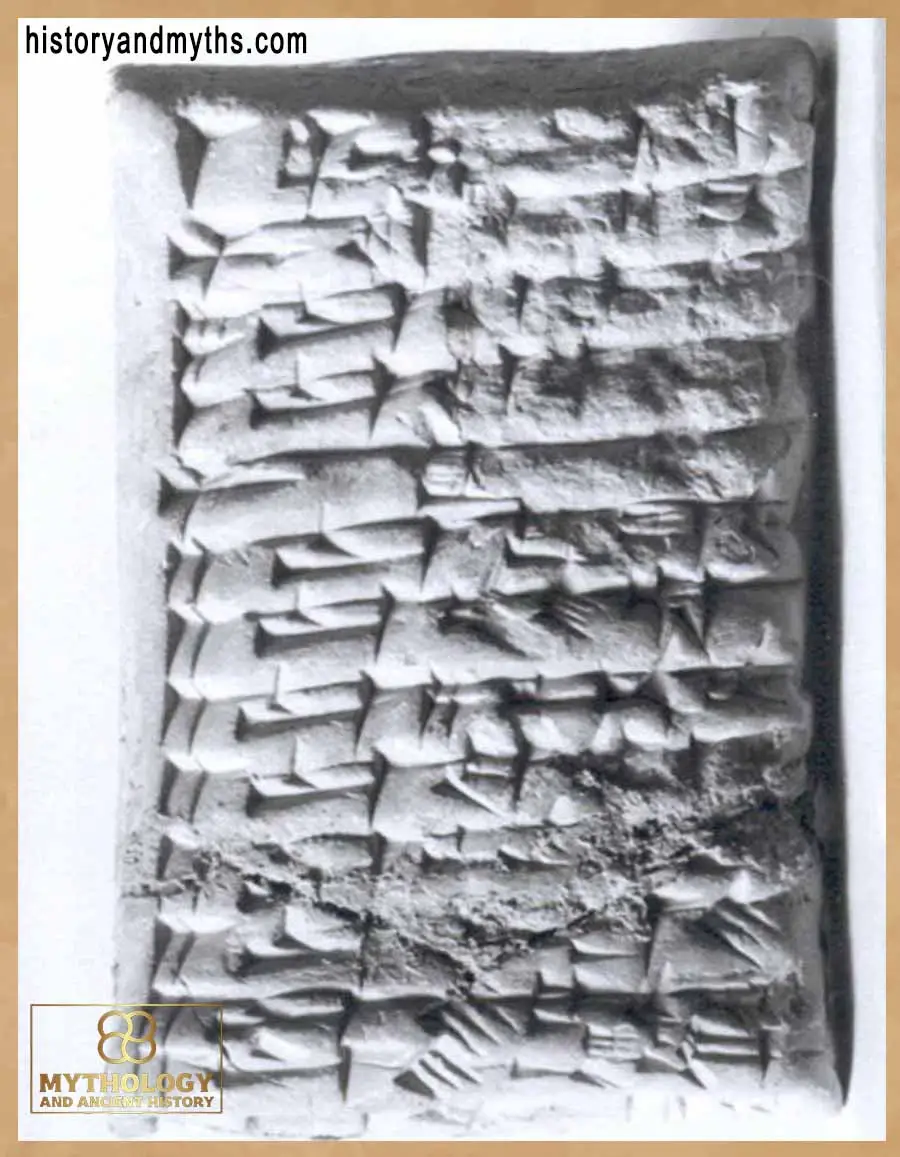
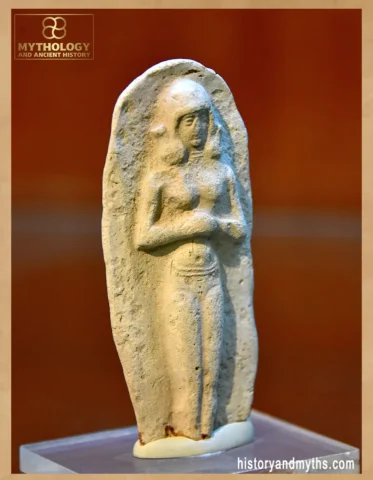
Public Domain (Creative Commons CC0 / Met Open Access).
- Designed for survival and continuity
- Based on agriculture and storage
- Supported by trade networks
- Regulated through legal contracts
- Controlled by major institutions
- Stabilized through debt mechanisms
© historyandmyths.com — Educational use
Wages, Labor, and Economic Dependence
Labor in Mesopotamia operated within a system that emphasized obligation and hierarchy rather than free negotiation. Most workers did not set their own terms of employment. Instead, wages and conditions were determined by institutional needs, customary rates, and contractual frameworks controlled by powerful households, temples, and palaces.
Compensation varied according to skill, status, and affiliation. Skilled artisans, administrators, and experienced workers received higher rations or silver equivalents, while unskilled laborers were paid primarily in food and basic provisions. These payments were designed to sustain workers, not to enable accumulation of independent wealth.
Employment was often temporary and unstable. Seasonal agriculture, construction projects, and trade expeditions created fluctuating labor demand. Many individuals moved between short-term contracts, household service, and institutional work, increasing their vulnerability to economic pressure.
This structure produced long-term dependence. Limited access to land, credit, and tools meant that workers frequently relied on employers or patrons for survival. Economic mobility existed, but it was constrained by debt obligations and institutional control, making sustained independence difficult for most of the population.
Debt, Credit, and Financial Vulnerability
Debt was a central mechanism of the Mesopotamian economy and one of its most powerful instruments of social control. Loans were commonly issued in silver or grain to cover agricultural losses, household shortages, or commercial ventures. Borrowing was not exceptional behavior; it was a routine response to environmental and economic instability.
Interest rates were standardized and legally regulated, yet repayment remained uncertain. Crop failure, trade loss, or illness could quickly turn temporary borrowing into long-term dependence. When debts could not be repaid, borrowers were often forced to pledge labor, property, or family members as security.
Debt therefore functioned as a pathway into reduced autonomy. Individuals who fell into prolonged obligation gradually lost economic independence and became tied to creditors through service or dependency arrangements. In extreme cases, debt could result in forms of temporary enslavement sanctioned by law.
Rather than serving primarily as a tool for investment, credit operated as a survival mechanism that redistributed risk from institutions to individuals. It stabilized the system as a whole while concentrating vulnerability among the lower and middle strata of society.
Temples, Palaces, and Resource Control
Temples and palaces formed the core of economic management in Mesopotamia. These institutions controlled large estates, storage facilities, workshops, and labor forces, giving them decisive influence over production and distribution. They did not merely participate in the economy; they structured it.
Through taxation, tribute, and obligatory service, institutions accumulated surplus resources that were redistributed according to administrative priorities. Grain, textiles, and livestock were recorded, stored, and allocated through centralized systems that reduced market uncertainty while reinforcing institutional authority.
Institutional control extended to credit, wages, and trade sponsorship. Many merchants, artisans, and workers operated under temple or palace supervision, limiting independent economic action. Access to resources often depended on institutional affiliation rather than open exchange.
By concentrating material and administrative power, temples and palaces ensured economic stability at the cost of individual autonomy. Their dominance transformed economic activity into a managed process aligned with political and religious objectives.
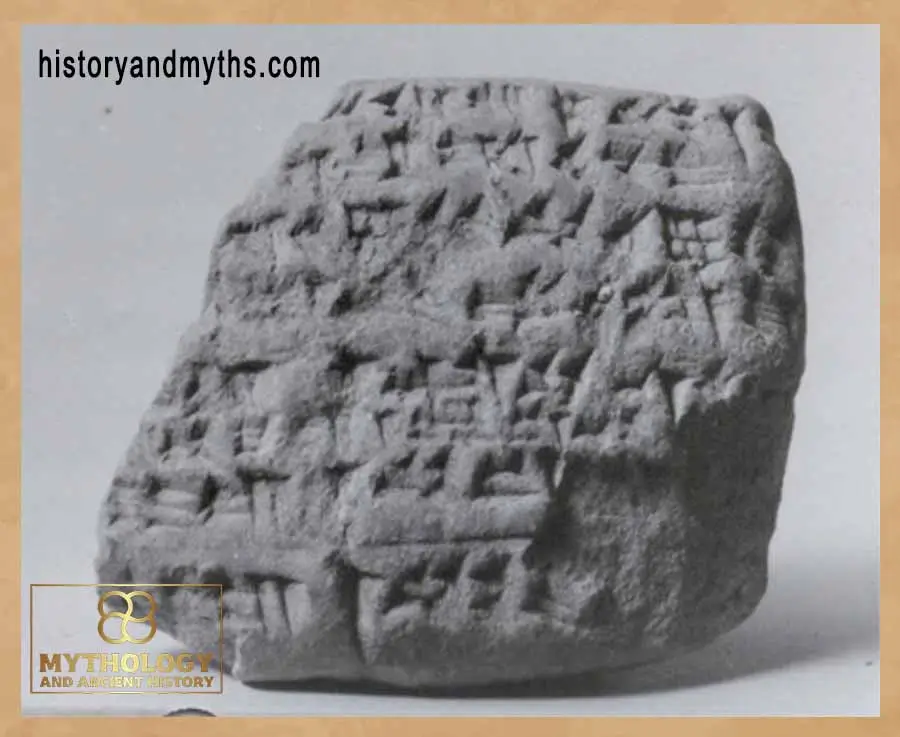
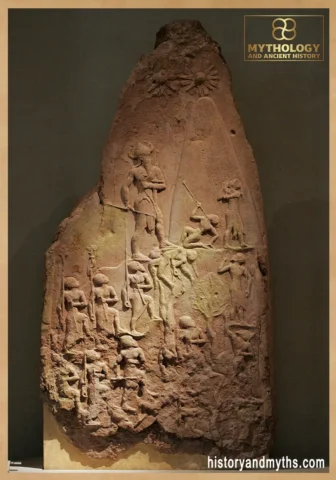
Public Domain (CC0 / Met Open Access).
Was the Mesopotamian Economy Free or Controlled?
The Mesopotamian economy operated as a hybrid system that combined limited market activity with strong institutional regulation. Private exchange, personal contracts, and small-scale entrepreneurship existed, but they functioned within boundaries set by legal norms and administrative oversight.
Prices, wages, and interest rates were often standardized through custom or law, reducing extreme fluctuation. Major resources—land, water access, storage facilities, and large labor pools—remained under institutional control. This prevented the emergence of fully independent markets.
Economic freedom was therefore relative. Individuals could engage in trade and manage property, but long-term security depended on maintaining favorable relationships with powerful institutions. Failure to do so increased exposure to debt and dependency.
This hybrid structure prioritized predictability over competition. By limiting unchecked market forces, Mesopotamian society preserved stability in a fragile environment where economic collapse posed immediate social and political risks.
Why the Mesopotamian Economy Was Built for Stability, Not Growth
The Mesopotamian economy was designed to minimize uncertainty rather than to maximize wealth. Production, trade, labor, and credit were organized to secure continuous access to essential resources in an environment marked by ecological and political instability. Economic success was measured by endurance, not expansion.
Institutions played a central role in maintaining this balance. By regulating storage, wages, and redistribution, temples and palaces absorbed systemic risk while transferring vulnerability to individuals and households. This arrangement preserved social order but limited long-term economic independence.
Debt, dependence, and institutional oversight formed the hidden architecture of economic life. These mechanisms ensured continuity across generations, even as they constrained personal mobility. Stability was achieved through discipline, repetition, and managed inequality.
Understanding the Mesopotamian economy therefore requires viewing it as a system of controlled survival. Its structures reveal how one of the world’s earliest civilizations sustained complex urban life without relying on unrestricted markets or modern financial institutions.
- The Mesopotamian economy prioritized stability over growth
- Agriculture formed the basis of all production
- Silver functioned mainly as a unit of account
- Labor operated through obligation and hierarchy
- Debt created long-term dependency
- Temples and palaces controlled major resources
Frequently Asked Questions
How did the Mesopotamian economy function?
It functioned as a regulated system designed to secure food, labor, and stability.
Did Mesopotamia use money?
No. Silver served as a unit of account, while most payments were made in goods.
Who controlled economic resources?
Temples, palaces, and elite households controlled most surplus and storage.
Why was debt so common?
Environmental and economic instability made borrowing a routine survival strategy.
Was trade risky?
Yes. Trade involved theft, loss, and political instability, requiring legal protection.
Sources & Rights
- Adams, Robert McC. Heartland of Cities. Chicago: University of Chicago Press, 1981.
- Bottéro, Jean. Mesopotamia: Writing, Reasoning, and the Gods. Chicago: University of Chicago Press, 1992.
- Charpin, Dominique. Writing, Law, and Kingship in Old Babylonian Mesopotamia. Chicago: University of Chicago Press, 2010.
- Foster, Benjamin R. Before the Muses. Bethesda: CDL Press, 2005.
- Garfinkle, Steven. Entrepreneurs and Enterprise in Early Mesopotamia. Ithaca: Cornell University Press, 2012.
- Hudson, Michael. The Lost Tradition of Biblical Debt Cancellations. New York: ISLET, 1993.
- Jacobsen, Thorkild. The Treasures of Darkness. New Haven: Yale University Press, 1976.
- Leick, Gwendolyn. The Babylonians. London: Routledge, 2003.
- Liverani, Mario. The Ancient Near East. London: Routledge, 2014.
- Michalowski, Piotr. The Correspondence of the Kings of Ur. Winona Lake: Eisenbrauns, 2011.
- Nemet-Nejat, Karen Rhea. Daily Life in Ancient Mesopotamia. Westport: Greenwood, 1998.
- Oates, Joan. Babylon. London: Thames & Hudson, 1986.
- Postgate, J. N. Early Mesopotamia. London: Routledge, 1992.
- Powell, Marvin. Money in Mesopotamia. Berlin: de Gruyter, 1996.
- Renger, Johannes. Institutional Households in Mesopotamia. Leiden: Brill, 2004.
- Snell, Daniel C. Life in the Ancient Near East. New Haven: Yale University Press, 1997.
- Stol, Marten. Women in the Ancient Near East. Berlin: de Gruyter, 2016.
- Van De Mieroop, Marc. A History of the Ancient Near East. Oxford: Wiley-Blackwell, 2016.
- Van De Mieroop, Marc. Society and Enterprise in Old Babylonian Ur. Berlin: Reimer, 1992.
- Wright, Henry T. Early State Dynamics in Mesopotamia. Journal of Anthropological Archaeology 25 (2006).
Written by H. Moses — All rights reserved © Mythology and History