Professions in Ancient Mesopotamia: Jobs, Skills, and Social Status
Professions in ancient Mesopotamia were not informal activities practiced by chance. They formed a structured system that supported agriculture, trade, administration, religion, and state power. From farmers and craftsmen to scribes and merchants, each profession operated within defined economic and social frameworks that sustained the world’s first urban civilizations.
Work in Mesopotamia was closely regulated through contracts, wages, training systems, and institutional oversight by temples and palaces. Professional specialization allowed cities to expand, manage resources efficiently, and maintain political stability. Employment was therefore both an economic necessity and a tool of social organization.
This article examines how professions functioned in Mesopotamian society, how people were trained and paid, how status shaped careers, and how labor contributed to long-term economic growth. By analyzing professional life through historical records and administrative texts, it reveals how organized work became a foundation of early civilization.
The Rise of Professional Specialization in Early Mesopotamia
From Farming Communities to Organized Urban Work
In the earliest phases of Mesopotamian history, most economic activity revolved around small farming communities focused on subsistence production. Families cultivated land, raised livestock, and produced basic tools largely for their own use. As population increased and permanent cities emerged along the Tigris and Euphrates, this self-sufficient model became insufficient.
Urban growth created new demands that could not be met by generalized labor. Construction projects required skilled builders, expanding trade networks needed experienced merchants, and growing administrations depended on trained scribes. Specialization therefore emerged as a practical response to complexity rather than a cultural preference.
Over time, distinct occupational groups developed around agriculture, craft production, trade, administration, and religious institutions. These groups were supported by training systems, contractual arrangements, and institutional supervision. Professional identity became a defining feature of urban life, shaping both economic productivity and social organization.
Why Professional Specialization Became Necessary
As Mesopotamian cities expanded, economic life grew more complex than individual households could manage alone. Large-scale irrigation, long-distance trade, storage of surplus grain, and public construction required coordinated labor and specialized skills. Generalized farming could no longer sustain urban populations.
Administrative systems also increased in scale. Temples and palaces managed land, labor, and resources through detailed records and redistribution networks. This required trained personnel capable of accounting, measurement, and documentation. Without professional specialization, institutional management would have collapsed under its own weight.
Specialization also improved efficiency and reliability. Skilled craftsmen produced standardized tools and materials, merchants developed expertise in pricing and exchange, and scribes ensured legal and financial accuracy. These roles reduced uncertainty and stabilized economic interactions, allowing Mesopotamian cities to function as integrated systems rather than fragmented communities.
Major Professional Groups in Mesopotamian Society
Professional life in Mesopotamia was organized around clearly defined occupational groups, each serving a specific economic and institutional function. These professions were not isolated activities but interconnected roles that supported urban stability and state administration.
Farmers and Agricultural Workers
Farmers formed the foundation of the economy. They cultivated barley, wheat, and dates using irrigation systems managed by local authorities. Agricultural labor was often organized through temple and palace estates, where workers received rations in exchange for service. Seasonal work cycles shaped rural professional life.
Craftsmen and Builders
Craftsmen produced pottery, textiles, metal tools, furniture, and construction materials. Builders and masons were essential for temples, city walls, canals, and palaces. Their work was regulated through contracts that defined materials, deadlines, and liability for defects.
Merchants and Traders
Merchants connected Mesopotamian cities to regional and long-distance trade networks. They transported grain, metals, timber, and luxury goods across Anatolia, Iran, and the Gulf. Commercial activity relied on credit systems, partnerships, and written agreements.
Scribes and Administrators
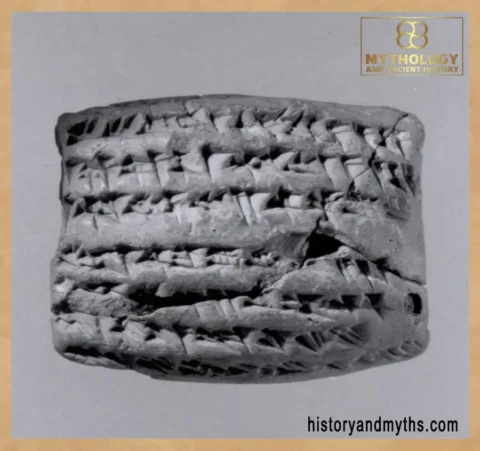
Scribes formed the administrative backbone of society. They recorded contracts, taxes, wages, inventories, and court decisions. Their literacy and mathematical skills gave them high social status and direct access to political authority.
Priests and Temple Workers
Temple personnel managed religious rituals, landholdings, workshops, and storage facilities. Priests supervised large labor forces and controlled significant economic resources, making temples major employers and financial centers.
Physicians and Healers
Healers combined medical treatment with ritual practices. They diagnosed illness, prepared remedies, and performed protective ceremonies. Their work was regulated by legal standards that defined responsibility and punishment for malpractice.
Major Professions in Mesopotamian Society
| Profession | Main Activities | Workplace | Payment Type | Social Status |
|---|---|---|---|---|
| Farmers | Cultivation and irrigation | Fields and canals | Grain rations | Low–Medium |
| Craftsmen | Pottery, metalwork, textiles | Workshops | Goods or silver | Medium |
| Merchants | Trade and transport | Markets, caravans | Profit share | Medium–High |
| Scribes | Administration and records | Temples, palaces | Rations and land | High |
| Priests | Rituals and management | Temples | Institutional income | High |
| Laborers | Construction and transport | Public projects | Rations | Low |
Training, Skills, and Career Development
Professional competence in Mesopotamia was built through long-term training rather than informal imitation. Most individuals learned their occupations within family networks or through structured apprenticeships, where practical skills were transmitted from experienced workers to younger generations.
Apprenticeship and Family Professions
Many professions were inherited within families. Sons of farmers, craftsmen, and merchants were typically trained from childhood in the same occupations. Apprentices worked under senior relatives or masters, gradually acquiring technical knowledge, discipline, and professional standards.
Scribal Schools and Formal Education
Scribes followed a more formal educational path. Specialized schools attached to temples and palaces taught writing, mathematics, accounting, and legal formulas. Students memorized complex sign lists and practiced administrative exercises before entering official service.
Learning Through Institutional Practice
Beyond family and schools, professional skills were refined through participation in large projects managed by temples and palaces. Construction work, agricultural administration, and trade expeditions provided practical experience under institutional supervision. Performance in these settings influenced promotion and long-term employment.
Training systems therefore ensured continuity, quality control, and social reproduction of skilled labor. Professional knowledge became a transferable asset that reinforced economic stability and administrative efficiency.
Work, Status, and Social Hierarchy
Professional roles in Mesopotamian society were closely linked to social status and political influence. Certain occupations, particularly those connected to administration and religion, carried higher prestige and offered greater access to resources and authority.
Prestige and Low-Status Occupations
Scribes, senior priests, and high-ranking merchants occupied the upper levels of professional hierarchy. Their literacy, institutional connections, and economic power placed them near ruling elites. In contrast, manual laborers, porters, and field workers held low-status positions with limited social mobility.
Gender and Professional Roles
Women participated in economic life primarily through textile production, food processing, midwifery, and household-based enterprises. Some women managed property and commercial transactions, but institutional careers remained largely restricted to men.
Slaves and Forced Labor
Slaves and debt dependents formed a controlled labor force used in agriculture, construction, and domestic service. Their professional opportunities were limited, and their labor was directed by owners or state institutions. Large-scale public projects often relied on such dependent workers.
Work therefore reinforced social stratification. Professional identity was not only a source of income but also a marker of social position and legal privilege.
Institutions and Professional Organization
Professional activity in Mesopotamia was shaped and coordinated by major institutional centers rather than by isolated individuals. Temples, palaces, and private workshops functioned as administrative hubs that organized labor, distributed resources, and enforced professional standards.
The Role of Temples
Temples controlled extensive landholdings, storage facilities, and production workshops. They employed farmers, craftsmen, scribes, and transport workers under centralized management. Wages were often paid in rations of grain, oil, and textiles, linking religious institutions directly to economic life.
Palaces and State Projects
Palaces directed large-scale construction, irrigation maintenance, military supply, and administrative operations. Workers were recruited through official channels and assigned to specific tasks under bureaucratic supervision. State projects provided steady employment but also imposed strict discipline and productivity requirements.
Markets and Private Workshops
Alongside institutional employment, private workshops and market-based enterprises operated in urban centers. Independent craftsmen, shopkeepers, and traders conducted business through contracts and partnerships. Although smaller in scale, this private sector encouraged competition, specialization, and innovation.
These institutions created a layered professional system in which public administration, religious authority, and private enterprise interacted to regulate labor and production.
Professional Organization in Mesopotamia
- Temples controlled large labor forces.
- Palaces managed public projects.
- Scribes supervised contracts and wages.
- Rations replaced cash salaries.
- Work was institutionally regulated.
- Private workshops coexisted with state control.
© historyandmyths.com — Educational Use
Wages, Contracts, and Legal Protection
Professional activity in Mesopotamia operated within clearly defined legal and economic frameworks. Employment relationships were regulated through written contracts that specified duties, duration of service, compensation, and penalties for noncompliance.
Payment Systems
Wages were commonly paid in standardized rations of barley, oil, wool, or silver. Institutional workers received fixed allotments, while merchants and skilled craftsmen often negotiated payments based on performance and risk. This system ensured predictable income and facilitated large-scale labor organization.
Employment Contracts
Contracts recorded working conditions, material responsibilities, and completion deadlines. Builders, transporters, and artisans were legally accountable for defects, delays, or losses. Written agreements protected both employers and workers by clarifying expectations.
Disputes and Professional Liability
Legal texts reveal frequent disputes over unpaid wages, damaged goods, and failed services. Courts evaluated evidence through documents and witnesses. Professionals who caused harm through negligence could face financial penalties or loss of status.
These mechanisms integrated professional life into the broader legal system, reducing uncertainty and reinforcing trust in economic relationships.
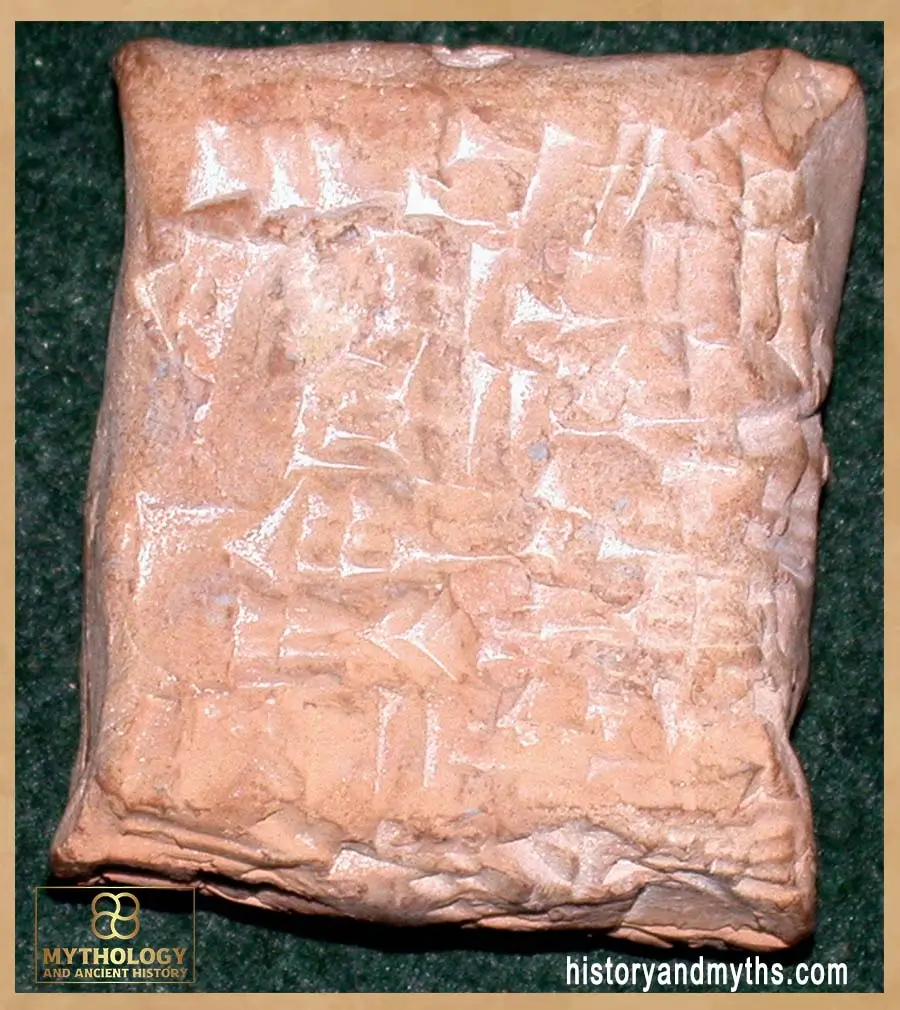
Professions and Economic Growth
Professional specialization played a central role in Mesopotamia’s economic expansion. By assigning specific tasks to trained workers, cities increased productivity, reduced waste, and improved the quality of goods and services.
Skilled craftsmen produced standardized tools, textiles, and building materials that supported large construction projects and trade networks. Merchants facilitated the circulation of surplus resources across regions, linking local economies to international markets. Scribes ensured accurate accounting, enabling efficient redistribution and taxation.
Specialized labor also encouraged technological development. Improvements in irrigation techniques, metallurgy, transportation, and textile production emerged from accumulated professional knowledge. These innovations strengthened agricultural output and commercial competitiveness.
Through specialization, Mesopotamian societies transformed labor into a structured economic engine. Professions became mechanisms for sustained growth rather than isolated means of survival.
Continue Reading
- Law and Justice in Mesopotamian Society
- Economy of Mesopotamia
- Daily Life in Ancient Mesopotamia
- Education and Knowledge in Mesopotamia
- Power and Authority in Mesopotamian Civilization
Limits and Inequalities in Professional Life
Despite its organizational strength, Mesopotamian professional life was marked by clear structural limitations. Career mobility was restricted by family background, social status, and institutional access. Most individuals remained within the occupational categories into which they were born.
Debt dependency and economic hardship often reduced free workers to semi-servile conditions. Farmers and craftsmen who failed to meet obligations could be forced into dependent labor, limiting their professional autonomy. Slaves, in particular, had little opportunity to acquire independent skills or economic influence.
Regional and institutional differences also shaped professional opportunities. Workers attached to major temples or palaces enjoyed greater security and resources than those operating in small towns or rural settlements. Urban professionals benefited from stronger networks and legal protection.
Professional life therefore reflected broader social inequalities. While specialization promoted economic efficiency, it also reinforced patterns of dependency and limited upward mobility.
Legacy of Mesopotamian Professions
The professional systems developed in ancient Mesopotamia influenced later civilizations across the Near East and Mediterranean world. Administrative practices, contractual labor arrangements, and institutional management models were adopted and adapted by Assyrian, Babylonian, and Persian governments.
Specialized training, record-keeping, and standardized production methods became enduring features of state administration and economic organization. The scribal tradition, in particular, shaped bureaucratic cultures for centuries, forming the foundation of legal, fiscal, and diplomatic systems.
Beyond institutional continuity, Mesopotamian professions established a lasting model of organized labor within complex societies. Work was no longer defined solely by subsistence needs but by structured roles, regulated responsibilities, and professional identity.
By transforming labor into a coordinated social system, Mesopotamian civilization demonstrated that economic specialization was essential for sustaining large urban populations and political authority. This legacy remains one of its most important contributions to world history.
Key Takeaways
- Professions formed the backbone of urban life.
- Specialization increased economic efficiency.
- Training ensured professional continuity.
- Institutions regulated labor systems.
- Status shaped career opportunities.
- Work reinforced social hierarchy.
Frequently Asked Questions
What was the most important profession in Mesopotamia?
Agriculture formed the foundation of all economic activity.
How were workers paid?
Most workers received grain, oil, wool, or silver as wages.
Did professions run in families?
Yes. Many occupations were passed from parents to children.
Were women involved in professional work?
Yes. Mainly in textile production and household industries.
Did slaves have professions?
Slaves performed agricultural, domestic, and construction labor.
Who controlled most employment?
Temples and palaces were the main employers.
Sources & Rights
- Bottéro, Jean. Mesopotamia: Writing, Reasoning, and the Gods. Chicago: University of Chicago Press, 1992.
- Postgate, J. N. Early Mesopotamia. London: Routledge, 1994.
- Oppenheim, A. Leo. Ancient Mesopotamia. Chicago: University of Chicago Press, 1977.
- Van De Mieroop, Marc. A History of the Ancient Near East. Oxford: Blackwell, 2007.
- Snell, Daniel. Life in the Ancient Near East. New Haven: Yale University Press, 1997.
- Kramer, Samuel Noah. History Begins at Sumer. Philadelphia: University of Pennsylvania Press, 1981.
- Roth, Martha. Law Collections from Mesopotamia. Atlanta: Scholars Press, 1997.
- Hallo, William. The Context of Scripture. Leiden: Brill, 2003.
- Leick, Gwendolyn. Mesopotamia: The Invention of the City. London: Penguin, 2002.
- Kuhrt, Amélie. The Ancient Near East. London: Routledge, 1995.
- Stol, Marten. Women in the Ancient Near East. Berlin: De Gruyter, 2016.
- Cooper, Jerrold. Sumerian and Akkadian Royal Inscriptions. New Haven: Yale, 1986.
- Charpin, Dominique. Writing, Law, and Kingship. Chicago: University of Chicago Press, 2010.
- Foster, Benjamin. Before the Muses. Bethesda: CDL Press, 2005.
- Westbrook, Raymond. A History of Ancient Near Eastern Law. Leiden: Brill, 2003.
- Joannès, Francis. Dictionary of Ancient Mesopotamia. London: British Museum Press, 2001.
- Leemans, W. F. Foreign Trade in the Old Babylonian Period. Leiden: Brill, 1960.
- Powell, Marvin. Labor in Mesopotamia. Philadelphia: University of Pennsylvania Press, 1987.
- Michalowski, Piotr. The Correspondence of the Kings of Ur. Winona Lake: Eisenbrauns, 2011.
- Van De Mieroop, Marc. King Hammurabi of Babylon. Oxford: Blackwell, 2005.
Written by H. Moses — All rights reserved © Mythology and History