Women in Mesopotamian Civilization: Law, Work, and Daily Life
Women in Mesopotamian civilization were not marginal figures confined to the household; they were legally recognized individuals who worked, owned property, signed contracts, appeared in court, and participated in religious and economic life—yet their rights and freedoms varied sharply by class, city, and period. This article explains how women actually lived in Sumerian, Babylonian, and Assyrian societies: what work they did, how the law treated them beyond marriage, where religion empowered or restricted them, and why modern summaries often misrepresent their real position. By grounding the discussion in legal texts, economic records, and daily practices, this study moves past clichés to show the concrete realities of women’s lives in ancient Mesopotamia—and where power, risk, and limitation truly lay.
The Legal Status of Women in Mesopotamia: Rights vs. Reality
Women in Mesopotamian societies were recognized by law as legal persons, not dependents without standing. From the third millennium BCE onward, cuneiform records show women owning property, receiving wages or rations, initiating lawsuits, and appearing as parties in contracts. In principle, the law acknowledged women as bearers of rights and obligations. In practice, however, those rights were filtered through class, family structure, and local custom—creating a persistent gap between what the law allowed and what women could safely exercise.
Women as Legal Persons in Mesopotamian Law
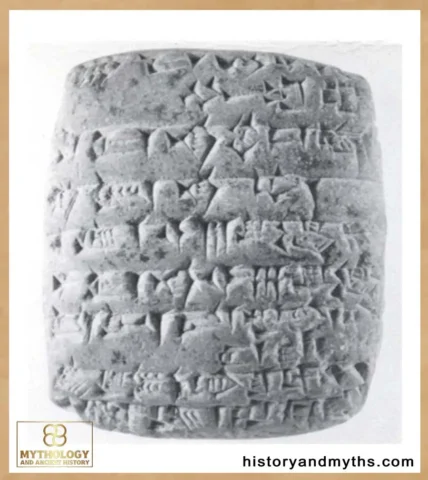
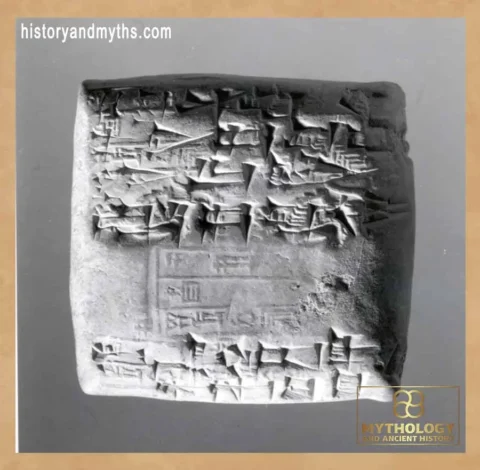
Legal texts from Sumerian city-states and later Babylonian and Assyrian kingdoms confirm that women could hold property in their own names, inherit assets, and dispose of them through sale or donation. Tablets record women leasing fields, lending silver, hiring labor, and sealing contracts with their own seals. In court proceedings, women could testify and bring claims, particularly in disputes over property, inheritance, or family obligations. This legal visibility distinguishes Mesopotamia from many later societies that restricted women’s formal legal agency.
What the Law Granted — and What Society Allowed
Despite formal recognition, legal agency was unevenly accessible. A woman’s marital status and household position shaped how freely she could act. Married women often operated through their husbands in public transactions, while widows and priestesses appear more frequently as independent actors. Economic autonomy was therefore situational rather than universal. The law might permit ownership or litigation, but social pressure—fear of retaliation, loss of family protection, or damage to reputation—often discouraged women from exercising those rights openly.
When the Law Protected Women — and When It Failed Them
Mesopotamian law codes include provisions meant to protect women from abandonment, unlawful divorce, or economic deprivation, especially in cases involving dowry or child support. At the same time, the same legal systems imposed severe penalties on women accused of sexual misconduct or disobedience, sometimes with collective punishment extending to their households. Protection and vulnerability coexisted within the same framework: the law could secure a woman’s property one moment and expose her to extreme risk the next. Understanding women’s legal status in Mesopotamia therefore requires reading legal texts not as guarantees, but as tools whose impact depended on power, class, and circumstance.
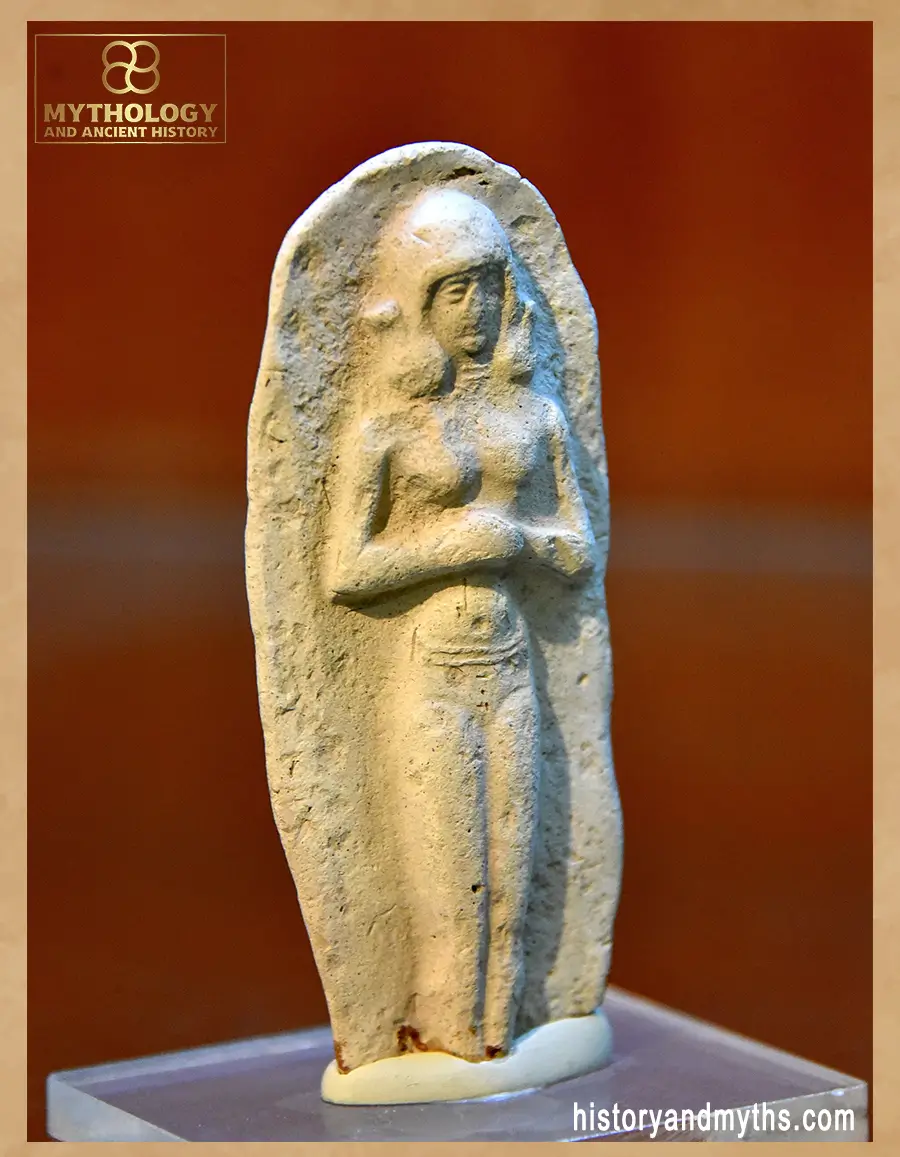
Source: Wikimedia Commons. Author: Osama Shukir Muhammed Amin. License: CC BY-SA 4.0.
| Domain | Main Roles | Legal Status | Risk Level |
|---|---|---|---|
| Household | Food processing, childcare, textile work | Dependent on male guardian | Medium |
| Temple | Priestesses, weavers, ritual specialists | High autonomy | Low |
| Economy | Weaving, brewing, trade, taverns | Contractual but restricted | Medium–High |
| Law | Marriage, inheritance, court appearance | Conditional personhood | High |
| Slavery | Domestic & industrial labor | No legal identity | Extreme |
Daily Life of Women in Mesopotamian Society
For most women in Mesopotamia, daily life was defined less by legal theory and more by continuous labor. Survival in an agrarian, pre-industrial society required constant work, and women carried a disproportionate share of it. Their days were shaped by food production, household management, child care, and seasonal agricultural demands, with little separation between “domestic” and “economic” activity. Understanding women’s daily routines is essential to grasping their real social position, far beyond what law codes alone suggest.
Household Responsibilities and Invisible Labor
The Mesopotamian household functioned as a productive unit, not merely a private space. Women were responsible for grinding grain, baking bread, brewing beer, spinning and weaving textiles, storing food, and maintaining tools and clothing. These tasks were physically demanding and time-consuming, often occupying most of the day. Although rarely celebrated in elite texts, this labor formed the backbone of urban and rural economies. Without women’s household production, temples, markets, and state institutions could not function.
Work Inside and Outside the Home
Women’s labor extended beyond the household when necessity or opportunity demanded it. Many women worked in temple workshops, textile production centers, breweries, and agricultural estates. Others sold surplus goods in local markets or worked as hired laborers during peak agricultural seasons. These activities blurred the line between “housewife” and “worker.” Even when women did not receive direct wages, their labor generated surplus value that sustained families and institutions alike.
Time, Effort, and Physical Risk in Women’s Daily Routines
Daily life also carried significant physical risk. Repetitive labor caused long-term strain, while exposure to heat, fire, sharp tools, and contaminated water was constant. Pregnancy and childcare added further demands, often without respite from work. Unlike elite women, most women could not withdraw from labor during illness or pregnancy. The absence of mechanization meant that survival depended on endurance, making women’s daily routines a central—yet largely invisible—pillar of Mesopotamian civilization.
Women and Work: Economic Roles Beyond the Household
Women in Mesopotamia were not confined to unpaid domestic labor; many participated directly in the wider economy. Administrative tablets from temples, palaces, and private archives show women working as producers, wage earners, and managers of resources. Their economic roles were shaped by local demand and institutional needs rather than by ideology alone, making women an integral part of Mesopotamian economic life.
Women in Agriculture, Weaving, and Food Production
Agriculture remained the foundation of the economy, and women were involved at multiple levels. Alongside men, women worked in planting, harvesting, and processing crops, especially during peak seasons. Textile production was even more strongly associated with female labor. Large-scale weaving workshops attached to temples and palaces employed hundreds of women and girls, producing cloth for redistribution, trade, and religious use. Food production—particularly milling grain, baking bread, and brewing beer—also generated goods that circulated beyond the household, linking women’s labor directly to urban markets.
Female Merchants, Taverns, and Market Activity
Some women operated independently as traders and tavern keepers. Legal texts refer to women selling beer, managing inns, and engaging in small-scale commerce. These activities brought women into regular contact with male customers and officials, placing them under both economic opportunity and legal scrutiny. While profitable, such roles carried social risk, as tavern keeping in particular was closely regulated and morally policed by the authorities. Still, the existence of these records confirms that women could and did act as visible economic agents.
Wages, Rations, and Economic Dependency
Payment for women’s labor varied widely. In institutional settings, women often received rations of grain, oil, and wool rather than silver wages, reflecting a controlled redistribution economy. Skilled workers or managers could receive higher allocations, while unskilled laborers received minimal subsistence. This system created economic dependency on institutions or households, limiting mobility even when women were productive workers. Economic participation did not automatically translate into independence, but it positioned women as essential contributors to Mesopotamian production and survival.
Women in Mesopotamian civilization were not defined by marriage alone. Their real position was shaped by class, labor, and institutional affiliation. Religion offered autonomy, the economy demanded productivity, and the law imposed control.
Class and Status: Not All Women Lived the Same Life
Women’s experiences in Mesopotamian civilization varied sharply according to social class, legal status, and institutional affiliation. There was no single “female condition.” Instead, class determined access to rights, protection, education, and even the meaning of work itself.
Elite Women: Property, Influence, and Limited Visibility
Elite women—wives and daughters of kings, governors, priests, and high officials—rarely appeared in economic records as laborers, but they were far from powerless. Legal and administrative texts show elite women owning land, slaves, livestock, and silver. Some managed estates or supervised household economies that rivaled small institutions. Royal women could sponsor building projects, dedicate offerings to temples, and act as intermediaries in political alliances through marriage.
However, their influence operated mostly within controlled spaces: the palace, the extended household, and religious institutions. Visibility in public economic life was limited, but authority within private and institutional domains could be substantial.
Free Commoner Women: Work, Marriage, and Legal Exposure
Most women belonged to the free commoner class. These women worked as weavers, brewers, agricultural laborers, midwives, and traders. They could marry, divorce, inherit property, and appear in court, but their rights were conditional and closely tied to male relatives—fathers, husbands, or sons.
Contracts show that a woman’s legal capacity expanded or contracted depending on her marital status. A married woman’s property was often managed jointly with her husband, while widows enjoyed comparatively greater economic autonomy. Still, legal exposure was real: penalties for misconduct, debt, or alleged sexual offenses could be severe, especially for women without strong family backing.
Enslaved Women: Labor Without Protection
At the lowest end of the social scale were enslaved women. They appear frequently in sale contracts, labor lists, and household inventories. Enslaved women performed the hardest and least secure work: grinding grain, carrying water, textile production, domestic service, and sexual exploitation.
Unlike free women, enslaved women had no independent legal identity. Their marriages were informal, their children belonged to the owner, and their bodies were legally accessible. Some could earn or be granted freedom, but this depended entirely on the will of their owners. Their lives illustrate most clearly how gender and class combined to shape vulnerability in Mesopotamian society.
Education, Literacy, and Religious Roles of Women
Women’s access to knowledge and authority in Mesopotamia did not come primarily through formal schooling, but through religion, household training, and professional specialization. While scribal education was overwhelmingly male, religious institutions created alternative paths to literacy, prestige, and long-term influence for women.
Literacy Beyond the Scribal Schools
Cuneiform school texts show that formal scribal training was reserved almost entirely for boys, usually sons of scribes or officials. However, this does not mean women were illiterate by default. Legal documents, letters, and economic texts attest that some women—especially priestesses, elite women, and professional administrators—could read and write, or at least dictate and verify documents with legal awareness.
Literacy among women was functional rather than academic: managing property, supervising labor, issuing instructions, or handling temple accounts. The absence of women from school texts reflects institutional exclusion, not intellectual incapacity.
Priestesses and Sacred Authority
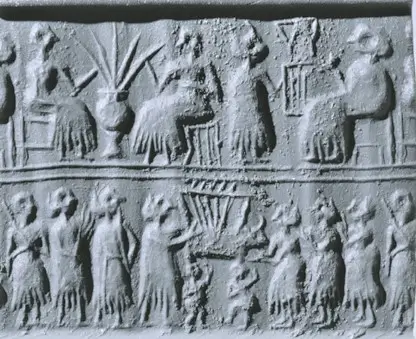
Religion offered women their most stable and socially legitimate form of power. High-ranking priestesses held lifelong offices tied to major temples and deities. These women controlled land, received rations, supervised personnel, and participated in ritual cycles central to city identity. Their authority was institutional, not symbolic.
Some priestesses were required to remain celibate; others were not. The role was not uniform, but in all cases it elevated women above ordinary social hierarchies. Temple records consistently show priestesses acting independently in economic transactions, a privilege rare for married women outside religious life.
Ritual Specialists and Healers
Beyond formal priesthoods, women served as ritual practitioners, midwives, lamentation singers, and healers. Medical and magical texts indicate female expertise in childbirth, gynecology, and protective rituals. These roles were not marginal; they addressed high-risk moments in human life—birth, illness, and death—where divine intervention was believed to be essential.
Such women operated at the intersection of religion and medicine, often enjoying community respect despite lacking elite status.
Limits of Religious Power
Religious authority did not erase gender hierarchy. Even the most powerful priestesses operated within male-dominated pantheons and administrative systems. Final authority rested with male gods and male officials. Still, compared to other social domains, religion offered women the widest space for autonomy, continuity, and institutional legitimacy.
Work, Labor, and Economic Contribution of Women
Women were an essential part of the Mesopotamian economy, not as a symbolic workforce but as productive laborers whose work sustained households, temples, and state institutions. Economic texts leave no doubt that female labor was organized, quantified, and exploited.
Textile Production: The Core of Female Labor
Textile work was the primary economic activity assigned to women. Temples and palaces employed large groups of female weavers, spinners, and dyers, often working under strict supervision. Ration lists show women receiving standardized payments in barley, oil, and wool, tied directly to output.
This was not domestic craft; it was proto-industrial production. Poor performance could lead to reduced rations or punishment, especially for dependent or enslaved women.
Agricultural and Seasonal Work
Although plowing and irrigation were male-dominated, women participated in agriculture during planting and harvest seasons. They processed grain, managed storage, prepared food for labor teams, and worked in date groves and gardens.
In rural households, women’s labor often determined family survival, particularly during shortages. Their work was continuous and physically demanding, yet rarely acknowledged in elite narratives.
Trade, Taverns, and Market Activity
Some women operated taverns, brewed beer, sold food, or engaged in small-scale trade. Legal texts regulating taverns—often run by women—show that these spaces were economically important but socially controlled. Authorities feared taverns as sites of disorder, debt, and illegal activity, and female tavern-keepers were held personally liable for violations.
This reflects both economic agency and legal vulnerability: women could operate businesses, but under close scrutiny.
Wages, Rations, and Inequality
Women generally received lower rations and wages than men for comparable work. This was not incidental; it was systematic. Economic texts normalize unequal compensation based on gender and status.
Despite this, women’s labor was indispensable. Without female workers, textile production, food processing, and household economies would collapse. Mesopotamian civilization functioned because women worked—constantly, visibly, and under pressure.
Law, Control, and Social Risk in Women’s Lives
Mesopotamian law did not aim to protect women as a category; it aimed to regulate them. Legal texts reveal a system concerned with order, lineage, and property, where women were legally visible but constantly exposed to risk.
Legal Personhood and Conditional Rights
Women could own property, inherit assets, make contracts, and appear in court. This legal capacity, however, was conditional. A woman’s rights expanded or shrank depending on her status as daughter, wife, widow, or priestess. Widows, in particular, enjoyed greater legal autonomy because they were no longer under male guardianship.
Marriage, Sexual Control, and Reputation
Law codes treated female sexuality as a matter of social stability. Adultery, suspected infidelity, or sexual misconduct carried harsh penalties, often directed more severely at women than men. In many cases, punishment depended not on proof but on accusation and social standing.
A woman’s reputation was a form of legal currency: once damaged, it could lead to loss of protection, divorce without compensation, or worse.
Violence, Debt, and Vulnerability
Women were especially vulnerable in cases of debt. Legal texts allow wives and children to be pledged temporarily as debt servants, exposing women to forced labor and abuse without formal enslavement.
Physical violence against women was regulated, not prohibited. Compensation was often paid to male relatives rather than to the woman herself, reinforcing the idea that harm to women was primarily a loss to male household authority.
Law as Control, Not Equality
Mesopotamian law recognized women, but it did not treat them as equals. It functioned as a mechanism of control—defining acceptable behavior, punishing deviation, and preserving male-dominated social order.
Yet within these constraints, women navigated the system pragmatically: using contracts, kinship ties, religious roles, and economic skill to secure survival and, occasionally, influence.
- Women’s lives differed sharply by class and legal status.
- Temple institutions provided the highest degree of female autonomy.
- Textile production was the backbone of women’s economic labor.
- Legal recognition existed, but always with conditions and risks.
- Enslaved women experienced the most extreme vulnerability.
Frequently Asked Questions
Did women have legal rights in Mesopotamia?
Yes, but their rights were conditional on class, marital status, and family protection.
Could women work outside the home?
Yes. Women worked in temples, workshops, agriculture, and trade.
Were Mesopotamian women literate?
Some were, especially priestesses and elite women, though formal education was male-dominated.
Did women own property?
Yes. Women could inherit, own, and manage property, particularly widows and priestesses.
Were enslaved women treated differently?
Yes. Enslaved women had no legal personhood and faced extreme exploitation.
Sources & Rights
- Bottéro, Jean. Religion in Ancient Mesopotamia. Chicago: University of Chicago Press, 2001.
- Van De Mieroop, Marc. A History of the Ancient Near East, ca. 3000–323 BC. 3rd ed. Malden, MA: Wiley-Blackwell, 2016.
- Foster, Benjamin R. Before the Muses: An Anthology of Akkadian Literature. 3rd ed. Bethesda, MD: CDL Press, 2005.
- Roth, Martha T. Law Collections from Mesopotamia and Asia Minor. 2nd ed. Atlanta: Scholars Press, 1997.
- Stol, Marten. Women in the Ancient Near East. Berlin: De Gruyter, 2016.
- Westenholz, Joan Goodnick. “Women in Mesopotamia.” In Civilizations of the Ancient Near East, edited by Jack M. Sasson, 189–202. New York: Scribner, 1995.
- Asher-Greve, Julia M. Women and Gender in Ancient Religions. Tübingen: Mohr Siebeck, 2012.
- Snell, Daniel C. Life in the Ancient Near East. New Haven: Yale University Press, 1997.
- Hallo, William W., and J. J. A. van Dijk. The Exaltation of Inanna. New Haven: Yale University Press, 1968.
- Leick, Gwendolyn. Mesopotamia: The Invention of the City. London: Penguin Books, 2002.
- Glassner, Jean-Jacques. Mesopotamian Chronicles. Atlanta: Society of Biblical Literature, 2004.
- Oppenheim, A. Leo. Ancient Mesopotamia: Portrait of a Dead Civilization. Revised ed. Chicago: University of Chicago Press, 1977.
- Kuhrt, Amélie. The Ancient Near East c. 3000–330 BC. London: Routledge, 1995.
Written by H. Moses — All rights reserved © Mythology and History