Cylinder Seals in Mesopotamia: Identity, Law, and Power
Cylinder seals were the primary system of identification, authentication, and authorization in ancient Mesopotamia. Rolled onto wet clay, these engraved cylinders validated contracts, secured property, and confirmed official orders long before handwritten signatures existed.
Beyond administration, seals carried religious symbols and personal imagery that linked legal authority to divine legitimacy. A single impression could represent an individual’s status, profession, and institutional role within society.
This article examines cylinder seals as functional tools of power rather than decorative artifacts. By analyzing their use, symbolism, production, and legal role, it explains how small engraved objects became the backbone of Mesopotamian bureaucracy and social trust.
What Are Cylinder Seals?
Cylinder seals were small engraved cylinders, usually made of stone, designed to be rolled across wet clay to produce continuous images. Unlike stamp seals, which left single impressions, cylinder seals created extended visual signatures that covered entire document surfaces.
Their primary purpose was authentication. When applied to tablets, envelopes, storage jars, or doors, seals verified identity and authorization. A sealed object could not be opened, altered, or transferred without detection.
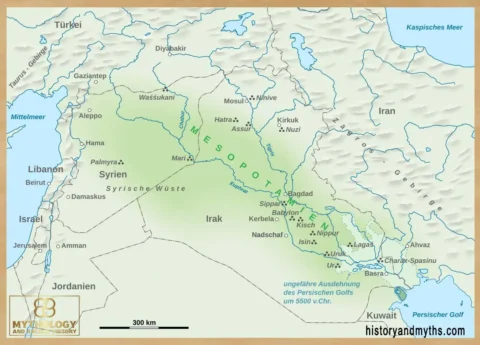
Cylinder seals first appeared in southern Mesopotamia during the late fourth millennium BCE, alongside the rise of writing and institutional administration. Their development reflects the growing need for secure systems of record-keeping in temples, palaces, and trade networks.
Each seal was individually carved and visually distinctive. Ownership was personal, and unauthorized use was treated as fraud. In this sense, seals functioned as early legal instruments rather than artistic ornaments.
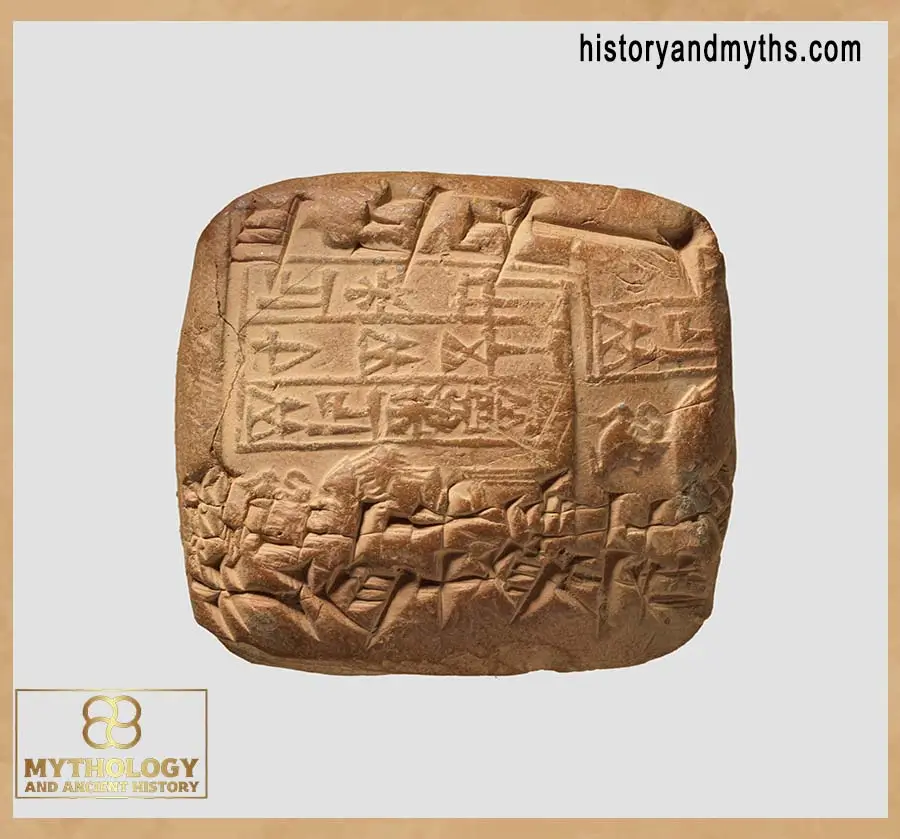
Image: Cuneiform tablet impressed with cylinder seal recording a receipt of glue, clay tablet from Drehem (Puzrish-Dagan), Ur III period, Neo-Sumerian (c. 2049 BCE), The Metropolitan Museum of Art, New York — Source: Public Domain
| Aspect | Details |
|---|---|
| Primary function | Authenticate documents, property, and delegated authority |
| How it worked | Rolled on wet clay to create a continuous impression |
| Where used | Tablets, envelopes, jars, doors, storage seals |
| Main users | Officials, priests, merchants, elite households |
| Common imagery | Deities, worship scenes, symbols, inscriptions, protective motifs |
| Administrative role | Verification, accountability, and anti-tampering control |
| Materials | Hematite, carnelian, lapis lazuli, serpentine, rock crystal (varies by status) |
| Peak use | Late Uruk onward; used throughout Bronze Age and later periods |
How Were Cylinder Seals Used?
Cylinder seals were used to authenticate documents, control access, and secure property within Mesopotamian administrative systems. Their impressions functioned as binding marks of responsibility and approval.
Sealing Documents
Seals were rolled over clay tablets and envelopes that contained contracts, legal decisions, and official correspondence. A sealed document indicated that its contents had been reviewed and authorized by the seal owner. Breaking a seal without permission constituted legal violation.
Marking Property
Merchants and officials used seals to mark ownership of goods, shipments, and stored resources. Impressions on containers or inventory records linked materials to specific individuals or institutions, reducing theft and disputes.
Securing Containers and Doors
Doors, jars, and storage rooms were sealed with clay lumps bearing seal impressions. Any tampering left visible traces. This system allowed centralized control over temples, warehouses, and treasuries.
Daily Administrative Practice
Sealing was integrated into routine bureaucratic work. Transactions, deliveries, and approvals were recorded through repeated sealing actions. Over time, seal impressions created continuous administrative archives.
Cylinder Seals as Personal Identity
Cylinder seals functioned as permanent markers of individual identity in Mesopotamian society. In the absence of standardized signatures or photographs, a seal impression served as legally recognized proof of personal authority.
Seals as Signatures
Each seal design was unique. Repeated use on documents created a recognizable visual pattern associated with a specific individual. Over time, these impressions became institutionalized signatures accepted by courts and administrators.
Ownership and Status
Seal imagery often reflected social rank and professional role. Officials, priests, and merchants used complex designs, while simpler seals were associated with lower administrative positions. Visual complexity signaled institutional importance.
Professional Identity
Many seals depicted occupational symbols or ritual scenes linked to the owner’s function. These images communicated administrative specialization and organizational affiliation within state systems.
Inheritance and Transmission
Seals could be inherited, reassigned, or officially replaced. Such transfers required authorization, reflecting the legal importance of seal ownership. Losing a seal meant losing recognized authority.
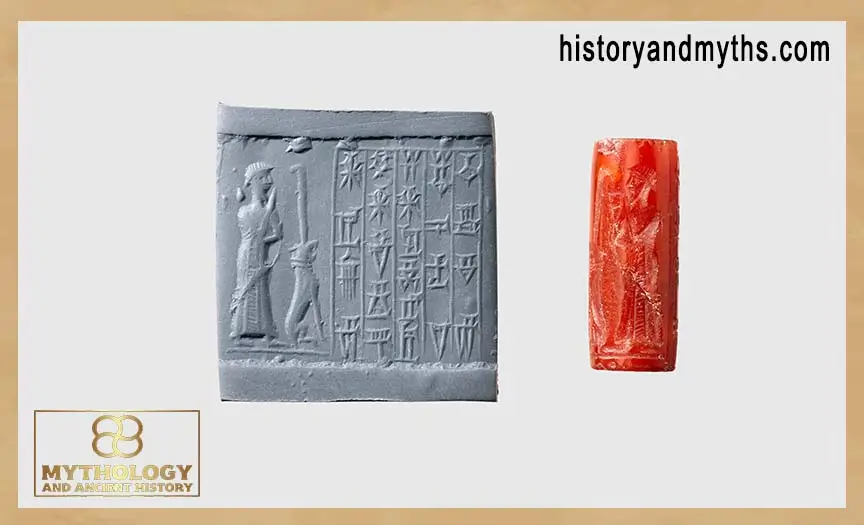
Image: Carnelian cylinder seal and modern impression showing a worshiper and symbolic dog standard, Kassite period (mid-2nd millennium BCE), Mesopotamia, The Metropolitan Museum of Art, New York — Source: Public Domain
Seals and Legal Authority
Cylinder seals formed the foundation of legal verification in Mesopotamian institutions. A sealed document carried binding force because it linked responsibility directly to a recognized individual or office.
Contracts and Agreements
Legal contracts were sealed by all participating parties and witnesses. Multiple impressions on a single tablet created layered authentication that reduced disputes and false claims. Courts treated sealed agreements as primary evidence.
Institutional Control
Temples and palaces regulated sealing privileges. Only authorized officials possessed valid seals for specific administrative functions. This limited unauthorized decision-making and centralized legal authority.
Verification Systems
Archives preserved seal impressions for comparison. Administrators could verify authenticity by matching impressions with registered seal patterns. This system functioned as an early form of institutional identity management.
Preventing Fraud
The uniqueness of seals and the visibility of tampering discouraged forgery. Unauthorized use was punishable under legal codes, and damaged seals were formally invalidated to prevent misuse.
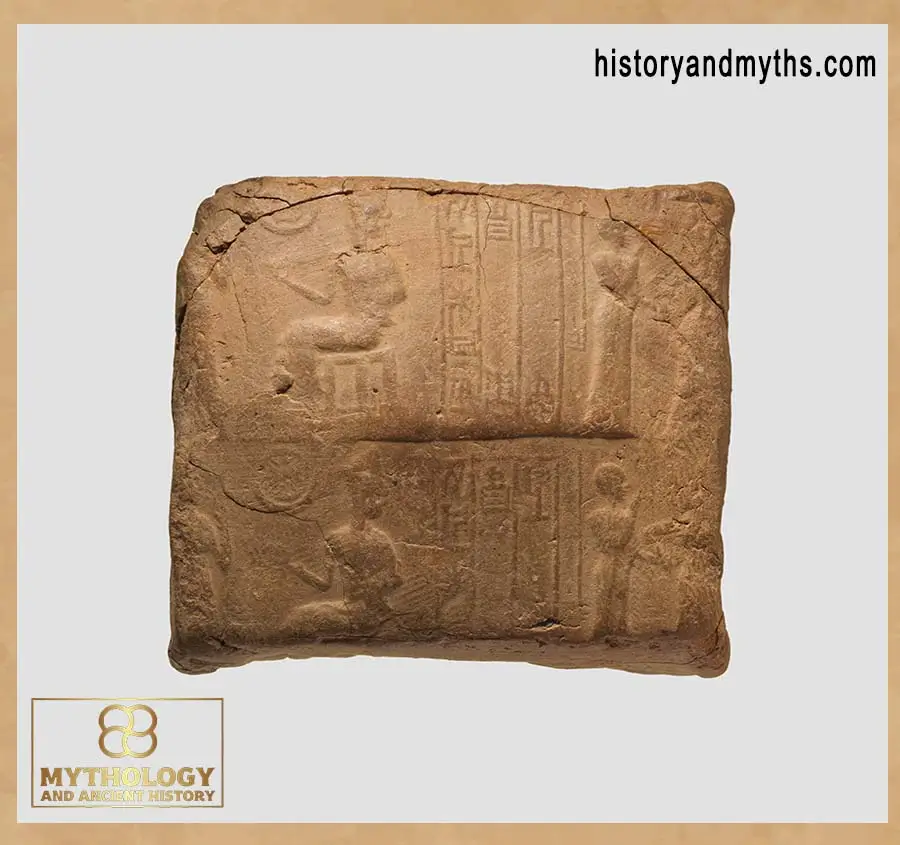
Clay tablet case impressed with a cylinder seal recording a receipt of straw, from Drehem (Puzrish-Dagan), Ur III period, Neo-Sumerian (c. 2040 BCE), The Metropolitan Museum of Art, New York — Source: Public Domain
Religious and Magical Meaning
Cylinder seals carried religious and protective meanings that extended beyond administrative use. Legal authority in Mesopotamia was closely connected to divine order, and seal imagery reflected this relationship.
Divine Imagery
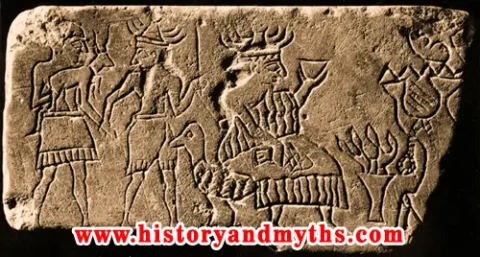
Many seals depicted major deities such as Shamash, Enki, and Ishtar, as well as worship scenes and divine symbols. By associating documents with sacred figures, seal owners reinforced the idea that agreements operated under divine supervision.
Protective Symbols
Common motifs included winged beings, sacred animals, and astral signs. These elements functioned as protective markers intended to deter misuse, deception, and ritual impurity.
Ritual Context
Seals were sometimes used during oath-taking and formal ceremonies. Their impressions confirmed that transactions were performed according to religious and moral expectations, not merely legal rules.
Amuletic Functions
Some seals were worn as personal amulets. Their imagery and material were believed to provide spiritual protection, reinforcing the owner’s social and legal position through supernatural legitimacy.
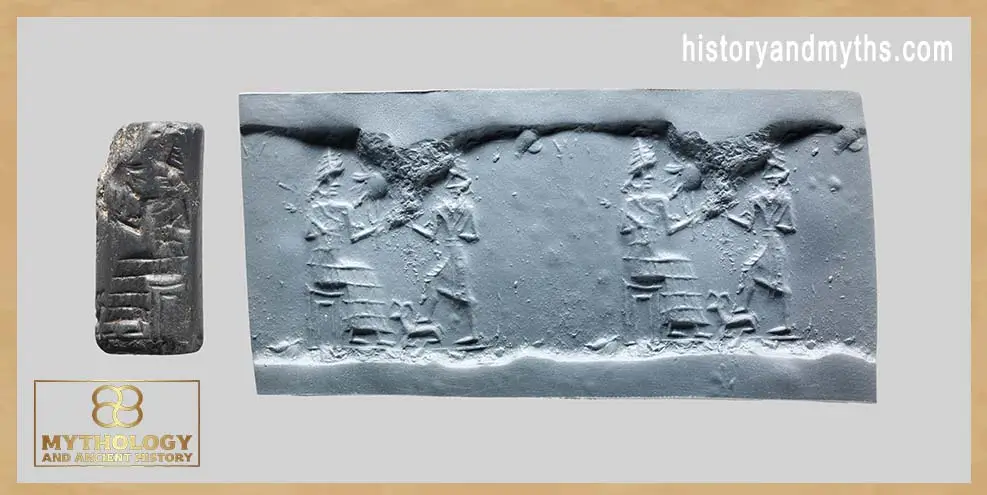
Image: Hematite cylinder seal depicting two deities, including the god Amurru, Old Babylonian period (c. 18th–16th century BCE), Mesopotamia, The Metropolitan Museum of Art, New York — Source: Public Domain
Social Status and Power
Cylinder seals reflected social hierarchy and institutional rank within Mesopotamian society. Access to sealing authority was unevenly distributed and closely tied to political and economic power.
Elite vs Common Seals
High-ranking officials and priests possessed finely carved seals made from rare stones and complex iconography. In contrast, lower administrators used simpler designs and cheaper materials. Visual quality functioned as a marker of social position.
Court Officials
Members of royal and temple administrations relied on seals to exercise delegated authority. Their impressions represented not personal will, but institutional power. Sealing became a visible extension of state hierarchy.
Merchants and Traders
Merchants used seals to secure contracts, shipments, and credit agreements. Possession of a recognized seal enhanced commercial credibility and facilitated long-distance trade relationships.
Women and Seals
Some women, especially priestesses and elite household managers, owned seals and used them in economic and legal contexts. Their seals demonstrate limited but significant participation in administrative systems.
Why Cylinder Seals Mattered More Than “Art”
- They functioned as portable identity and authority.
- They authenticated contracts, receipts, and official orders.
- They secured storerooms and containers against tampering.
- They tied legitimacy to divine and protective symbolism.
- They created trust in systems where written proof alone was fragile.
© historyandmyths.com — Educational use
Production and Materials
Cylinder seals were carefully manufactured objects that required specialized skills and controlled resources. Their production reflects both technological knowledge and institutional organization.
Stone Types
Most seals were carved from hard and semi-precious stones such as hematite, lapis lazuli, carnelian, jasper, and serpentine. Material choice signaled status and durability. Rare stones were usually reserved for elite users.
Carving Techniques
Artisans engraved designs in reverse using drills, abrasives, and fine cutting tools. This required precise planning, as errors could not be corrected after carving. Mastery of negative carving distinguished trained specialists.
Workshop Organization
Seal production was concentrated in urban workshops connected to temples and palaces. Apprentices learned standardized techniques under master craftsmen, ensuring stylistic continuity and quality control.
Artistic Training
Seal cutters combined artistic skill with technical expertise. Training emphasized symmetry, narrative clarity, and symbolic accuracy, reflecting the institutional importance of seal imagery.
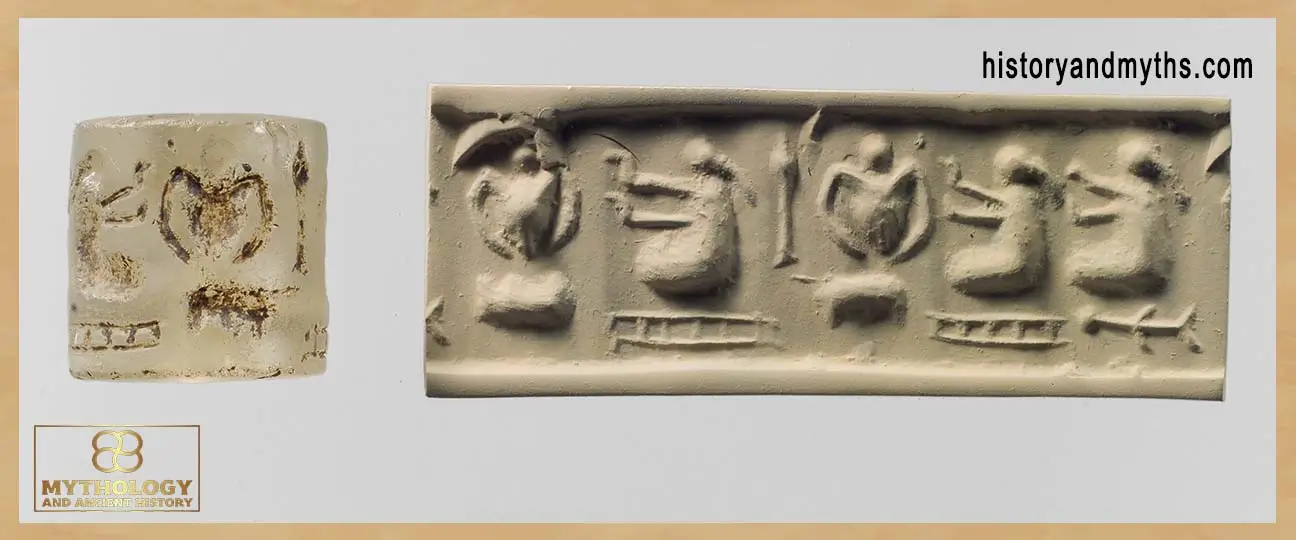
Image: Rock crystal cylinder seal and modern impression showing three “pigtailed ladies” with ritual vessels, Late Uruk–Jemdet Nasr period (c. 3300–2900 BCE), Southern Mesopotamia, The Metropolitan Museum of Art, New York — Source: Public Domain
Trade and Cultural Exchange
Cylinder seals circulated widely through trade, diplomacy, and migration, spreading Mesopotamian administrative practices beyond their original cultural centers.
Cross-Regional Styles
Seals found in Anatolia, Iran, and the Levant display Mesopotamian motifs combined with local artistic traditions. These hybrid styles reflect sustained commercial and political contact.
Anatolia and Iran
Trade routes linking Mesopotamia with Anatolia and the Iranian plateau facilitated the movement of seals and craftsmen. Administrative techniques, including sealing practices, were adopted by neighboring elites.
Influence on Egypt
Early Egyptian stamp seals and administrative markings show indirect influence from Mesopotamian sealing systems. Although Egypt developed distinct traditions, the concept of portable authentication was transmitted through intercultural contact.
Diplomatic Exchange
Seals were sometimes exchanged as official gifts or symbols of alliance. Their circulation reinforced shared bureaucratic standards among interacting states.
Continue Reading
Forgery, Loss, and Control
Because cylinder seals represented legal authority, their misuse posed serious institutional risks. Mesopotamian administrations developed mechanisms to prevent forgery and regulate replacement.
Seal Theft
Stolen seals could be used to falsify documents and divert resources. Theft was treated as a major offense because it threatened administrative trust.
Replacement Practices
When a seal was lost or damaged, its owner had to report the incident to authorities. New seals were issued only after formal verification, and previous impressions were invalidated.
Institutional Safeguards
Temples and palaces maintained records of authorized seal designs. Access to sensitive documents was restricted to officials whose seals were registered and recognized.
Administrative Risks
Forgery and unauthorized sealing could undermine entire bureaucratic systems. Control over seals was therefore essential for maintaining political and economic stability.
Archaeology and Preservation
Knowledge of Mesopotamian cylinder seals comes primarily from archaeological excavations of administrative centers, temples, palaces, and private houses. Their survival reflects patterns of use, disposal, and archival storage rather than intentional preservation.
Excavation Contexts
Most seals have been found in administrative archives, storage rooms, and burial contexts. Seals discovered with tablets or sealings provide direct evidence of their legal and bureaucratic function. Isolated finds, by contrast, often lack clear contextual meaning.
Museum Collections
Large collections in major museums were formed through early excavations and acquisitions. While these collections preserve thousands of examples, they often separate seals from their original documents, limiting historical interpretation.
Lost Archives
Many administrative archives were destroyed by fire, war, or environmental decay. As a result, surviving seals represent only a fraction of original production. Entire institutional systems remain archaeologically invisible.
Legacy of Cylinder Seals
Cylinder seals established one of the earliest systems of personal and institutional authentication in human history. By combining legal authority, religious symbolism, and administrative function in a single object, they created a durable model of social trust.
Their influence extended beyond Mesopotamia into later sealing traditions, including stamp seals, signet rings, and written signatures. Although materials and techniques changed, the basic principle of linking identity to documentation remained constant.
Today, cylinder seals remain critical sources for understanding how early societies organized authority, regulated exchange, and maintained institutional reliability. Their significance lies not in artistic beauty alone, but in their role as foundational instruments of governance.
Key Takeaways
- Cylinder seals acted as legal signatures and identity tools.
- Impressions prevented alteration by making tampering visible.
- Seal imagery linked authority to divine legitimacy and protection.
- Status shaped materials, carving quality, and iconography.
- Institutions controlled sealing privileges to reduce fraud.
- Seals remain key evidence for bureaucracy, trade, and belief.
Frequently Asked Questions
What were cylinder seals used for in Mesopotamia?
They authenticated documents, secured property, and confirmed official authority by leaving a unique impression on clay.
How did cylinder seals prevent fraud?
Breaking or reworking a sealed clay surface left visible traces, making tampering easier to detect.
Were cylinder seals religious objects?
Often, yes—many displayed deities and protective symbols that linked agreements to divine legitimacy.
Who owned cylinder seals?
Primarily officials, priests, and merchants; some elite women also used seals in legal and economic contexts.
How were seals carved?
Engravers carved designs in reverse into hard stones using drills and abrasives so the impression read correctly on clay.
Why do museums show “modern impressions”?
Rolling the seal on modern clay reveals the full design as it would appear on ancient documents.
Why are cylinder seals important to historians?
They preserve iconography, names, and administrative practices that often survive even when other media are lost.
Sources & Rights
- Collon, Dominique. First Impressions: Cylinder Seals in the Ancient Near East. British Museum Press.
- Frankfort, Henri. Cylinder Seals. Macmillan.
- Bahrani, Zainab. The Graven Image. University of Pennsylvania Press.
- Winter, Irene J. On Art in the Ancient Near East. Brill.
- Van De Mieroop, Marc. A History of the Ancient Near East. Wiley-Blackwell.
- Kuhrt, Amélie. The Ancient Near East. Routledge.
- Postgate, J. N. Early Mesopotamia. Routledge.
- Roaf, Michael. Cultural Atlas of Mesopotamia and the Ancient Near East. Andromeda.
- Crawford, Harriet. Sumer and the Sumerians. Cambridge University Press.
- Cooper, Jerrold S. Studies on Sumerian and Akkadian administration and society.
- Roth, Martha T. Law Collections from Mesopotamia and Asia Minor. Society of Biblical Literature.
- Hallo, William W., ed. The Context of Scripture. Brill.
- Leick, Gwendolyn. Mesopotamia: The Invention of the City. Penguin.
- Snell, Daniel C. Life in the Ancient Near East. Yale University Press.
- Oates, Joan. Babylon. Thames & Hudson.
- Reade, Julian. Works on Assyrian sculpture and palace context (British Museum publications).
- British Museum. Catalogues and gallery guides on Mesopotamian seals and sealings.
- Metropolitan Museum of Art. Ancient West Asian Art collection entries on cylinder seals and sealings.
- Pittman, Holly. Studies on style, iconography, and administration in cylinder seals.
- Porada, Edith. Research on Near Eastern glyptic and chronological phases.
Written by H. Moses — All rights reserved © Mythology and History