Sumerian Temple Hymns: Sacred Songs of Mesopotamian Cities
In ancient Mesopotamia, temples were not only places of worship. They were also centers of identity for entire cities. Each major temple represented the presence of a particular god and symbolized the protection, prosperity, and status of the community around it. To express this relationship between city, temple, and deity, Mesopotamian scribes composed a special kind of religious literature: temple hymns.
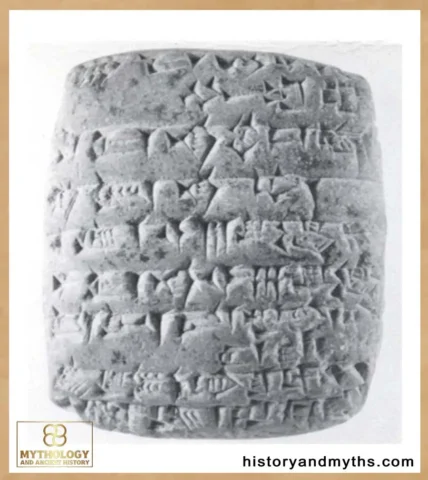
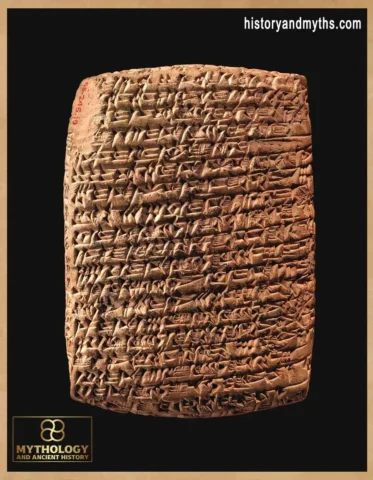
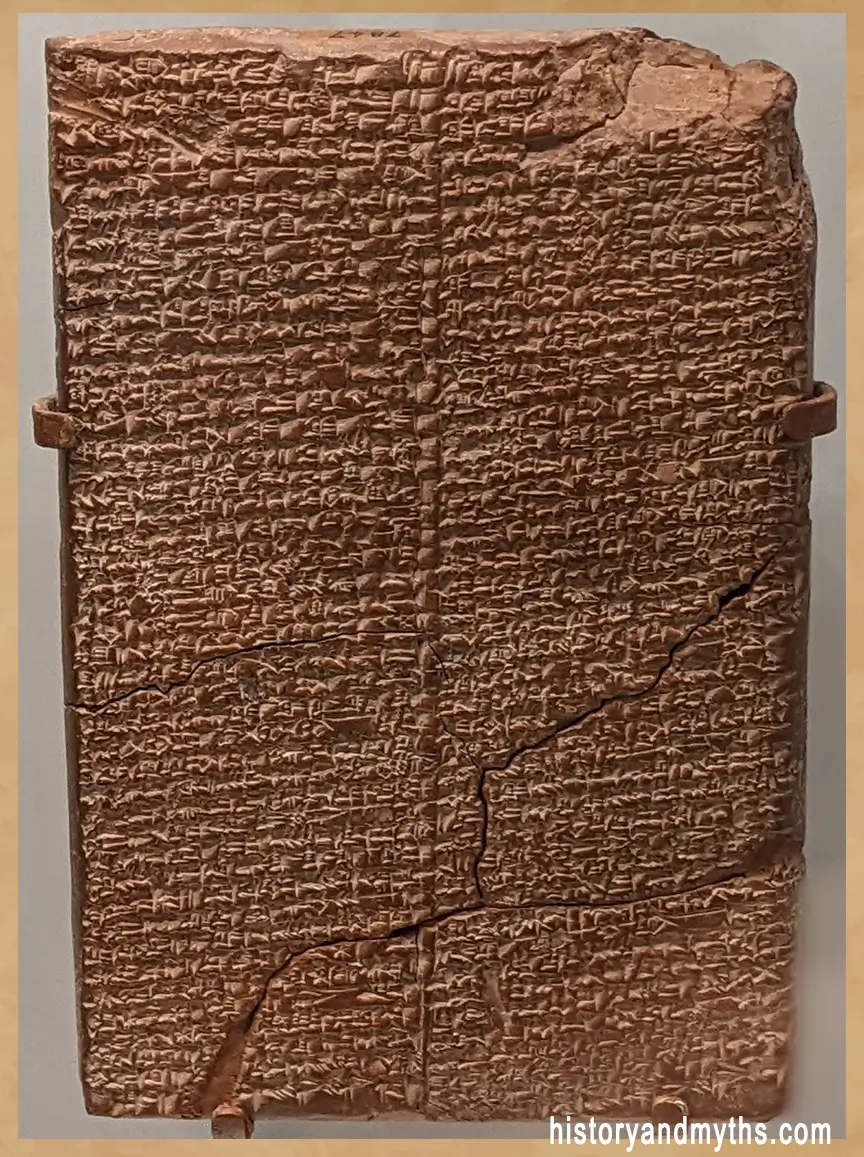
These hymns were poetic texts written in cuneiform on clay tablets and recited during rituals, ceremonies, and public religious events. Unlike myths that told stories about the gods, temple hymns focused on praise. They celebrated the greatness of specific temples, described the divine power residing within them, and linked the sacred building to the political and spiritual life of the city.
Many of the surviving examples date to the late third millennium BCE, including the famous collection traditionally associated with the priestess Enheduanna. Copies of these texts were later preserved in scribal schools, where students practiced writing by copying well-known hymns. Because of this educational tradition, hundreds of lines have survived, allowing historians to reconstruct how ancient Mesopotamians honored their temples and the gods believed to dwell within them.
What Temple Hymns Were in Ancient Mesopotamia
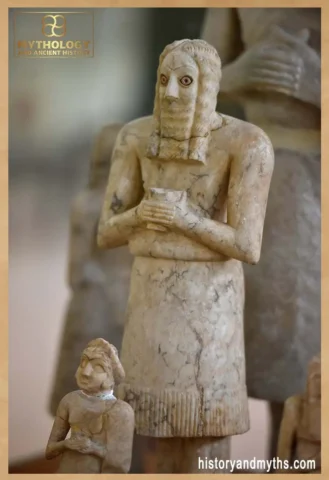
Temple hymns were short poetic compositions written to praise a specific temple and the god believed to reside within it. In Mesopotamian thought, the temple was not merely a religious building. It was the earthly dwelling of the city’s patron deity, a place where divine authority and civic life were believed to meet. Because of this, praising a temple was also a way of praising the god, the city, and the social order connected to it.
These hymns typically described the temple’s sacred status, its beauty, and its divine protection. A hymn might speak about the temple’s shining walls, its gates, or the powerful presence of the deity inside. The language often presented the temple as a cosmic center—a place chosen by the gods and essential to the stability of the world.
Unlike long mythological narratives, temple hymns were usually concise and structured for recitation. They were written in Sumerian and preserved on clay tablets using cuneiform script. Many copies were produced in scribal schools, where students copied literary texts as part of their training. Because of this practice, temple hymns survived in large numbers and became one of the most important forms of early Mesopotamian religious literature.
Key Characteristics of Mesopotamian Temple Hymns
| Aspect | Explanation |
|---|---|
| Purpose | To praise temples, deities, and the sacred role of cities in Mesopotamian religion. |
| Language | Most early examples were written in Sumerian using cuneiform script. |
| Historical Period | Many surviving copies date to the Old Babylonian period (ca. 1900–1600 BCE). |
| Main Context | Temple rituals, festivals, and scribal education. |
| Important Figure | The priestess Enheduanna, often associated with early hymn collections. |
Why Temples Used Hymns
Temple hymns served a practical religious purpose. They were recited during rituals to honor the resident deity and to reaffirm the sacred status of the temple itself. In Mesopotamian religion, maintaining the favor of the gods was essential for the stability of the city. Hymns were therefore part of the regular cycle of temple ceremonies, offerings, and festivals.
These texts also helped define the relationship between the god and the city. By praising the temple as the chosen dwelling of a powerful deity, the hymn reinforced the idea that the community lived under divine protection. This was not only a religious message but also a civic one: the prosperity and legitimacy of the city depended on the presence of its patron god.
In addition, temple hymns created a shared religious language used by priests, scribes, and worshippers. When recited publicly, they reminded the population of the importance of the temple within daily life, linking ritual worship with the broader political and social structure of Mesopotamian cities.
The Temple Hymns of Enheduanna
One of the most important collections of temple hymns is traditionally attributed to Enheduanna, a high priestess of the moon god Nanna in the city of Ur during the Akkadian period (around the 23rd century BCE). She is widely regarded as the earliest known author in world history whose name has been preserved.
The collection commonly called the Sumerian Temple Hymns consists of a series of poetic texts praising temples across different cities of southern Mesopotamia. Each hymn focuses on a particular sanctuary and the deity associated with it, describing the temple as a sacred place chosen by the gods. By linking many cities through a single literary collection, the hymns reflect a broader religious landscape that connected temples, deities, and urban communities.
Scholars have also suggested that these hymns carried political meaning. During the Akkadian period, the royal administration sought to unify different Sumerian cities under a larger imperial framework. A literary collection praising multiple temples may have reinforced the idea that these cities belonged to a shared religious and political order. Copies of these hymns later circulated in scribal schools, which helped preserve them long after the original compositions were written.
How Hymns Praised Cities and Temples
Temple hymns did more than praise the gods. They also celebrated the cities that housed the sacred buildings. In Mesopotamian thought, each major city was closely tied to its patron deity, and the temple represented the visible center of that relationship. By describing the temple as magnificent, powerful, and divinely chosen, the hymn indirectly elevated the status of the city itself.
The language of these texts often emphasized architectural features and symbolic qualities. Temples were described as radiant, towering, or filled with divine brilliance. Such imagery presented the sanctuary as a place where the human and divine worlds met. The temple was not simply a structure of mudbrick and stone; it was portrayed as a sacred axis that connected the city to the cosmic order established by the gods.
Because many hymns praised temples in different cities, they also reflected the religious geography of Mesopotamia. Through these compositions, scribes recorded which deities belonged to which cities and which sanctuaries held particular importance. As a result, temple hymns served both devotional and cultural functions, preserving how ancient communities understood their sacred landscapes.
Why Temple Hymns Were Important
- They praised the temple as the earthly dwelling of a god.
- They reinforced the connection between religion and city identity.
- They were performed during rituals and major festivals.
- They helped preserve the names and status of important sanctuaries.
- They became part of the literary curriculum in scribal schools.
© historyandmyths.com — Educational use
Temple Hymns in Religious Rituals
Temple hymns were closely connected to ritual practice. In Mesopotamian temples, priests and temple personnel conducted daily ceremonies that included offerings, prayers, and recitations. Hymns formed part of these performances, helping to create a formal expression of praise directed toward the resident deity.
During major festivals, the role of hymns became even more visible. Processions, public rituals, and seasonal celebrations often involved spoken or chanted texts that honored the temple and reaffirmed the presence of the god within the city. Through these recitations, the community symbolically renewed its relationship with the divine power believed to protect the city.
The performance of hymns also reflected the structured organization of temple life. Specialized personnel—such as singers, priests, and scribes—were responsible for maintaining the liturgical traditions of the sanctuary. By preserving and repeating these texts, they ensured that religious ceremonies followed established forms and continued the cultural memory of the temple across generations.
Continue Reading
- Mesopotamian Literature: How Writing Shaped Early Civilization
- Sumerian Proverbs: Wisdom from the First Cities
- Letters in Ancient Mesopotamia: Communication Across Early Empires
- Cuneiform Writing: How the First Writing System Worked
- The Library of Ashurbanipal: Preserving Knowledge in Assyria
Temple Hymns and Scribal Education
Temple hymns were not preserved only in ritual contexts. They also became part of the curriculum in scribal schools, where students learned to read and write cuneiform. In these schools, known as eduba, apprentices practiced copying well-known literary texts onto clay tablets, and temple hymns were among the works frequently used for training.
For students, these hymns offered several advantages. Their structured poetic form made them suitable for repeated copying, and their religious themes reflected values that were central to Mesopotamian society. By copying the same hymns many times, students improved their writing skills while also absorbing the cultural and religious ideas embedded in the texts.
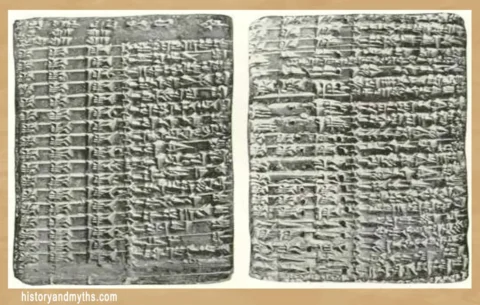
This educational practice is one of the main reasons temple hymns survived. Many tablets discovered by archaeologists are not original compositions but school copies made by students. Although created as exercises, these tablets preserved large portions of the hymns and allow modern historians to reconstruct an important part of Mesopotamian literary tradition.
Why Temple Hymns Matter to Historians
Temple hymns are valuable historical sources because they reveal how ancient Mesopotamians understood the relationship between religion, cities, and political authority. Unlike myths that describe events among the gods, these texts focus on real places—specific temples and the communities that surrounded them. Through their descriptions, historians can identify which sanctuaries were considered important and how cities presented themselves within the religious landscape of the region.
The hymns also preserve early forms of literary expression. Their structured language, repeated motifs, and formal praise show that Mesopotamian scribes developed clear poetic conventions long before later traditions of religious literature appeared in other civilizations. Because many copies were produced in scribal schools, the surviving tablets also provide evidence about education and the transmission of cultural knowledge.
Taken together, temple hymns offer a rare glimpse into the intellectual and religious world of ancient Mesopotamia. They demonstrate how literature could serve multiple purposes at once—ritual, cultural memory, and political identity—while preserving the voices of a civilization that lived more than four thousand years ago.
Key Takeaways
- Temple hymns were poetic texts that praised specific temples and their resident deities.
- They were written in cuneiform and preserved on clay tablets.
- Many hymns were associated with the priestess Enheduanna.
- These texts linked religion, city identity, and political authority.
- Copies of hymns survived because they were used in scribal education.
- Temple hymns remain one of the earliest forms of structured religious literature.
Frequently Asked Questions
What were temple hymns in ancient Mesopotamia?
Temple hymns were poetic texts praising specific temples and the gods believed to reside within them.
Who wrote the earliest temple hymns?
Many hymns are associated with Enheduanna, a priestess of the moon god Nanna in the city of Ur during the Akkadian period.
Where were these hymns discovered?
Most surviving copies come from scribal school tablets found in cities such as Nippur.
Why were temple hymns important?
They reinforced religious traditions and highlighted the sacred status of important temples and cities.
How were temple hymns preserved?
Students copied them in scribal schools, which allowed the texts to survive on clay tablets.
Sources & Rights
- Black, Jeremy et al. The Literature of Ancient Sumer. Oxford University Press.
- Hallo, William W. The Context of Scripture. Brill.
- Jacobsen, Thorkild. The Harps That Once… Sumerian Poetry in Translation. Yale University Press.
- Van De Mieroop, Marc. A History of the Ancient Near East. Wiley-Blackwell.
- Bottéro, Jean. Mesopotamia: Writing, Reasoning, and the Gods. University of Chicago Press.
- Electronic Text Corpus of Sumerian Literature (ETCSL). University of Oxford.
Written by H. Moses — All rights reserved © Mythology and History