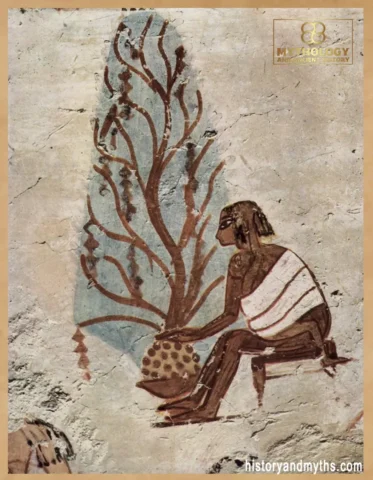
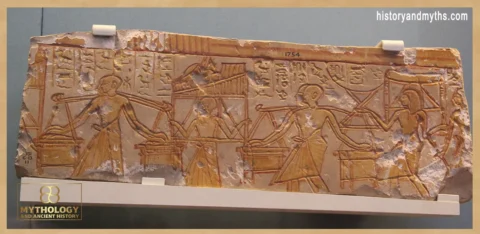
Ancient Egyptian Fashion Through the Ages: Old to New Kingdom
Did Ancient Egyptian fashion remain the same for thousands of years, or did it evolve over time? How did clothing change between the Old Kingdom, the Middle Kingdom, and the New Kingdom, and what do those changes reveal about Egyptian society?
Ancient Egyptian fashion evolved gradually rather than through sudden revolutions. Improvements in textile production, changing political conditions, growing state wealth, and shifting elite tastes all influenced how garments were designed, worn, and displayed. While linen remained the dominant fabric, clothing became increasingly refined through better tailoring, pleating, layering, and decorative detail.
This article traces the development of Ancient Egyptian fashion from the Old Kingdom to the Ptolemaic Period, explaining what changed, what remained remarkably consistent, and why clothing became a powerful expression of status, identity, and cultural continuity across more than three thousand years of Egyptian history.
What “Changed” and What Stayed the Same
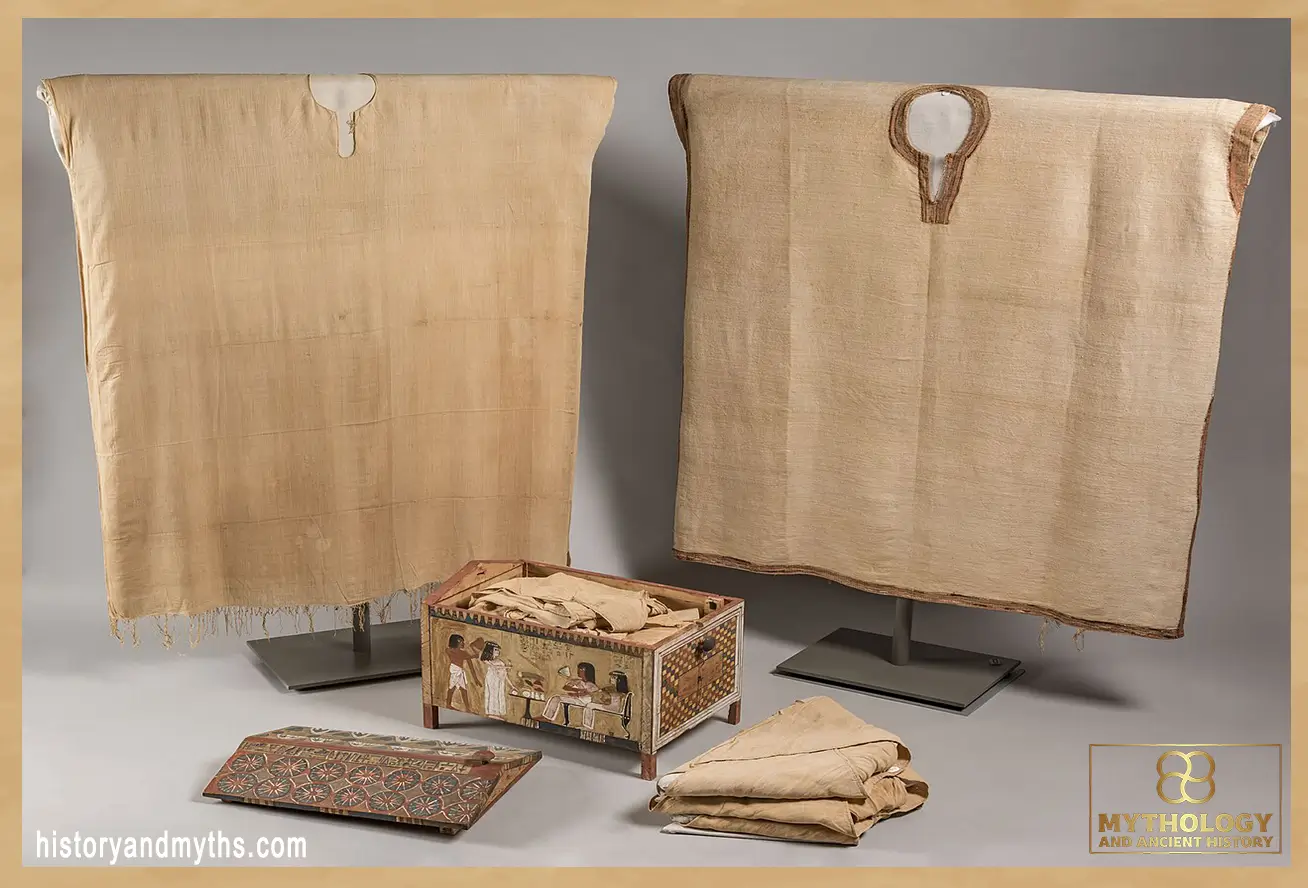
Across Egyptian history, fashion changed in visible ways length, fit, layering, and finish while the core logic stayed stable. Egypt’s climate rewarded light fabrics and exposed movement, and linen remained the prestige baseline for most eras. What shifted over time was how the body was framed: sometimes as clean and geometric, sometimes as controlled and tailored, and sometimes as deliberately refined through pleats, transparency, and layered draping.
The easiest mistake is to treat Egyptian clothing as one frozen stereotype. The more accurate view is a timeline: early simplicity, then gradual tailoring, then peak complexity in elite dress followed by later variations shaped by politics, foreign contact, and changing tastes.
| Period | Typical Silhouette | Key Fashion Features | Social Meaning |
|---|---|---|---|
| Old Kingdom | Wrapped, geometric | Short kilts, smooth sheath styles, minimal layering | Order, restraint, controlled status display |
| Middle Kingdom | More structured | Longer garments, early tailoring, bag-tunic forms | Emerging construction and planned fit |
| New Kingdom | Layered and refined | Pleated linen, sheer layers, complex draping | Elite power, wealth, visual sophistication |
| Late–Ptolemaic | Hybrid continuity | Traditional linen with external stylistic influence | Identity + cosmopolitan adaptation |
Old Kingdom: Wrapped Simplicity as Status
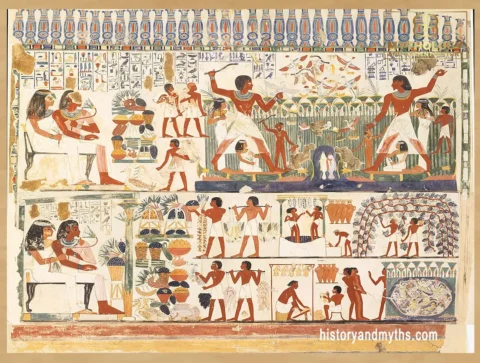
Old Kingdom clothing is often described as “simple,” but that simplicity was not poverty it was an aesthetic choice aligned with early state ideology. The dominant silhouette for men relied on wrapped linen kilts, often short and structured. For elite men, the same basic garment could become a marker of rank through material quality, whiteness, crispness, and how precisely it was arranged.
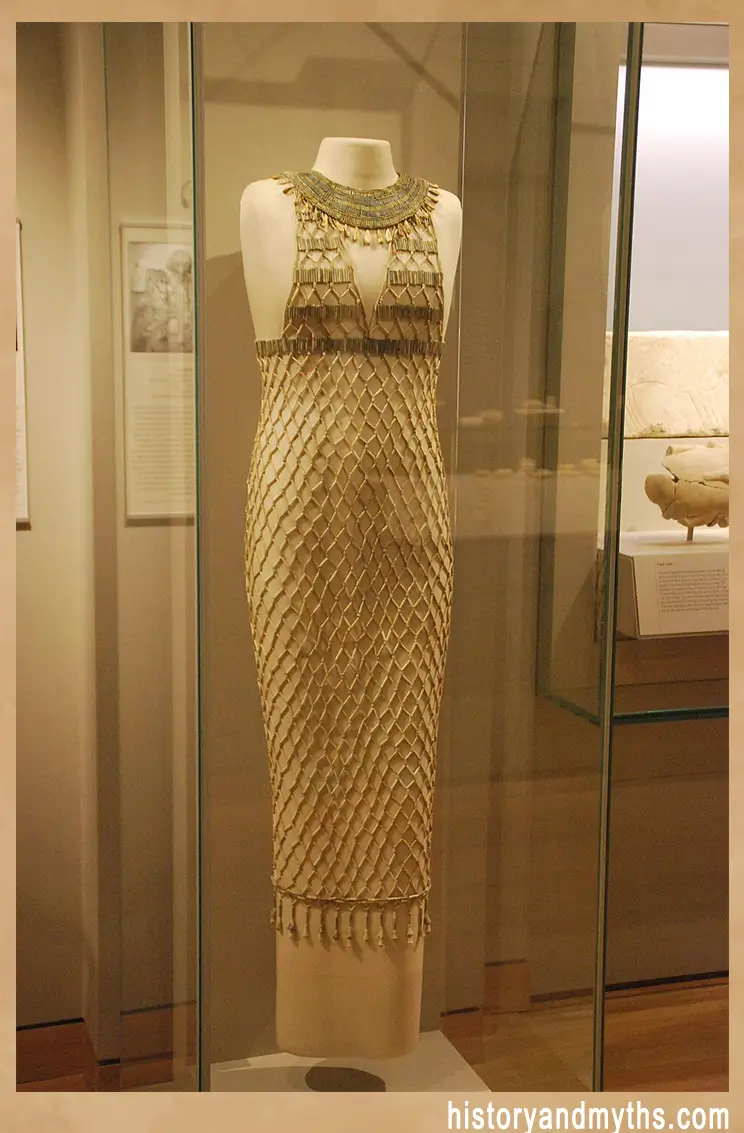
Women’s dress in the Old Kingdom is commonly associated with fitted sheath styles in art, but the key point for fashion history is not “tight vs loose.” It’s how clothing presented the body as controlled and formal: a smooth surface, minimal distractions, and an emphasis on clean lines that matched the monumental, ordered worldview of the early kingdom.
In everyday life, the difference between “ordinary” and “elite” was less about radically different garments and more about finish how clean the linen looked, how well it was arranged, and what accessories framed the outfit. Jewelry, collars, wigs, and cosmetics often carried the heavier social signaling, while garments stayed architecturally restrained.
What to take from the Old Kingdom:
Fashion changes here are subtle. The silhouette is stable, and variation is mostly about quality, formality, and status presentation rather than experimentation.
First Intermediate Period: Practicality and Regional Variation
This period is politically fragmented, and that matters. When central power weakens, uniform court taste becomes less dominant, and local practices can become more visible. Evidence is less “catwalk-fashion” and more pragmatic: clothing that serves daily work, regional norms, and available resources.
The key change you should understand is not a new iconic garment, but a shift in how consistent style appears across Egypt. When the state is not projecting one strong aesthetic center, fashion becomes less standardized especially outside elite contexts.
What to take from the First Intermediate Period:
It’s a transitional bridge. The most important “change” is how fashion reflects weaker central court influence.
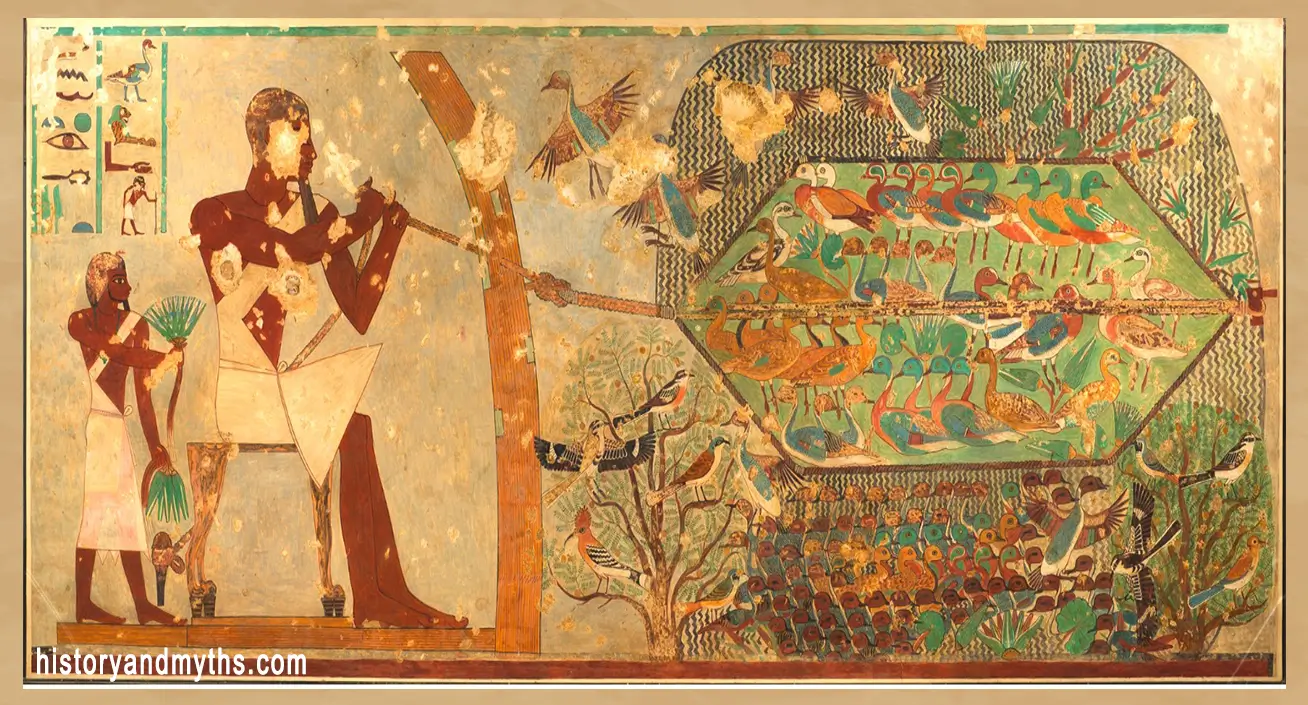
Middle Kingdom: Tailoring Enters the Picture
Middle Kingdom clothing is the clearest early sign that Egyptian fashion could shift from pure wrapping toward more structured solutions.
For men, garments become more varied: longer kilts appear, and outfits are arranged with more attention to coverage and form. For women, the silhouette remains broadly restrained, but garments can show more complex handling of fabric and fit. This is also the era where you can talk about “tailoring” more seriously not modern tailoring, but a clear move toward garments that look planned around the body rather than simply wrapped onto it.
One of the most useful “fashion history” ways to explain the Middle Kingdom is this:
- Old Kingdom: dressing is primarily “wrap + arrange”
- Middle Kingdom: dressing begins to look like “construct + wear”
- New Kingdom: dressing becomes “design + display”
Middle Kingdom fashion still values discipline and control, but it opens the door to clothing that has more “built” character especially in elite visual culture.
What to take from the Middle Kingdom:
The shift isn’t about dramatic new colors or wild shapes. It’s about construction logic: clothing begins to look engineered.
Second Intermediate Period: Disruption, Contact, and Reset
Like the First Intermediate Period, this is not a clean fashion “era” with one iconic look. What matters is the conditions: political division, foreign presence, and cultural contact. Fashion doesn’t always innovate in a straight line; sometimes it absorbs, simplifies, or becomes more practical depending on instability.
What to take from the Second Intermediate Period:
It sets the stage for a deliberate “high-display” court culture afterward.
New Kingdom : Pleats, Layers, and Elite Display Culture
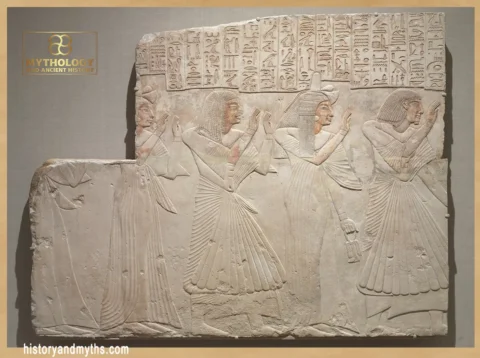
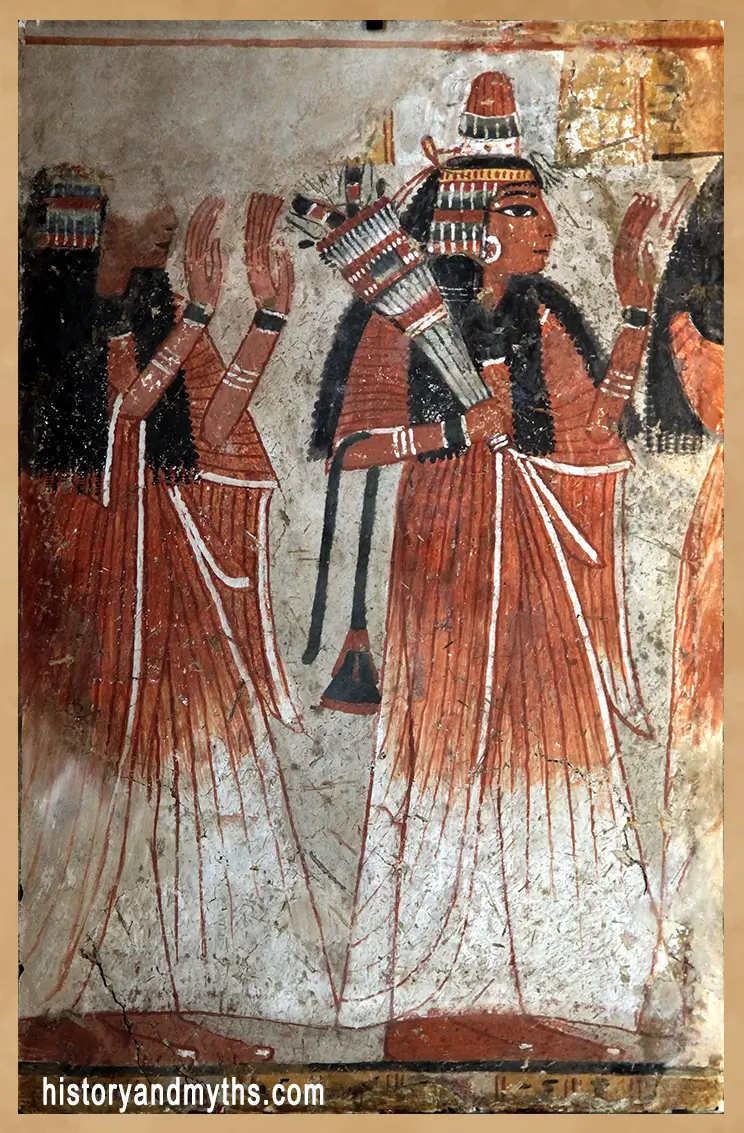
If the Old Kingdom is iconic for restraint, the New Kingdom is iconic for refinement. This is the period where fashion becomes unmistakably “designed,” especially among elites. Clothing becomes more layered, more decorative in texture, and more visually strategic without abandoning linen as the foundation.
The defining change is that clothing starts to work as a display system:
- Pleating turns fabric into a status object: it signals labor, cost, and skilled production.
- Layering adds complexity and a deliberate “finished” look.
- Transparency (in elite contexts) becomes an aesthetic choice, not an accident fine linen can create a controlled reveal that reads as luxury rather than simplicity.
Men’s fashion becomes more visually rich: kilts can be longer or styled more elaborately, and clothing can include additional wraps and draped elements. Women’s elite presentation can appear more intricate as well, especially through fabric treatment and the overall “polished” ensemble effect (wigs, jewelry, cosmetics, and garments working together).
“Why do New Kingdom images look more ‘fashionable’ and detailed?”
Answer: because elite dress becomes a high-skill craft of finish pleats, layers, and controlled luxury.
What to take from the New Kingdom:
This is Egypt’s peak “fashion as visual power.” It’s not just what they wore—it’s how deliberately they staged it.
Third Intermediate Period : Status Stays, Aesthetics Shift
After the New Kingdom, the logic of display does not vanish, but the visual vocabulary becomes less uniformly tied to one royal style. The state changes, power centers shift, and fashion especially elite fashion can reflect more regional and priestly dominance.
For the reader, the key point is simple:
Clothing remains status-coded, but the New Kingdom’s “courtly elegance” is no longer the single dominant style engine.
What to take from this era:
Not “decline,” but “variation.” Fashion becomes less centralized again.
Late Period to Ptolemaic Egypt: Tradition Under New Influences
The reality is not that Egyptians suddenly stopped dressing Egyptian. It’s that elite and urban contexts could reflect outside contact, while traditional visual identity remained powerful—especially in religious and formal settings.
- Egyptian clothing traditions continue strongly (linen, clean silhouettes, symbolic presentation)
- But the broader Mediterranean world introduces different expectations of public style, especially for elites and city life
- The result is not replacement it’s layering influences across social contexts
What to take from the Late/Ptolemaic period:
Fashion becomes a negotiation between continuity and cosmopolitan taste.
- Technology: Wider linen, improved looms, and skilled finishing allowed pleats and layers.
- Economy: Periods of centralized wealth enabled labor-intensive elite garments.
- Power: Strong courts produced visible, standardized elite styles.
- Culture: Clothing expressed order, rank, and controlled appearance—not novelty for its own sake.
Why Did Egyptian Fashion Change So Slowly?
Unlike many later civilizations, ancient Egypt did not value constant innovation in clothing. Fashion changed gradually because dress was expected to express stability, social order, and cultural continuity rather than personal novelty. Maintaining recognizable styles reinforced identity and reflected the Egyptian ideal that lasting traditions were preferable to rapid change.
New techniques, finer linen, improved weaving, and foreign contacts certainly introduced new possibilities, but these developments were usually incorporated into existing styles instead of replacing them. Egyptian fashion therefore evolved through refinement rather than revolution, allowing each period to preserve familiar forms while adapting them to changing political, economic, and artistic conditions.
This slow pace of change explains why Egyptian clothing can appear remarkably consistent across centuries. Beneath that visual continuity, however, garments reveal a steady evolution in tailoring, decoration, construction, and the social meaning attached to appearance.
What Egyptian Fashion Was Really “For” (Beyond Clothing)
Across all periods, clothing in Ancient Egypt did three jobs at once:
1- Climate logic
Heat and work required light, breathable, adaptable clothing.
2- Social ranking
Not everyone needed a radically different outfit. Often the same base garment becomes elite through whiteness, fineness, finish, and full-body presentation.
3- Cultural order
Egyptian fashion repeatedly favors controlled lines and intentional appearance. Even when details evolve, the ideal remains: a body presented as composed, social, and readable.
That’s the real reason fashion “changed” without becoming unrecognizable. Egypt wasn’t trying to reinvent itself every century. It was adjusting a stable visual language to new realities.
- Ancient Egyptian fashion evolved gradually, not suddenly.
- The biggest changes appear in fit, layering, and finish—not fabric choice.
- The Middle Kingdom marks the shift from wrapping to construction.
- The New Kingdom represents peak elite display through pleats and layering.
- Later periods balance tradition with external influence rather than replacing it.
Frequently Asked Questions
Did Ancient Egyptian fashion really change over time?
Yes. While linen remained constant, garment length, construction, layering, and visual refinement changed significantly across periods.
Which period shows the biggest fashion shift?
The New Kingdom, where pleating, layering, and elite presentation reached their peak.
Was Egyptian clothing always simple?
Simple in principle, but highly complex in execution—especially for elites.
What role did social class play in fashion?
Class affected fabric quality, finish, cleanliness, accessories, and overall presentation more than basic garment type.
Did Greek fashion replace Egyptian dress in later periods?
No. Egyptian identity remained dominant, with selective external influence in urban and elite contexts.
Sources & Rights
- Vogelsang-Eastwood, Gillian. Pharaonic Egyptian Clothing. Leiden: Brill, 1993.
- Robins, Gay. The Art of Ancient Egypt. Cambridge, MA: Harvard University Press, 1997.
- Brier, Bob, and Hoyt Hobbs. Daily Life of the Ancient Egyptians. Westport: Greenwood Press, 2008.
- Kemp, Barry J. Ancient Egypt: Anatomy of a Civilization. 3rd ed. London: Routledge, 2018.
- Shaw, Ian, ed. The Oxford History of Ancient Egypt. Oxford: Oxford University Press, 2000.
- Wilkinson, Toby A. H. The Rise and Fall of Ancient Egypt. New York: Random House, 2010.
- Stevenson, Alice. The Oxford Handbook of Egyptian Epigraphy and Material Culture. Oxford University Press.
- The Metropolitan Museum of Art. Egyptian Clothing and Personal Adornment.
- British Museum. Ancient Egyptian Dress and Textiles.
- Museo Egizio, Turin. Textiles and Clothing Collection.
Written by H. Moses — All rights reserved © Mythology and History