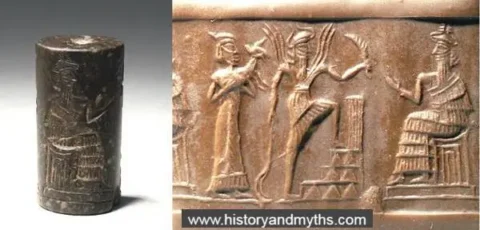
Sumerian Mythology: Why the Gods Demanded Service and Worship
In Sumerian mythology, worship was far more than a religious obligation. It was a fundamental part of the relationship between humans and the gods who were believed to govern the world. The Sumerians understood prosperity, stability, and the continued functioning of civilization as gifts sustained by divine power, and service to the gods was seen as the proper response to that dependence.
This belief raises an important question: if the gods possessed immense power, why did they require offerings, rituals, and constant human devotion? Sumerian myths suggest that worship was not simply about honoring the gods. It helped maintain the connection between the divine and human realms and reinforced the order upon which society depended.
Exploring why Sumerian gods demanded service and worship reveals how ancient Mesopotamians understood authority, responsibility, and the role of humanity within the cosmos. It shows that worship was not merely an act of faith but a practical and necessary part of preserving the divine order that sustained the world.
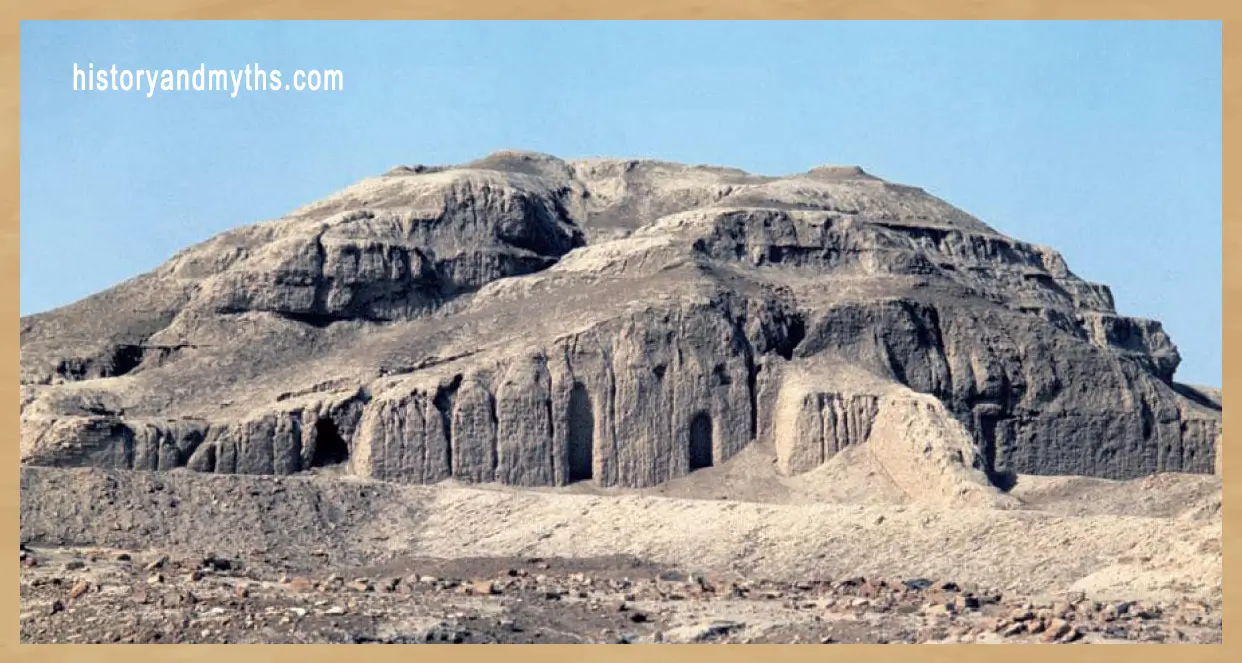
Why the Gods Expected Human Service
In Sumerian mythology, service to the gods was not presented as an optional act of devotion. It was understood as one of humanity’s primary responsibilities. Since the gods had established the world, created the structures of civilization, and maintained the forces that made life possible, humans were expected to acknowledge that authority through acts of service and worship.
This expectation was rooted in the Sumerian understanding of order. Every being had a role within the cosmos, and humanity’s role included supporting the divine institutions that connected the human world to the gods. Service was therefore not merely a religious duty; it was part of the larger system that allowed society to function as intended.
By fulfilling these obligations, humans demonstrated recognition of the gods’ position within the cosmic hierarchy. Service reinforced the relationship between the divine and mortal realms and helped maintain the stability that both religion and civilization depended upon.
Service and Worship in Sumerian Mythology
| Aspect | Sumerian Understanding |
|---|---|
| Purpose of service | To fulfill humanity’s obligations within the divine order. |
| Role of worship | To maintain the relationship between humans and the gods. |
| Function of temples | Centers for ritual service and divine-human interaction. |
| Divine authority | Worship acknowledged the gods’ rule over the cosmos. |
| Cosmic significance | Service helped preserve order and stability. |
| Human responsibility | Offerings, rituals, and care for sacred institutions. |
| Risk of neglect | Loss of divine favor and disruption of order. |
| Religious goal | Maintain harmony between the human and divine realms. |
Temples Were Built to Maintain the Divine-Human Relationship
In Sumerian society, temples served as the primary meeting point between humans and the gods. They were not merely places of prayer but institutions where the obligations connecting both realms were carried out on a daily basis. Offerings were presented, rituals were performed, and the presence of the gods within the community was acknowledged through regular acts of service.
The temple also symbolized the belief that divine and human affairs were closely linked. Religious duties performed within these sacred spaces were thought to help maintain the relationship upon which prosperity and stability depended. As a result, caring for the temple was considered an essential responsibility rather than a purely ceremonial activity.
This role explains why temples occupied such a central position in Mesopotamian life. They represented the practical expression of humanity’s commitment to the gods and provided the framework through which worship and service could be continually maintained.
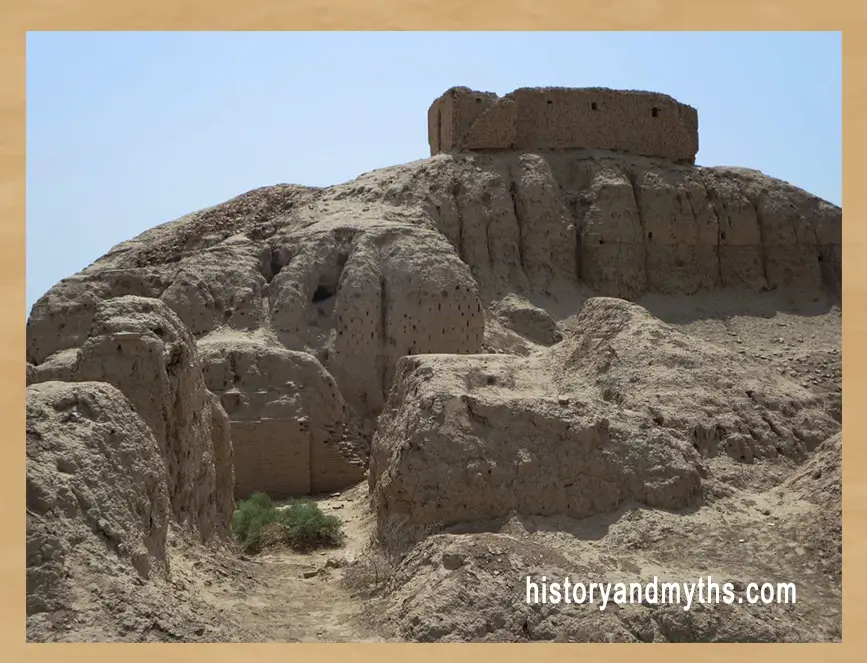
Worship Acknowledged Divine Authority
At its core, worship was an acknowledgment of the gods’ authority over the world. Through offerings, prayers, and ritual observances, humans recognized that the forces governing nature, society, and prosperity ultimately belonged to the divine realm. Worship therefore expressed respect for the hierarchy that structured the cosmos.
This aspect of worship was especially important in a culture that viewed order as the foundation of existence. By honoring the gods, individuals and communities affirmed their place within that order and demonstrated acceptance of the responsibilities associated with it. Religious practices reinforced the belief that stability depended on recognizing legitimate divine authority.
For this reason, worship carried both religious and social significance. It was not only a way to communicate with the gods but also a public expression of the values that sustained Sumerian civilization. Through worship, people affirmed the relationship between divine power and human society.
Service Helped Sustain Cosmic Order
For the Sumerians, service to the gods was closely connected to the preservation of order in the world. Rituals, offerings, and temple activities were believed to support the divine structure that governed both nature and society. These practices were not performed simply to honor the gods but to reinforce the stability upon which civilization depended.
This belief reflected a broader understanding of the cosmos as an ordered system maintained through cooperation between divine and human spheres. When religious obligations were fulfilled, the relationship between the gods and humanity remained intact, helping to preserve harmony and continuity. Service therefore had significance beyond the temple itself.
By linking worship to cosmic order, Sumerian religion transformed everyday acts of devotion into contributions to the well-being of the wider world. Service was valuable because it helped maintain the balance that allowed communities, institutions, and the natural environment to function according to the design established by the gods.
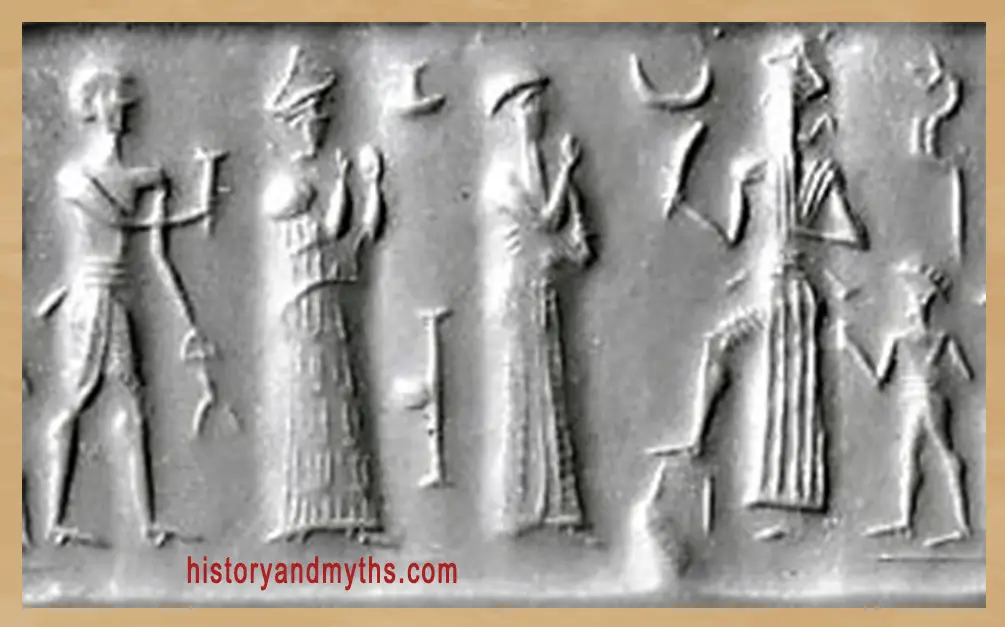
Why Did Sumerian Gods Demand Worship?
According to Sumerian belief, worship was not merely a sign of devotion. It maintained the relationship between humans and the gods, reinforced divine authority, and helped preserve the cosmic order upon which civilization depended.
Why Neglecting the Gods Was Considered Dangerous
In Sumerian belief, ignoring the gods was not simply a personal religious failure. It threatened the relationship that connected human society to the divine powers responsible for maintaining order. Since prosperity and stability were thought to depend on divine support, neglecting worship risked disrupting the balance upon which communities relied.
Sumerian myths frequently portray disorder, hardship, and decline as consequences of a damaged relationship between humans and the gods. When proper obligations were abandoned, divine favor could be withdrawn, leaving cities and individuals vulnerable to misfortune. The danger lay not only in punishment itself but in the loss of the protection and stability that the gods provided.
For this reason, service and worship were viewed as necessities rather than optional expressions of devotion. Maintaining regular contact with the divine realm helped preserve the conditions that allowed civilization to function. Neglecting the gods therefore represented a threat to both religious life and the wider social order.
What Service and Worship Reveal About Sumerian Religion
The Sumerian emphasis on service and worship reveals a religion centered on responsibility rather than personal belief alone. The gods were viewed as active rulers of the cosmos, and humans were expected to participate in the maintenance of the world through ritual, devotion, and support of sacred institutions. Religious life was therefore closely tied to the practical functioning of society.
This perspective also shows that Sumerian religion was deeply concerned with order. Worship was valuable because it reinforced the relationship that connected humanity to the divine powers governing nature, prosperity, and civilization. Service helped preserve the stability that both gods and humans depended upon.
More broadly, these beliefs reflect a worldview in which every being had a defined role. Just as the gods maintained the cosmos, humans fulfilled their responsibilities through acts of service and devotion. Worship was not merely a sign of faith; it was a way of participating in the ordered structure that the Sumerians believed sustained the world itself.
Conclusion
In Sumerian mythology, service and worship were essential parts of the relationship between humans and the gods. They reflected the belief that divine authority sustained the world and that humans had a responsibility to acknowledge and support that order through ritual, devotion, and care for sacred institutions.
The purpose of worship extended beyond honoring the gods. It reinforced the connection between the divine and human realms, helped maintain cosmic stability, and affirmed the place of humanity within a larger system governed by divine power. Service was therefore both a religious duty and a practical contribution to the preservation of civilization.
By examining why Sumerian gods demanded service and worship, we gain a clearer understanding of how the ancient Mesopotamians viewed authority, obligation, and the structure of the universe. Their myths reveal a world in which worship was not simply an act of belief but a necessary part of maintaining the balance upon which all life depended.
Key Takeaways
- Sumerian gods expected service because humans occupied a defined role within the cosmic order.
- Worship reinforced the connection between the divine and human worlds.
- Temples functioned as centers of ongoing service and ritual activity.
- Religious devotion acknowledged the authority of the gods.
- Service was believed to contribute to the preservation of cosmic stability.
- Neglecting the gods risked the loss of divine favor and protection.
- Worship was closely connected to the functioning of society and civilization.
- Sumerian religion emphasized duty, order, and reciprocal obligations.
Frequently Asked Questions
Why did Sumerian gods demand service and worship?
Sumerians believed service and worship maintained the relationship between humans and the divine powers that governed the world.
What was the purpose of worship in Sumerian religion?
Worship acknowledged divine authority and helped preserve cosmic and social order.
Why were temples important in Sumerian society?
Temples served as centers where rituals, offerings, and religious duties were performed.
Did the gods need human worship?
Sumerian myths present worship as an essential part of the relationship between humans and gods rather than a simple act of praise.
How did service support cosmic order?
Religious duties reinforced the divine-human relationship that sustained stability in the world.
What happened if people neglected the gods?
They risked losing divine favor, protection, and the stability associated with it.
Was worship connected to everyday life?
Yes. Worship was closely tied to social responsibilities, community life, and the functioning of civilization.
What does Sumerian worship reveal about their religion?
It reveals a worldview centered on duty, order, reciprocity, and respect for divine authority.
SOURCES
- Jacobsen, Thorkild. The Treasures of Darkness: A History of Mesopotamian Religion. Yale University Press, 1976.
- Kramer, Samuel Noah. Sumerian Mythology: A Study of Spiritual and Literary Achievement in the Third Millennium B.C.. University of Pennsylvania Press, 1961.
- Kramer, Samuel Noah. History Begins at Sumer. University of Pennsylvania Press, 1981.
- Bottéro, Jean. Religion in Ancient Mesopotamia. University of Chicago Press, 2001.
- Black, Jeremy, and Anthony Green. Gods, Demons and Symbols of Ancient Mesopotamia. University of Texas Press, 1992.
- Leick, Gwendolyn. A Dictionary of Ancient Near Eastern Mythology. Routledge, 1998.
- Dalley, Stephanie. Myths from Mesopotamia: Creation, the Flood, Gilgamesh, and Others. Oxford University Press, 2008.
- Van De Mieroop, Marc. A History of the Ancient Near East ca. 3000–323 BC. Wiley-Blackwell, 2016.
- Postgate, J. N. Early Mesopotamia: Society and Economy at the Dawn of History. Routledge, 1994.
- Snell, Daniel C. Life in the Ancient Near East. Yale University Press, 1997.
- Roux, Georges. Ancient Iraq. Penguin Books, 1992.
- Hallo, William W., and K. Lawson Younger Jr., eds. The Context of Scripture, Volume 1: Canonical Compositions from the Biblical World. Brill, 2003.
- Michalowski, Piotr. “Mesopotamian Mythology.” In The Oxford Encyclopedia of Archaeology in the Near East. Oxford University Press.
- Civil, Miguel. “The Sumerian Human and Its World.” In Literatures from the Ancient Near East. Society of Biblical Literature.
- Glassner, Jean-Jacques. Mesopotamian Chronicles. Society of Biblical Literature, 2004.
- Foster, Benjamin R. Before the Muses: An Anthology of Akkadian Literature. CDL Press, 2005.
- Cooper, Jerrold S. The Return of Ninurta to Nippur. Pontificium Institutum Biblicum, 1978.
- ETCSL (Electronic Text Corpus of Sumerian Literature). University of Oxford.
- “Enki and the World Order.” Electronic Text Corpus of Sumerian Literature.
- “Enlil and Ninlil.” Electronic Text Corpus of Sumerian Literature.