Sumerian Mythology: Why Humans Could Never Become Immortal
In Sumerian mythology, death was not viewed as an accident, a failure of the gods, or a problem that humanity would eventually overcome. It was understood as one of the fundamental limits that separated humans from the divine world. While the gods possessed immortality and existed beyond the normal boundaries of human life, mortals were destined to age, die, and leave the world of the living behind. This distinction became one of the defining features of the Sumerian understanding of existence.
Ancient Mesopotamian stories repeatedly explore this idea through myths, royal traditions, and heroic narratives. Rather than asking how death could be avoided, many of these texts focus on why mortality was an unavoidable part of human life. Even powerful rulers and legendary figures could not escape the limits placed upon humanity, no matter how great their achievements.
Understanding why humans could not escape death in Sumerian mythology provides valuable insight into how the Sumerians viewed life itself. Their myths suggest that mortality was not simply a biological reality but an essential part of the cosmic order, shaping the relationship between humans, gods, and the meaning of human existence.
Why Mortality Separated Humans from the Gods
One of the most important distinctions in Sumerian mythology is the boundary between mortal humans and immortal gods. The gods possessed powers that extended beyond ordinary human experience, but immortality was perhaps the most significant difference of all. While divine beings could endure indefinitely, human life was limited by aging, death, and the inability to escape the passage of time.
Sumerian myths consistently reinforce this division. Humans were capable of building cities, creating civilizations, and achieving lasting fame, yet none of these accomplishments could overcome mortality itself. Death remained a condition that applied to every person regardless of status, wealth, or power. In this sense, mortality was not viewed as a weakness affecting certain individuals but as a defining characteristic of humanity as a whole.
This distinction helped shape the Sumerian understanding of the cosmos. The gods occupied a different category of existence, while humans lived within boundaries that could not be permanently crossed. Mortality therefore served as one of the clearest markers separating the human world from the divine realm and explained why death remained an unavoidable reality throughout Sumerian mythology.
Why Humans Could Not Escape Death in Sumerian Mythology
| Concept | Sumerian View |
|---|---|
| Human mortality | A defining condition of human existence. |
| Divine immortality | Reserved for the gods and beyond normal human reach. |
| Cosmic order | Death was part of the structure of the universe. |
| Human limitations | No king or hero could permanently overcome mortality. |
| Gilgamesh’s quest | Demonstrated the futility of seeking eternal life. |
| Rare exceptions | Figures like Utnapishtim remained extraordinary cases. |
| Wisdom | More valuable than the impossible pursuit of immortality. |
| Legacy | The closest alternative to eternal life available to humans. |
Was Death Part of the Divine Order?
Sumerian mythology generally treats death as a built-in feature of the world rather than a mistake or punishment imposed on humanity. The universe was believed to operate according to a divinely established order in which every being had a specific place and role. Within that order, the gods belonged to the realm of immortality, while humans belonged to the realm of mortality.
This perspective helps explain why Sumerian myths rarely focus on overcoming death itself. The problem was not that death existed but that humans had to learn how to live within the limits it imposed. Mortality was understood as one of the conditions that defined human existence, just as divine authority defined the lives of the gods.
As a result, death was not viewed as a temporary disruption of the cosmic order. It was part of the structure of reality from the beginning. Sumerian mythology repeatedly suggests that the boundary between life and death was intended to remain in place, reinforcing the distinction between what humans could achieve and what remained reserved for the gods.
Why Humans Were Never Meant to Be Immortal
Sumerian mythology suggests that immortality was never intended to be part of the human condition. The gods and humans occupied different positions within the cosmic order, and one of the clearest distinctions between them was the ability to escape death. Immortality belonged to the divine realm, while mortality defined the human one.
This idea appears throughout Mesopotamian tradition, where even exceptional individuals remain subject to the same limits as everyone else. Great kings could build monuments, establish dynasties, and earn lasting reputations, but they could not cross the boundary separating human life from divine existence. The permanence enjoyed by the gods remained beyond human reach.
By presenting immortality as something reserved for the divine, Sumerian mythology reinforced the idea that human beings were not meant to live forever. The goal of life was therefore not to overcome death but to achieve significance within the time available. This perspective shaped how the Sumerians understood success, legacy, and the place of humanity within the wider universe.
The Search for Eternal Life in Mesopotamian Tradition
The question of whether humans could escape death appears most clearly in Mesopotamian traditions that explore the desire for eternal life. Rather than accepting mortality without challenge, some stories examine what happens when a human being attempts to overcome the limits imposed on humanity. These narratives reveal that the longing for immortality was recognized, even if it was ultimately considered unattainable.
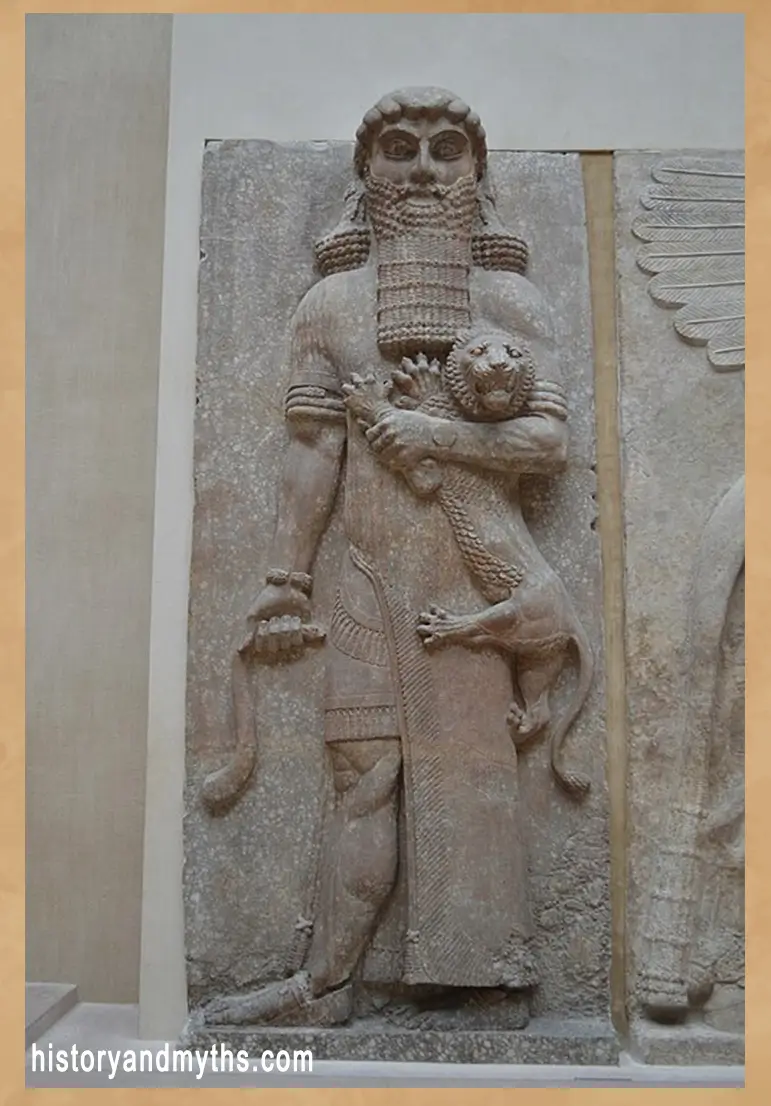
The most famous example is the tradition surrounding Gilgamesh. After confronting the reality of death, he seeks a way to avoid the fate shared by all mortals. His journey reflects a deeply human concern: the desire to preserve life and resist the inevitability of mortality. Yet the story does not celebrate the conquest of death. Instead, it emphasizes the difficulty—if not impossibility—of escaping the conditions that define human existence.
By including such narratives, Mesopotamian literature acknowledges humanity’s desire for immortality while reinforcing a central lesson of Sumerian thought: death is a boundary that humans may question, challenge, and fear, but ultimately cannot overcome.
What Gilgamesh Learned About Death
The story of Gilgamesh is significant not because it offers a way to defeat death, but because it explores the consequences of realizing that death cannot be defeated. After witnessing the loss of Enkidu, Gilgamesh becomes determined to find a path to immortality. His journey reflects a fear shared by ordinary humans and powerful rulers alike: the knowledge that every life eventually comes to an end.
What makes the story remarkable is its conclusion. Gilgamesh does not return with eternal life. Instead, he returns with a deeper understanding of human limitations. The narrative suggests that mortality is not a problem that can be solved through strength, ambition, or determination. Even the greatest king remains subject to the same boundaries that govern all humanity.
This lesson became one of the most enduring ideas in Mesopotamian thought. The true achievement of Gilgamesh is not escaping death but learning to accept the reality of mortality. In doing so, the story transforms the search for immortality into a reflection on how human beings should live while life remains within their reach.
Did the Sumerians Believe Humans Could Become Immortal?
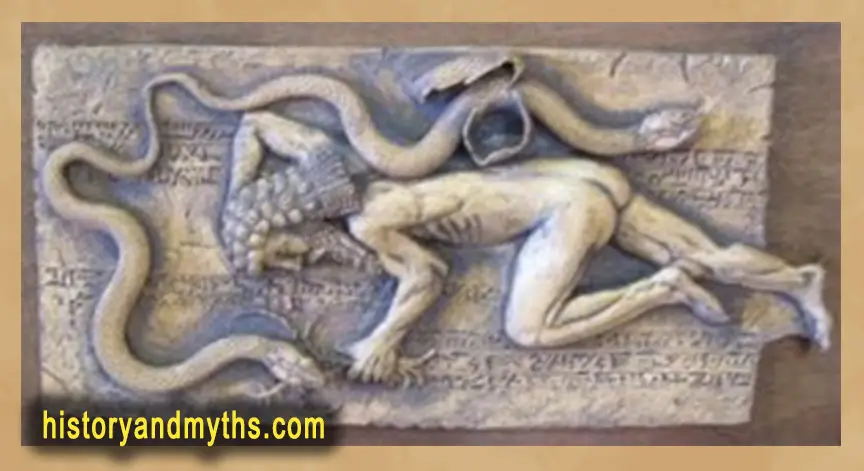
In general, no. Sumerian mythology treated immortality as a divine privilege rather than a human possibility. Although rare figures such as Utnapishtim received eternal life, these cases were exceptional and reinforced the rule that mortality was the natural fate of humanity.
Why Wisdom Was More Important Than Immortality
A striking feature of Sumerian mythology is that its most important lessons do not revolve around achieving eternal life. Instead, many traditions emphasize wisdom, responsibility, and understanding one’s place within the world. Since immortality belonged to the gods, the challenge facing humans was not how to live forever but how to live meaningfully within the limits of a mortal life.
This idea appears clearly in the broader message of Mesopotamian literature. Human beings could not control death, but they could influence how they were remembered. Building cities, preserving order, maintaining family ties, and leaving behind a lasting reputation were all ways of creating significance in a world where life was temporary. In this sense, wisdom offered something that immortality could not: a way to navigate human existence realistically.
Rather than presenting death as a problem waiting to be solved, Sumerian mythology encourages acceptance of the boundaries that define humanity. The greatest achievement was not escaping mortality but understanding how to live well despite it. This perspective became one of the most enduring themes in the intellectual and religious traditions of ancient Mesopotamia.
What Human Mortality Reveals About Sumerian Mythology
The Sumerian view of mortality reveals a mythology that was deeply concerned with the limits of human existence. Rather than portraying death as a temporary obstacle or a challenge that heroes could permanently overcome, Sumerian traditions treated mortality as one of the fundamental realities that shaped the relationship between humans and the divine world.
This perspective influenced many aspects of Mesopotamian thought. Human beings were expected to build, create, govern, worship, and leave behind a legacy, yet all of these achievements existed within the boundaries of a finite life. The awareness of death gave meaning to family continuity, social responsibility, and the desire to be remembered by future generations. Mortality was not simply an ending; it was one of the conditions that gave human life its significance.
By presenting death as an unavoidable part of the cosmic order, Sumerian mythology encouraged reflection on how life should be lived rather than how death could be escaped. The result is a tradition that focuses less on conquering mortality and more on understanding what it means to be human in a world where even the greatest achievements cannot overcome the passage of time.
Could Anyone Ever Become Immortal?
Sumerian and Mesopotamian traditions generally present immortality as a privilege reserved for the gods, yet a few exceptional stories suggest that rare exceptions could exist. The most famous example is Utnapishtim, who was granted eternal life after surviving the great flood. His case is important precisely because it was extraordinary rather than typical.
The existence of such exceptions did not change the broader message of Mesopotamian mythology. Utnapishtim’s immortality was a unique divine gift, not a reward that ordinary humans could hope to obtain. This is why Gilgamesh ultimately fails in his own search for eternal life despite his strength and status. The myths repeatedly reinforce the idea that immortality remained outside the normal limits of human existence.
By presenting immortality as an extremely rare exception, these traditions emphasized that death remained the common fate of humanity. The rule was mortality; immortality existed only to highlight how unusual and inaccessible it truly was.
Why the Gods Needed Mortal Humans
The distinction between immortal gods and mortal humans also raises an important question: if humans were destined to die, why were they created at all? Sumerian mythology often portrays humanity as fulfilling functions that supported the divine order. Humans built temples, maintained cities, offered sacrifices, and carried out the labor necessary for civilization to function.
From this perspective, mortality did not make humanity insignificant. Instead, it defined the role humans played within the cosmic structure. The gods remained eternal, while generations of mortals succeeded one another, continuously maintaining the relationship between the human and divine worlds. Death ensured that no individual lasted forever, but human society itself endured through renewal and continuity.
This idea helps explain why Sumerian myths focus less on escaping death and more on fulfilling responsibilities during life. What mattered most was not the length of a person’s existence but the role that person played within the larger order established by the gods.
Why Legacy Mattered More Than Longevity
Because immortality was beyond human reach, Sumerian culture placed great value on legacy. A person’s achievements, descendants, reputation, and contributions to society offered a form of continuity that physical life could not provide. While individuals could not live forever, their names and accomplishments could survive within the memory of future generations.
This idea appears repeatedly in Mesopotamian royal inscriptions and literary traditions. Kings invested enormous effort in building cities, temples, walls, and monuments not simply for immediate benefit but to ensure that their deeds would be remembered long after their deaths. Lasting fame became one of the closest alternatives to immortality available to mortals.
As a result, Sumerian mythology encourages a different response to mortality than the pursuit of eternal life. Instead of seeking to defeat death, individuals were encouraged to create something enduring within the limited time they possessed. Legacy, rather than longevity, became the most realistic path toward permanence in a mortal world.
Conclusion
Sumerian mythology presents mortality as one of the defining characteristics of human existence. Unlike the gods, who belonged to the realm of immortality, humans were understood to live within limits that could not be permanently overcome. Death was not viewed as an accident or a failure of the cosmic order but as a fundamental part of the structure of the world.
Stories such as the traditions surrounding Gilgamesh demonstrate that the search for eternal life ultimately led to a deeper understanding of human limitations rather than a victory over death. The myths repeatedly emphasize that immortality was reserved for the gods, while wisdom, legacy, and meaningful action remained the achievements available to humanity.
By exploring why humans could not escape death, Sumerian mythology offers more than an explanation of mortality. It provides a reflection on the human condition itself, presenting death not as a problem to be solved but as a reality that gives purpose and value to the life lived before it.
Key Takeaways
- Sumerian mythology viewed mortality as a defining feature of humanity.
- The gods were immortal, creating a clear boundary between divine and human existence.
- Death was considered part of the cosmic order rather than a punishment.
- Humans were never intended to possess eternal life.
- Gilgamesh’s journey illustrates the limits of human ambition against mortality.
- Immortality appeared only in rare and exceptional cases.
- Wisdom and acceptance were valued more than the pursuit of eternal life.
- Legacy offered the closest form of permanence available to mortals.
Frequently Asked Questions
Why could humans not escape death in Sumerian mythology?
Because mortality was considered a fundamental part of the cosmic order and one of the main distinctions between humans and gods.
Were the Sumerian gods immortal?
Yes. Immortality was one of the defining characteristics of the divine realm.
Did the Sumerians see death as a punishment?
Generally no. Death was viewed as a natural condition of human existence rather than a punishment for wrongdoing.
Did Gilgamesh achieve immortality?
No. His quest ultimately teaches that human beings cannot escape mortality.
Was anyone granted immortality in Mesopotamian mythology?
Utnapishtim is the best-known example of a figure who received immortality through exceptional divine intervention.
Why was immortality reserved for the gods?
Because immortality marked the boundary between divine beings and mortals within the cosmic order.
What mattered more than immortality in Sumerian thought?
Wisdom, reputation, social responsibility, and lasting achievements were considered more realistic goals.
How did Sumerians seek permanence despite mortality?
Through legacy, family continuity, monumental building projects, and remembrance by future generations.
SOURCES
- George, Andrew. The Epic of Gilgamesh. Penguin Classics, 2003.
- George, Andrew. The Babylonian Gilgamesh Epic: Introduction, Critical Edition and Cuneiform Texts. Oxford University Press, 2003.
- Kramer, Samuel Noah. Sumerian Mythology: A Study of Spiritual and Literary Achievement in the Third Millennium B.C.. University of Pennsylvania Press, 1961.
- Jacobsen, Thorkild. The Treasures of Darkness: A History of Mesopotamian Religion. Yale University Press, 1976.
- Bottéro, Jean. Religion in Ancient Mesopotamia. University of Chicago Press, 2001.
- Dalley, Stephanie. Myths from Mesopotamia: Creation, the Flood, Gilgamesh, and Others. Oxford University Press, 2008.
- Leick, Gwendolyn. A Dictionary of Ancient Near Eastern Mythology. Routledge, 1998.
- Black, Jeremy, and Anthony Green. Gods, Demons and Symbols of Ancient Mesopotamia. University of Texas Press, 1992.
- Van De Mieroop, Marc. A History of the Ancient Near East ca. 3000–323 BC. Wiley-Blackwell, 2016.
- Roux, Georges. Ancient Iraq. Penguin Books, 1992.
- Postgate, J. N. Early Mesopotamia: Society and Economy at the Dawn of History. Routledge, 1994.
- Foster, Benjamin R. Before the Muses: An Anthology of Akkadian Literature. CDL Press, 2005.
- Hallo, William W., and K. Lawson Younger Jr., eds. The Context of Scripture, Volume 1: Canonical Compositions from the Biblical World. Brill, 2003.
- Written by H. Moses — All rights reserved © Mythology and History