Humans and Gods in Sumerian Mythology: Duty, Worship, Divine Favor
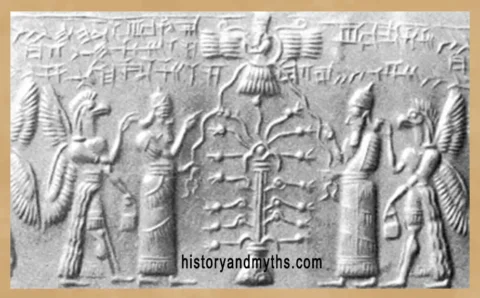
In Sumerian mythology, the relationship between humans and gods was built on more than simple worship. The Sumerians believed that both existed within a shared system that sustained the world. Humans depended on the gods for stability, fertility, protection, and the continued functioning of civilization, while the gods expected service, offerings, and the maintenance of sacred institutions. This relationship shaped every aspect of religious and social life.
Unlike later traditions that often focus on personal faith, Sumerian belief emphasized responsibility and reciprocity. The gods maintained the cosmic order, but humans were expected to support that order through work, ritual practices, and devotion. Neither side occupied the same position, yet both played essential roles within the structure of the universe.
Understanding this relationship provides insight into the foundations of Sumerian religion. It reveals why temples stood at the center of society, why service to the gods was considered necessary, and how the ancient Mesopotamians understood humanity’s place within a world governed by divine authority.
Humans Were Created to Serve the Gods
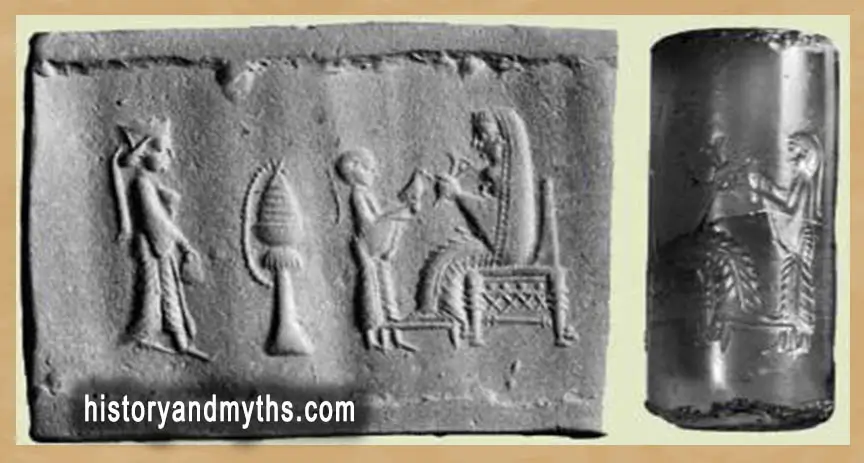
Sumerian mythology presents humanity as a purposeful creation rather than an accidental part of the world. The gods created humans to perform the labor and responsibilities necessary to sustain the divine order. This idea appears in several Mesopotamian traditions, where human beings assume tasks that support temples, rituals, and the functioning of civilized society.
However, service to the gods involved more than physical labor. Humans were expected to maintain sacred spaces, present offerings, observe religious obligations, and uphold the institutions that connected the human world to the divine realm. Through these activities, people helped preserve the relationship upon which cosmic and social stability depended.
This belief gave human existence a defined purpose. Rather than asking why humans existed, Sumerian mythology focused on what humans were expected to do. Their role was to participate in the maintenance of an ordered world established and governed by the gods.
Humans and Gods in Sumerian Mythology
| Aspect | Sumerian View |
|---|---|
| Human Purpose | Humans were created to serve the gods and support divine order. |
| Divine Responsibility | The gods maintained stability, fertility, and the functioning of the world. |
| Worship | A reciprocal obligation linking humans and gods. |
| Dependence | Human prosperity depended on divine favor. |
| Authority | The gods held ultimate power over the cosmos. |
| Human Status | Important but subordinate within the cosmic order. |
| Temples | Centers where the relationship between gods and humans was maintained. |
| Shared Goal | Preservation of order, stability, and civilization. |
The Gods Maintained the World for Humanity
While humans were expected to serve the gods, the relationship was not entirely one-sided. Sumerian belief held that the gods actively maintained the conditions necessary for human life. Fertile land, successful harvests, stable cities, and the continued functioning of the natural world were all understood as benefits made possible through divine power.
This perspective helps explain why gratitude and devotion occupied such an important place in religious life. Human prosperity depended on forces beyond human control, and the gods were seen as the guardians of those forces. When the world remained productive and orderly, it reflected the continued support of divine authority.
The relationship therefore involved dependence as well as obligation. Humans relied on the gods not only for survival but also for the stability that allowed civilization to exist. In return, they were expected to acknowledge that dependence through worship, offerings, and participation in the sacred institutions that connected society to the divine realm.
Worship Was Part of a Reciprocal Relationship
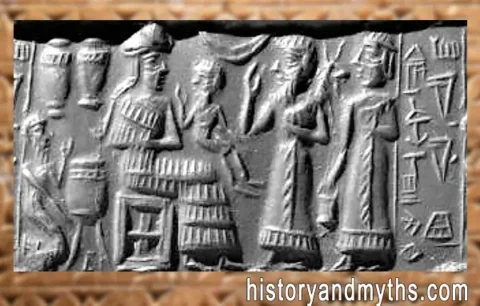
In Sumerian religion, worship was not viewed as a purely symbolic act. Offerings, prayers, festivals, and temple rituals were understood as essential parts of the relationship between humans and gods. Through these practices, people fulfilled their obligations to the divine powers that sustained the world around them.
This relationship operated on the principle of reciprocity. Humans honored the gods through service and devotion, while the gods provided the stability, fertility, and protection needed for society to flourish. Worship therefore helped maintain a bond that benefited both sides, even though the balance of power remained firmly in divine hands.
Seen from this perspective, religious practice was not separate from daily life. It was one of the mechanisms through which the relationship between humanity and the divine was maintained. Worship reinforced the connection that linked human communities to the cosmic order established by the gods.
Humans Depended on Divine Favor
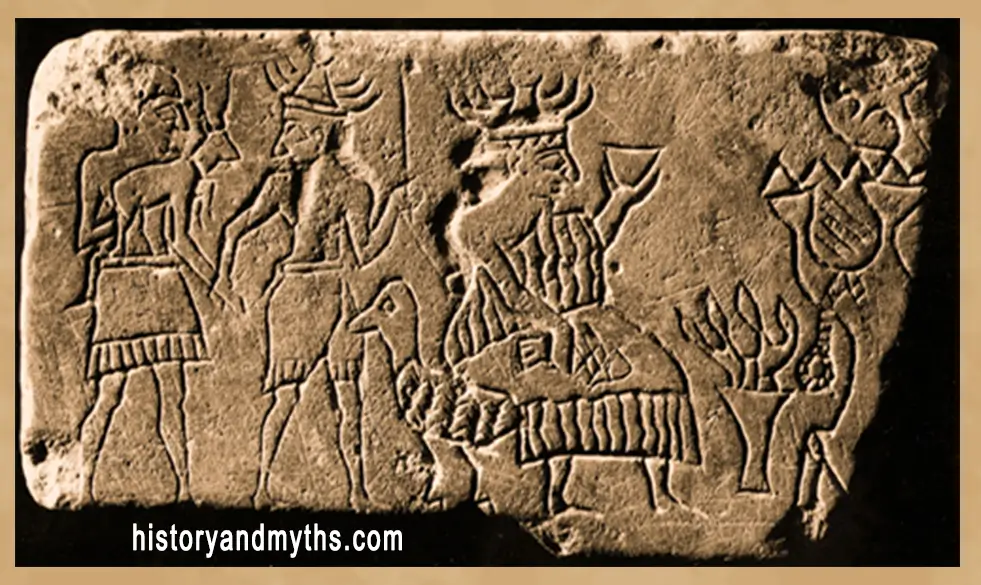
The Sumerians believed that many of the most important aspects of life remained beyond human control. Agricultural success, political stability, public health, and the prosperity of cities could not be guaranteed through human effort alone. These outcomes were often understood as signs of divine favor or disfavor.
Because of this belief, maintaining a positive relationship with the gods was considered essential. Religious obligations were not performed merely out of tradition; they reflected a practical concern for the well-being of individuals and communities. Divine support was thought to influence whether society flourished or struggled.
This dependence shaped the Sumerian view of humanity’s place in the world. People possessed responsibilities and capabilities, but they were not self-sufficient. Human success ultimately relied on cooperation with divine powers that governed forces beyond human authority. The relationship between gods and humans therefore rested not only on duty, but also on a recognition of human dependence upon the divine.
What Was the Relationship Between Humans and Gods?
In Sumerian mythology, humans and gods were connected through a system of mutual obligations. Humans served, worshipped, and maintained sacred institutions, while the gods provided stability, prosperity, and protection. This relationship formed the foundation of Sumerian religious life.
The Relationship Was Unequal but Necessary
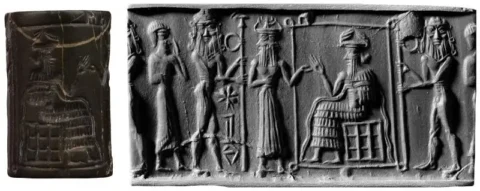
Although humans and gods depended on one another within the Sumerian worldview, they did not occupy equal positions. The gods possessed authority, immortality, and control over the forces that shaped the world, while humans remained mortal and limited in power. This imbalance was accepted as a fundamental part of existence rather than a problem to be solved.
At the same time, humanity was not considered meaningless. Humans fulfilled functions that the gods desired, particularly through labor, worship, and the maintenance of civilization. Their role gave them significance within the divine order, even though they remained subordinate to the gods who governed it.
This combination of dependence and inequality defined the relationship between humans and the divine. The gods held ultimate authority, but the functioning of the world still required human participation. Sumerian mythology therefore portrays a relationship built not on equality, but on interconnected responsibilities that linked mortal life to the divine realm.
What This Relationship Reveals About Sumerian Belief
The relationship between humans and gods reveals a central principle of Sumerian thought: the world functioned through cooperation between the divine and human realms. The gods possessed authority and power, but humans were expected to fulfill the responsibilities that helped sustain the order established by the gods. Neither existed in isolation from the other.
This worldview placed duty at the center of religious life. Human beings were valued not because they controlled their own destinies, but because they occupied an important role within a larger cosmic system. Worship, labor, and social responsibilities were meaningful because they contributed to the stability of that system.
More broadly, this relationship shows that Sumerian mythology was less concerned with individual salvation or personal faith than with maintaining balance and order. The connection between gods and humans was understood as a practical and necessary partnership that allowed civilization, society, and the cosmos itself to endure.
In Sumerian mythology, the relationship between humans and gods was built on mutual obligations rather than simple obedience. Humans depended on the gods for stability, protection, and prosperity, while the gods expected service, worship, and the maintenance of sacred institutions. This exchange formed one of the foundations of Sumerian religious thought.
Although the relationship was unequal, it was also essential. The gods governed the cosmos, but humans played an important role in supporting the order that made civilization possible. Through ritual, labor, and devotion, people participated in a system that connected everyday life to divine authority.
Understanding this relationship helps explain many features of Sumerian mythology, from the purpose of human creation to the importance of temples and worship. It reveals a worldview in which gods and humans occupied different positions, yet remained linked through shared responsibilities that sustained the world they inhabited.
Key Takeaways
- Sumerians believed humans were created to serve the gods.
- The gods maintained the conditions necessary for civilization to survive.
- Worship was part of an ongoing reciprocal relationship.
- Human communities depended on divine favor for prosperity and stability.
- The relationship between gods and humans was unequal but necessary.
- Temples played a central role in maintaining this connection.
- Religious duties were closely connected to social and civic responsibilities.
- The relationship reflects the Sumerian emphasis on order, duty, and cooperation.
Frequently Asked Questions
What was the relationship between humans and gods in Sumerian mythology?
It was a relationship based on mutual obligations, where humans served the gods and the gods maintained the world.
Why did the Sumerians worship their gods?
They believed worship helped maintain divine favor and preserved the stability of society and the cosmos.
Why were humans created according to Sumerian mythology?
Humans were created to perform duties that supported the divine order established by the gods.
Did the gods depend on humans?
While the gods held greater authority, Sumerian myths portray humans as important participants in maintaining temples, rituals, and civilization.
What role did temples play?
Temples served as centers where humans fulfilled their obligations to the gods through offerings and rituals.
Was the relationship between gods and humans equal?
No. The gods possessed authority and immortality, while humans occupied a subordinate position.
How did divine favor affect human life?
Divine favor was believed to influence prosperity, agricultural success, and the stability of communities.
What does this relationship reveal about Sumerian belief?
It reveals a worldview centered on duty, reciprocity, order, and cooperation between the human and divine realms.
SOURCES
- Jacobsen, Thorkild. The Treasures of Darkness: A History of Mesopotamian Religion. Yale University Press, 1976.
- Kramer, Samuel Noah. Sumerian Mythology: A Study of Spiritual and Literary Achievement in the Third Millennium B.C.. University of Pennsylvania Press, 1961.
- Kramer, Samuel Noah. History Begins at Sumer. University of Pennsylvania Press, 1981.
- Bottéro, Jean. Religion in Ancient Mesopotamia. University of Chicago Press, 2001.
- Black, Jeremy, and Anthony Green. Gods, Demons and Symbols of Ancient Mesopotamia. University of Texas Press, 1992.
- Leick, Gwendolyn. A Dictionary of Ancient Near Eastern Mythology. Routledge, 1998.
- Dalley, Stephanie. Myths from Mesopotamia: Creation, the Flood, Gilgamesh, and Others. Oxford University Press, 2008.
- Van De Mieroop, Marc. A History of the Ancient Near East ca. 3000–323 BC. Wiley-Blackwell, 2016.
- Postgate, J. N. Early Mesopotamia: Society and Economy at the Dawn of History. Routledge, 1994.
- Snell, Daniel C. Life in the Ancient Near East. Yale University Press, 1997.
- Hallo, William W., and K. Lawson Younger Jr., eds. The Context of Scripture, Volume 1: Canonical Compositions from the Biblical World. Brill, 2003.
- Michalowski, Piotr. “Mesopotamian Mythology.” In The Oxford Encyclopedia of Archaeology in the Near East. Oxford University Press.
- Civil, Miguel. “The Sumerian Human and Its World.” In Literatures from the Ancient Near East. Society of Biblical Literature.
- Roux, Georges. Ancient Iraq. Penguin Books, 1992.
- Glassner, Jean-Jacques. Mesopotamian Chronicles. Society of Biblical Literature, 2004.
- Cooper, Jerrold S. Reconstructing History from Ancient Inscriptions: The Lagash-Umma Border Conflict. Scholars Press, 1983.
- ETCSL (Electronic Text Corpus of Sumerian Literature). University of Oxford.
- “Enki and the World Order.” Electronic Text Corpus of Sumerian Literature.
- “Enlil and Ninlil.” Electronic Text Corpus of Sumerian Literature.
- “Inanna and Enki.” Electronic Text Corpus of Sumerian Literature.
- “The Debate Between Bird and Fish.” Electronic Text Corpus of Sumerian Literature.
- “The Instructions of Shuruppak.” Electronic Text Corpus of Sumerian Literature.