Why Knowledge Was Sacred in Sumerian Mythology
In Sumerian belief, knowledge was far more than the accumulation of information. It was viewed as a powerful force that made civilization possible, preserved social order, and connected humanity to the divine world. The ability to govern, judge, perform rituals, maintain temples, and organize society all depended on forms of knowledge that were considered essential to the proper functioning of the universe.
This perspective helps explain why wisdom, understanding, and specialized knowledge carried such prestige in ancient Mesopotamia. The Sumerians did not see knowledge as something entirely created by humans. Many aspects of civilization were believed to originate from divine sources and formed part of the sacred order established by the gods. To possess knowledge was therefore not simply to be educated but to participate in a system that reflected the structure of the cosmos itself.
Understanding why knowledge was sacred reveals a fundamental principle of Sumerian thought. Knowledge represented order over chaos, stability over disorder, and civilization over uncertainty. For that reason, it occupied a place that was both practical and deeply religious within Sumerian belief.
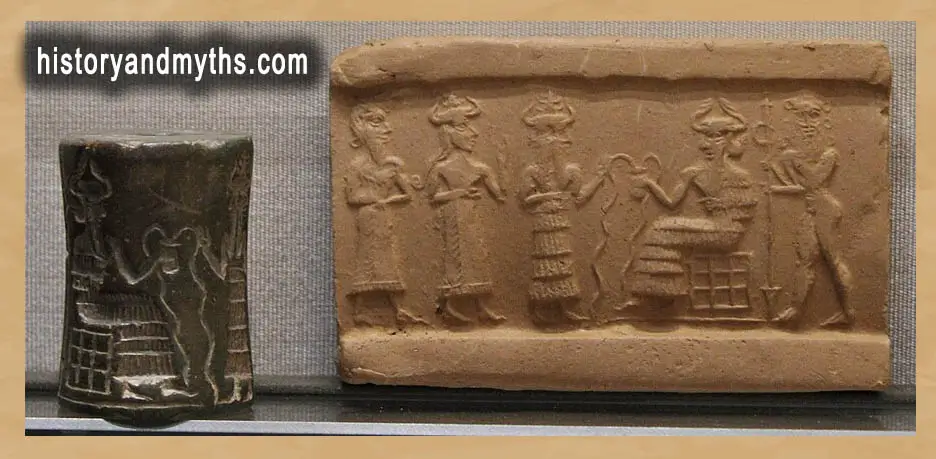
Knowledge Was Considered a Divine Gift
One of the most important reasons knowledge was regarded as sacred in Sumerian belief is that it was not seen as a purely human achievement. The foundations of civilization—laws, rituals, governance, craftsmanship, and social order—were believed to originate from the divine realm. Human beings could learn, preserve, and apply knowledge, but its ultimate source lay beyond them.
This idea appears throughout Mesopotamian religious thought, where the most important elements of civilization are connected to the gods rather than to human invention alone. Knowledge carried authority because it was understood to reflect principles that already existed within the divine order. To act wisely was therefore not simply to make good decisions but to act in harmony with a larger structure established by sacred powers.
As a result, knowledge possessed a status that extended beyond practical usefulness. It was respected because it helped people understand and maintain the order upon which both society and civilization depended. In this sense, acquiring knowledge was not merely an intellectual activity—it was participation in a gift believed to have divine origins.
Why Was Knowledge Sacred in Sumerian Belief?
| Concept | Role in Sumerian Belief |
|---|---|
| Divine Gift | Knowledge was believed to originate from the divine realm rather than from humans alone. |
| The Me | The sacred principles that made civilization and social order possible. |
| Order Over Chaos | Knowledge helped preserve stability and prevent disorder. |
| Secret Wisdom | Certain forms of knowledge were considered rare and powerful. |
| Authority | Legitimate rule depended on wisdom and understanding. |
| Justice | Fair judgment required knowledge and wise decision-making. |
| Human Limitations | People could gain knowledge but never equal divine understanding. |
| Divine Wisdom | The gods were regarded as the ultimate source of wisdom. |
| Civilization | Knowledge sustained institutions, traditions, and social order. |
| Sacred Order | Knowledge connected human life to the structure of the cosmos. |
The Me and the Foundations of Civilization
One of the most distinctive ideas in Sumerian belief was the concept of the Me, a collection of divine powers and principles that governed the functioning of civilization. The Me were not simply laws or religious rules. They represented the essential qualities that made organized human life possible, including authority, justice, craftsmanship, ritual practices, social institutions, and many other aspects of culture.
Because these powers originated in the divine realm, civilization itself was understood as something rooted in sacred knowledge. Human society could not create order from nothing; it depended on principles that already existed within the structure established by the gods. The role of humanity was to preserve and apply these principles rather than invent them independently.
This helps explain why knowledge occupied such an important place in Sumerian thought. To understand the forces that sustained civilization was to understand part of the divine order itself. Knowledge was therefore more than practical skill or accumulated experience—it was access to the sacred foundations upon which society was built.
Knowledge Was the Opposite of Chaos
In Sumerian belief, knowledge was valuable because it helped maintain order in a world that could easily fall into disorder. Successful government, religious ceremonies, legal systems, agriculture, and social institutions all depended on people understanding the correct ways to perform their roles. When knowledge was preserved and applied properly, society functioned as intended. When it was lost or ignored, instability followed.
This connection between knowledge and order explains why wisdom carried moral and religious significance. Knowledge was not simply a collection of facts; it was the ability to understand how things should be done according to the established structure of the world. A skilled ruler, judge, priest, or administrator was respected because proper knowledge helped preserve stability and predictability within society.
As a result, knowledge became one of the foundations of civilization itself. It provided the framework that allowed communities to organize resources, resolve disputes, perform rituals, and maintain relationships with the divine. In this sense, knowledge was sacred because it protected the order that separated civilization from chaos.
Why Secret Knowledge Was Powerful
Not all knowledge was considered equal in Sumerian belief. Certain forms of knowledge were viewed as rare, specialized, or hidden from ordinary people. Religious rituals, sacred traditions, divine decisions, and the deeper principles governing the world were often associated with individuals who possessed privileged access to them. This exclusivity increased the value and authority of such knowledge.
The idea of secret knowledge reflected a broader belief that understanding the world required more than observation alone. Some truths were believed to lie beneath the visible surface of reality and could only be accessed through wisdom, experience, or divine favor. Knowledge therefore carried power because it revealed aspects of the order that were not immediately apparent to everyone.
This helped create a distinction between ordinary information and sacred understanding. Knowing something that others did not know could provide authority, influence, and the ability to act correctly in situations where ignorance might lead to failure. In this sense, secret knowledge was powerful because it offered deeper insight into the forces that shaped both human society and the divine order behind it.
Knowledge and Legitimate Authority
Knowledge was closely connected to authority because effective leadership required more than power alone. In Sumerian thought, rulers, judges, and religious officials were expected to maintain order, resolve disputes, and perform their duties according to established principles. Authority gained legitimacy when it was guided by wisdom and understanding rather than force.
This connection appears throughout Mesopotamian tradition, where good governance is associated with the ability to make correct decisions and preserve stability. A leader who lacked knowledge risked creating disorder, while a wise leader helped protect the structures upon which society depended. Knowledge therefore served as a foundation for responsible rule.
For this reason, wisdom carried political as well as religious significance. It provided the insight needed to govern fairly, uphold justice, and maintain harmony within the community. Sacred knowledge was valued not only because it revealed aspects of the divine order but also because it helped ensure that human authority operated in accordance with that order.
Why Knowledge Was More Than Information
Modern societies often treat knowledge as information that can be collected, stored, and exchanged. Sumerian belief reflected a broader understanding. Knowledge included the principles that allowed society to function correctly, from justice and religious practice to administration and social responsibility. Knowing something meant understanding how to act within an established order rather than simply possessing facts.
This perspective explains why wisdom carried such importance in Mesopotamian thought. Knowledge was valued because it guided behavior and helped people fulfill their roles within the community. A judge needed knowledge to rule fairly, a ruler needed knowledge to govern effectively, and religious officials needed knowledge to perform sacred duties correctly. In each case, knowledge had practical consequences for the stability of society.
For the Sumerians, knowledge became sacred because it shaped action. It was not merely something people possessed; it was something that helped maintain order, transmit tradition, and preserve the structures upon which civilization depended. Its value lay not only in what it revealed but also in what it enabled people to accomplish.
Knowledge in Sumerian Religion
In Sumerian belief, knowledge was more than information or learning. It was viewed as a sacred force that preserved order, supported justice, guided authority, and sustained civilization. Because the foundations of society were believed to reflect divine principles, wisdom carried both practical and religious significance.
Sacred Knowledge and the Survival of Civilization
Sumerian society depended on systems that required knowledge to be preserved and passed from one generation to the next. Laws, religious traditions, administrative practices, and social customs all relied on people understanding how these systems functioned. Without that continuity, the structures that supported civilization could weaken or disappear.
For this reason, knowledge was closely linked to cultural survival. It preserved the experience of earlier generations and allowed communities to maintain the institutions that organized daily life. Knowledge connected the past to the present, ensuring that important traditions, responsibilities, and practices were not lost over time.
This role gave knowledge a significance that extended beyond individual achievement. It became a collective resource that protected social stability and cultural identity. In Sumerian belief, preserving knowledge helped preserve civilization itself, which is one reason it was treated with such respect and regarded as something deeply sacred.
Why Knowledge Was Sacred in Sumerian Belief
The sacred status of knowledge in Sumerian belief came from the conviction that civilization depended upon it. Knowledge was seen as a force that preserved order, guided authority, sustained traditions, and connected human society to principles believed to originate in the divine realm. It was valuable not simply because it provided practical benefits but because it helped maintain the structure upon which the world functioned.
This perspective shaped the way wisdom was understood. Knowledge represented more than learning or intelligence; it embodied the understanding required to govern responsibly, uphold justice, preserve social stability, and fulfill religious obligations. The ability to act correctly depended upon access to knowledge, which gave it both practical and spiritual significance.
For the Sumerians, knowledge stood between order and chaos. It protected the institutions of civilization, transmitted essential traditions, and allowed society to remain aligned with the principles that sustained it. That is why knowledge was treated with such respect. It was regarded not merely as a human possession but as one of the foundations of the sacred order itself.
Why Knowledge Was Connected to Justice
In Sumerian thought, justice depended on the ability to understand what was right, appropriate, and beneficial for the community. Fair judgments required more than authority; they required wisdom. A ruler or judge who lacked knowledge could create disorder through poor decisions, while one guided by understanding helped maintain stability and social harmony.
This connection gave knowledge an ethical dimension. Wisdom was valued not only because it increased effectiveness but because it supported fairness and proper conduct. The ability to distinguish between good and harmful actions was seen as essential for preserving order within society.
As a result, knowledge became closely linked to justice. It provided the insight needed to make balanced decisions, resolve disputes, and uphold the principles upon which civilized life depended. In this way, wisdom contributed not only to effective government but also to the maintenance of a just social order.
Why the Gods Were Seen as Sources of Wisdom
The Sumerians believed that the gods possessed a deeper understanding of the world than human beings could achieve on their own. The divine realm was viewed as the source of the principles that governed society, nature, and cosmic order. Because the gods stood behind these principles, they were naturally regarded as the ultimate source of wisdom.
This belief did not mean that humans were incapable of knowledge. Rather, human understanding was seen as limited when compared to divine insight. People could learn, interpret, and preserve knowledge, but the highest wisdom was believed to originate from powers greater than themselves.
For this reason, knowledge carried sacred significance. To seek wisdom was, in a sense, to seek a better understanding of the order established by the gods. The association between divinity and wisdom helped explain why knowledge was treated with such respect throughout Sumerian religious thought.
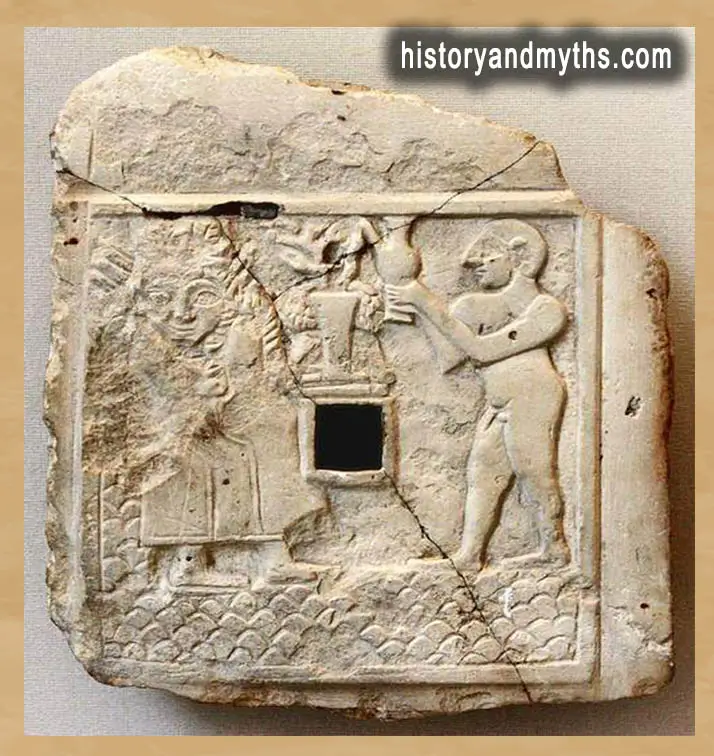
Knowledge and Human Limitations
Sumerian mythology frequently emphasizes the limits of human understanding. While people could gain knowledge and develop civilization, they remained finite beings who did not possess the complete perspective of the gods. Certain truths, future events, and divine decisions existed beyond ordinary human awareness.
This contrast reinforced the value of wisdom. Because human knowledge was incomplete, acquiring understanding became an ongoing effort rather than a finished achievement. Wisdom helped individuals navigate a world whose deeper workings were not always visible or fully understood.
The recognition of human limitations also contributed to the sacred status of knowledge. Knowledge was precious because it was not unlimited. It offered access to a greater understanding of reality while reminding people that some aspects of existence remained beyond human control. In this way, the pursuit of wisdom reflected both human ambition and human humility.
Conclusion Knowledge occupied a sacred place in Sumerian belief because it was understood as one of the forces that made civilization possible. The Sumerians associated knowledge with the principles that sustained order, guided authority, preserved traditions, and enabled society to function according to the structure established by the gods. It was valued not merely for what it taught but for the stability and continuity it provided.
This view explains why knowledge carried both practical and religious significance. Wisdom helped rulers govern, communities maintain order, and individuals fulfill their responsibilities within society. Knowledge was respected because it connected human action to a larger framework that was believed to support the world itself.
Key Takeaways
- The Sumerians regarded knowledge as a gift connected to the divine order.
- The concept of the Me linked knowledge to the foundations of civilization.
- Knowledge helped maintain order and resist chaos.
- Some forms of wisdom were considered secret and highly valuable.
- Legitimate authority required understanding as well as power.
- Justice depended on wise judgment and informed decisions.
- The gods were viewed as the ultimate source of wisdom.
- Human knowledge was respected but considered limited.
- Knowledge preserved traditions, institutions, and social stability.
- Wisdom was sacred because it helped sustain the world as it was meant to function.
Frequently Asked Questions
Why was knowledge sacred in Sumerian belief?
Knowledge was viewed as a force that preserved order, supported civilization, and reflected principles associated with the divine realm.
What was the connection between knowledge and the Me?
The Me represented the sacred powers and principles that made civilization possible, making knowledge part of the divine structure of society.
Did the Sumerians believe knowledge came from the gods?
Yes. Many essential aspects of civilization were believed to originate from divine sources rather than from humans alone.
Why was wisdom important to rulers?
Wisdom helped leaders govern effectively, maintain stability, and make informed decisions.
How was knowledge connected to justice?
Fair judgment depended on understanding, wisdom, and the ability to make balanced decisions.
Why was secret knowledge considered powerful?
Because it provided access to deeper insights that were not available to everyone.
Did the Sumerians value knowledge more than information?
Yes. Knowledge included wisdom, proper action, social responsibility, and understanding of order.
Why were the gods associated with wisdom?
The gods were believed to possess a deeper understanding of reality and the principles governing the world.
Did humans have complete knowledge according to Sumerian belief?
No. Human understanding was considered limited when compared to divine wisdom.
How did knowledge help civilization survive?
Knowledge preserved traditions, institutions, social order, and the continuity of cultural life.
SOURCES
- Jacobsen, Thorkild. The Treasures of Darkness: A History of Mesopotamian Religion. New Haven: Yale University Press, 1976.
- Kramer, Samuel Noah. Sumerian Mythology: A Study of Spiritual and Literary Achievement in the Third Millennium B.C.. Philadelphia: University of Pennsylvania Press, 1961.
- Bottéro, Jean. Religion in Ancient Mesopotamia. Chicago: University of Chicago Press, 2001.
- Black, Jeremy, and Anthony Green. Gods, Demons and Symbols of Ancient Mesopotamia: An Illustrated Dictionary. Austin: University of Texas Press, 1992.
- Dalley, Stephanie. Myths from Mesopotamia: Creation, the Flood, Gilgamesh, and Others. Oxford: Oxford University Press, 2008.
- Leick, Gwendolyn. A Dictionary of Ancient Near Eastern Mythology. London: Routledge, 1998.
- Hallo, William W., and K. Lawson Younger Jr., eds. The Context of Scripture, Volume 1. Leiden: Brill, 2003.
- Foster, Benjamin R. Before the Muses: An Anthology of Akkadian Literature. Bethesda: CDL Press, 2005.
- Van De Mieroop, Marc. A History of the Ancient Near East ca. 3000–323 BC. Hoboken: Wiley-Blackwell, 2016.
- Roux, Georges. Ancient Iraq. London: Penguin Books, 1992.
- Postgate, J. N. Early Mesopotamia: Society and Economy at the Dawn of History. London: Routledge, 1994.
- Crawford, Harriet. Sumer and the Sumerians. Cambridge: Cambridge University Press, 2004.
- George, Andrew R. The Babylonian Gilgamesh Epic. Oxford: Oxford University Press, 2003.
- Michalowski, Piotr. The Correspondence of the Kings of Ur. Winona Lake: Eisenbrauns, 2011.
- Cooper, Jerrold S. Reconstructing History from Ancient Inscriptions: The Lagash-Umma Border Conflict. Malibu: Undena Publications, 1983.
- Asher-Greve, Julia M., and Joan Goodnick Westenholz. Goddesses in Context. Fribourg: Academic Press Fribourg, 2013.
- Glassner, Jean-Jacques. Mesopotamian Chronicles. Atlanta: Society of Biblical Literature, 2004.
- Electronic Text Corpus of Sumerian Literature (ETCSL), University of Oxford.
- The Metropolitan Museum of Art. Essays on Mesopotamian Religion, Wisdom Traditions, and Divine Order.
- British Museum Collection Online. Resources on Mesopotamian Religion, Kingship, and Sacred Knowledge.
- Penn Museum. Mesopotamian Religion and Intellectual Traditions Collections.