Sumerian Mythology: Why the Underworld Was Feared
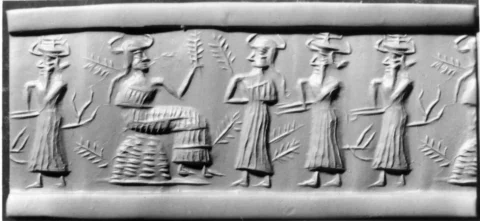
In many ancient religions, the afterlife offered the possibility of reward, divine companionship, or a better existence beyond death. Sumerian mythology presented a far less comforting vision. The underworld was not feared because it was a place of endless punishment, but because it represented a bleak and unavoidable fate awaiting nearly everyone. Kings, priests, warriors, and ordinary people all entered the same shadowy realm after death.
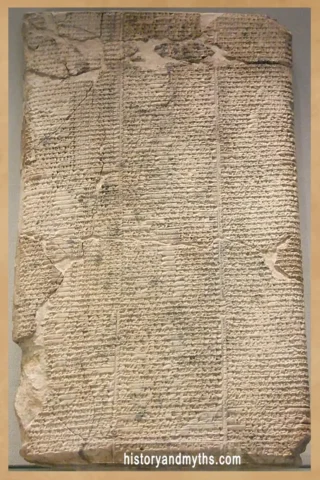
Sumerian texts describe the underworld as a distant land separated from the world of the living, where the dead existed in a diminished state and depended on offerings from their descendants. Stories such as Inanna’s descent and various Mesopotamian descriptions of the realm of the dead reveal a place associated with dust, silence, and separation rather than hope or renewal. These beliefs made the underworld one of the most unsettling elements of Sumerian religious thought.
Understanding why the Sumerian underworld was feared provides valuable insight into how ancient Mesopotamians viewed death, human mortality, and the limits of earthly life. More than a destination for the dead, the underworld reflected a broader understanding of what it meant to be human in a world where loss and death could never be fully escaped.
Why the Sumerian Underworld Was Different from Other Afterlives
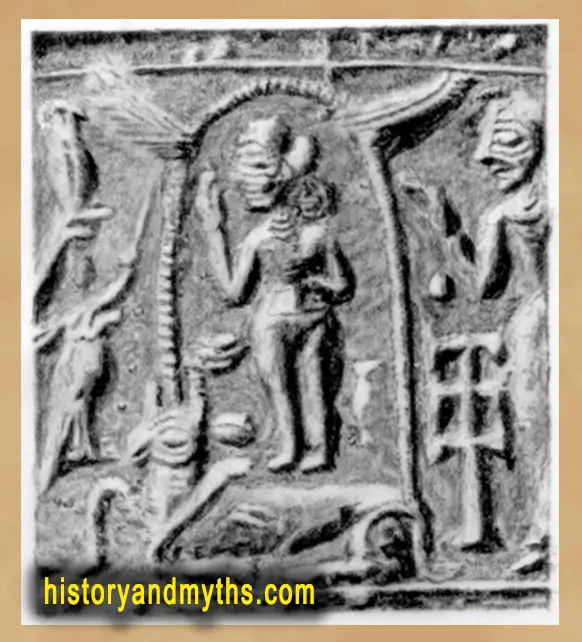
One reason the Sumerian underworld inspired fear is that it offered very little hope of a better existence after death. Many later religious traditions developed ideas of reward, salvation, or privileged afterlives for the righteous. Sumerian mythology presents a different picture. The underworld was largely the common destination of humanity, regardless of social status or personal achievement during life.
This idea appears in several Mesopotamian texts that describe the realm of the dead as a distant and isolated domain. Entering the underworld did not mean joining the gods or receiving immortality. Instead, the dead continued to exist in a diminished state, separated from the world they had once known. Death marked a transition to a shadowy form of existence rather than a new and improved life.
For the Sumerians, the fear of the underworld came not from the expectation of torture but from the absence of hope associated with it. The prospect of leaving behind family, status, possessions, and daily life for a bleak and uncertain existence made the underworld one of the most unsettling concepts in their mythology.
Why the Sumerian Underworld Was Feared
| Aspect | Why It Inspired Fear |
|---|---|
| Common fate | All humans eventually entered the underworld regardless of status. |
| Absence of reward | The afterlife offered little expectation of a better existence. |
| Loss of earthly life | Death meant separation from family, work, and society. |
| Dust and darkness | The realm was associated with bleak and diminished existence. |
| Dependence on the living | The dead relied on offerings and remembrance. |
| Mortality | The underworld symbolized the unavoidable limits of human life. |
| Not a paradise | It was viewed as a shadowy continuation rather than a reward. |
| Cultural meaning | It reflected Sumerian concerns about death, loss, and memory. |
A Realm Where All Humans Shared the Same Fate
Another reason the Sumerian underworld was feared is that it largely erased the distinctions that shaped life on earth. Kings, nobles, priests, and ordinary laborers all eventually entered the same realm of the dead. Wealth, political power, and social status could influence a person’s life, but they offered little protection against the final destination awaiting humanity.
This concept appears in Mesopotamian descriptions of the underworld, where the dead exist together regardless of their former position in society. The idea was unsettling because it challenged one of the foundations of earthly civilization: hierarchy. The differences that defined daily life lost much of their meaning after death.
For ancient Mesopotamians, this belief reinforced the inevitability of mortality. No achievement could permanently separate an individual from the fate shared by all humans. The underworld was feared not only because it represented death, but because it reminded people that every life, regardless of status, ultimately moved toward the same destination.
Why the Absence of Hope Made the Underworld Fearful
The Sumerian underworld was feared in part because it offered little expectation of improvement after death. In many later traditions, death could lead to reward, divine judgment, or a more desirable existence. Sumerian mythology rarely presents such possibilities. Entering the realm of the dead meant leaving behind the opportunities, relationships, and activities that gave meaning to life.
This bleak outlook appears in descriptions of the underworld found in Mesopotamian literature. The dead continue to exist, but their condition is diminished compared to that of the living. They do not return to their former lives, nor do they gain the privileges enjoyed by the gods. The afterlife is defined more by continuation than transformation.
Because of this, fear of the underworld was closely connected to fear of irreversible loss. Death did not simply mark the end of life; it marked entry into a state from which there was no ordinary return. The absence of hope for a better fate made the underworld one of the most troubling aspects of Sumerian belief.
The World of Dust, Shadows, and Silence
Sumerian descriptions of the underworld emphasize an environment very different from the vibrant world of the living. Texts portray the realm of the dead as a place associated with dust, darkness, and stillness rather than activity and abundance. These images helped communicate the idea that death involved a significant loss of the qualities that made earthly life meaningful.
One of the clearest examples appears in the tradition of Inanna’s descent, where the underworld is depicted as a separate domain governed by its own rules and cut off from ordinary human experience. The realm is not defined by dramatic punishments but by separation. Those who enter leave behind the relationships, responsibilities, and opportunities that existed in life.
This imagery contributed directly to the fear of the underworld. A future characterized by silence and diminished existence was unsettling to a civilization that placed great value on family, community, work, and participation in religious life. The underworld represented not only death itself but the loss of everything that connected a person to the living world.
Was the Sumerian Underworld a Hell?
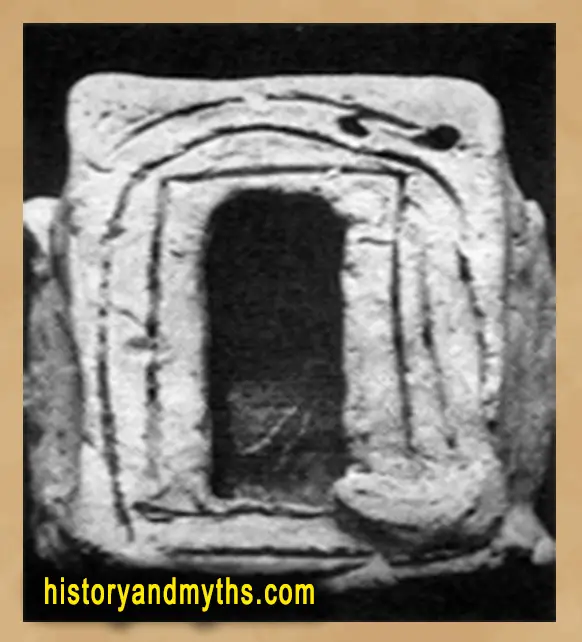
No. Sumerian mythology generally did not describe the underworld as a place of eternal punishment. It was feared because it represented a bleak, irreversible existence separated from the world of the living rather than a realm designed to punish the wicked.
Why the Dead Still Depended on the Living
Fear of the underworld was intensified by the belief that the dead were not completely independent after death. Mesopotamian traditions held that deceased family members continued to rely on offerings and remembrance from the living. Food, drink, and funerary rites helped maintain the well-being of the dead within the underworld.
This belief gave great importance to family obligations. A person who had descendants to perform proper rituals was thought to be in a better position than someone who was forgotten. The fate of the dead therefore remained connected to the actions of the living long after physical death had occurred.
The idea added another layer of uncertainty to the afterlife. Death did not simply involve entering the underworld; it also meant depending on future generations for continued care and remembrance. For many Sumerians, this dependence reinforced the fear associated with the realm of the dead and highlighted the importance of maintaining strong family and community ties during life.
What Fear of the Underworld Reveals About Sumerian Belief
The fear of the underworld reveals some of the most important ideas in Sumerian mythology. It reflects a worldview in which mortality was accepted as an unavoidable reality and death was understood as a permanent separation from the world of the living. Rather than imagining an afterlife filled with rewards, the Sumerians focused on the fragility of human existence and the limits shared by all people.
This perspective also helps explain why family, memory, and religious obligations were so important in Mesopotamian society. Because the dead remained connected to the living through remembrance and offerings, relationships continued to matter even after death. The boundary between the two worlds was permanent, but it was not entirely disconnected.
Ultimately, the underworld was feared because it represented everything humans could not escape: mortality, loss, and the end of earthly life. By examining these beliefs, we gain a deeper understanding of how the Sumerians viewed both death and the value of life itself.
Was the Sumerian Underworld a Place of Punishment?
One common misconception is that the Sumerian underworld functioned like a place of eternal punishment. Most Sumerian texts do not support this idea. The realm of the dead was feared primarily because of its bleak conditions rather than because it was designed to torture wrongdoers. Death brought separation from the living world, loss of status, and a diminished form of existence, but not necessarily individualized punishment for moral failures.
This distinction helps explain why nearly everyone was believed to enter the same underworld regardless of wealth or social position. The fear associated with the realm came from what it represented—a permanent departure from life—rather than from the expectation of constant suffering imposed by divine judges. While some Mesopotamian traditions contain elements of judgment or consequences for improper burial and neglected rituals, the underworld itself was generally understood as the common destination of humanity.
For the Sumerians, the greatest tragedy was not punishment after death but the loss of the life that had ended.
Why the Living Feared the Underworld More Than the Dead
The fear of the underworld ultimately tells us more about the concerns of the living than about the condition of the dead. Sumerian texts were written by people who valued family, work, community, and participation in religious life. The underworld was frightening because it represented the loss of everything that made those experiences possible.
Seen from this perspective, the realm of the dead served as a reminder of the fragility of human existence. The contrast between the active world of the living and the silent world below emphasized the importance of life itself. Stories about the underworld encouraged people to fulfill their obligations, maintain family ties, and preserve their place within society while they still could.
Rather than focusing solely on death, these traditions reveal how deeply the Sumerians valued life. The fear of the underworld was, in many ways, a reflection of how much was believed to be lost when life came to an end.
Conclusion
The fear associated with the underworld came from several factors: the absence of a clearly rewarding afterlife, the loss of social distinctions after death, the imagery of dust and silence, and the continued dependence of the dead on the living. Together, these beliefs created a powerful vision of mortality that shaped Sumerian attitudes toward life, family, and religious practice.
By exploring why the Sumerian underworld was feared, we gain insight into one of the oldest recorded understandings of death. The myths reveal a civilization that confronted mortality directly and sought to explain what awaited humanity beyond the boundaries of the living world.
Key Takeaways
- The Sumerian underworld was feared because it represented an unavoidable fate for all humans.
- Unlike many later traditions, it offered little expectation of reward after death.
- Social status and earthly achievements provided no escape from the realm of the dead.
- The underworld was associated with dust, darkness, silence, and separation.
- Fear of the underworld centered on loss rather than eternal punishment.
- The dead remained dependent on offerings and remembrance from the living.
- Stories about the underworld highlighted the fragility of human life.
- The concept reflects broader Sumerian concerns about mortality and memory.
Frequently Asked Questions
Why was the Sumerian underworld feared?
It was feared because it represented a bleak and unavoidable existence separated from the world of the living.
Did all people go to the Sumerian underworld?
Yes. Sumerian belief generally held that all humans eventually entered the realm of the dead.
Was the Sumerian underworld a place of punishment?
Not usually. It was feared more for its conditions and permanence than for divine punishment.
Who ruled the Sumerian underworld?
The underworld was ruled by Ereshkigal, the queen of the realm of the dead.
What was the underworld like in Sumerian mythology?
Texts describe it as a dark, dusty, and silent realm where the dead existed in a diminished state.
Why did the dead depend on the living?
Mesopotamian traditions held that offerings and remembrance helped sustain the dead after death.
How did Inanna’s descent influence views of the underworld?
The story portrays the underworld as a separate realm governed by its own laws and boundaries.
What does fear of the underworld reveal about Sumerian belief?
It reflects concerns about mortality, loss, memory, and the limits of human life.
SOURCES
- Jacobsen, Thorkild. The Treasures of Darkness: A History of Mesopotamian Religion. Yale University Press, 1976.
- Kramer, Samuel Noah. Sumerian Mythology: A Study of Spiritual and Literary Achievement in the Third Millennium B.C.. University of Pennsylvania Press, 1961.
- Bottéro, Jean. Religion in Ancient Mesopotamia. University of Chicago Press, 2001.
- Black, Jeremy, and Anthony Green. Gods, Demons and Symbols of Ancient Mesopotamia. University of Texas Press, 1992.
- Dalley, Stephanie. Myths from Mesopotamia: Creation, the Flood, Gilgamesh, and Others. Oxford University Press, 2008.
- Leick, Gwendolyn. A Dictionary of Ancient Near Eastern Mythology. Routledge, 1998.
- Van De Mieroop, Marc. A History of the Ancient Near East ca. 3000–323 BC. Wiley-Blackwell, 2016.
- Roux, Georges. Ancient Iraq. Penguin Books, 1992.
- Postgate, J. N. Early Mesopotamia: Society and Economy at the Dawn of History. Routledge, 1994.
- Snell, Daniel C. Life in the Ancient Near East. Yale University Press, 1997.
- Foster, Benjamin R. Before the Muses: An Anthology of Akkadian Literature. CDL Press, 2005.
- Hallo, William W., and K. Lawson Younger Jr., eds. The Context of Scripture, Volume 1: Canonical Compositions from the Biblical World. Brill, 2003.
- Michalowski, Piotr. “Mesopotamian Mythology.” In The Oxford Encyclopedia of Archaeology in the Near East. Oxford University Press.
- Civil, Miguel. “The Sumerian Human and Its World.” In Literatures from the Ancient Near East. Society of Biblical Literature.
- Glassner, Jean-Jacques. Mesopotamian Chronicles. Society of Biblical Literature, 2004.
- Katz, Dina. The Image of the Netherworld in the Sumerian Sources. CDL Press, 2003.
- Katz, Dina. “Death and the Netherworld in Sumerian Literature.” In Religion Compass.
- ETCSL (Electronic Text Corpus of Sumerian Literature). University of Oxford.
- “Inanna’s Descent to the Netherworld.” Electronic Text Corpus of Sumerian Literature.
- “Gilgamesh, Enkidu and the Netherworld.” Electronic Text Corpus of Sumerian Literature.
- “The Death of Ur-Namma.” Electronic Text Corpus of Sumerian Literature.
- “The Lament for Ur.” Electronic Text Corpus of Sumerian Literature.
- “The Lament for Sumer and Ur.” Electronic Text Corpus of Sumerian Literature.
- Scurlock, JoAnn. Magico-Medical Means of Treating Ghost-Induced Illnesses in Ancient Mesopotamia. Brill, 2006.
- Abusch, Tzvi. Mesopotamian Witchcraft: Toward a History and Understanding of Babylonian Witchcraft Beliefs and Literature. Brill, 2002.