Rights and Duties of Social Classes in Mesopotamian Society
Rights and duties in Mesopotamian society were not equal across classes. Each social group operated under a defined legal package that determined what it could own, what it owed, and…
Explore the history, society, cities, empires, religion, law, warfare, trade, and daily life of ancient Mesopotamia. This section examines how Sumerian, Akkadian, Babylonian, and Assyrian civilizations developed, how their institutions shaped the ancient Near East, and what archaeological and written sources reveal about one of the world’s earliest complex societies.
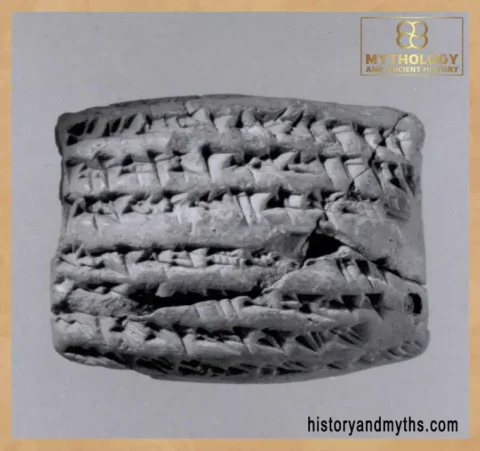
Rights and duties in Mesopotamian society were not equal across classes. Each social group operated under a defined legal package that determined what it could own, what it owed, and…
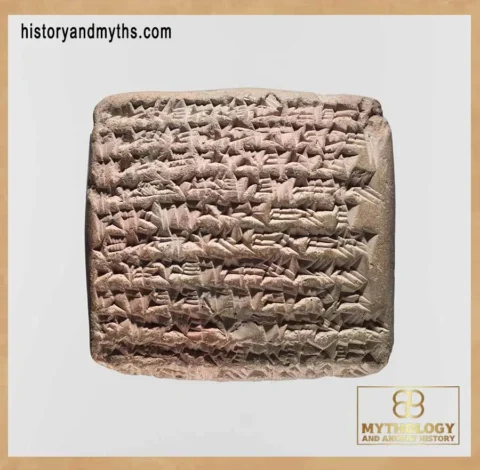
Were slaves the lowest social class in Mesopotamian society? Not always. Slavery in Mesopotamia was a legal status, not a single social layer. Some slaves held property, managed households, or…
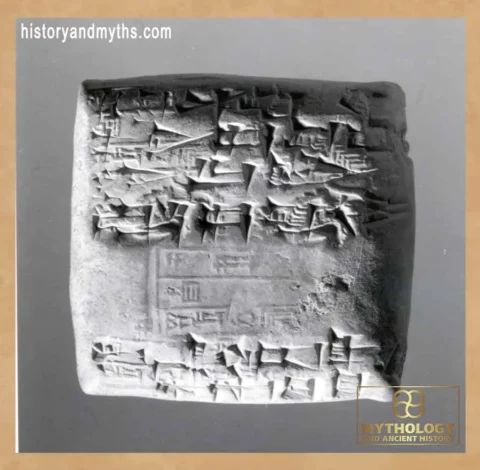
Irrigation water in Mesopotamia was controlled by institutional authority, not individual farmers. Temples, palaces, and appointed officials decided access, timing, and priorities, enforcing compliance through administration and law. This control…
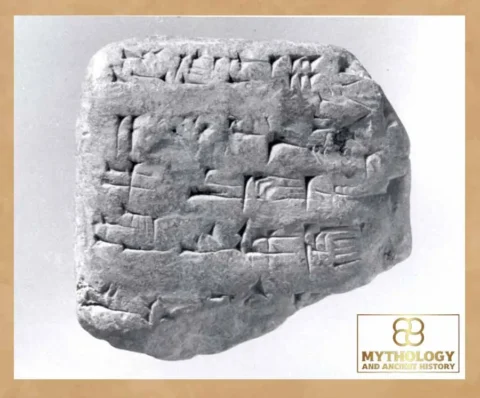
Irrigation in Mesopotamia did not fail suddenly, nor did it collapse by chance. Its failures were cumulative, documented, and repeatedly managed through emergency measures, legal intervention, and administrative repair. Floods…
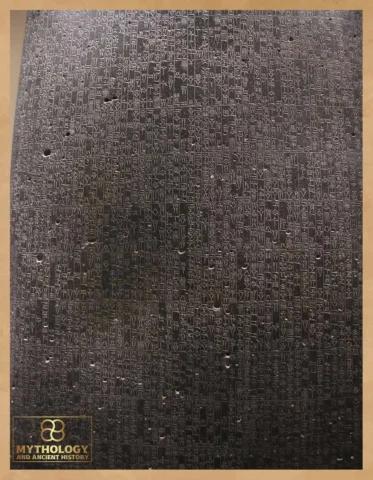
Water in Mesopotamia was not shared informally. Irrigation water was distributed through regulated decisions, enforced by authorities, seasonal schedules, and legal rules. Access depended on when canals were opened, who…
Irrigation systems in Mesopotamia were the foundation of agriculture, urban life, and political authority. Because rainfall was insufficient and unpredictable, societies along the Tigris and Euphrates relied on artificial canals…
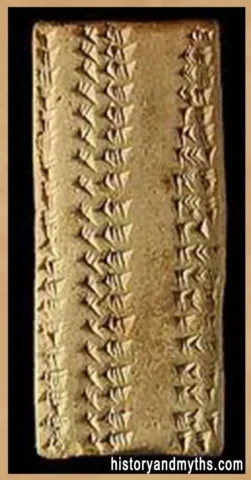
Children in Mesopotamia were not raised primarily to be educated, but to be integrated. Education was only one part of a broader system of social formation that prepared children for…
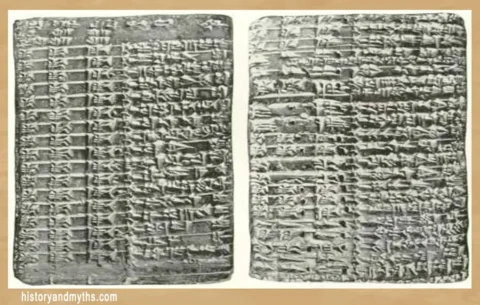
Artisans and laborers were the productive core of Mesopotamian civilization, not a marginal workforce. They operated within organized systems controlled by temples, palaces, and urban administrations that directed production, allocated…
Trade contracts in Mesopotamia were not written to guarantee profit, but to control uncertainty. In a world of long distances, delayed information, and unreliable partners, contracts functioned as practical tools…
Long-distance trade in ancient Mesopotamia was inherently dangerous and never guaranteed profit. Merchants faced environmental uncertainty, political instability, unreliable partners, and severe information delays—any one of which could wipe out…
Mesopotamian merchants failed or succeeded not because of luck, but because of how they judged risk, negotiated contracts, and positioned themselves within the trade system. Operating under the same economic…
Merchants in Mesopotamia made profit by exploiting price differences, acting as intermediaries, and locking gains through contracts—not by producing goods. They moved commodities from surplus regions to areas of scarcity,…
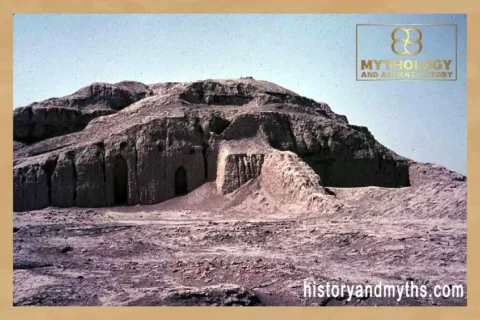
Priests in Mesopotamian civilization were not secluded religious figures devoted only to prayer; they were administrators, economists, healers, diviners, and agents of social control operating at the center of urban…
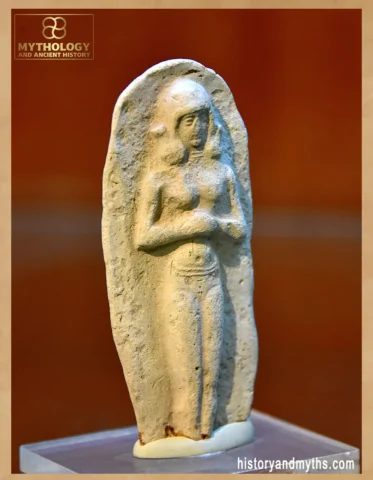
Women in Mesopotamian civilization were not marginal figures confined to the household; they were legally recognized individuals who worked, owned property, signed contracts, appeared in court, and participated in religious…
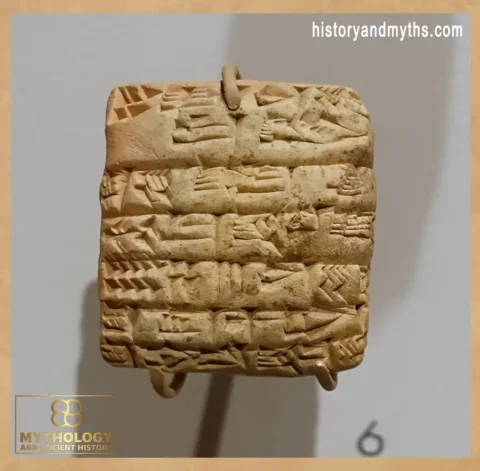
What was life really like for farmers in ancient Mesopotamia? It was harsh, uncertain, and tightly controlled. Mesopotamian farmers lived under constant pressure—from floods and droughts, heavy taxation, forced labor,…
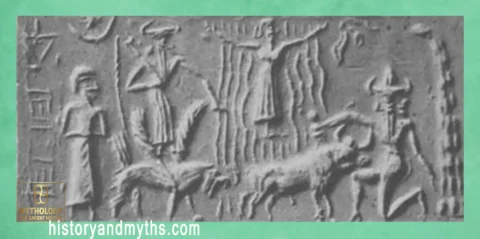
Did mortals ever challenge the gods in Mesopotamian mythology?Yes—but only a few. Before the Flood, figures like Adapa, Utnapishtim, and Etana confronted divine power in their search for wisdom, survival,…
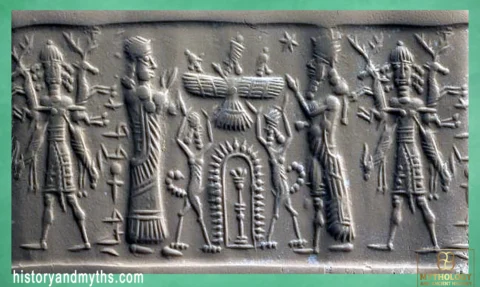
Were the gods of Mesopotamia truly immortal, or could they die like humans? The short answer is both. In Mesopotamian mythology, gods could be killed, descend into the underworld, or…
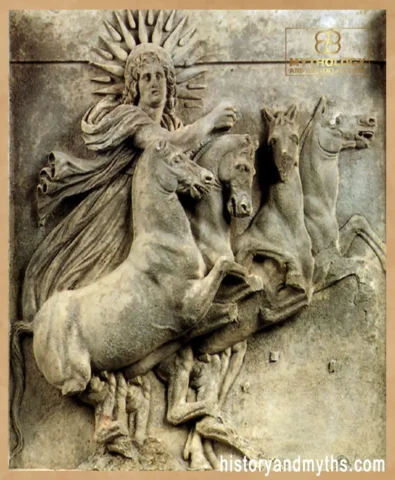
The story of Noah was not the first Great Flood story in the ancient Near East. Long before the Biblical account took its final form, Mesopotamian traditions told of Ziusudra,…
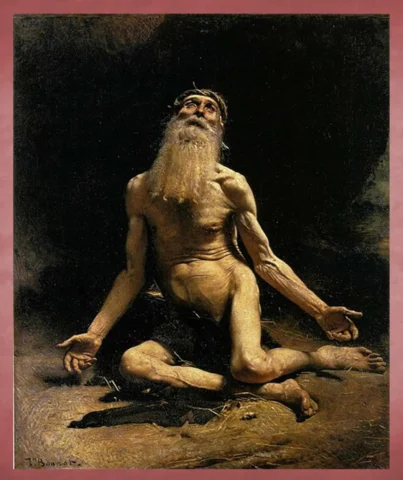
Ludlul Bēl Nēmeqi—often called the Babylonian Job—is one of the earliest surviving texts to confront a question that haunted ancient Mesopotamia: why does a righteous man suffer when he has…
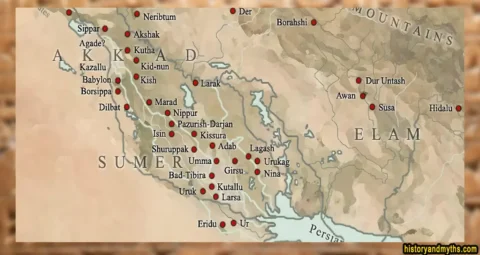
Antediluvian Mesopotamia was imagined not as a chaotic mythic age, but as an ordered divine world where kingship descended from heaven, cities were founded by gods, and human rulers governed…