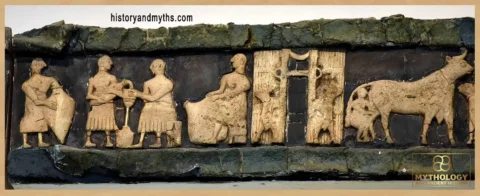
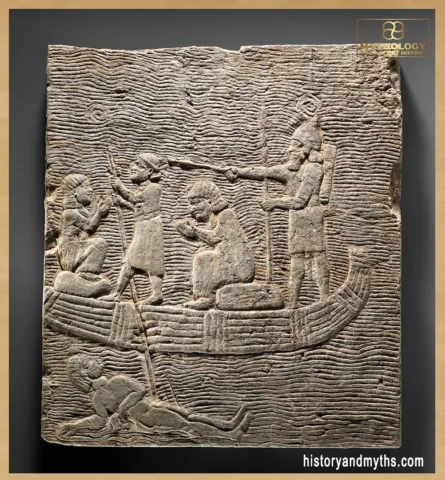
Rights and Duties of Social Classes in Mesopotamian Society
Rights and duties in Mesopotamian society were not equal across classes.
Each social group operated under a defined legal package that determined what it could own, what it owed, and how it was punished. Elites managed resources and authority, free citizens carried heavy obligations, and dependents and slaves worked under regulated constraints. This article explains how rights and duties were assigned, why class mattered in law and labor, and what this reveals about how Mesopotamian society actually functioned.
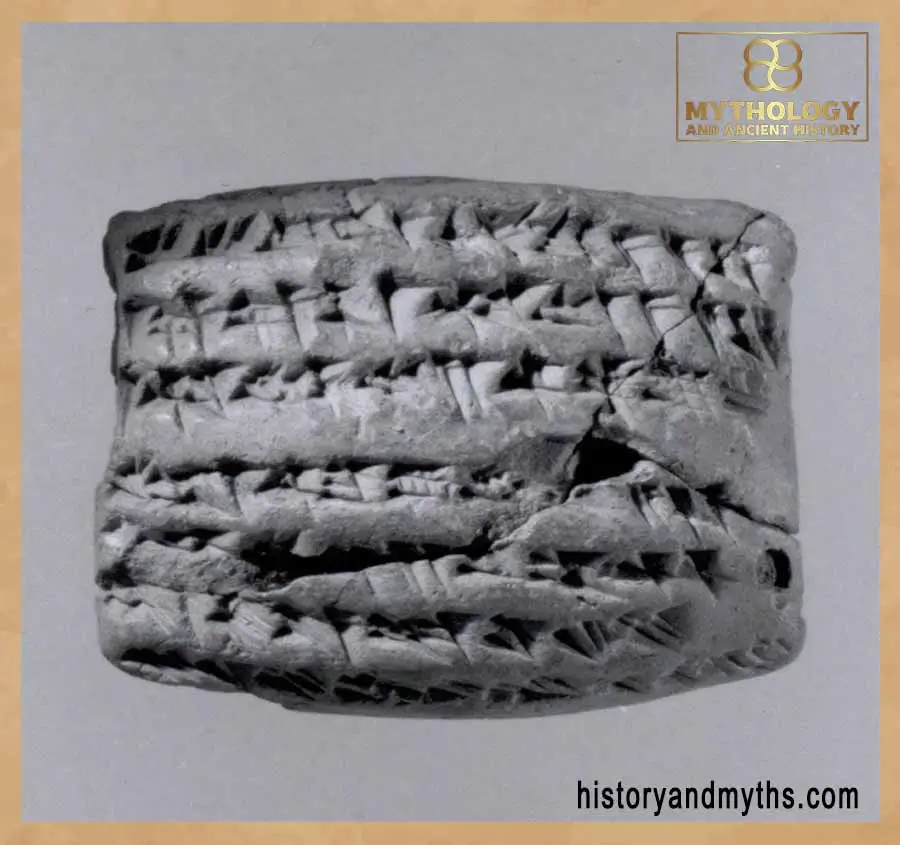
How Rights and Duties Were Defined
Rights and duties in Mesopotamia were defined through a combination of law, custom, and administrative practice. Law codes set general boundaries, but daily obligations were enforced through contracts, work assignments, and local officials. What mattered was not abstract status, but how a person was registered and supervised within the system.
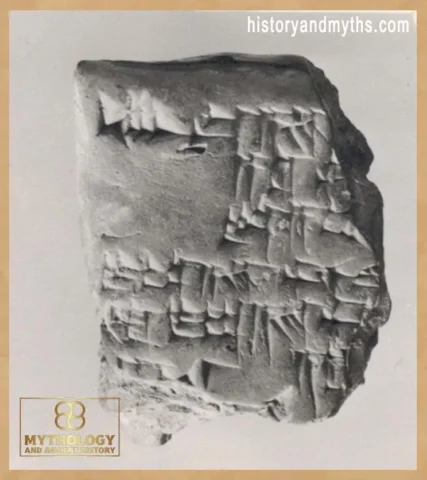
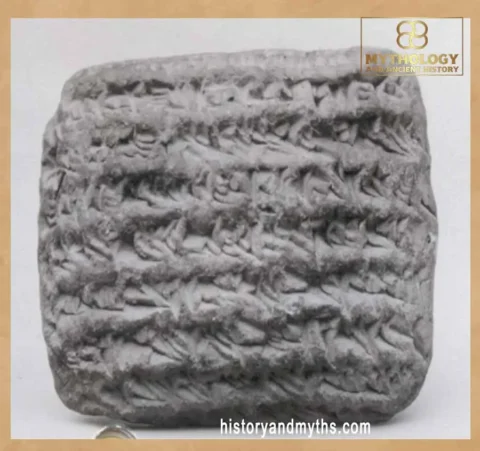
Administrative records from periods such as Ur III show duties assigned by function and dependency: labor quotas, maintenance work, and service obligations were distributed according to class and affiliation. Rights—such as ownership, compensation, or legal protection—were recognized only insofar as they fit within these obligations.
This framework explains why class mattered so much. Social position determined not just privilege, but responsibility. Rights existed, but they were inseparable from the duties that sustained the economic and legal order.
| Social Class | Main Rights | Core Duties | Legal Exposure |
|---|---|---|---|
| Elite & Institutions | Land control, authority, exemptions | Administration, labor organization | Accountability for outcomes |
| Free Citizens | Property, contracts, legal appeal | Taxes, corvée labor, public service | Fines, loss of property |
| Dependents & Slaves | Limited protection, identity recognition | Direct labor obligations | Regulated punishment |
Elite and Institutional Classes
Elite groups—royal households, temple administrations, and senior officials—held the broadest rights, but they also carried the heaviest institutional duties. Their authority included control over land, labor allocation, and resource management, yet this power was tied to accountability for outcomes such as crop delivery, canal maintenance, and tax collection.
These classes were responsible for organizing labor, enforcing contracts, and ensuring that obligations were met downstream. Failure at this level triggered penalties, audits, or replacement, showing that elite status did not remove responsibility. Privilege functioned as administrative authority, not exemption from duty.
This balance clarifies their position in society. Elites were not merely beneficiaries of the system; they were its operators. Their rights existed to enable governance, and their duties defined the stability of the social order.
Free Citizens: Legal Rights and Heavy Obligations
Free citizens in Mesopotamia enjoyed formal legal rights: they could own property, enter contracts, and seek redress in court. These rights distinguished them clearly from dependents and slaves. However, freedom came with substantial obligations that shaped daily life far more than abstract privilege.
They were subject to taxation, corvée labor, and military or public service, especially during agricultural cycles or emergencies. Records show free citizens mobilized for canal maintenance, construction projects, and state labor demands. Noncompliance could result in fines, loss of property, or legal penalties.
This duality explains why legal freedom did not guarantee comfort or security. For many, being free meant bearing the system’s weight directly. Rights provided access and recognition, but duties defined the lived reality of free citizens within Mesopotamian society.
- Rights and duties formed inseparable legal packages.
- Higher status meant broader responsibility, not exemption.
- Law calibrated obligation and punishment by class.
- Social order depended on managed inequality, not equality.
© historyandmyths.com — Educational use
Dependents and Slaves: Regulated Rights, Direct Duties
Dependents and slaves occupied a legally defined position marked by restricted rights and clearly specified duties. Their primary obligation was labor—agricultural, domestic, or institutional—assigned and supervised by owners or administrators. Unlike free citizens, their duties were direct and continuous, not seasonal.
Despite this dependency, their status was regulated by law. Contracts and records show limits on arbitrary punishment, recognition of personal identity, and, in some cases, access to compensation or release. Temple and palace dependents, in particular, operated within structured systems that provided subsistence and predictable roles.
This arrangement highlights a key distinction. Dependents and slaves carried fewer formal rights, but their obligations were narrower and more controlled. Their position was not outside the legal order, but embedded within it—defined less by autonomy and more by regulated service.
- Slaves and Social Class in Mesopotamian Society Explained
- Social Mobility in Mesopotamia: Could People Change Their Class?
- Difference Between Free People and Dependents in Mesopotamia
- How Social Class Affected Law and Punishment in Mesopotamia
- Social Classes in Mesopotamian Society: Structure and Hierarchy
Punishment, Compensation, and Social Class
In Mesopotamia, the same offense did not produce the same outcome across social classes. Law codes and legal practice linked punishment and compensation directly to the offender’s and victim’s status. Fines, physical penalties, or restitution were calibrated according to class, not merely the act itself.
For elites and free citizens, penalties often took the form of financial compensation or loss of status, reflecting their economic role and responsibilities. For dependents and slaves, punishment was more immediate but also regulated, especially when damage involved another person’s property or labor value. The law aimed to restore balance within the system, not to impose abstract equality.
This structure reveals the function of law in Mesopotamian society. Justice was not uniform by design; it was hierarchical and compensatory, intended to preserve social order by aligning punishment with class-based responsibility.
Why Duties Defined Social Rank More Than Rights
In Mesopotamian society, social rank was shaped less by declared rights and more by the weight of obligations. Authority, freedom, and dependency each came with specific duties that sustained the economic and legal system. The higher the position, the broader the responsibility; the lower the status, the narrower but more continuous the labor.
This logic explains why inequality was structured, not arbitrary. Law did not aim to equalize individuals, but to distribute responsibility according to function. Rights mattered, but duties determined how each class fit into the larger system—and how social order was maintained over time.
- Social class determined both rights and obligations.
- Freedom carried heavy legal and labor duties.
- Elites were administrators, not duty-free beneficiaries.
- Dependents operated under narrower but continuous obligations.
- Law reinforced hierarchy by distributing responsibility.
Frequently Asked Questions
No. Rights differed by class and were tied to specific obligations.
No. Free status carried heavier duties and greater exposure to penalties.
Taxes, corvée labor, and public or military service.
Yes. Their treatment and punishment were regulated by law.
To preserve order by aligning responsibility with social function.
Sources & Rights
- Roth, Martha T. Law Collections from Mesopotamia and Asia Minor.
- Van De Mieroop, Marc. A History of the Ancient Near East.
- Postgate, J. Nicholas. Early Mesopotamia: Society and Economy.
- Liverani, Mario. The Ancient Near East.
- Leick, Gwendolyn. Mesopotamia: The Invention of the City.
- Snell, Daniel C. Life in the Ancient Near East.
- Hallo, William W. The Context of Scripture.
- Oates, Joan. Babylon.
- Foster, Benjamin R. Before the Muses.
- Encyclopaedia Britannica. Social Classes in Mesopotamia.
Written by H. Moses — All rights reserved © Mythology and History