Who Controlled Irrigation Water in Mesopotamia? Power and Authority
Irrigation water in Mesopotamia was controlled by institutional authority, not individual farmers. Temples, palaces, and appointed officials decided access, timing, and priorities, enforcing compliance through administration and law. This control shaped agriculture, resolved disputes, and determined survival during crises.
This article explains who held that power, how decisions were made in practice, and what happened when authority was challenged, using documented administrative actions rather than abstract theory.
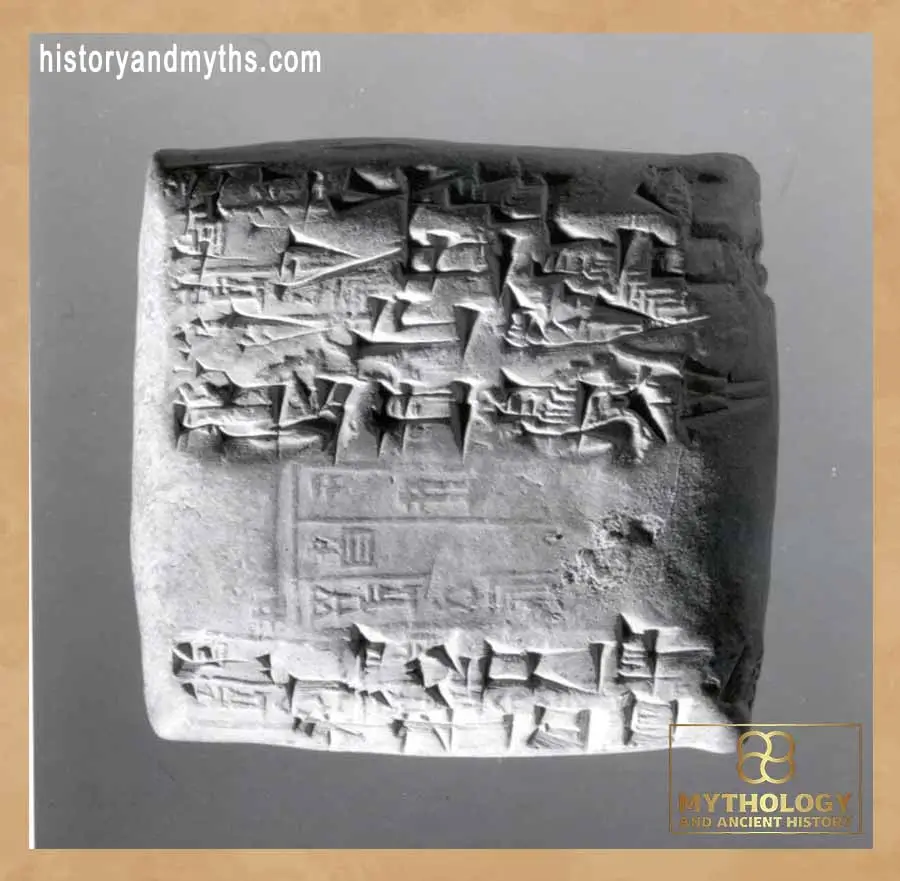
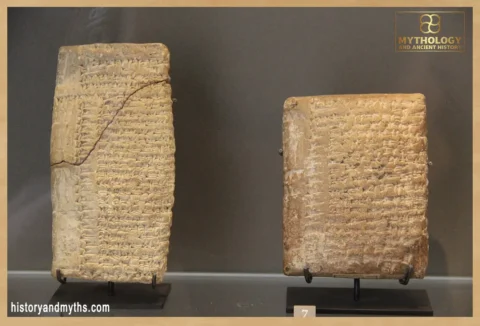
This administrative tablet documents labor needed for irrigation work, reflecting how water management was organized in ancient Mesopotamia.
Who Actually Made the Decisions?
Irrigation decisions in Mesopotamia were made by institutions, not by communities acting independently. At the top level, temples and palaces set policy: when canals opened, which zones had priority, and how labor was allocated. These institutions did not manage water personally; they delegated authority to appointed officials responsible for specific canals or districts.
During the Ur III period, irrigation control relied heavily on temple-based administration and standardized labor records. In the Old Babylonian period, authority became more centralized under royal oversight, with legal frameworks playing a greater role in regulating access and resolving disputes.
At the operational level, local supervisors executed orders. They scheduled releases, monitored flow, and reported violations. Their role was administrative, not discretionary—decisions followed directives issued above them. This hierarchy ensured uniform enforcement across interconnected canals, limiting local bargaining that could destabilize downstream supply.
Crucially, authority was layered. Strategic control remained centralized, while daily management was localized under supervision. This structure explains how large irrigation networks functioned without granting ownership or autonomy to individual farmers.
| Authority Level | Role in Irrigation Control | Practical Power |
|---|---|---|
| Temple Institutions | Set irrigation schedules and labor obligations | Strategic planning and resource allocation |
| Royal Administration | Oversaw priorities and resolved disputes | Final authority during crises |
| Local Officials | Managed daily canal operations | Execution and reporting |
| Farmers | Maintained canals and followed schedules | Limited autonomy within strict limits |
How Authority Was Enforced on the Ground
Authority over irrigation was enforced through routine administration, not constant coercion. Officials implemented decisions by controlling canal gates, setting irrigation schedules, and supervising labor assignments. Compliance was monitored through inspections and written records, creating accountability rather than reliance on force alone.
When violations occurred—illegal diversion, neglect of embankments, or obstruction—intervention followed a clear sequence. Supervisors reported incidents, repairs were ordered, and losses were assessed. Penalties focused on restoration and compensation, ensuring water flow was quickly reestablished to protect downstream users.
Enforcement worked because it was predictable. Farmers knew access depended on adherence to schedules and maintenance duties. This regularity reduced conflict and kept authority credible, allowing centralized decisions to function across dispersed and interconnected irrigation zones.
- Irrigation control was institutional, not communal.
- Authority was layered, combining central decisions with local execution.
- Control intensified during crises, revealing executive power.
- Water access functioned as a tool of governance.
© historyandmyths.com — Educational use
Authority in Times of Crisis: Floods, Shortages, and Emergency Control
During irrigation crises, normal procedures were temporarily suspended. Floods, canal breaches, or water shortages required rapid decisions that concentrated authority at the top. Officials redirected water, closed damaged channels, and reassigned labor without negotiation, prioritizing system survival over local fairness.
Emergency control relied on executive authority, not routine schedules. Access priorities were reshuffled, some fields were deliberately deprived of water, and repair work took precedence over cultivation. These decisions reveal that irrigation authority was ultimately about risk management, not equal distribution.
Crises exposed the true nature of control. When water became scarce or dangerous, decision-making narrowed, and institutional power became more visible. Authority functioned most clearly not in normal seasons, but when the system was under threat.
Did Farmers Have Any Autonomy? Limits of Local Control
Farmers in Mesopotamia did not control irrigation independently, but they were not entirely passive. Limited autonomy existed within strict boundaries. Local communities could manage routine maintenance, coordinate labor among themselves, and report problems, but they could not alter distribution schedules or redirect water without authorization.
Any attempt to bypass authority—by reopening channels, diverting flow, or delaying maintenance—was treated as a violation once it affected others. This boundary mattered: cooperation was allowed as long as it did not interfere with the wider network. The moment local action threatened downstream supply, higher authority intervened.
This balance explains why irrigation did not collapse into constant conflict. Farmers operated within a regulated framework that allowed minor flexibility but preserved centralized control. Autonomy existed, but only insofar as it reinforced, rather than challenged, institutional authority.
What Irrigation Control Reveals About Power in Mesopotamia
Control over irrigation water reveals how power functioned in Mesopotamian society. Authority was exercised through practical management of essential resources, not symbolic rule. Decisions about water access structured agricultural output, shaped social stability, and determined how crises were handled.
Irrigation control shows a system where power was institutional, layered, and situational. Central authorities set priorities, local officials enforced them, and farmers operated within defined limits. This arrangement minimized disorder in normal conditions and allowed decisive intervention during emergencies.
In Mesopotamia, power was not abstract. It flowed through canals, schedules, labor orders, and emergency decisions. Whoever controlled irrigation controlled the foundation of economic life—and that control defined governance itself.
- Control of irrigation water was exercised by institutions, not individuals.
- Temples and palaces shaped access, timing, and priorities.
- Local officials enforced decisions through daily administration.
- Farmers operated within regulated limits rather than full autonomy.
- Irrigation authority reveals how power functioned in Mesopotamia.
Frequently Asked Questions
Institutional authorities such as temples and royal administrations controlled irrigation water.
No. Farmers followed schedules set by higher authorities and supervised locally.
Through officials, inspections, labor obligations, and corrective intervention.
Central authority intensified, reallocating water and labor to protect the system.
No. Control evolved from temple-based administration to stronger royal oversight.
Sources & Rights
- Van De Mieroop, Marc. A History of the Ancient Near East.
- Liverani, Mario. The Ancient Near East: History, Society and Economy.
- Postgate, J. Nicholas. Early Mesopotamia: Society and Economy.
- Adams, Robert McC. Heartland of Cities.
- Pollock, Susan. Ancient Mesopotamia: The Eden That Never Was.
- Oates, Joan. Babylon.
- Roth, Martha T. Law Collections from Mesopotamia and Asia Minor.
- Leick, Gwendolyn. Mesopotamia: The Invention of the City.
- Jacobsen, Thorkild. The Waters of Ur.
- Encyclopaedia Britannica. Irrigation and Water Control in Mesopotamia.
Written by H. Moses — All rights reserved © Mythology and History