Slaves and Social Class in Mesopotamian Society
Were slaves the lowest social class in Mesopotamian society?
Not always. Slavery in Mesopotamia was a legal status, not a single social layer. Some slaves held property, managed households, or worked in temples, while many free people lived with fewer rights and harsher conditions. This article explains how slavery actually worked, why it did not automatically mean the lowest rank, and what this reveals about social hierarchy, law, and mobility in Mesopotamia.
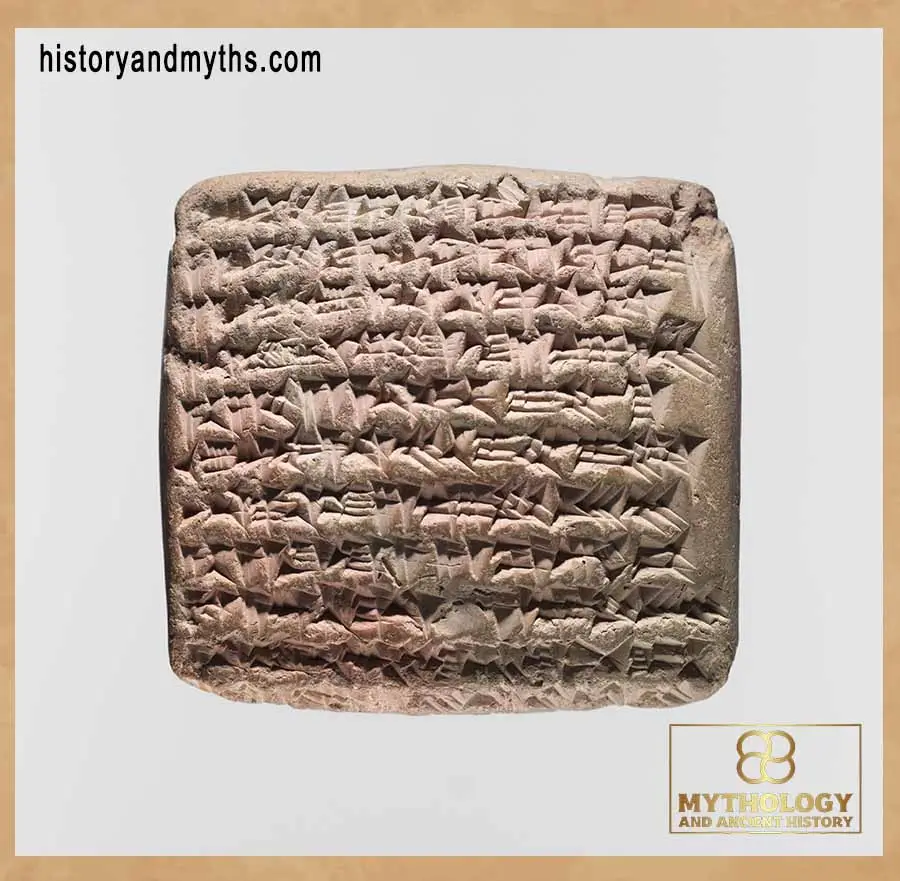
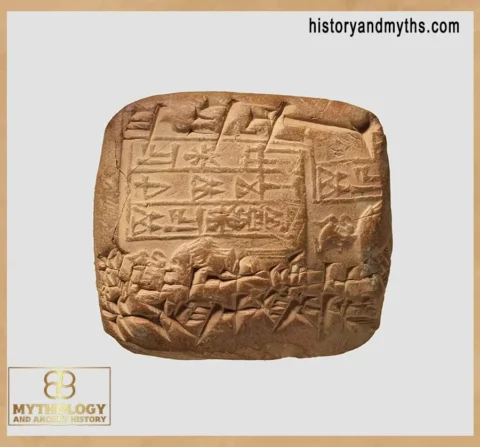
Clay tablet documenting a contract for purchasing a slave from the Egibi archive in Neo-Babylonian Mesopotamia — illustrating how slavery was regulated legally and economically.
What “Slave” Meant in Mesopotamian Law
In Mesopotamia, a slave was defined by legal dependency, not by absolute social inferiority. Law codes and administrative records treated slaves as persons with obligations and protections, not merely as disposable property. Their status was recorded, transferable, and regulated, which already distinguishes slavery from complete social exclusion.
Crucially, enslavement occurred through specific mechanisms: debt default, war capture, birth into servitude, or judicial punishment. Each pathway carried different expectations and limits. A debt slave, for example, occupied a temporary and reversible status, while war captives were more tightly bound.
This legal framing matters because it shaped daily life. Slaves could appear in contracts, lawsuits, and economic records as active participants. Slavery was a controlled category within the social system, not a single rung at the bottom of society.
| Group | Legal Status | Economic Security | Social Position |
|---|---|---|---|
| Temple / Palace Slaves | Dependent | High (institutional support) | Stable, regulated |
| Debt Slaves | Temporary dependency | Moderate | Conditional |
| War Captives | Permanent servitude | Low | Marginal |
| Free Poor Citizens | Legally free | Unstable | Highly vulnerable |
Different Types of Slaves in Mesopotamia
Slavery in Mesopotamia was not uniform. Texts distinguish between several categories, each with different conditions and levels of control. Debt slaves were the most flexible group; their servitude was often temporary and could end through repayment or release. Their status was closer to dependency than permanent bondage.
Temple and palace slaves occupied a different position. They were embedded within large institutions, assigned regular tasks, and in some cases entrusted with administrative or managerial duties. Their living conditions and security were often better than those of landless free laborers.
War captives, by contrast, faced stricter control and fewer protections. Their integration depended on ownership and function, but they generally had the least autonomy. This internal hierarchy shows why slavery cannot be treated as a single social class. Status depended on origin, employer, and function, not the label alone.
Rights, Property, and Legal Protection
Despite their dependent status, many slaves in Mesopotamia possessed limited but real legal rights. Legal texts show slaves owning personal property, conducting transactions on behalf of their owners, and appearing in court cases as identifiable individuals. These rights were not universal, but they were formally recognized.
Protection also varied by context. Abuse or unauthorized harm to another person’s slave could trigger compensation, not because of moral concern, but because the slave was embedded in a regulated legal order. In some cases, slaves could initiate legal action indirectly through their owners or institutional patrons.
These provisions reveal a critical point: slavery operated within law, not outside it. While slaves lacked full autonomy, they were not legally invisible. Their rights were constrained, conditional, and uneven—but sufficient to place some of them above the lowest social margins of Mesopotamian society.
- Slavery in Mesopotamia was a legal status, not a single social rank.
- Institutional attachment often mattered more than freedom alone.
- Economic security shaped lived status more than legal labels.
- Social hierarchy functioned through protection and access, not binaries.
© historyandmyths.com — Educational use
Slaves vs. Free Poor Citizens
Social rank in Mesopotamia did not align neatly with legal freedom. Free poor citizens often lived under harsher conditions than institutional slaves. They lacked stable support, faced food insecurity, and were fully exposed to taxes, labor obligations, and penalties without institutional protection.
By contrast, many slaves—especially those attached to temples or palaces—had guaranteed subsistence, predictable work, and a defined place within administrative systems. Their dependency limited autonomy, but it also provided stability that free laborers did not always enjoy.
This contrast explains why slavery does not automatically equal the lowest social position. Legal freedom without resources could mean greater vulnerability than controlled dependency within an institution. Status in Mesopotamia depended less on labels and more on security, protection, and access to resources.
Could Slaves Improve Their Status?
Slavery in Mesopotamia was not always permanent. Several documented pathways allowed slaves to improve their status or exit servitude altogether. Manumission—formal release by an owner—appears regularly in legal and administrative records, often tied to loyal service or repayment of debt.
Other routes existed as well. Some slaves accumulated property or savings, enabling self-purchase. Marriage into a free household, adoption, or long-term institutional service could also alter legal standing, especially for debt slaves and temple dependents.
These mechanisms were limited and unequal, but their existence matters. They show that slavery functioned within a dynamic social system, not a frozen hierarchy. While most slaves remained dependent, the possibility of change further undermines the idea that slavery automatically defined the lowest social class in Mesopotamia.
Why Slavery Was Not Always the Lowest Social Class
Slavery in Mesopotamia functioned as a legal condition within a stratified system, not as a fixed social endpoint. Status depended on security, institutional attachment, and legal recognition more than on freedom alone. Some slaves occupied protected and economically stable positions, while many free individuals remained exposed and marginal.
This distinction explains why Mesopotamian society cannot be mapped using simple binaries. Social rank was shaped by access to resources, legal standing, and integration into institutions, not by labels. Slavery marked dependency, but it did not universally define the lowest place in the social hierarchy.
- Slavery in Mesopotamia did not define a single lowest social class.
- Different types of slaves experienced very different conditions.
- Institutional slaves could be more secure than free poor citizens.
- Legal protection and resource access shaped real social rank.
- Social hierarchy operated through law, dependency, and stability.
Frequently Asked Questions
No. Some slaves held protected and stable positions, while many free people lived in greater insecurity.
No. Conditions varied widely depending on origin, employer, and legal status.
In some cases, yes. Certain slaves could hold personal property or manage assets.
No. Debt slavery and institutional service could allow eventual release.
Economic security and institutional protection often mattered more than freedom alone.
Sources & Rights
- Roth, Martha T. Law Collections from Mesopotamia and Asia Minor.
- Van De Mieroop, Marc. A History of the Ancient Near East.
- Postgate, J. Nicholas. Early Mesopotamia: Society and Economy.
- Liverani, Mario. The Ancient Near East: History, Society and Economy.
- Leick, Gwendolyn. Mesopotamia: The Invention of the City.
- Oates, Joan. Babylon.
- Foster, Benjamin R. Before the Muses.
- Hallo, William W. The Context of Scripture.
- Snell, Daniel C. Life in the Ancient Near East.
- Encyclopaedia Britannica. Slavery in Ancient Mesopotamia.
Written by H. Moses — All rights reserved © Mythology and History