Ancient Greek Mining and Metal Production: Silver, Laurion, and Power
Ancient Greek mining and metal production were organized systems that turned raw resources into economic and political power. Greeks extracted silver, copper, iron, and gold from sites such as Laurion, then processed these materials through crushing, smelting, and refining to produce usable metals. Silver in particular was critical, as it was minted into coinage that funded state activity, trade, and military expansion. In practice, mining was not just an industry—it was a structured pipeline that linked natural resources directly to the strength of the city-state.
What Resources Did the Greeks Mine?
Greek mining focused on a small set of metals that had clear, practical value. Silver was the most consequential because it fed directly into coinage and state finance, with the richest deposits exploited at Laurion. Copper and iron supported tools and weapons, while gold appeared in smaller quantities but carried high value for wealth storage and prestige goods.
Geography determined availability. Attica became central because of its silver-bearing ores, while other regions contributed different materials depending on local geology. The key point is selectivity: Greeks did not mine broadly for all possible resources; they concentrated effort where extraction could be sustained and where the output connected immediately to economic use.
These resources were not ends in themselves. Each metal entered a specific pathway—silver into coinage, iron into tools and arms, copper into alloys—linking extraction to production and then to wider economic activity. That linkage is what made mining strategically important, not just materially productive.
| Stage | Process | Output | Purpose |
|---|---|---|---|
| Extraction | Mining ore from underground shafts | Raw mineral rock | Access resources |
| Crushing & Sorting | Breaking and selecting rich ore | Concentrated ore | Increase metal yield |
| Smelting | Heating ore with charcoal in furnaces | Metal-rich material | Separate metal from waste |
| Refining | Purifying metal (e.g., silver, iron) | Usable metal | Prepare for use or trade |
| Minting / Production | Converting metal into coins or tools | Currency and equipment | Support economy and power |
How Mining Actually Worked (Step-by-Step System)
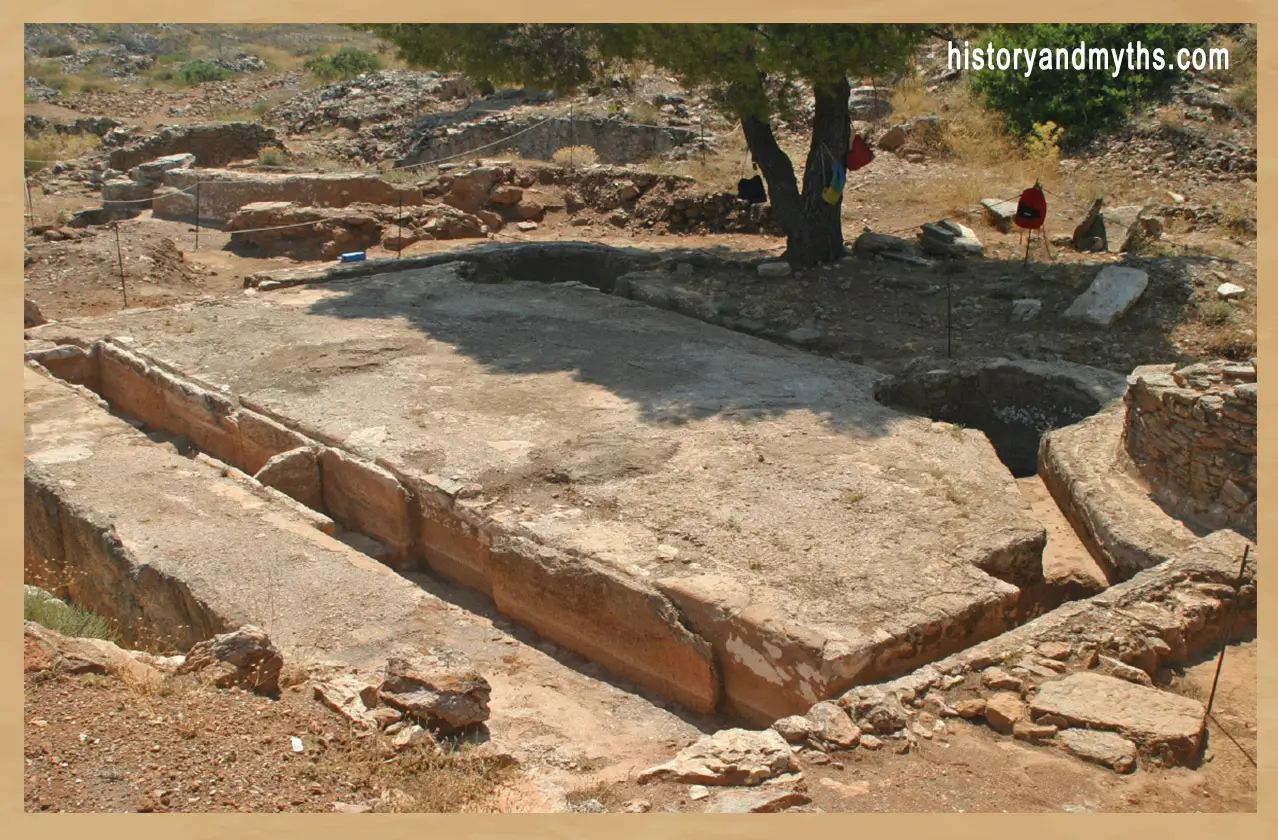
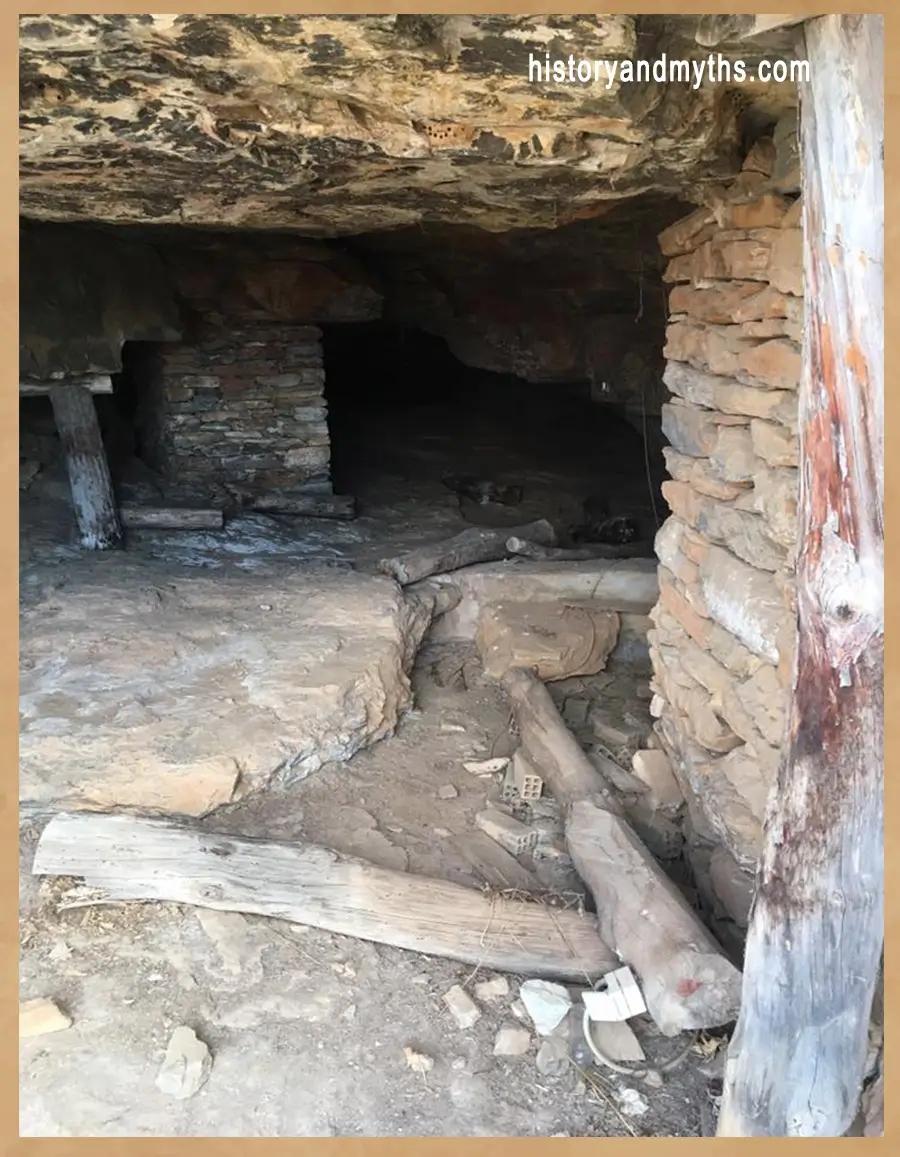
Greek mining followed a repeatable sequence that turned ore into something usable. Work began with locating a vein, then opening narrow shafts or tunnels to reach it. At sites like Laurion, galleries were cut into the rock following the ore line, often at shallow heights to reduce excavation time. The aim was not large open spaces but efficient access to the mineral.
Once extracted, the ore was not immediately useful. It had to be crushed and sorted. Workers broke the rock into smaller fragments, then separated richer material from waste by hand or through basic washing. This stage determined output quality. Poor sorting reduced yield; careful selection increased the amount of recoverable metal.
The next step was processing the concentrate. For silver-bearing ores, this meant preparing the material for smelting and, where applicable, lead-silver separation. The ore was heated in furnaces using charcoal as fuel. Controlled airflow raised temperatures enough to melt the metal-bearing components while leaving impurities behind.
Finally came refining. The initial melt did not produce pure metal. Further heating and separation were required to isolate the usable form—silver for coinage, iron for tools, or copper for alloys. Each pass improved quality but required additional fuel, time, and labor.
What defines the system is continuity. Extraction, crushing, smelting, and refining were not isolated tasks; they formed a chain where each stage depended on the previous one. Output at the end reflected decisions made at the start—where to mine, how to sort, and how carefully to process. That is why Greek mining was not just manual labor; it was a controlled sequence designed to maximize usable metal from limited resources.
Smelting and Metal Production
The critical shift from rock to usable metal happened in the furnace. After initial crushing and sorting, the ore was heated with charcoal in small, controlled furnaces. Charcoal was not just fuel; it made high temperatures possible and helped drive the chemical reactions needed to separate metal from waste material. Airflow—managed through simple bellows—determined how hot and how efficiently the furnace operated.
For silver-bearing ores, the process often involved lead as an intermediate. The ore was first smelted to produce a lead–silver mixture. This was then refined through a process similar to cupellation, where the lead was oxidized and absorbed, leaving behind a concentrated bead of silver. The result was not perfect purity by modern standards, but it was sufficient for coinage and high-value exchange.
Iron production followed a different path. Instead of fully melting, iron was produced as a solid bloom within a furnace. This spongy mass contained metal mixed with slag and had to be hammered repeatedly to remove impurities. The outcome was workable iron that could be shaped into tools and weapons. The quality depended on both the ore and the skill of the smith.
Copper and its alloys, especially bronze, required careful control of composition. Smelted copper could be combined with tin to produce bronze with predictable hardness and durability. This step moved beyond extraction into material engineering, where properties were adjusted for specific uses.
What defines Greek metal production is not scale but control. Furnaces were relatively small, but the processes were understood well enough to produce consistent results. Temperature, airflow, and sequencing mattered. Without that control, mining would yield little value; with it, raw ore became the basis of tools, coinage, and infrastructure.
Labor System: Who Did the Work?
Mining in the Greek world depended on organized labor, with a heavy reliance on enslaved workers, especially in large operations like Laurion. These workers handled the most demanding tasks—cutting tunnels, extracting ore, and moving material through confined spaces. The work was continuous and structured around output rather than skill alone.
Control did not come from a single authority running everything directly. In many cases, the state owned the mining land and leased sections to private operators. These operators were responsible for managing labor, maintaining tunnels, and delivering results. This created a layered system: public ownership at the top, private management in the middle, and labor—often enslaved—at the base.
Not all work was identical. Extraction required physical endurance, but processing stages—crushing, sorting, furnace work—needed coordination and consistency. Skilled roles existed, particularly in smelting and refining, where mistakes reduced yield. Even within a labor system dominated by force, efficiency depended on assigning tasks appropriately.
What matters is how labor fit into the larger process. Mining was not a collection of isolated tasks; it was a coordinated operation where delays in one stage affected the entire chain. The labor system ensured continuity—ore moved, furnaces operated, and output remained steady. Without that structure, the technical side of mining would not translate into sustained production.
Ancient Greek mining was not just extraction—it was a structured system that transformed raw ore into economic strength. Through coordinated stages of mining, processing, and production, metals like silver were converted into coinage and resources that funded trade, public projects, and military power.
© historyandmyths.com — Educational use
From Metal to Money: The Economic System
The point of mining was not stockpiling metal; it was converting output into spendable value. Silver provided the clearest path. Once refined, it was taken to the mint and struck into standardized coinage—most famously at Athens—where weight and purity were controlled. Standard coins reduced uncertainty in exchange, so metal moved quickly into markets rather than sitting as raw material.
This created a direct pipeline: ore → refined metal → coin → circulation. Revenue did not come only from selling metal; it came from how fast and widely coinage could be used. Taxes, wages, and purchases could all be paid in the same units, which increased transaction speed and made prices comparable across regions. Mining output therefore translated into liquidity, not just inventory.
State finance sat on top of this pipeline. When output rose, mints produced more coins, and the state gained room to spend—on public works, fleets, and procurement. When output fell, the constraint was immediate. There was no separate financial system to absorb the shock; coin supply tracked mining closely.
Quality control mattered. Coins had to be trusted, so debasement risked undermining the entire system. Maintaining consistent weight and fineness kept coins acceptable beyond local markets, extending their reach. That reach is what turned a regional resource into broader economic influence.
In practical terms, mining became valuable when it fed a reliable monetary system. Without minting and circulation, extracted metal had limited effect. With them, it became a mechanism for funding, trade, and sustained state activity.
Mining and Military Power
Mining translated into military capacity because it produced a steady source of funding. Silver output, especially from Laurion, was converted into coinage that could pay for ships, equipment, and crews. In a system where large forces required regular payment, access to metal resources made sustained military activity possible rather than occasional.
In the case of Athens, this connection was direct. Revenue from silver supported the expansion of the fleet, allowing the city to project power beyond its immediate territory. Naval strength required more than construction; it required ongoing wages for rowers and maintenance for ships. Mining output provided the liquidity to meet those recurring costs.
Metal also fed production. Iron was essential for weapons and tools, while bronze was used for armor and fittings. Control over supply reduced dependence on external sources and made it easier to equip forces consistently. This did not eliminate trade, but it gave a level of independence in critical materials.
The relationship is structural. Mining did not win battles by itself, but it enabled the conditions under which military power could be built and sustained. Without a reliable flow of resources into coinage and materials, large-scale organization—whether fleets or armies—would have been difficult to maintain over time.
Environmental and Technical Limits
Greek mining operated under constraints that shaped both scale and output. Depth was the first limit. As tunnels extended further underground, problems of ventilation and heat increased. Fresh air had to reach workers and furnaces, and without mechanical systems, airflow depended on shaft design and natural circulation. Poor ventilation reduced productivity and increased risk, forcing operations to balance depth against safety and output.
Water was another constraint. Groundwater could flood shafts, especially in deeper workings. Removing it required manual effort or simple drainage solutions, which limited how far operations could extend. Where water control failed, sections of a mine could become unusable regardless of the remaining ore.
Ore quality also imposed limits. Not all extracted material yielded useful metal in equal amounts. As richer veins were exhausted, more effort was required to process lower-grade ore, increasing labor and fuel costs. At that point, extraction could become uneconomical even if ore was still present.
Fuel supply affected production at the smelting stage. Furnaces relied on charcoal, which in turn required large quantities of wood. Sustained metal production depended on maintaining this supply. If fuel became scarce or transport costs rose, smelting capacity declined regardless of how much ore was available.
Finally, technical control was finite. Temperature regulation, airflow, and separation techniques determined yield. Small errors reduced the amount of recoverable metal, and these losses accumulated over time. The system worked because it was controlled carefully, but it could not eliminate inefficiency.
These limits did not stop mining, but they defined its boundaries. Output was shaped as much by environmental and technical conditions as by the availability of ore itself.
Why Greek Mining Mattered
Greek mining mattered because it linked a natural resource directly to sustained economic and political capacity. The value was not in extraction alone, but in the continuity of the pipeline—ore moving through processing into metal, then into coinage and material supply. When that chain operated without interruption, it produced stable revenue and predictable output.
This stability changed what a city could do. With reliable access to silver, a city like Athens could fund ongoing expenses rather than rely on short-term gains. Public spending, trade activity, and military maintenance all depended on that consistency. Mining made those functions repeatable, not occasional.
It also reduced uncertainty. Control over key materials—silver for currency, iron for tools and weapons—meant fewer external dependencies. Cities still traded, but they were not fully constrained by outside supply in critical areas. That level of control strengthened both economic planning and response to crises.
The importance of Greek mining is therefore structural. It was not a peripheral activity but part of the system that made larger-scale organization possible. Without it, the mechanisms of finance, production, and power would have been more limited and less reliable.
Greek mining and metal production worked as a connected system that turned raw materials into sustained capability. Ore extraction fed controlled processing; processing produced usable metal; and that metal entered circulation as coinage or material supply. Each stage depended on the previous one, and the value of the system came from keeping the chain continuous.
This is why mining had effects beyond industry. It provided the means to fund activity, support trade, and maintain military capacity without constant interruption. The system did not rely on scale alone but on coordination—matching extraction, processing, and use so that output remained stable.
What emerges is not a set of isolated techniques, but an infrastructure. Greek mining mattered because it integrated natural resources into a functioning economic framework, where material production translated directly into organized power.
- Greek mining focused on key metals like silver, iron, and copper.
- Extraction followed a structured process from ore to refined metal.
- Smelting and refining were critical for producing usable materials.
- Labor systems, including enslaved workers, sustained mining operations.
- Silver production supported coinage and economic stability.
- Mining directly funded military expansion and state power.
- Environmental and technical limits controlled production capacity.
Frequently Asked Questions
What metals did ancient Greeks mine?
They mined silver, copper, iron, and smaller amounts of gold.
Where were the main Greek mines located?
One of the most important mining areas was Laurion in Attica, known for its silver.
How did Greeks extract metal from ore?
They mined, crushed, smelted, and refined ore to produce usable metal.
Why was silver important in ancient Greece?
Silver was used to produce coinage, which supported trade and state finance.
Who worked in Greek mines?
Mining labor included enslaved workers and organized labor systems under private management.
How did mining affect Greek power?
Mining funded economies and military forces, especially in city-states like Athens.
Sources & Rights
- Healy, John F. Mining and Metallurgy in the Greek and Roman World. Thames & Hudson.
- Conophagos, C. E. Le Laurium Antique et la Technique Grecque de la Production de l’Argent.
- Davies, J. K. Athenian Propertied Families. Oxford University Press.
- Hopper, R. J. The Mines and Miners of Ancient Athens. Greece & Rome.
- Forbes, R. J. Studies in Ancient Technology. Brill.
- Lucas, Alfred. Ancient Egyptian Materials and Industries.
- Tylecote, R. F. A History of Metallurgy. Institute of Materials.
- Craddock, Paul. Early Metal Mining and Production. Edinburgh University Press.
- Hornblower, Simon. The Oxford Classical Dictionary. Oxford University Press.
- Cartledge, Paul. Ancient Greece: A Very Short Introduction. Oxford University Press.
- Finley, M. I. The Ancient Economy. University of California Press.
- Burford, Alison. Craftsmen in Greek and Roman Society. Cornell University Press.
- Waldbaum, Jane C. From Bronze to Iron. Göteborg University.
- Rostovtzeff, M. The Social and Economic History of the Hellenistic World.
Written by H. Moses — All rights reserved © Mythology and History