Ancient Greek Craftsmen and Workshops: How Production Worked
Craft production in ancient Greece was small-scale, skilled, and closely tied to daily economic life. Most goods were not mass-produced in large facilities but made in workshops where craftsmen controlled the entire process—from raw material to finished product.
How did this system actually work without factories or industrial organization? Production depended on specialization and repetition. Craftsmen focused on specific skills—pottery, metalwork, textiles—and worked within workshops that functioned as compact units of production. Output was steady but limited, shaped by the tools available and the labor that could be sustained.
Workshops were directly connected to the market. Goods were produced with clear demand in mind and moved quickly into local exchange systems. This kept production practical rather than speculative, with little separation between making and selling.
This article explains how Greek workshops operated in practice: how production was organized, who did the work, and how craft output supported the wider economy without large-scale industry.
What Were Greek Workshops and How Did They Function?
Greek workshops were compact production units where skilled work was organized, repeated, and completed under direct supervision. They were not factories. Output depended on the craftsman’s control over materials, tools, and process within a single space.
The structure was simple. A workshop usually centered on a master craftsman who directed production, assisted by a small number of workers. Tasks were divided, but not to the point of full specialization seen in later systems. Each stage—preparing materials, shaping, finishing—remained closely connected, allowing the craftsman to maintain quality.
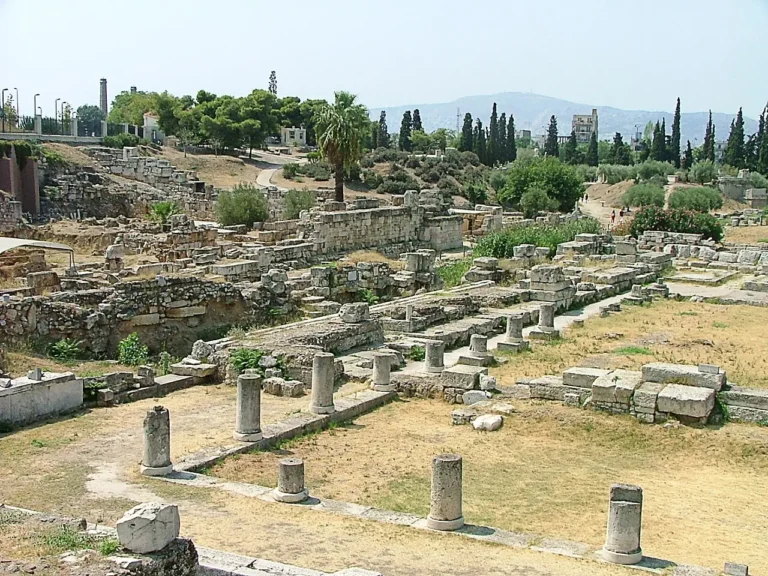
Location mattered. Workshops were often placed near markets or within urban areas, keeping production close to demand. This reduced storage and transport needs and allowed goods to move quickly from workshop to buyer.
Production followed a repeatable process. Once a method was established, it was applied consistently to create similar items over time. This did not produce identical goods at scale, but it ensured a steady and recognizable output.
Tools were basic but sufficient. Hand-operated equipment defined the pace of work, limiting how much could be produced in a given period. Efficiency came from experience and routine rather than mechanization.
The key point is that workshops functioned through control and continuity. They maintained output by keeping production small, organized, and closely tied to the skills of those doing the work.
| Aspect | Greek Workshops | Large-Scale Production |
|---|---|---|
| Scale | Small, controlled units | Large, coordinated systems |
| Labor | Skilled craftsmen and limited workers | Extensive and specialized workforce |
| Tools | Manual, hand-operated | Mechanized or advanced systems |
| Output | Steady but limited | High volume production |
| Flexibility | High adaptability | Low flexibility |
| Market Link | Direct connection to demand | Indirect distribution systems |
Types of Crafts and Specialization
Greek craft production was organized around specific skills, not broad manufacturing. Workshops focused on a single type of output, and efficiency came from repeating the same process rather than diversifying production.
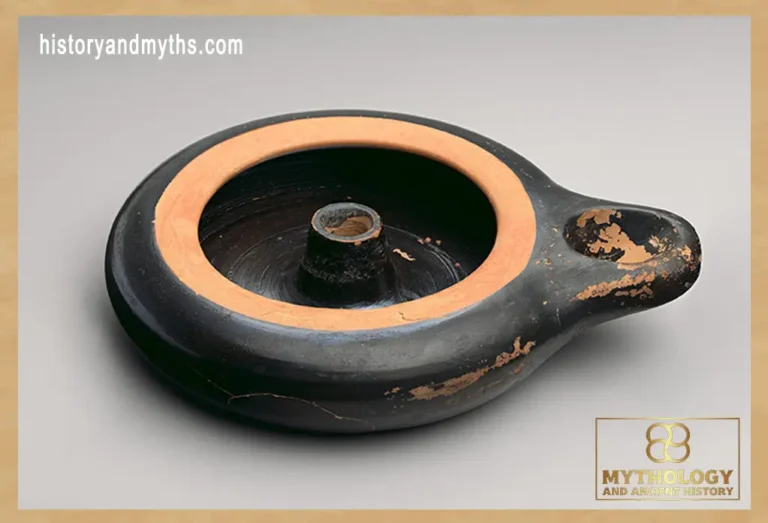
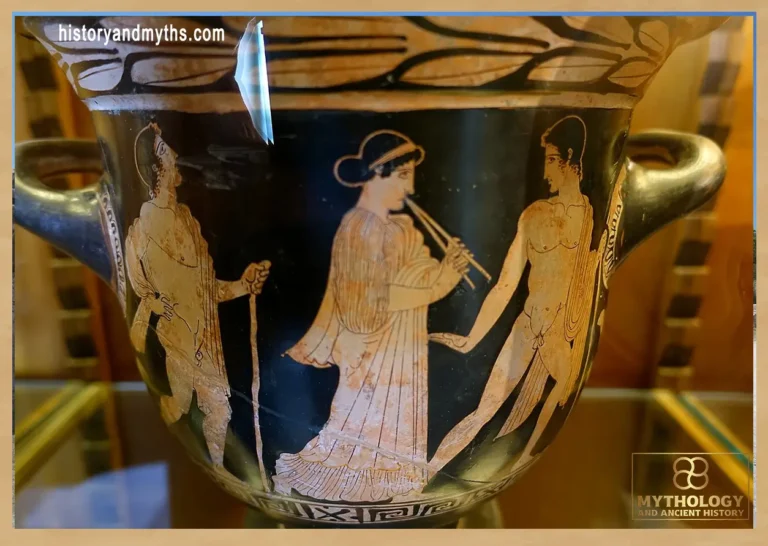
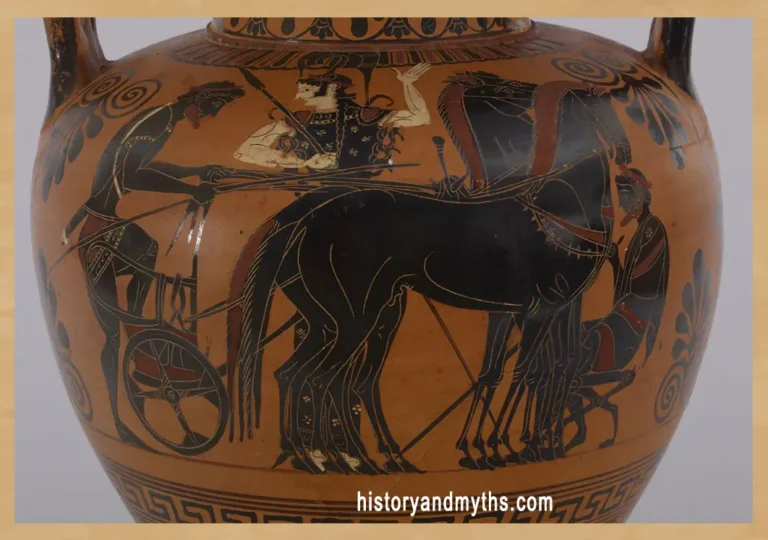
Pottery was one of the most developed crafts. It combined shaping, firing, and finishing into a structured workflow. Once a workshop established a method, it could produce consistent forms that were recognizable in the market. This made pottery both a practical good and a trade product.
Metalwork operated differently. It required access to raw materials and higher technical skill. Production involved multiple stages—melting, shaping, and finishing—which limited speed but increased value. Metal goods were fewer in number but more durable and often more expensive.
Textiles followed a household-based model but could also be produced within workshops. The process was labor-intensive, involving preparation of fibers, weaving, and finishing. Output was steady but slow, tied closely to available labor.
Specialization reduced complexity. By focusing on one craft, workshops improved consistency and quality. Workers developed skill through repetition, which allowed production to remain reliable even without advanced tools.
The key point is that specialization was practical, not industrial. It did not create large-scale production, but it made small-scale output more efficient and predictable.
How Production Was Organized
Production in Greek workshops was structured but not industrial. Work was divided into stages, yet remained closely controlled within a small group. The goal was not maximum output, but consistent, manageable production.
The process typically followed a sequence. Raw materials were prepared first, then shaped or worked into form, and finally finished for use or sale. Each step depended on the previous one, which meant coordination mattered even in small settings.
Division of labor existed, but it was limited. Different workers might handle different stages, but roles were not rigid. A craftsman could move between tasks depending on need, maintaining flexibility within the workshop.
Output was controlled through repetition. Once a method proved effective, it was applied repeatedly to produce similar items. This created consistency in quality and appearance without requiring large-scale organization.
Time was a constraint. Since work depended on manual effort, production speed was tied directly to labor capacity. Increasing output required more hands, but space, tools, and coordination limited how far expansion could go.
The system worked because it balanced structure and flexibility. It allowed workshops to produce steadily without becoming complex, keeping production aligned with available resources and demand.
Labor: Who Were the Craftsmen?
Craft production in ancient Greece depended on a mix of skilled individuals and supporting labor, all working within a small, controlled environment. The key figure was the craftsman himself—the person who possessed the skill and directed the process.
Citizens could work as craftsmen, especially in trades that required expertise and reputation. Skill mattered because it determined the quality of the final product and the ability to maintain consistent output. In these cases, the craftsman was both a producer and a manager.
Enslaved labor also played a role, particularly in larger workshops. Enslaved workers could handle repetitive or physically demanding tasks, allowing skilled craftsmen to focus on more precise stages of production. This increased output but did not fundamentally change the structure of the workshop.
Apprentices or less experienced workers contributed by learning through practice. Skills were transferred within the workshop itself, not through formal institutions. This ensured continuity of craft knowledge over time.
What defines the system is scale. Labor remained limited and localized. Even when additional workers were present, production stayed tied to the capacity of the workshop rather than expanding into larger, coordinated systems.
The key point is that craftsmanship combined skill with controlled labor. Production depended on human ability and experience, not on large workforces or mechanized processes.
- Workshops operated as small, skill-based production units
- Production relied on repetition and controlled processes
- Labor combined skilled craftsmen with supporting workers
- Output was steady but limited by tools and space
- Workshops were closely linked to market demand
- Craft production connected raw materials to trade and consumption
Workshops vs Large Production: Was There Mass Production?
Greek workshops could increase output, but they did not reach true mass production. Scale was limited by tools, labor, and organization, which kept production within manageable boundaries.
Output could expand through repetition. When a workshop produced the same type of item continuously—especially in crafts like pottery—it could achieve a higher volume than occasional production. This created a form of standardization, where similar goods were made in sequence.
However, this was not industrial production. Each item still depended on manual work at every stage. There were no machines to multiply output or systems to coordinate large numbers of workers across multiple locations. Production remained tied to the pace of human labor.
Size varied between workshops. Some were larger and employed more workers, including enslaved labor, which allowed for greater output. Even then, expansion was limited by space, tools, and the need to maintain control over quality.
Demand also set boundaries. Workshops produced based on known market needs, not for indefinite accumulation. Without large-scale storage or distribution systems, producing beyond demand carried risk.
The result was a controlled increase in output rather than unlimited growth. Greek workshops could produce steadily and at a higher volume when needed, but they did not transform into large, centralized production systems.
The key point is that production scaled through repetition, not through industrialization. It remained efficient within limits, but those limits were never removed.
From Workshop to Market
Greek craft production was closely connected to the market from the start. Goods were not produced in isolation and stored for long periods—they were made with immediate demand in mind and moved quickly into exchange.
Location played a key role. Workshops were typically situated within urban areas or near commercial zones, reducing the distance between production and sale. This allowed craftsmen to respond directly to market needs without relying on complex distribution systems.
Selling took different forms. In some cases, craftsmen sold their own products, maintaining control over both production and exchange. In others, intermediaries handled distribution, especially when goods were intended for markets beyond the local area. This was more common for items that could be transported easily, such as pottery.
Scale influenced how goods moved. Everyday items were sold locally in small quantities, while higher-value or more durable products could enter wider trade networks. This extended the reach of workshop production beyond the polis.
Timing was also important. Since storage capacity was limited, goods were often sold soon after production. This kept the system active, with a continuous flow between making and selling rather than long-term accumulation.
The key point is that production and exchange were directly linked. Workshops functioned as part of the market system, with output shaped by demand and distribution built into the process.
Economic Role of Craft Production
Craft production in ancient Greece added value by transforming raw materials into usable and tradable goods. It acted as the link between basic resources—such as agricultural output and imported materials—and market exchange.
Workshops created economic diversity. Agriculture alone could not meet all needs, especially in urban centers. Craft production filled this gap by producing tools, containers, textiles, and specialized goods required for daily life. This expanded the range of items available for exchange beyond raw materials.
It also supported trade networks. Certain crafted goods—particularly pottery and metal items—were durable and transportable, making them suitable for exchange across regions. This allowed workshops to contribute to long-distance trade, even when production remained local.
Specialization improved consistency. By focusing on specific crafts, workshops produced recognizable goods that could be valued more easily in the market. This reduced uncertainty in exchange and supported more stable pricing.
Craft production generated direct economic activity. Craftsmen and workshop owners relied on selling finished goods as a primary source of income, which kept production closely aligned with demand.
The key point is that craft production functioned as the middle layer of the economy. It connected raw materials to trade and consumption, adding value without developing into large-scale industry.
The Limits of the Workshop System
Greek workshops were effective within their scale, but they could not expand beyond certain structural limits. These limits were built into how production was organized and how labor and tools were used.
The first constraint was scale. Production depended on manual labor, which meant output increased only when more workers were added. Even then, coordination within a small space limited how far expansion could go. Workshops could grow, but not transform into large, integrated systems.
Tools set another boundary. Without mechanization, every stage of production required direct human effort. This restricted speed and made it difficult to increase volume without reducing quality.
Labor remained a limiting factor. Skilled work could not be easily replaced or accelerated. Training took time, and maintaining consistent output depended on experience. This kept production stable but prevented rapid growth.
Demand also imposed limits. Workshops produced based on known market needs. Overproduction carried risk, especially without large storage or distribution systems. This encouraged controlled output rather than expansion.
There was no centralized organization to coordinate production across multiple workshops. Each operated independently, which prevented large-scale integration of resources and labor.
The key point is that the workshop system was efficient but contained. It supported steady production and economic activity, but it could not scale into industrial-level output or respond quickly to large increases in demand.
- Greek workshops were small-scale and skill-driven production units
- Craft production relied on repetition rather than mechanization
- Labor combined skilled craftsmen with limited supporting workers
- Output remained stable but could not scale significantly
- Workshops were directly connected to market demand
- The system was efficient but structurally limited
Frequently Asked Questions
What were Greek workshops?
They were small production units where craftsmen created goods using manual methods.
Who worked in Greek workshops?
Craftsmen, supported by enslaved workers and apprentices, carried out production.
Was there mass production in ancient Greece?
No, production was limited and based on manual labor rather than industrial systems.
What types of goods were produced?
Pottery, metal tools, textiles, and other everyday items were commonly produced.
How were goods sold?
Goods were sold directly in local markets or distributed through intermediaries.
Did workshops contribute to trade?
Yes, certain goods were transported and traded across regions.
What limited workshop production?
Manual tools, labor constraints, and lack of large-scale organization restricted output.
Sources & Rights
- Harris, Edward. The Ancient Greek Economy. Cambridge University Press.
- Finley, M.I. The Ancient Economy. University of California Press.
- Bresson, Alain. The Making of the Ancient Greek Economy. Princeton.
- Osborne, Robin. Classical Greece. Routledge.
- Hansen, Mogens Herman. Polis: An Introduction. Oxford University Press.
- Cartledge, Paul. Ancient Greece. Oxford.
- Snodgrass, Anthony. Archaic Greece. University of California Press.
- Whitley, James. The Archaeology of Ancient Greece. Cambridge.
- Burford, Alison. Craftsmen in Greek and Roman Society. Cornell University Press.
- Foxhall, Lin. Studying Gender in Classical Antiquity. Cambridge.
- Herodotus. Histories.
- Thucydides. History of the Peloponnesian War.
- Xenophon. Oeconomicus.
- Aristotle. Politics.
- Strabo. Geography.
- Diodorus Siculus. Library of History.
- Shipley, Graham. The Greek World After Alexander. Routledge.
- Hornblower, Simon. The Greek World 479–323 BC. Routledge.
- Meadows, Andrew. The Oxford Handbook of Greek and Roman Coinage.
- Davies, J.K. Wealth and the Power of Wealth in Classical Athens.
Written by H. Moses — All rights reserved © Mythology and History