How Contracts Worked in Ancient Greek Trade
Trade contracts in Ancient Greece helped merchants, lenders, ship owners, and traders manage risk in everyday commercial activity. Greek trade depended heavily on agreements covering loans, cargo ownership, repayment dates, transport obligations, and profit sharing, especially in maritime trade where storms, piracy, and damaged shipments could destroy investments before goods reached the market.
Some agreements were arranged verbally through trusted relationships and witnesses, while larger commercial deals were often written down to reduce disputes and protect financial interests. Contracts became especially important in port cities connected to Mediterranean trade, where merchants regularly handled delayed payments, borrowed capital, and long-distance shipping between commercial centers such as Athens.
Why Greek Trade Needed Contracts
Greek trade involved constant financial risk because goods, money, and transport often moved separately across long distances. Merchants borrowed capital before voyages, investors financed cargo shipments, and traders depended on delayed repayment after products reached foreign markets. Without agreements defining responsibilities, commercial disputes could easily destroy trust between participants.
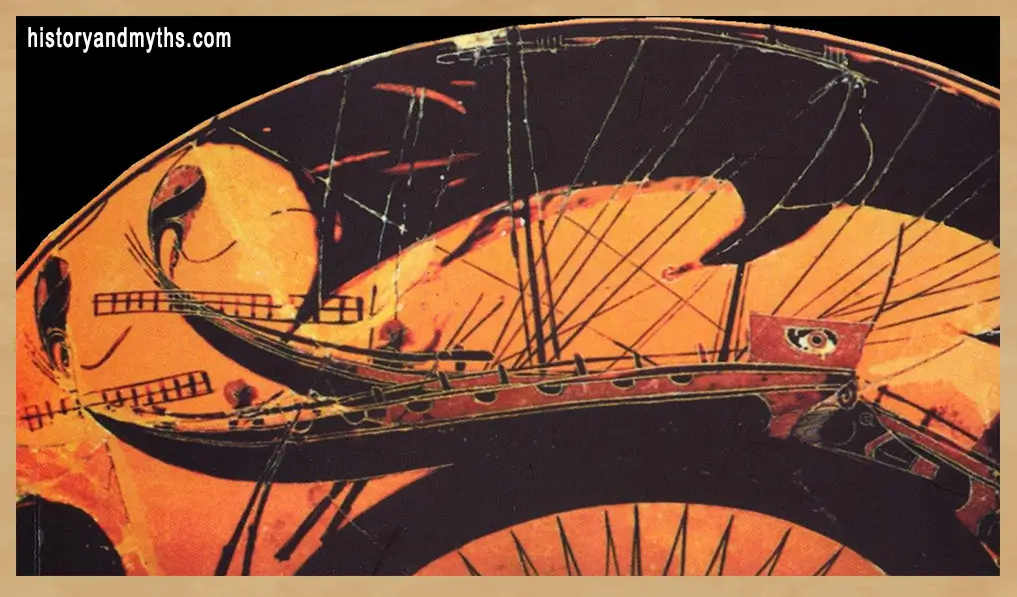
Maritime trade created especially dangerous conditions. A storm, pirate attack, delayed arrival, or damaged shipment could erase an entire investment before goods were sold. Contracts helped determine who carried financial responsibility if cargo was lost or profits failed to appear after a voyage.
Trade agreements also allowed larger commercial activity to function beyond immediate face-to-face exchange. Merchants could organize partnerships, secure loans, transport goods through intermediaries, and conduct business with people who were not part of their household or local community.
| Contract Element | How Greek Trade Agreements Worked |
|---|---|
| Purpose of Contracts | Contracts reduced commercial risk in trade, transport, loans, and cargo investment. |
| Agreement Methods | Greek merchants used verbal promises, written contracts, and witnesses depending on the scale of trade. |
| Contract Terms | Agreements could define repayment dates, cargo ownership, shipping obligations, and profit shares. |
| Maritime Trade Loans | Sea trade contracts often linked repayment to the successful arrival of cargo shipments. |
| Enforcement | Trust, witnesses, written records, and courts helped enforce commercial agreements. |
How Trade Agreements Were Made
Greek trade agreements could be arranged through spoken promises, written documents, or combinations of both depending on the size and risk of the transaction. Smaller local exchanges often relied on reputation and witnesses, while larger commercial ventures were more likely to involve written terms that clarified obligations between participants.
Witnesses played an important role because they helped confirm the agreement if disputes later appeared. Merchants, lenders, ship owners, and trading partners needed evidence showing what had been promised, especially when money or cargo moved across multiple cities and ports.
Written contracts became especially useful in maritime commerce where repayment might occur months after departure. These agreements could travel with merchants or remain with lenders and business partners as proof of the original terms connected to the voyage or shipment.
What Greek Trade Contracts Included
Trade contracts in Ancient Greece usually defined the financial and practical conditions of a commercial agreement. The exact terms depended on the type of trade, the amount of money involved, and the risks connected to transport or repayment.
Many agreements specified loan amounts, repayment deadlines, cargo ownership, shipping destinations, and expected profit shares between investors and merchants. Maritime contracts could also include conditions tied to the safe arrival of goods, since storms or piracy could interrupt trade before products reached the market.
Some agreements imposed penalties if one side failed to meet the terms. Delayed repayment, broken delivery promises, or missing cargo could lead to legal disputes or financial claims, especially when several merchants or lenders participated in the same commercial venture.
How Maritime Trade Contracts Worked
Maritime contracts became one of the most important financial tools in Greek commerce because sea trade involved high profit potential alongside serious risk. Merchants often borrowed money before a voyage to purchase cargo, hire transport, or prepare ships for long-distance trade.
Repayment usually depended on the successful completion of the journey. If the cargo reached its destination and was sold profitably, the lender recovered the original loan plus additional profit or interest. If the ship failed to arrive because of storms, piracy, or shipwreck, lenders could lose their investment entirely.
This system allowed merchants to conduct larger commercial operations without personally owning all the required capital. Investors accepted maritime risk in exchange for the possibility of higher returns tied to Mediterranean trade activity.
Why Contracts Became Essential in Greek Trade
Ancient Greek trade involved delayed payments, long-distance shipping, borrowed capital, and commercial partnerships that carried serious financial risk. Contracts helped merchants, lenders, and investors organize trade more safely by defining obligations, repayment terms, cargo ownership, and profit arrangements across Mediterranean trade networks.
© historyandmyths.com — Educational use
How Merchants Enforced Trust and Payment
Greek trade relied heavily on reputation because merchants often conducted business repeatedly within the same commercial networks. Traders known for dishonesty, unpaid debts, or broken agreements could lose access to future partnerships and financial support.
Witnesses and written records helped strengthen commercial trust, especially when agreements involved large cargo shipments or delayed repayment. Merchants needed proof of obligations if disputes appeared after goods changed hands or voyages ended unsuccessfully.
Courts could become involved in serious disagreements, particularly in major trading cities connected to maritime commerce. Legal action, however, was usually slower and more expensive than maintaining reliable business relationships, which is why long-term trust remained essential inside Greek commercial life.
What Happened When Agreements Failed
Failed trade agreements could create financial losses for merchants, lenders, transporters, and investors at the same time. A delayed shipment, unpaid loan, missing cargo, or broken delivery promise often affected several participants connected to the same commercial venture.
Some disputes were resolved privately through negotiation or repayment adjustments, especially when merchants wanted to preserve future business relationships. Repeated commercial activity made long-term reputation more valuable than short-term conflict in many trading networks.
More serious disagreements could move into legal proceedings, particularly in port cities handling large maritime transactions. Courts examined witnesses, written agreements, and financial claims to determine responsibility for unpaid debts or failed commercial obligations.
Trade contracts allowed Greek commerce to function beyond simple face-to-face exchange by creating structured agreements between merchants, lenders, ship owners, and investors. These arrangements reduced uncertainty in a trading system where money, cargo, and repayment often moved across long distances and multiple ports.
Contracts became especially important in maritime trade, where storms, piracy, damaged shipments, and delayed voyages created constant financial risk. Through written terms, witnesses, and commercial reputation, Greek traders built systems that supported larger and more complex economic activity across the Mediterranean world.
Key Takeaways
- Greek trade contracts helped reduce financial uncertainty in commerce and shipping.
- Merchants used witnesses and written agreements to support commercial trust.
- Contracts often defined loans, cargo ownership, repayment deadlines, and profit shares.
- Maritime trade agreements linked repayment to the successful completion of voyages.
- Commercial reputation played a major role in enforcing agreements.
- Disputes involving failed contracts could lead to negotiation or legal action.
FAQ
Why did Ancient Greek merchants use contracts?
Contracts helped merchants reduce financial risk in trade, shipping, loans, and commercial partnerships.
Were Greek trade contracts always written?
No. Smaller agreements could rely on verbal promises and witnesses, while larger commercial deals were often written.
What did Greek trade contracts include?
Contracts could include repayment terms, cargo ownership, shipping obligations, deadlines, and profit-sharing arrangements.
How did maritime trade contracts work?
Merchants borrowed money for voyages and repaid lenders only if cargo reached its destination successfully.
Why were witnesses important in Greek trade?
Witnesses helped confirm agreements and supported legal claims if disputes later appeared.
How were commercial disputes handled in Ancient Greece?
Some disputes were settled privately, while more serious cases could move into legal proceedings in commercial cities.
Did Greek merchants depend on reputation?
Yes. Reliable merchants gained access to future trade opportunities, loans, and business partnerships.
Why were maritime contracts risky?
Storms, piracy, shipwrecks, and damaged cargo could destroy investments before goods reached the market.
Sources & Rights
- Cohen, Edward E. Athenian Economy and Society: A Banking Perspective. Princeton: Princeton University Press, 1992.
- Millett, Paul. Lending and Borrowing in Ancient Athens. Cambridge: Cambridge University Press, 1991.
- Bresson, Alain. The Making of the Ancient Greek Economy. Princeton: Princeton University Press, 2016.
- Finley, M. I. The Ancient Economy. Berkeley: University of California Press, 1999.
- Casson, Lionel. Ships and Seamanship in the Ancient World. Baltimore: Johns Hopkins University Press, 1995.
- Cohen, Edward E. Ancient Athenian Maritime Courts. Princeton: Princeton University Press, 1973.
- Harris, Edward M. Democracy and the Rule of Law in Classical Athens. Cambridge: Cambridge University Press, 2006.
- Amemiya, Toru. Economy and Economics in Ancient Greece. London: Routledge, 2007.
- Vlassopoulos, Kostas. Unthinking the Greek Polis. Cambridge: Cambridge University Press, 2007.
- Burford, Alison. Land and Labor in the Greek World. Baltimore: Johns Hopkins University Press, 1993.
- Osborne, Robin. Greece in the Making. London: Routledge, 1996.
- Waterfield, Robin. Athens: A History. London: Macmillan, 2004.
- de Ste. Croix, G. E. M. The Class Struggle in the Ancient Greek World. London: Duckworth, 1981.
- Foxhall, Lin. Studying Gender in Classical Antiquity. Cambridge: Cambridge University Press, 2013.
- Hansen, Mogens Herman. An Inventory of Archaic and Classical Poleis. Oxford: Oxford University Press, 2004.
- Boardman, John. The Greeks Overseas. London: Thames & Hudson, 1999.
- Davies, J. K. Wealth and the Power of Wealth in Classical Athens. Salem: Ayer Company Publishers, 1981.
- Morris, Ian. Archaeology as Cultural History. Oxford: Blackwell, 2000.
- Whitby, Michael. Trade and Famine in Classical Antiquity. Cambridge: Cambridge University Press, 1988.
- Todd, S. C. The Shape of Athenian Law. Oxford: Clarendon Press, 1993.
Written by H. Moses — All rights reserved © Mythology and History