Sumerian Proverbs: Wisdom and Everyday Life in Ancient Mesopotamia
In ancient Mesopotamia, wisdom was not preserved only in long poems or royal inscriptions. It also appeared in short, sharp sayings—proverbs that captured everyday experience in just a few lines. Written on clay tablets in cuneiform script, these expressions circulated among scribes, students, and ordinary people, offering practical observations about work, friendship, family, and social behavior.
Most of what we know about these sayings comes from scribal school tablets discovered in cities such as Nippur. Students copied collections of proverbs as part of their training, which allowed hundreds of these brief texts to survive. Unlike monumental inscriptions that celebrated kings, these lines reveal something different: how people in Mesopotamia understood ordinary life—its struggles, its humor, and the lessons drawn from daily experience.
Today these proverbs provide one of the clearest glimpses into the social thinking of the ancient Near East. They show how early civilizations reflected on human behavior long before later traditions of wisdom literature emerged.
What Sumerian Proverbs Were
Sumerian proverbs were short statements that expressed practical observations about human behavior and everyday life. Unlike epic poetry or royal inscriptions, these sayings did not celebrate gods or kings. Instead, they focused on ordinary experience—work, friendship, reputation, family relations, and the consequences of personal decisions.
Most proverbs follow a simple structure. Some are direct warnings about behavior, while others use comparison or irony to highlight a point. Their language is often concise and sometimes humorous, suggesting that they were meant to be easily remembered and repeated. In many cases, a proverb compresses a larger social lesson into a single line, turning daily experience into a general rule.
These sayings formed part of a broader tradition known as Mesopotamian wisdom literature, a group of texts that reflected on human conduct rather than mythological events. Similar to later wisdom traditions in the ancient Near East, the goal was not storytelling but instruction. A proverb might advise caution in business, warn against arrogance, or emphasize the value of reliability in social relationships.
Because they were copied repeatedly in scribal education, many of these sayings survived on clay tablets. Their preservation allows historians to study not only the language of ancient Mesopotamia but also the practical wisdom that circulated within its society.
Key Features of Sumerian Proverbs
| Aspect | Explanation |
|---|---|
| Form | Short statements expressing practical wisdom or social observations. |
| Language | Written in Sumerian using cuneiform script on clay tablets. |
| Main Themes | Work, reputation, family relations, caution in speech, and social behavior. |
| Where They Were Found | Mostly discovered on school tablets in cities such as Nippur. |
| Purpose | Used in scribal education and as expressions of social wisdom. |
Where These Proverbs Were Found
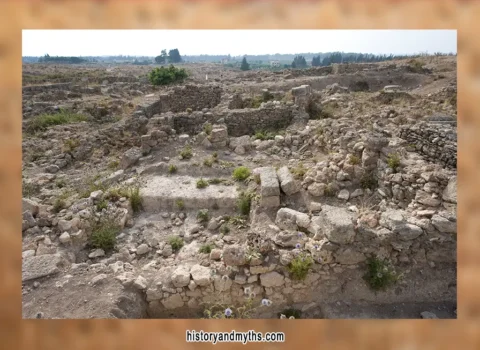
Most Sumerian proverbs survived on small clay tablets discovered during archaeological excavations in Mesopotamian cities. One of the most important centers was Nippur, a major religious and educational city where archaeologists uncovered large numbers of school tablets containing literary and instructional texts.
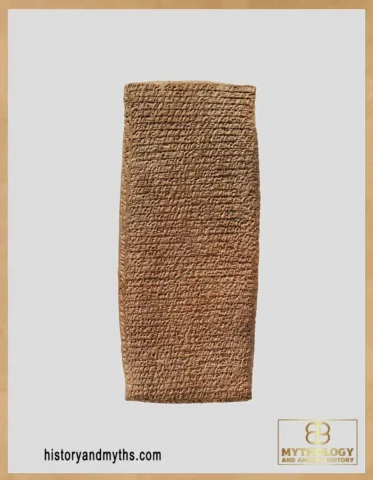
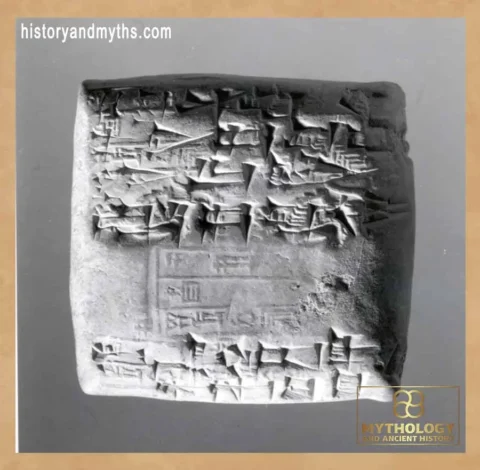
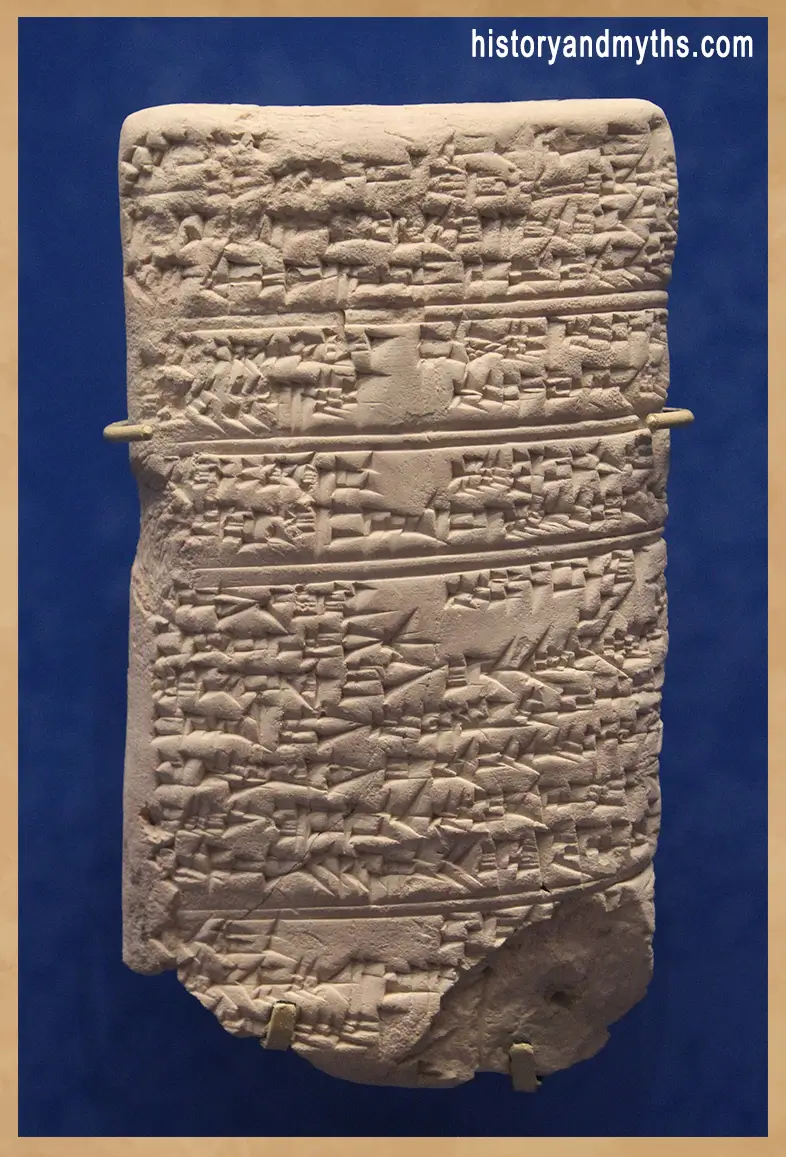
These tablets were usually written in cuneiform on soft clay and then dried or baked. Many of them belonged to scribal training exercises, which explains why several copies of the same proverb appear across different tablets. By comparing these copies, scholars have been able to reconstruct collections of sayings that once circulated widely in Mesopotamian education.
The discovery of these tablets during the nineteenth and twentieth centuries revealed that proverbs were not isolated expressions but part of organized compilations. Some tablets contain long sequences of sayings copied one after another, suggesting that students memorized and practiced them as part of their intellectual training.
Because clay preserves writing remarkably well, thousands of fragments have survived despite the destruction of ancient cities. These fragments now allow historians to study how wisdom circulated in Mesopotamian society and how written communication preserved ideas that were originally part of everyday conversation.
Proverbs in the Scribal Schools
Many of the Sumerian proverbs that survive today were preserved because they were used in the scribal schools, known in Sumerian as the eduba, or “tablet house.” These institutions trained future scribes—the specialists responsible for administration, accounting, and record keeping across Mesopotamian cities.
Education in these schools relied heavily on copying texts. Students practiced writing by reproducing vocabulary lists, literary passages, and short wisdom sayings. Proverbs were particularly useful for this purpose. Their brief structure made them manageable exercises, while their moral lessons reflected values that Mesopotamian society considered important, such as diligence, loyalty, and self-control.
School tablets often show the marks of this learning process. A teacher might write a line on one side of the tablet, while the student copied it below or on the reverse. Through repeated copying, these sayings circulated widely within the educational system, ensuring their preservation even when the cities that produced them eventually declined.
Because scribes formed the intellectual class of Mesopotamian society, the sayings copied in their schools likely influenced broader cultural attitudes. In this way, proverbs functioned not only as writing exercises but also as a medium through which social values were transmitted from one generation to the next.
How Sumerian Proverbs Survived
- Most Sumerian proverbs were preserved through scribal school exercises.
- Students copied collections of sayings onto clay tablets while learning cuneiform writing.
- Many tablets were discovered in archaeological sites such as Nippur.
- Because clay hardens rather than decays, these school tablets survived for thousands of years.
- Scholars reconstructed proverb collections by comparing fragments from different tablets.
© historyandmyths.com — Educational use
Examples of Real Sumerian Proverbs
Many surviving Sumerian proverbs are strikingly direct. In just a few words, they summarize observations about human behavior that were likely familiar to people living in Mesopotamian cities thousands of years ago.
One saying warns about the uncertainty of friendship:
“Friendship lasts a day; kinship lasts forever.”
The proverb reflects the strong importance of family ties in Mesopotamian society. While friendships could change with circumstance, kinship networks—especially within extended households—provided stability and long-term support.
Another proverb focuses on the realities of economic life:
“The poor man must look to his bread.”
This brief line highlights a simple truth of everyday survival: those with limited resources could not afford carelessness. The saying suggests a society where economic insecurity was a familiar experience for many people outside elite circles.
Some proverbs also use irony to criticize arrogance. One example states:
“The fox could not build his house, so he went to the city.”
Although phrased humorously, the message warns against individuals who seek advantage without doing the necessary work themselves. The animal metaphor makes the lesson memorable while subtly criticizing opportunistic behavior.
These sayings demonstrate that Mesopotamian wisdom literature was grounded in daily experience. Rather than abstract philosophy, the proverbs distill practical lessons drawn from work, social relations, and the uncertainties of life in early urban societies.
What These Proverbs Reveal About Mesopotamian Society
Although Sumerian proverbs are short, they offer valuable insight into how people in ancient Mesopotamia understood their world. Many sayings focus on work, reputation, and social responsibility—subjects that were central to life in early urban communities.
One recurring theme is the importance of diligence. In agricultural societies where survival depended on seasonal labor and careful planning, laziness was often portrayed as a serious flaw. Proverbs frequently warn that neglecting work leads to poverty or social embarrassment, reinforcing the expectation that individuals should contribute actively to their household and community.
Another theme concerns reputation and social behavior. Mesopotamian cities were tightly interconnected environments where trade, administration, and family alliances created complex networks of relationships. In such settings, trust and reliability were essential. Proverbs therefore emphasize honesty, caution in speech, and awareness of how one’s actions affect others.
These sayings also reflect a realistic view of human nature. Rather than presenting idealized heroes, many proverbs acknowledge common weaknesses such as pride, greed, or poor judgment. By framing these observations as short memorable statements, the culture transformed everyday experience into practical guidance for navigating social life.
For historians, this material is particularly valuable because it captures perspectives rarely preserved in royal inscriptions. Instead of celebrating political power, the proverbs illuminate the concerns of ordinary people—work, family ties, reputation, and the small decisions that shaped daily life in the world’s earliest cities.
Continue Reading
- Mesopotamian Literature: How Writing Built Empires
- Letters in Ancient Mesopotamia: Power, Control, and Communication
- Scribal Schools in Mesopotamia: Training the First Writers
- Cuneiform Writing: How the World’s First Script Worked
- The Library of Ashurbanipal: Knowledge in Ancient Assyria
Why Proverbs Were Written on Clay Tablets
Like most written texts in Mesopotamia, proverbs were recorded on clay tablets using cuneiform script. Clay was abundant along the rivers of the region, and scribes developed efficient methods for shaping small tablets that could be inscribed with a stylus made from reed.
When the clay was still soft, the writer pressed wedge-shaped marks into its surface to form the signs of the cuneiform writing system. Afterward, the tablet could be left to dry in the sun or occasionally baked in a kiln, which made the text durable. Because clay hardens rather than decays, many tablets survived even after the buildings that stored them were destroyed by fire or collapse.
This material played an important role in the preservation of Mesopotamian wisdom literature. School tablets containing proverbs were often discarded after students completed their exercises, but once hardened, they remained buried in the soil of ancient cities. Archaeological excavations have recovered thousands of such fragments, allowing scholars to reconstruct large portions of the proverb collections that circulated in scribal education.
The durability of clay therefore turned what were once everyday writing exercises into long-lasting historical evidence. Through these small tablets, modern researchers can still read the short sayings that students copied more than four thousand years ago.
The Legacy of Mesopotamian Wisdom
The collections of Sumerian and Mesopotamian proverbs represent one of the earliest surviving traditions of written wisdom in human history. Long before later philosophical systems emerged, these brief sayings attempted to capture practical lessons about work, relationships, and personal conduct. Their survival on clay tablets shows that early urban societies were already reflecting on the patterns of everyday life and transforming experience into guidance for future generations.
Although separated from the modern world by thousands of years, many of these observations remain recognizable. They deal with familiar concerns—trust, reputation, responsibility, and the risks of arrogance or carelessness. In this sense, the proverbs reveal that the inhabitants of ancient Mesopotamian cities faced many of the same social challenges that shape human behavior today.
For historians, these texts provide more than literary interest. They offer a rare perspective on how ordinary people understood their environment and the unwritten rules of their communities. Preserved through the educational system of scribal schools and rediscovered through archaeology, Mesopotamian proverbs continue to illuminate the intellectual life of the world’s first civilizations.
Key Takeaways
- Sumerian proverbs are among the oldest written expressions of human wisdom.
- Most of these sayings survived on clay tablets used in scribal schools.
- The proverbs focus on everyday concerns such as work, reputation, and social behavior.
- They provide valuable insight into how people in ancient Mesopotamia understood life and relationships.
- Archaeological discoveries in cities like Nippur preserved hundreds of these sayings.
- These texts form an important part of Mesopotamian wisdom literature.
Frequently Asked Questions
What are Sumerian proverbs?
Sumerian proverbs are short sayings from ancient Mesopotamia that express practical wisdom about work, behavior, and social life.
Where were Sumerian proverbs discovered?
Most of them were found on clay tablets from scribal schools in Mesopotamian cities such as Nippur.
Why were proverbs used in scribal schools?
They served as writing exercises and also transmitted social values considered important in Mesopotamian society.
What topics appear in these proverbs?
Common themes include diligence, reputation, family relations, and caution in speech or behavior.
How old are Sumerian proverbs?
Many surviving examples date to the Old Babylonian period, around 1900–1600 BCE.
Why are these proverbs important to historians?
They provide insight into everyday attitudes and social expectations in ancient Mesopotamian cities.
Sources & Rights
- Black, Jeremy et al. The Literature of Ancient Sumer. Oxford University Press.
- Veldhuis, Niek. History of the Cuneiform Lexical Tradition. Ugarit-Verlag.
- Bottéro, Jean. Mesopotamia: Writing, Reasoning, and the Gods. University of Chicago Press.
- Jacobsen, Thorkild. The Harps That Once… Sumerian Poetry in Translation. Yale University Press.
- Van De Mieroop, Marc. A History of the Ancient Near East. Wiley-Blackwell.
- Postgate, J. N. Early Mesopotamia: Society and Economy at the Dawn of History. Routledge.
- Hallo, William W. The Context of Scripture. Brill.
- ETCSL – Electronic Text Corpus of Sumerian Literature. University of Oxford.
Written by H. Moses — All rights reserved © Mythology and History