Mesopotamian Letters: Cuneiform Tablets That Connected Empires
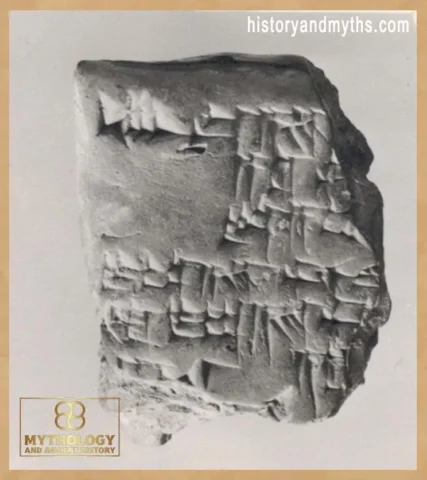
In ancient Mesopotamia, letters were not simply personal messages. They were a practical tool that allowed early states to function across large territories. Written on clay tablets in cuneiform script, these letters carried orders, reports, warnings, and negotiations between cities that could be hundreds of kilometers apart. Through them, rulers governed distant provinces, merchants coordinated trade, and families communicated across regions.
Thousands of surviving tablets—especially from archives such as Mari and Assyria—allow historians to observe how Mesopotamian societies actually worked. Unlike royal inscriptions carved on monuments, letters reveal daily concerns: military threats, administrative problems, commercial disputes, and personal requests. They show the ancient Near East not as a world of heroic kings alone, but as a network of communication that held early kingdoms and empires together.
Why Empires Needed Letters
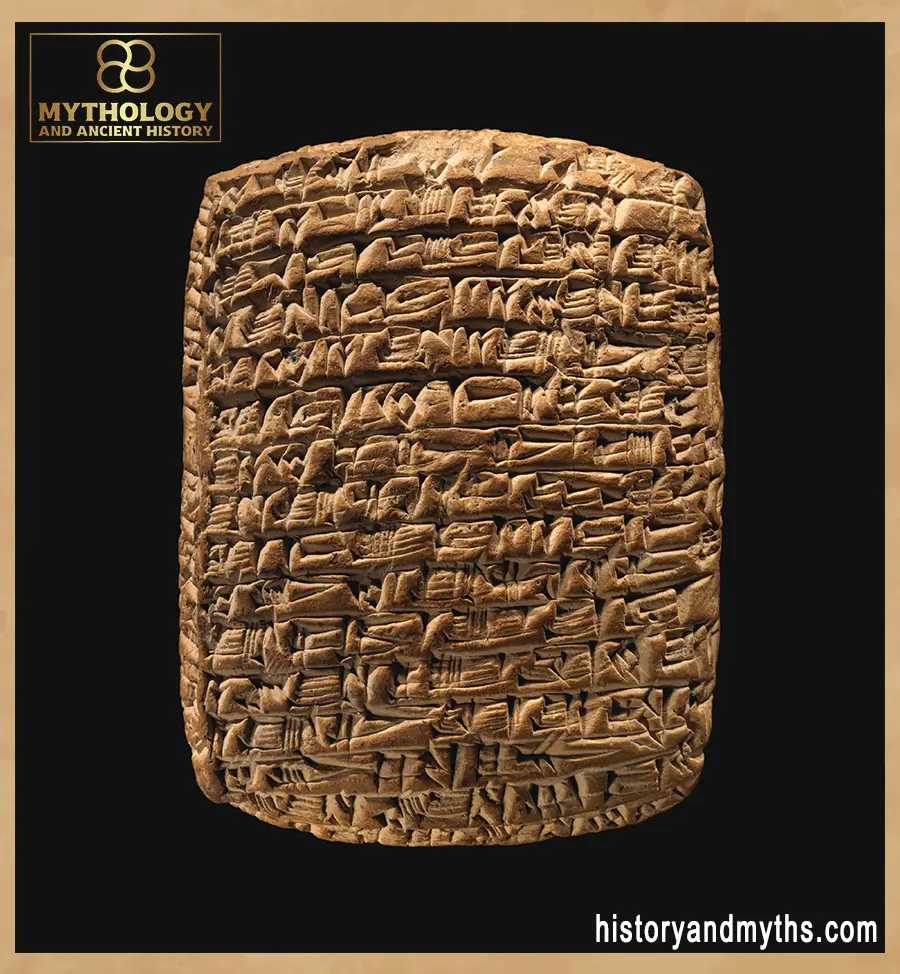
As Mesopotamian states expanded beyond a single city, rulers faced a practical problem: distance. A king could not physically oversee every province, border, and official. Authority had to travel without him. Letters solved that problem.
Written correspondence allowed instructions to move from the palace to distant governors. A frontier official could report unrest, request reinforcements, or warn of enemy activity. The king, in turn, could respond with orders that carried legal and political weight. In this way, writing extended royal presence across territory.
Communication was not optional—it was structural. Without steady exchanges of information, taxation would falter, military defense would weaken, and local officials might act independently. Letters ensured coordination. They created accountability. They turned scattered cities into administratively connected states.
In practical terms, correspondence transformed geography into governable space. Clay tablets moved through messenger networks along trade routes and river systems, linking political centers to peripheral regions. What we see in these texts is not abstract power, but power maintained through constant written contact.
Types of Letters in Ancient Mesopotamia
| Type of Letter | Purpose | Typical Senders |
|---|---|---|
| Royal Correspondence | Diplomacy, alliances, political negotiations | Kings and royal courts |
| Administrative Letters | Government orders, taxation, regional reports | Governors and officials |
| Military Dispatches | Information about threats, troops, or rebellions | Commanders and border officials |
| Commercial Letters | Trade instructions, shipments, debts | Merchants and traders |
| Private Letters | Family matters, inheritance, daily life | Families and individuals |
The Mari Archives — Government in Real Time
One of the most important discoveries for understanding Mesopotamian correspondence comes from the ancient city of Mari, located on the Euphrates River. Excavations in the twentieth century uncovered thousands of clay tablets preserved in palace archives. Many of these tablets are letters exchanged between the king of Mari, his officials, and rulers of neighboring regions.
These letters reveal how government actually functioned day by day. Officials reported troop movements, warned about possible rebellions, and described conditions in distant territories. Some letters contain urgent requests for supplies or reinforcements. Others explain political tensions between local leaders or neighboring states.
What makes the Mari letters especially valuable is their immediacy. Royal inscriptions carved on monuments present idealized images of kings and victories. The letters from Mari show something different: uncertainty, negotiation, and constant management of problems. Governors worried about loyalty in their districts. Messengers carried reports about rival powers. Decisions were often made with incomplete information.
Through this archive, historians can observe the administrative reality behind ancient political systems. Mari’s letters show that governing a Mesopotamian kingdom required continuous communication between the center and the provinces. Power depended not only on armies and monuments, but on information moving across the empire.
Royal Correspondence and Diplomacy
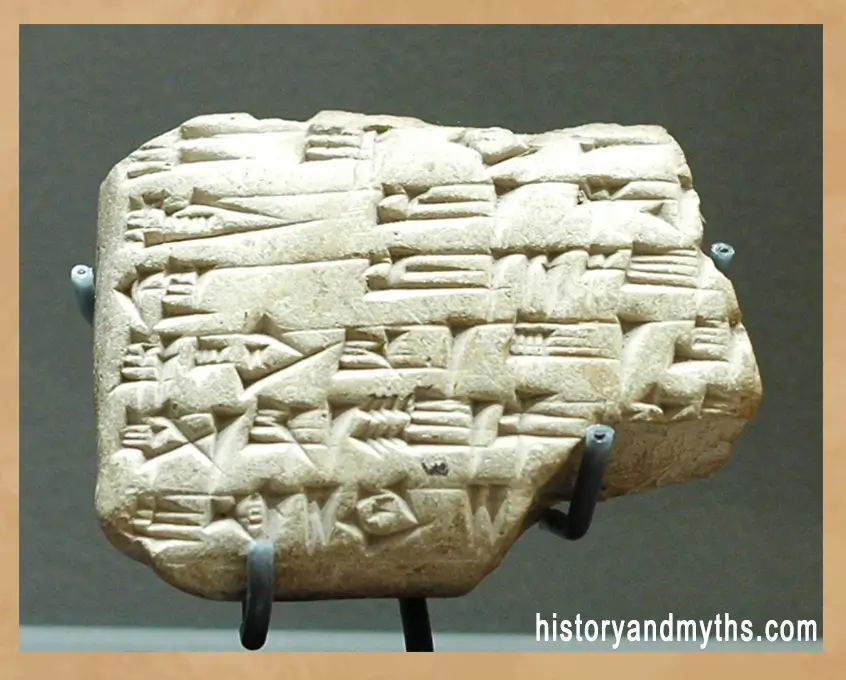
Letters were also essential in relations between Mesopotamian kingdoms. When rulers communicated with foreign courts, correspondence followed a recognizable diplomatic style. Kings often addressed one another as “brother,” a term that signaled political equality between powerful states. This language created a formal tone of respect while negotiations unfolded.
Diplomatic letters discussed matters such as alliances, marriages between royal families, trade arrangements, and military cooperation. Gifts frequently accompanied these messages—gold, precious stones, textiles, and luxury goods. These exchanges reinforced political relationships and helped maintain balance between rival powers.
Yet the tone of diplomacy could change quickly. Some letters reveal frustration when promised gifts did not arrive or when one ruler suspected another of bad faith. Complaints about delayed shipments or unmet obligations appear alongside polite greetings. Through these messages we see that diplomacy in the ancient Near East relied on careful language, but it was also shaped by competition and mistrust.
In this way, royal correspondence formed the diplomatic network of the region. Messages traveled between courts across Mesopotamia, Anatolia, and the Levant, carrying negotiations that could preserve peace—or signal the approach of conflict.
Letters as Intelligence and Surveillance
Many Mesopotamian letters served as intelligence reports. Officials stationed in frontier towns, military commanders, and provincial governors regularly sent information to the royal court. Their messages described troop movements, rumors of rebellion, and political developments in neighboring territories.
These reports allowed rulers to respond quickly to threats. A warning about enemy activity on the border could lead to reinforcements being dispatched. News of unrest in a city might prompt the king to send instructions to local authorities or replace an unreliable governor. Without this flow of information, the central government would have been blind to events unfolding far from the capital.
Correspondence also functioned as a tool of internal oversight. Provincial officials were expected to keep the king informed about conditions in their districts. Silence or delayed communication could raise suspicion. Through letters, rulers monitored the performance and loyalty of their own administrators.
This system created an early form of surveillance within the empire. Information moved upward from local officials to the royal court, while orders moved downward in response. In this continuous exchange, letters became one of the most important instruments for maintaining control across Mesopotamia’s politically fragmented landscape.
How Mesopotamian Letters Worked
- Letters were written on clay tablets using cuneiform script.
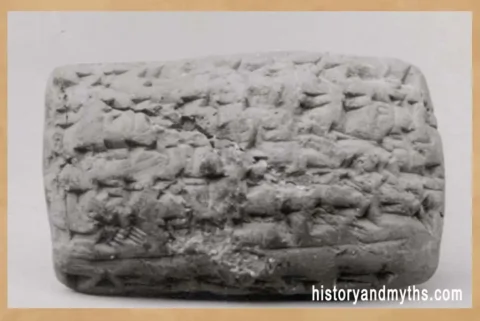
- A reed stylus pressed wedge-shaped signs into soft clay.
- Important messages were sealed with cylinder seals to prevent tampering.
- Tablets could be enclosed in clay envelopes for security.
- Messengers carried letters along river routes and trade roads.
- Major archives such as Mari preserved thousands of these communications.
© historyandmyths.com — Educational use
Private Letters and Everyday Life
Not every Mesopotamian letter dealt with politics or royal administration. Many surviving tablets contain personal messages that reveal the daily concerns of ordinary people. These letters discuss family matters, financial obligations, trade arrangements, and disputes between partners.
Merchants frequently wrote to one another about shipments, prices, and debts. A trader might complain that goods had not arrived on time or warn a partner about market conditions in another city. Such correspondence shows how commercial networks connected distant regions long before modern transportation.
Family letters provide an even more intimate view of life. Some messages contain requests for money, news about relatives, or instructions concerning property and inheritance. Others express frustration, worry, or urgency about unresolved problems. Through these texts, the voices of individuals—rather than kings—become visible in the historical record.
These personal letters demonstrate that writing in Mesopotamia was not limited to royal administration. Literate individuals, often with the help of trained scribes, used written communication to manage everyday responsibilities. The clay tablet became a practical tool for organizing economic and family life in a complex urban society.
How Letters Were Written, Sealed, and Delivered
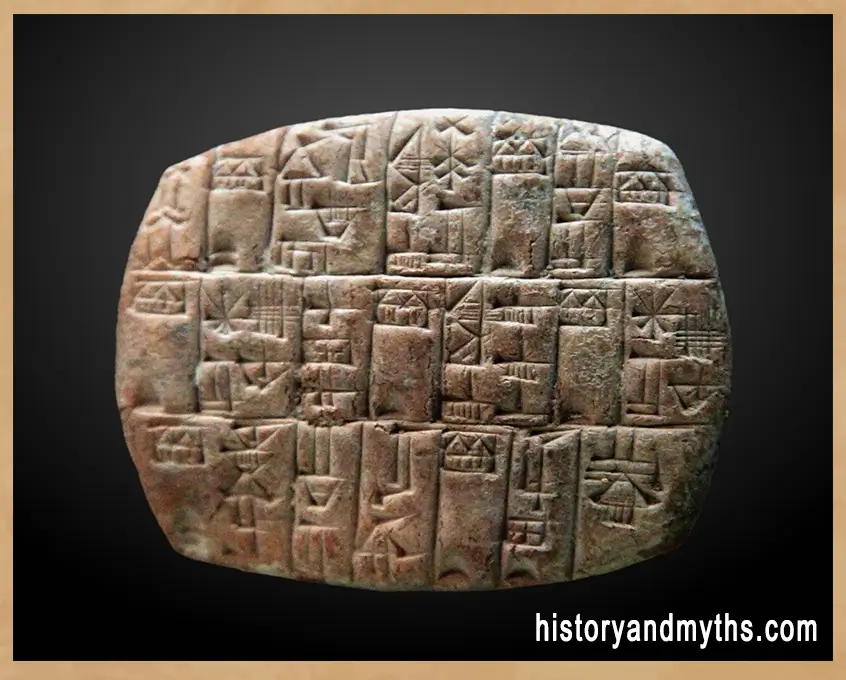
Mesopotamian letters were usually written on small clay tablets. A scribe used a reed stylus to press wedge-shaped signs into the soft clay, forming the cuneiform script. The message was written while the clay was still damp, and the tablet was then dried so the text would harden and remain readable.
For official correspondence, the tablet was often enclosed in a thin outer layer of clay, sometimes called a clay “envelope.” The sender’s seal was rolled across the surface of this outer layer using a carved cylinder seal. The seal impression identified the sender and protected the message from tampering. To read the letter, the outer layer had to be broken.
Delivery relied on human messengers rather than organized postal systems. Couriers traveled along river routes and established trade roads connecting major cities such as Babylon, Mari, and Assur. These messengers carried tablets between courts, provincial centers, and commercial hubs.
This system may appear simple, but it allowed information to move across vast territories. Even in a world without paper, horses, or modern infrastructure, clay tablets and messenger networks created a reliable channel of communication linking cities across Mesopotamia.
Why Letters Matter More Than Royal Inscriptions
Most ancient monuments present a controlled image of power. Royal inscriptions carved on palace walls or stone stelae celebrate victories, emphasize the strength of kings, and rarely mention failure or uncertainty. They were designed to project authority.
Letters reveal a very different reality. In private correspondence, officials reported problems openly. Governors complained about shortages, warned about possible rebellions, or admitted difficulties in enforcing royal orders. These texts show that governing an empire was rarely as stable as official monuments suggest.
Because letters were written for immediate practical use, they preserve the everyday mechanics of rule. They show how information moved between cities, how decisions were made under pressure, and how administrators tried to manage distant territories. Instead of presenting a perfect image of power, correspondence exposes the constant effort required to maintain political control.
For historians, this difference is crucial. Royal inscriptions tell us how rulers wanted to be remembered. Letters show how their states actually functioned. Together they provide a fuller picture of Mesopotamian civilization—one shaped not only by kings and monuments, but also by the steady flow of communication that connected the ancient Near East.
Continue Reading
- Mesopotamian Literature: How Writing Built Empires
- Scribal Schools in Mesopotamia: Training the First Writers
- Cuneiform Writing: How the World’s First Script Worked
- The Library of Ashurbanipal: Knowledge in Ancient Assyria
- Trade and Merchants in Ancient Mesopotamia
Letters were one of the most practical inventions of Mesopotamian civilization. Through simple clay tablets, rulers governed distant provinces, officials reported political developments, merchants coordinated trade, and families maintained contact across cities. Written correspondence turned scattered settlements into connected political and economic systems.
The surviving tablets from archives such as Mari, Assur, and Babylon reveal how communication sustained early states. These letters expose the daily reality behind royal power—negotiation, uncertainty, administration, and constant exchange of information. They remind us that ancient empires were not held together by monuments alone, but by messages traveling along roads and rivers between people who depended on communication to manage complex societies.
In this sense, Mesopotamian letters were more than written messages. They formed the communication network that allowed one of the world’s earliest civilizations to organize authority, coordinate trade, and maintain control across a vast and diverse landscape.
Key Takeaways
- Letters were one of the most important administrative tools in ancient Mesopotamia.
- Clay tablets allowed kings and officials to communicate across large territories.
- The Mari archives reveal how governments actually functioned day by day.
- Royal correspondence played a central role in diplomacy between ancient states.
- Many letters served as intelligence reports about rebellions, borders, and military threats.
- Private letters show that writing was also used for trade, family matters, and business.
- These texts provide a more realistic view of Mesopotamian society than royal inscriptions.
Frequently Asked Questions
What were Mesopotamian letters written on?
Most letters were written on small clay tablets using cuneiform script. A reed stylus was used to press wedge-shaped signs into soft clay.
Who wrote letters in ancient Mesopotamia?
Letters were written by trained scribes on behalf of kings, officials, merchants, and sometimes private individuals.
What is the Mari archive?
The Mari archive is a large collection of clay tablets discovered in the ancient city of Mari. It contains thousands of letters revealing political and administrative life in the early second millennium BCE.
Were letters used for diplomacy?
Yes. Kings exchanged letters with foreign rulers to discuss alliances, trade agreements, and political relations.
Did ordinary people write letters?
Yes. Many tablets show merchants and families exchanging messages about trade, debts, and household matters.
How were Mesopotamian letters delivered?
Letters were carried by messengers who traveled along rivers and trade routes connecting major cities.
Why are these letters important for historians?
They reveal everyday administration and personal communication, offering a more realistic picture of Mesopotamian society than royal monuments.
Sources & Rights
- Van De Mieroop, Marc. A History of the Ancient Near East. Wiley-Blackwell.
- Kuhrt, Amélie. The Ancient Near East: c. 3000–330 BC. Routledge.
- Hallo, William & Younger, K. Lawson. The Context of Scripture. Brill.
- Charpin, Dominique. Writing, Law, and Kingship in Old Babylonian Mesopotamia. University of Chicago Press.
- Michalowski, Piotr. Letters from Early Mesopotamia. Society of Biblical Literature.
- Radner, Karen. State Correspondence in the Ancient World. Oxford University Press.
- Liverani, Mario. The Ancient Near East: History, Society and Economy. Routledge.
- Sasson, Jack. From the Mari Archives: An Anthology of Old Babylonian Letters. Eisenbrauns.
- Postgate, J.N. Early Mesopotamia: Society and Economy at the Dawn of History. Routledge.
- Crawford, Harriet. Sumer and the Sumerians. Cambridge University Press.
Written by H. Moses — All rights reserved © Mythology and History