Mesopotamian Archives: Clay Tablets That Ran Ancient Empires
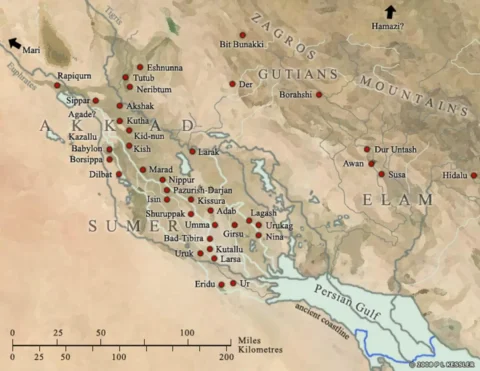
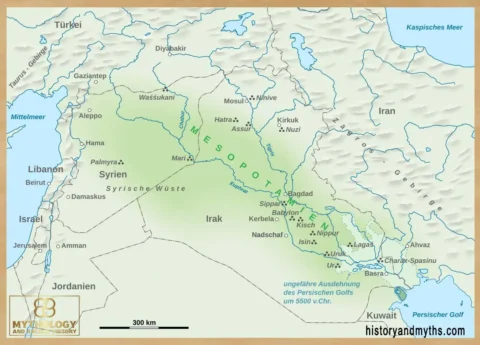
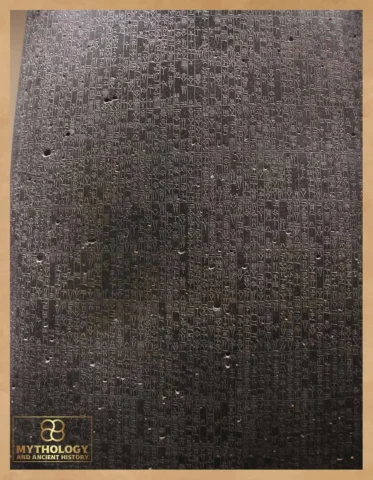
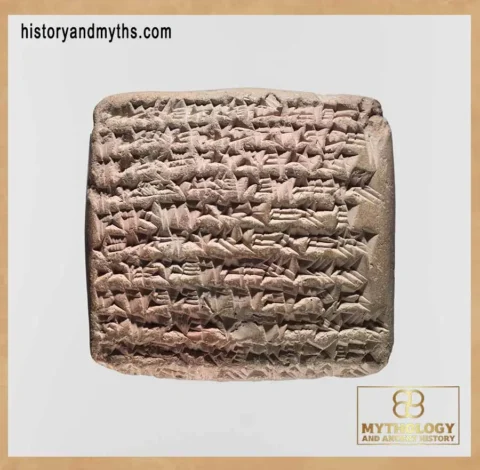
When archaeologists began excavating cities such as Mari, Nippur, and Nineveh, they did not uncover only temples or statues. They also discovered rooms filled with clay tablets—sometimes stacked, sometimes scattered on the floor. These were not literary texts. Most of them were everyday documents: letters, contracts, tax records, and administrative reports. Together they formed what historians now call Mesopotamian archives.
In the cities of ancient Mesopotamia, writing quickly became essential for administration. Officials needed records to track trade shipments, land agreements, legal disputes, and communication between cities. Clay tablets written in cuneiform allowed governments and institutions to store this information and consult it later when decisions or disputes arose.
Because these tablets were preserved in temples, palaces, and administrative offices, thousands of them have survived. They reveal something rarely visible in monumental inscriptions: the routine workings of early states. Through these archives we can see how rulers governed provinces, how merchants organized long-distance trade, and how scribes managed the flow of information in some of the world’s first urban civilizations.
What Archives Were in Ancient Mesopotamia
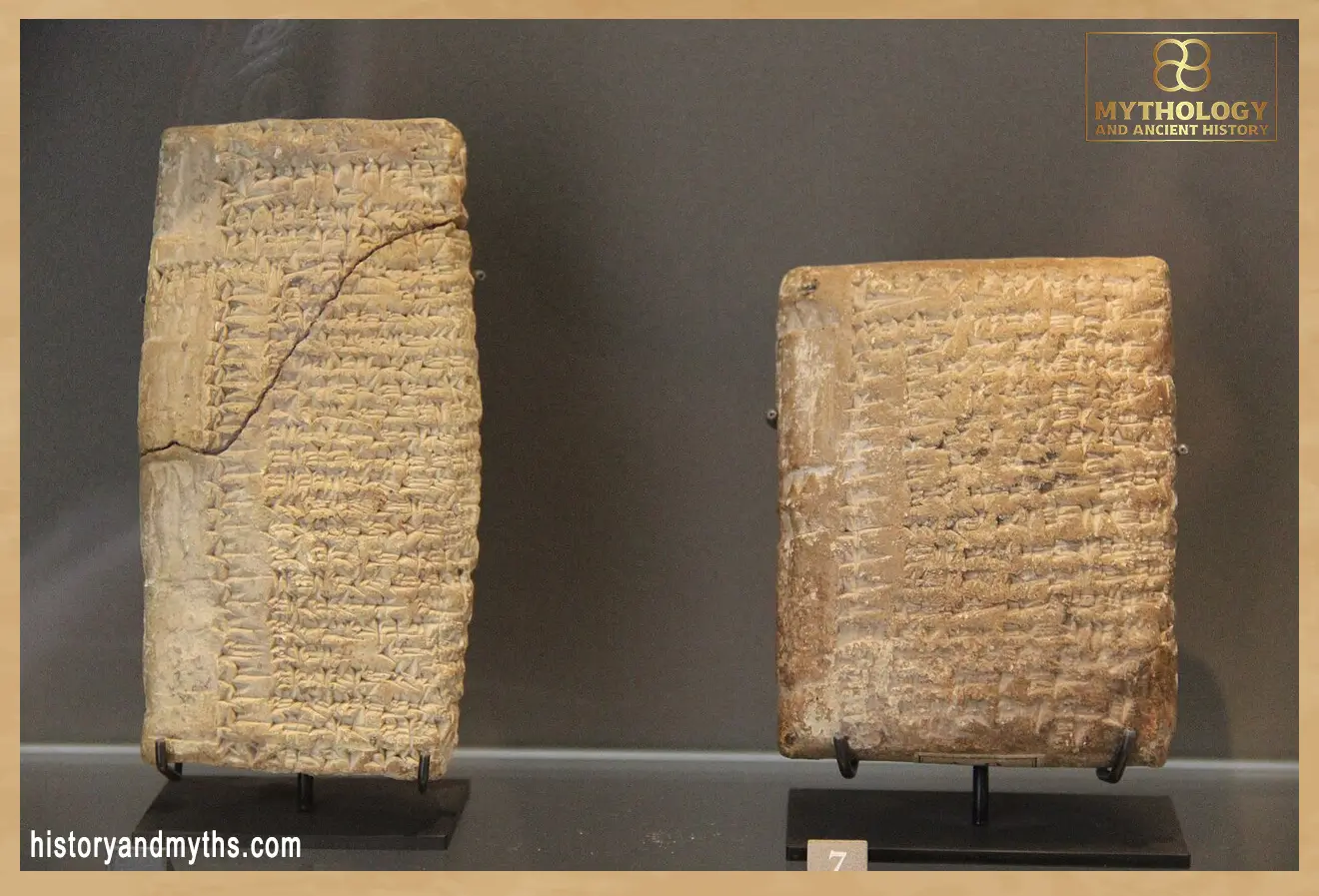
In Mesopotamian cities, an archive was simply a place where written records were kept for future use. These records were clay tablets inscribed in cuneiform, each documenting a specific activity: a delivery of grain, a legal agreement, a tax payment, or a message sent between officials. Instead of being temporary notes, these tablets were stored so that administrators could return to them whenever a dispute or decision required proof.
Most archives belonged to institutions rather than individuals. Temples, royal palaces, and administrative offices all maintained collections of tablets related to their activities. A temple archive might contain lists of offerings, land records, or labor assignments, while a palace archive often preserved diplomatic correspondence, reports from governors, and military information.
Archaeological excavations show that these records were not kept randomly. Tablets were usually gathered in designated rooms where scribes could organize and consult them. In some cases they were stacked on shelves or stored in containers. These collections formed the documentary memory of Mesopotamian institutions, allowing officials to track economic transactions, manage resources, and maintain authority across growing territories.
| Aspect | Details |
|---|---|
| Main Material | Clay tablets written in cuneiform script |
| Primary Users | Kings, administrators, merchants, and temple officials |
| Typical Contents | Letters, contracts, tax records, inventories, treaties, and administrative reports |
| Famous Archives | Mari royal archives, Nineveh (Ashurbanipal Library), Nippur temple archives |
| Historical Importance | Provide direct evidence of administration, diplomacy, trade, and daily life |
Why Early Mesopotamian States Needed Archives
As Mesopotamian cities expanded, administration became too complex to rely on memory alone. Officials needed written records to track obligations, confirm agreements, and manage resources over time. Clay tablets solved this problem. Once a transaction was written down and stored, it could be consulted whenever a question arose.
One major reason for keeping archives was economic control. Temples and palaces managed land, livestock, labor, and large quantities of goods such as grain, wool, and metal. Tablets recorded deliveries, payments, and inventories, allowing administrators to monitor what entered and left institutional stores.
Archives were also necessary for legal and political stability. Contracts, property transfers, and court decisions were written and preserved so they could serve as evidence. In the same way, letters from provincial officials or allied rulers were kept as records of communication. By maintaining these collections of documents, early Mesopotamian states created a reliable administrative memory that supported governance across complex urban societies.
Where Archives Were Kept
Archives in Mesopotamia were usually kept inside the institutions that produced the records. Temples, royal palaces, and administrative offices all maintained rooms where clay tablets were stored. These were not libraries in the modern sense. They were working collections of documents used by officials who needed to consult earlier records.
Temple archives typically contained economic documents related to land, labor, and offerings. Because temples controlled large estates and employed many workers, their administrators kept detailed accounts of deliveries, wages, and inventories. These tablets allowed temple officials to track resources over time.
Palace archives served a broader political function. Royal administrations stored letters from governors, diplomatic messages, military reports, and legal documents connected to the king’s authority. Some of the largest collections discovered by archaeologists—such as the archive of the palace at Mari—came from these administrative centers, where thousands of tablets were preserved inside rooms dedicated to record keeping.
How Mesopotamian Archives Worked
- Tablets were dried or baked to preserve official records.
- Archives were often kept inside temples, palaces, or administrative offices.
- Groups of tablets were stored in baskets, jars, or wooden boxes.
- Many archives were preserved accidentally when buildings burned.
- Because clay survives fire, thousands of documents remained intact for modern archaeologists.
What Was Stored in Mesopotamian Archives
The tablets preserved in Mesopotamian archives covered many aspects of daily administration. Most were practical records created for specific transactions rather than literary texts. Economic documents were especially common. These tablets recorded deliveries of grain, livestock, textiles, or metals, along with accounts of labor and payments to workers.
Archives also contained legal documents. Contracts for land sales, loans, and marriage agreements were written and stored so that the terms could be verified later if disputes arose. Because these records served as evidence, keeping them in an organized archive was essential for maintaining legal authority.
Another important category was correspondence. Officials exchanged letters reporting local conditions, requesting supplies, or informing the palace about political developments. When these messages were stored in archives, they created a continuous record of communication within the state. Together, economic records, legal texts, and letters formed the administrative foundation of Mesopotamian archival collections.
The Famous Archives of Mari
One of the most important archival discoveries in Mesopotamia comes from the palace of Mari, a city on the Euphrates in modern Syria. Excavations in the 1930s uncovered thousands of clay tablets stored in rooms that functioned as administrative archives. Most of these documents date to the reign of King Zimri-Lim in the eighteenth century BCE.
What makes the Mari archives remarkable is the large number of letters they contain. Governors, military commanders, and diplomatic agents regularly sent reports to the palace describing political events, troop movements, trade matters, and relations with neighboring kingdoms. These messages provide a detailed picture of how communication operated across a network of cities and provinces.
Because many of the tablets remained in the rooms where they had originally been stored, archaeologists could identify how the archive functioned inside the palace administration. Today the Mari tablets remain one of the most valuable sources for understanding diplomacy, governance, and political decision-making in the ancient Near East.
How Clay Tablets Were Organized and Stored
Mesopotamian archives were not random piles of tablets. Archaeological evidence shows that administrators kept them in specific rooms designed for storage. Tablets were often placed on shelves along the walls or gathered in baskets and wooden containers. In some archives, tablets were grouped according to their function—economic records in one area, correspondence in another.
The physical shape of the tablets also helped organization. Many administrative tablets were small and rectangular, making them easy to stack. Some were enclosed in clay envelopes that protected the text and carried an external summary or seal impression identifying the document.
This system allowed scribes to retrieve records when needed. When a dispute arose or an official needed to verify a previous agreement, the relevant tablet could be located within the archive. In this way, the archive functioned as the institutional memory of Mesopotamian administration, preserving information that remained useful long after the original transaction had taken place.
Continue Reading
Why Mesopotamian Archives Matter to Historians
Mesopotamian archives are one of the most important sources for understanding how early civilizations actually functioned. Unlike royal inscriptions, which often emphasize power and achievements, archival tablets record ordinary administrative activity. They show how resources were managed, how officials communicated, and how institutions organized daily operations.
Because these records were written at the moment transactions occurred, they preserve information with unusual precision. Dates, quantities, personal names, and locations appear repeatedly in the tablets, allowing historians to reconstruct economic systems, trade networks, and government structures in detail.
In many cases, entire administrative cycles can be traced through these documents—from the arrival of goods, to their storage, redistribution, and final accounting. For this reason, Mesopotamian archives provide a rare window into the practical workings of the world’s earliest urban societies, revealing how writing became an essential tool for managing complex states.
Key Takeaways
- Archives were essential to the administration of Mesopotamian cities and empires.
- Clay tablets recorded letters, contracts, trade records, and political decisions.
- Major archives such as those from Mari reveal how ancient governments operated.
- These collections allow historians to reconstruct diplomacy, trade networks, and daily life.
- Mesopotamian archives represent one of the earliest large-scale information systems in human history.
Frequently Asked Questions
What were archives in ancient Mesopotamia?
Archives were collections of clay tablets that stored administrative, legal, and diplomatic documents used by governments, temples, and merchants.
Where were Mesopotamian archives usually kept?
They were typically stored in palaces, temples, and administrative offices where scribes managed official records.
What types of documents were preserved in these archives?
Archives contained letters, tax records, trade accounts, treaties, legal contracts, and royal administrative reports.
Why are the Mari archives important?
The Mari archives include thousands of letters that reveal how kings governed territories, managed diplomacy, and responded to military threats.
How did clay tablets survive for thousands of years?
Many tablets were preserved when buildings burned, baking the clay and making the texts extremely durable.
Why are Mesopotamian archives important for historians?
They provide direct evidence of how ancient states functioned, offering detailed insight into administration, trade, and everyday life.
Sources & Rights
- Marc Van De Mieroop — A History of the Ancient Near East
- Mario Liverani — The Ancient Near East: History, Society and Economy
- Amélie Kuhrt — The Ancient Near East c. 3000–330 BC
- Dominique Charpin — Writing, Law, and Kingship in Old Babylonian Mesopotamia
- William W. Hallo & K. Lawson Younger — The Context of Scripture
- Paul-Alain Beaulieu — A History of Babylon
- Jean Bottéro — Mesopotamia: Writing, Reasoning and the Gods
- Samuel Noah Kramer — History Begins at Sumer
- Piotr Michalowski — The Correspondence of the Kings of Mari
- British Museum — Cuneiform Tablets and Mesopotamian Archives
Written by H. Moses — All rights reserved © Mythology and History