Mesopotamian Architecture: Temples, Ziggurats, and Power in Cities
Mesopotamian architecture was never designed for shelter alone. Temples, palaces, and ziggurats were constructed as visible systems of power that connected divine authority, political control, and social hierarchy within the urban landscape.
Every major structure communicated meaning. Height expressed proximity to the gods. Location reflected administrative dominance. Materials revealed access to labor and resources. Architecture functioned as a language through which rulers and priesthood regulated belief, loyalty, and public behavior.
Rather than passive buildings, Mesopotamian monuments shaped how people understood order, legitimacy, and sacred space.
Why Architecture Was Never Neutral
In Mesopotamia, buildings were never neutral structures placed randomly inside cities. Every major monument was planned to influence how people moved, gathered, and perceived authority.
Temples were raised above ordinary houses to separate sacred space from daily life. Palaces were positioned near administrative centers to reinforce political supervision. Ziggurats dominated skylines to remind inhabitants that divine power stood above human society.
This spatial hierarchy shaped behavior. Access to inner courtyards, upper platforms, and restricted rooms depended on status. Ordinary citizens remained at ground level, while priests and officials controlled elevated and enclosed spaces.
Even construction itself reflected power relations. Large projects required organized labor, taxation, and state coordination. A monumental building therefore signaled not only religious devotion but administrative capacity.
Architecture functioned as a silent system of control. Without written laws or spoken commands, buildings guided movement, visibility, and obedience. Through design alone, institutions structured social life.
| Element | Symbolic Function |
|---|---|
| Temples | Divine authority and economic control |
| Ziggurats | Vertical hierarchy and sacred proximity |
| Palaces | Royal visibility and administration |
| Gates | Movement regulation and taxation |
| City Walls | Territorial and legal boundaries |
Temples as Divine and Economic Centers
Mesopotamian temples were not isolated religious buildings. They operated as complex institutions that combined worship, administration, and economic management.
Each major city maintained temples dedicated to its patron deity. These structures housed cult statues, ritual equipment, and priestly staff. Daily offerings and ceremonies reinforced the belief that divine protection depended on institutional maintenance.
At the same time, temples controlled land, livestock, workshops, and storage facilities. Records show that they managed large agricultural estates and employed hundreds of workers. Religious authority was inseparable from economic power.
Architecture supported this dual role. Store rooms, archives, and courtyards were integrated into temple complexes, allowing priests to supervise production and distribution. Sacred space thus overlapped with bureaucratic space.
By concentrating spiritual legitimacy and material resources in one location, temples stabilized social hierarchy. They functioned as centers where belief, labor, and governance converged.
Ziggurats and Vertical Power
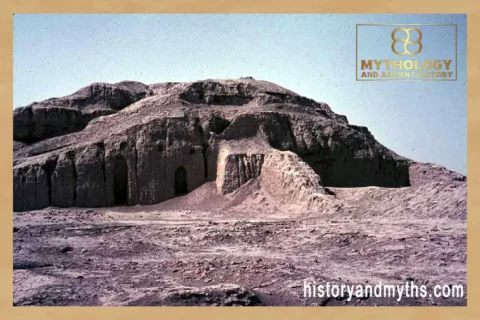
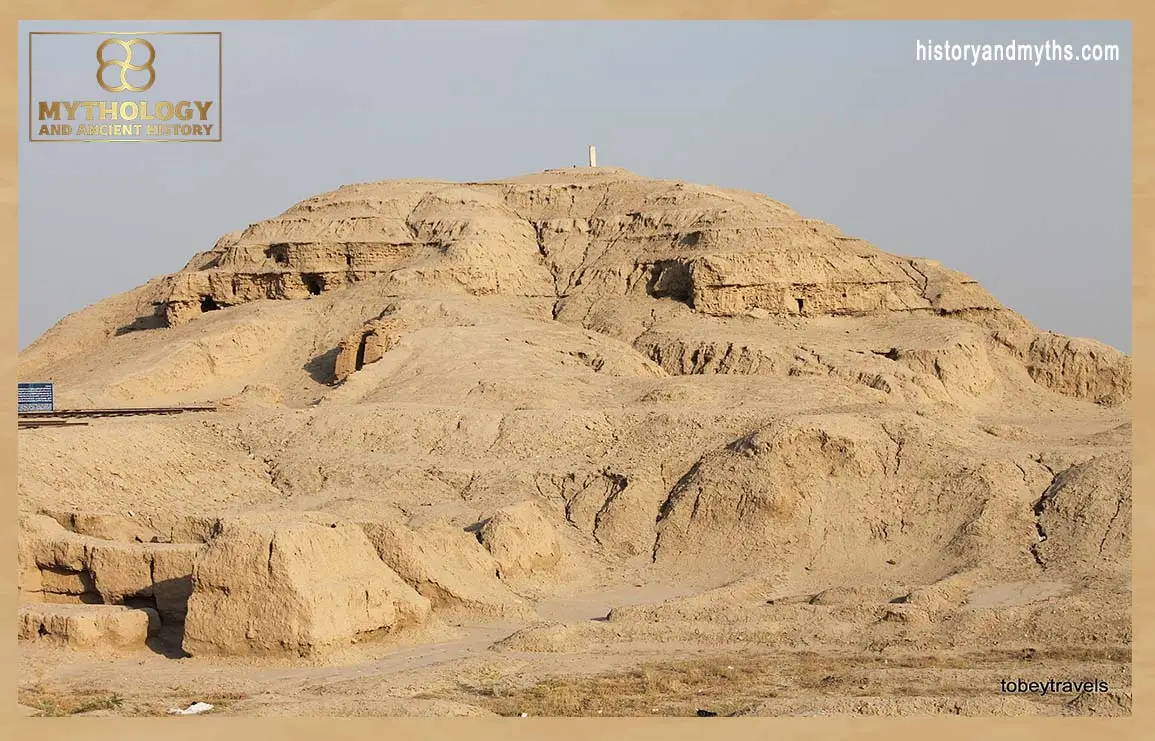
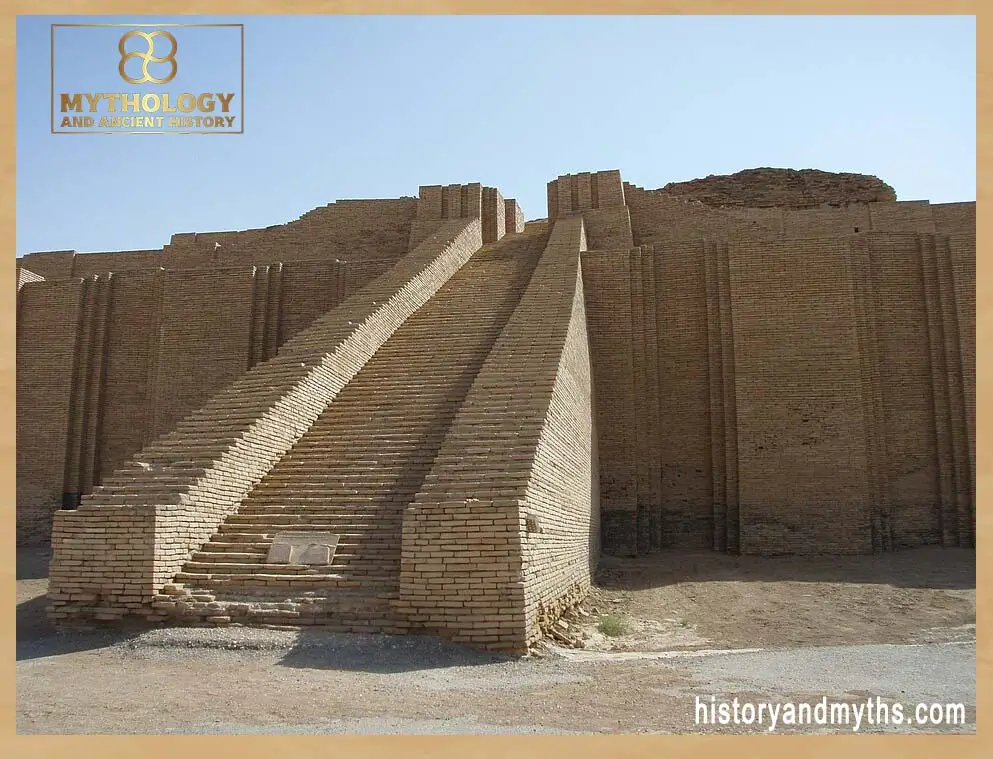
Ziggurats were the most visually dominant structures in Mesopotamian cities. Their stepped, towering form was designed to reshape the urban landscape and organize social perception around vertical hierarchy.
Rising above temples and houses, the ziggurat symbolized proximity to the divine realm. The higher the structure, the closer it appeared to heaven. This vertical logic reinforced the idea that gods and their representatives occupied elevated positions beyond ordinary society.
Access to upper levels was strictly limited. Only priests and selected officials could approach the summit shrine. Most inhabitants experienced the ziggurat only from below, reinforcing social distance and institutional authority.
Construction required enormous resources. Thousands of workers, vast quantities of brick, and centralized planning were necessary. Each completed ziggurat demonstrated the state’s ability to mobilize labor and control surplus.
Beyond religion, ziggurats functioned as political monuments. They made power visible across the city, embedding divine legitimacy into the skyline itself. Authority was not argued—it was physically imposed through height and scale.
How Architecture Produced Authority
- Controlled access to sacred and political spaces
- Separated elites from common citizens
- Displayed economic capacity
- Reinforced divine legitimacy
- Organized social hierarchy
- Normalized obedience through design
© historyandmyths.com — Educational use
Palaces and Royal Visibility
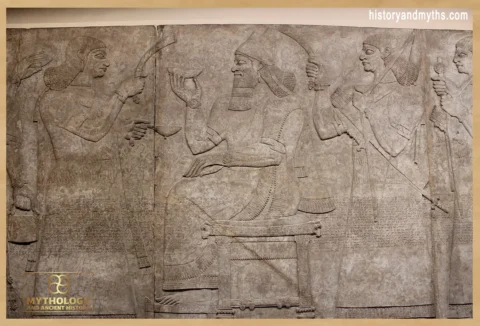
Palaces in Mesopotamia were designed to manage visibility, access, and authority. Unlike temples, which emphasized divine distance, palaces controlled how rulers were seen and approached.
Architectural layouts guided movement through courtyards, corridors, and throne rooms. Visitors progressed through increasingly restricted spaces, reinforcing hierarchy before any interaction with the king occurred.
Monumental entrances, decorated walls, and elevated platforms framed the ruler as a central figure of power. The palace became a stage where authority was performed and observed.
Administrative offices were embedded within palace complexes. This allowed political decisions, taxation, and military organization to operate under direct royal supervision. Architecture merged governance with presence.
Walls and gates regulated who could enter and where they could stand. Physical barriers replaced verbal commands, enforcing obedience through design.
Through controlled visibility and access, palaces transformed political authority into an everyday architectural experience.
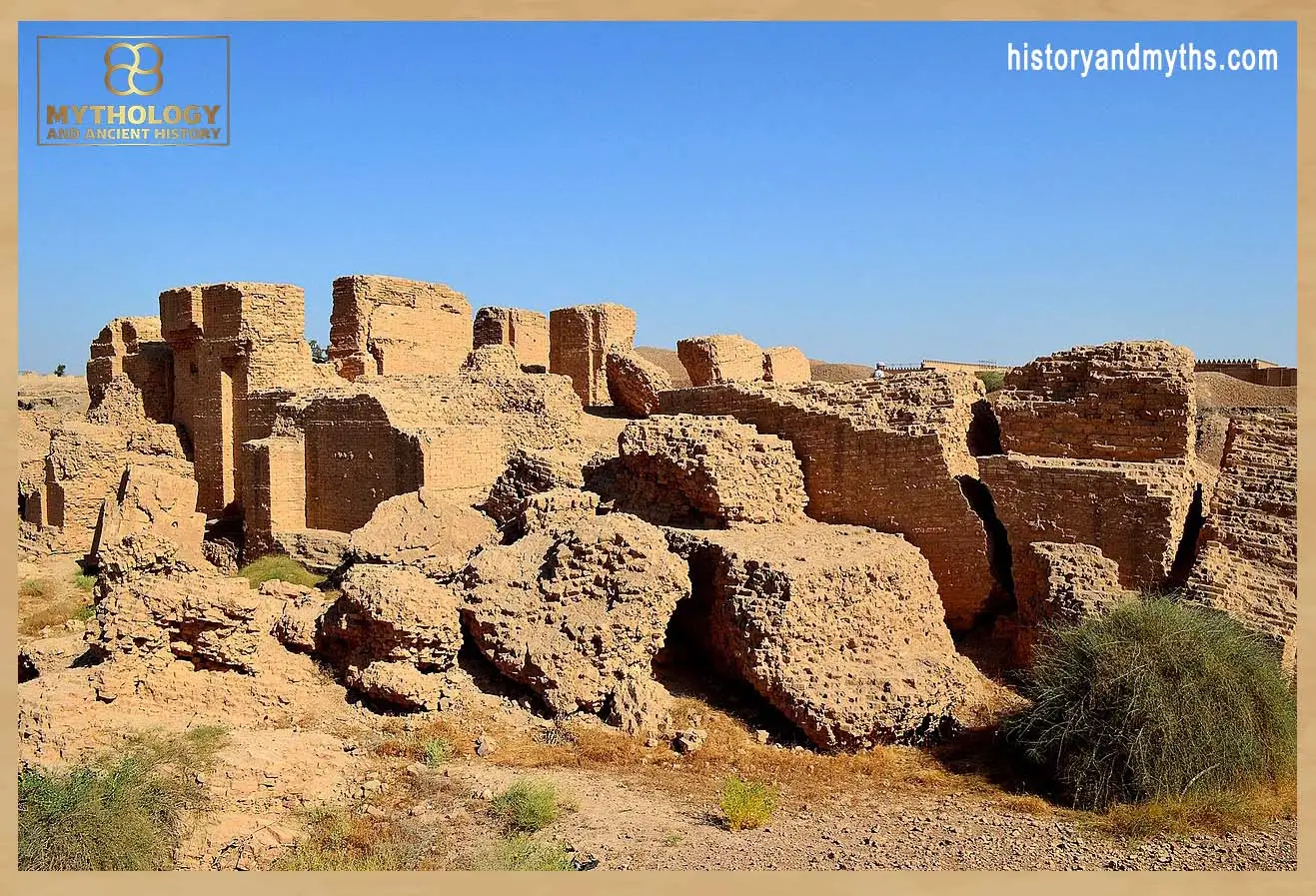
Gates, Walls, and Urban Control
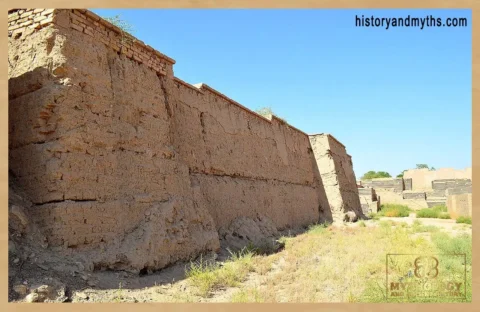
City walls and gates were not built only for military defense. They functioned as systems for regulating movement, surveillance, and economic exchange.
Walls defined the boundary between controlled urban space and the external world. Crossing them meant entering political and legal authority. Inside the walls, rules, taxation, and supervision applied. Outside, they did not.
Gates served as checkpoints. Goods, travelers, and officials passed through monitored entrances where taxes were collected and identities verified. Architecture therefore supported administrative regulation.
The design of gates emphasized power. Massive doors, towers, and relief decoration projected strength before any physical confrontation occurred. Security was communicated visually as much as physically.
Walls also organized social geography. Elite districts, temples, and palaces were often positioned near fortified zones, while poorer neighborhoods clustered at the margins. Spatial inequality reflected political hierarchy.
Through walls and gates, cities became controlled environments. Architecture transformed open settlement into managed territory.
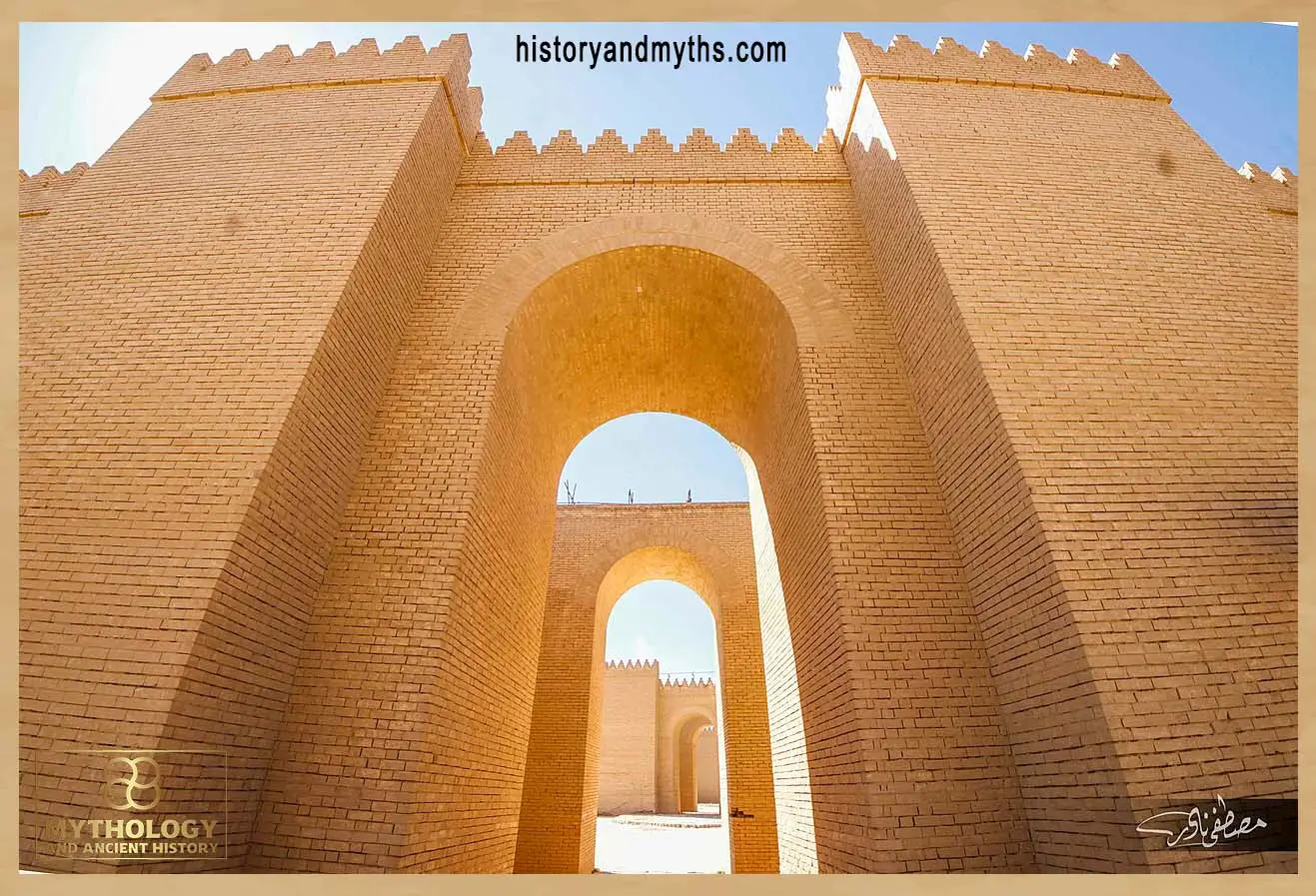
Architecture as Political Messaging
Mesopotamian architecture communicated authority without words. Buildings conveyed political messages through scale, placement, and permanence rather than inscriptions alone.
Monumental construction signaled stability. A massive temple or palace implied long-term control, organized labor, and access to resources. For the population, these structures made political power appear enduring and inevitable.
Architecture also framed memory. By rebuilding or restoring temples and city walls, rulers linked themselves to revered predecessors. Continuity was visually staged even during periods of political change.
Urban layouts reinforced obedience. Central monuments dominated sightlines, ensuring that divine and royal authority remained constantly visible. Daily movement through the city became a repeated encounter with power.
In times of crisis, construction intensified. New walls, gates, or monumental renovations were political responses aimed at reasserting control. Building became an act of governance.
Through architecture, authority was normalized. Power did not need constant enforcement—it was embedded into stone, brick, and urban space.
Continue Reading
From Monument to Meaning: The Legacy of Mesopotamian Architecture
Mesopotamian architecture did more than shape cities. It shaped perception, behavior, and political imagination. Through temples, ziggurats, palaces, and walls, authority was transformed into permanent physical reality.
These structures trained populations to associate height with divinity, enclosure with privilege, and monumentality with legitimacy. Power was learned through daily experience, not through ideology alone.
Even after political systems collapsed, their buildings continued to influence successors. Later empires in the Near East adopted similar strategies of architectural symbolism, using space and scale to reinforce control.
Modern archaeology reveals how deeply architecture structured ancient life. What survives is not merely ruins, but evidence of carefully engineered social order.
The legacy of Mesopotamian architecture lies in establishing a model where political authority, religious belief, and urban design became inseparable. Cities were not neutral environments—they were instruments of governance carved into landscape and memory.
Key Takeaways
- Architecture was a tool of governance.
- Temples combined religion and economy.
- Ziggurats symbolized divine hierarchy.
- Palaces structured political access.
- Gates regulated trade and movement.
- Urban design enforced obedience.
Frequently Asked Questions
Why were Mesopotamian buildings symbolic?
They expressed religious authority and political hierarchy.
What was the role of ziggurats?
They symbolized divine proximity and state power.
Were temples economic institutions?
Yes, they controlled land, labor, and storage.
How did palaces enforce authority?
Through controlled access and ceremonial spaces.
Why were city gates important?
They regulated taxation and movement.
Did architecture influence behavior?
Yes, it structured visibility and obedience.
Why is Mesopotamian architecture still relevant?
It shaped later imperial urban models.
Sources & Rights
- Frankfort, Henri. The Art and Architecture of the Ancient Orient.
- Kuhrt, Amélie. The Ancient Near East.
- Van De Mieroop, Marc. A History of the Ancient Near East.
- Bahrani, Zainab. The Graven Image.
- Oates, Joan. Babylon.
- Roaf, Michael. Cultural Atlas of Mesopotamia.
- Crawford, Harriet. Sumer and the Sumerians.
- Postgate, J. N. Early Mesopotamia.
- Pollock, Susan. Ancient Mesopotamia.
- Hallo, William. The Context of Scripture.
- Reade, Julian. Assyrian Sculpture.
- Winter, Irene. On Art in the Ancient Near East.
- British Museum Catalogues.
- Metropolitan Museum of Art Catalogues.
- Louvre Near Eastern Collections.
- Cambridge Ancient History.
- Oxford Handbook of Cuneiform Culture.
- Steinkeller, Piotr. Mesopotamian Institutions.
- Algaze, Guillermo. The Uruk World System.
- Michalowski, Piotr. Early Mesopotamian Urbanism.
Written by H. Moses — All rights reserved © Mythology and History