Crius: The Greek Titan of Constellations and Celestial Order
Among the shadowed ranks of the Titans, Crius stands as one of the quiet architects of the cosmos. He is a name that rarely crosses the lips of poets, yet…
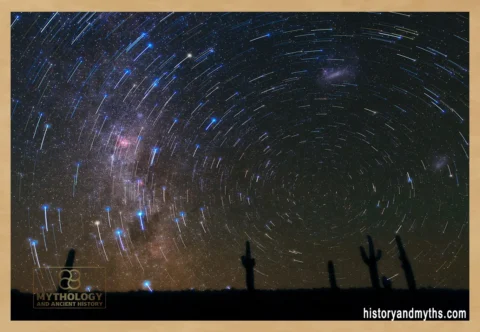
Among the shadowed ranks of the Titans, Crius stands as one of the quiet architects of the cosmos. He is a name that rarely crosses the lips of poets, yet…

In the vast tapestry of Greek cosmogony, Coeus stands as one of those quiet, almost forgotten Titans whose silence conceals meaning. While Zeus, Cronus, and Prometheus became the loud voices…
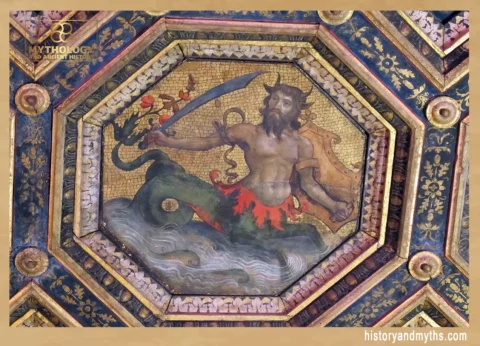
The Greeks often imagined the sea as a living paradox — serene and tender on its surface, yet infinite and unfathomable in its depths. From that eternal tension arose two…
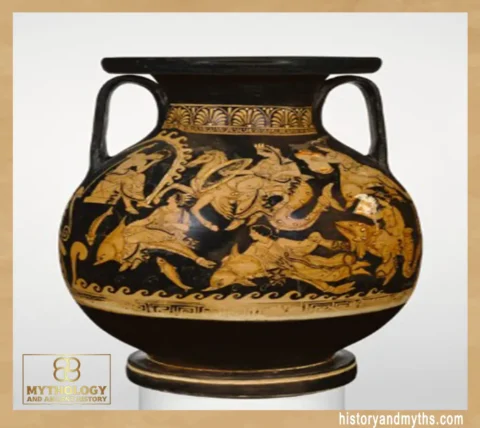
Before there was harmony in the sea, there was Delphin — the gentle envoy of Poseidon, a being neither fierce nor grand, yet powerful in persuasion. In a world ruled…
Before the Olympians raised their thrones in the clouds, the mountains themselves were already divine. To the early Greeks, the peaks that pierced the horizon were not mere stone and…
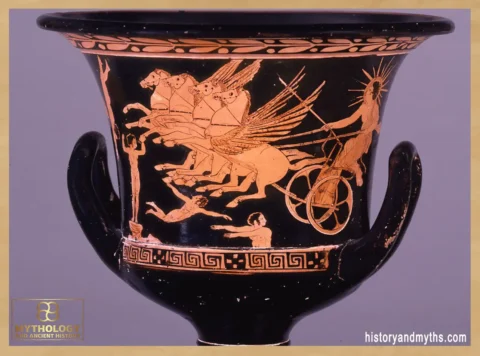
Before astronomy became a science, it was a form of worship. To the ancient Greeks, the night sky was alive — a breathing, glittering body of divine intelligence. Every wandering…
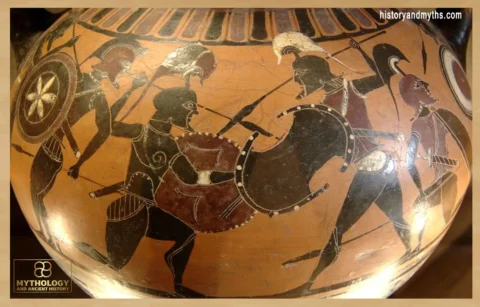
In the first age of gods, before Olympus rose to order the heavens, war was not yet chaos — it was craft. Among the elder Titans who shaped the foundations…
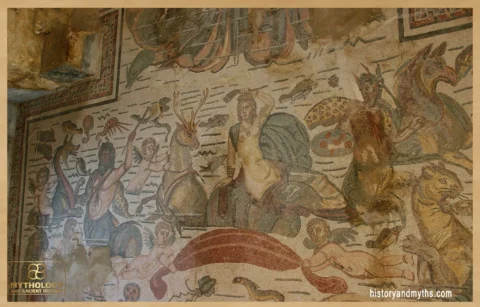
She sits at the margins of the Greek pantheon like a hush before a prophecy—ancient, spare, and half-remembered. Dione is not a goddess of thunderbolts or stratagems; she is the…
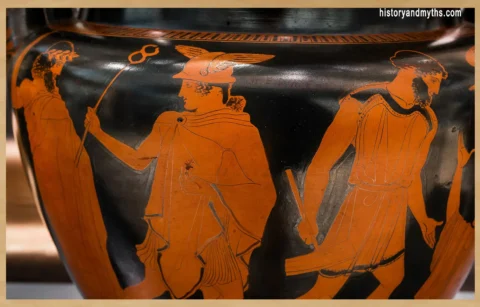
In the shadow of his brother Prometheus—the bringer of fire and foresight—stood Epimetheus, the Titan who looked back only after the deed was done. His name itself means “afterthought,” and…
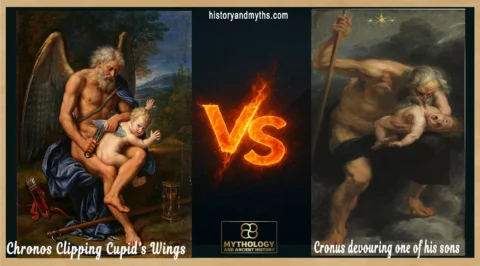
In the beginning, before the Olympians ruled the heavens, two names echoed through Greek thought — Cronus and Chronos. Both were ancient, both mysterious, and over time, they merged into…
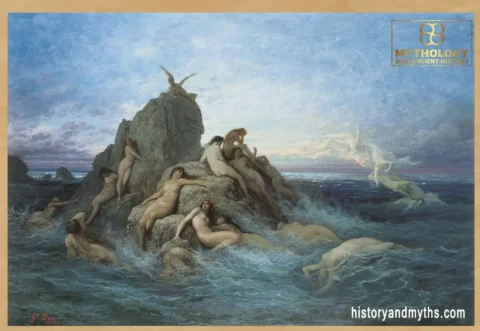
Before the Greeks named their seas and rivers, they imagined a boundless current circling the world—Oceanus—and a nurturing power that sent fresh waters through the earth—Tethys. From this vast union…
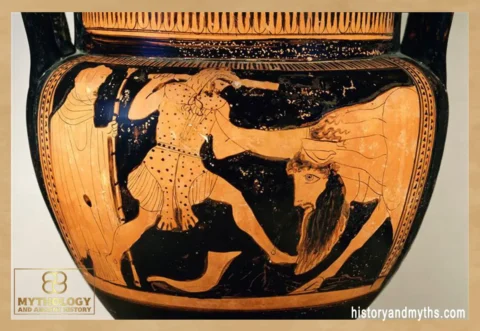
In the world of ancient Greece, rivers were more than water — they were living forces that shaped the land and the lives of those who dwelled beside them. Every…
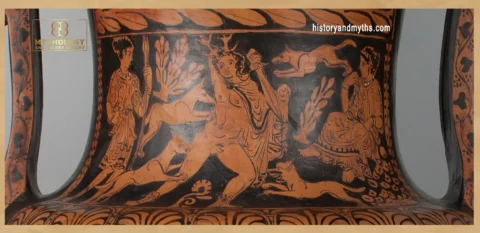
In ancient Greece, water was not simply a necessity — it was a living presence. To a civilization born among mountains, valleys, and islands, the sound of flowing springs and…
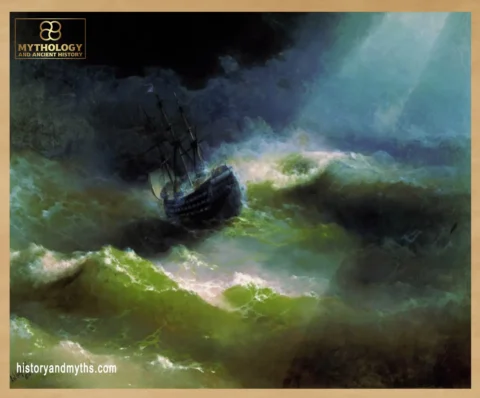
The sea was never gentle to the Greeks. It was both cradle and grave, a force that nourished life yet punished arrogance. Among the countless spirits that haunted its depths,…
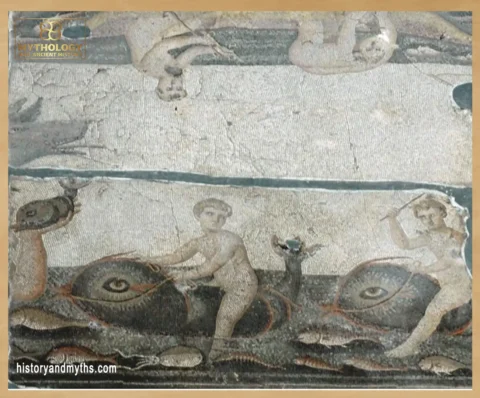
In the shimmering hush before dawn, when the sea is neither storm nor stillness but a quiet threshold, a child once rode a dolphin from the brink of despair into…
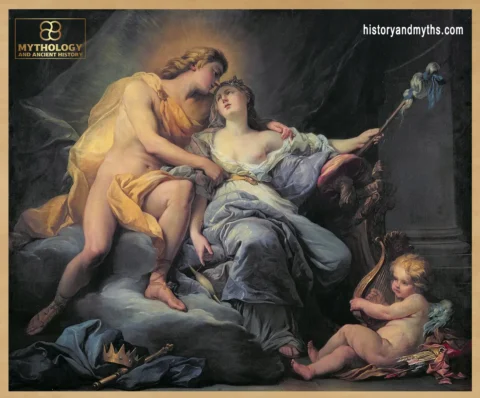
Before the sea became a realm of fear and mystery, the Greeks imagined it as a place of mercy — a mirror of both ruin and redemption. Among its divinities,…
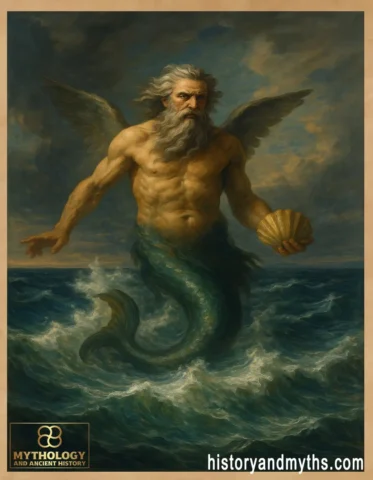
Thaumas is a minor Greek sea god associated with wonders and sea marvels, best known as the father of Iris (the rainbow messenger) and, in some traditions, the Harpies. He…
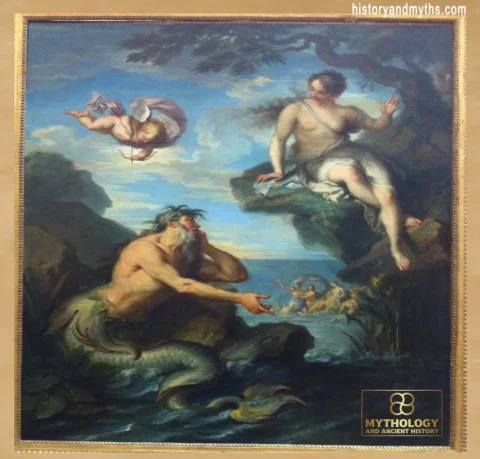
Long before the sea claimed him, Glaucus lived as a solitary fisherman along the rocky shores of Boeotia. His life followed the rhythm of the waves — days spent wrestling…
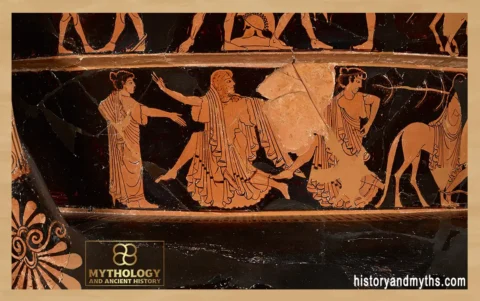
In the vast and glittering family of Greek sea deities, few names shimmer as softly as Doris. She was not a tempest goddess nor a mighty Olympian, but a quiet…
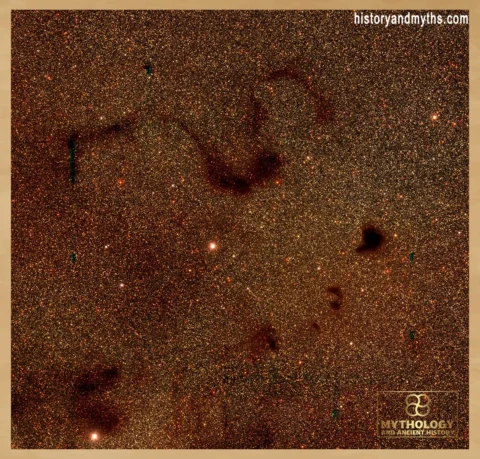
Before the reign of Cronus and the rise of the Olympians, the cosmos was ruled by two ancient beings — Ophion, the Serpent Titan, and Eurynome, the goddess of the…