Silenus in Greek Mythology: The Wise Drunk Who Taught God Dionysus
Silenus is the kind of figure people think they understand at first glance: an old satyr with a wine cup in hand, swaying beside Dionysus and laughing a little too…
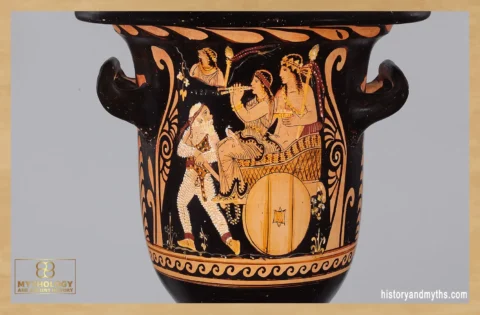
Silenus is the kind of figure people think they understand at first glance: an old satyr with a wine cup in hand, swaying beside Dionysus and laughing a little too…
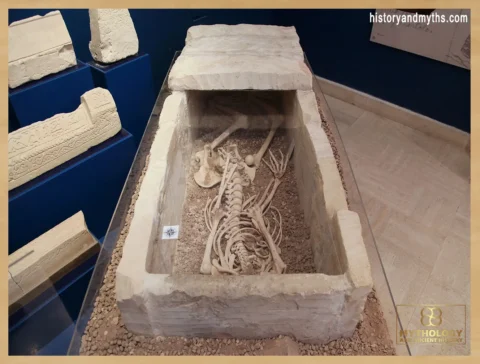
Eurynomos is one of those figures in Greek mythology that appears almost like a shadow—seen once, mentioned briefly, and then left to linger in the imagination. He is not a…

Phlegethon was not imagined as a river that one merely saw — it was a river one felt. Long before flames became symbols of punishment, the ancient mind understood fire…

Cocytus was never merely described as a river. In the imagination of the ancient world, it was a sound before it was a place—a long, unbroken cry echoing through the…

To the Greeks, a river was never just water. It could be a boundary the living learned to fear, a hush cutting through dark gorges where sound seemed swallowed by…
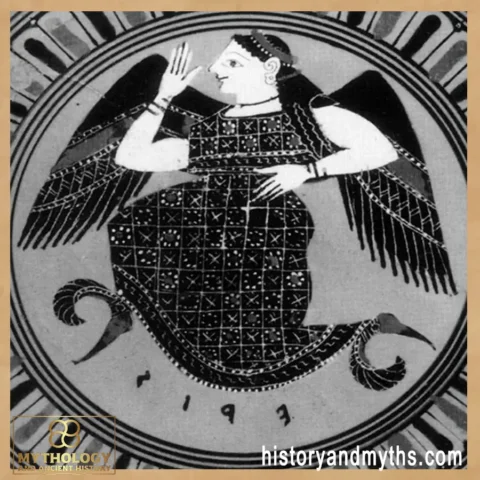
In the ancient Greek world, a spoken oath was more than a promise — it was a binding thread between the mortal tongue and the divine order that governed the…
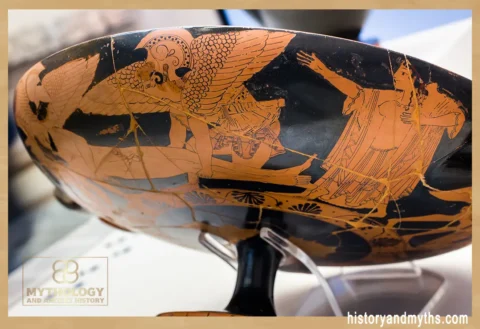
The Greeks did not believe that dreams were random flickers of the sleeping mind. To them, dreams were visitors—messages that crossed the fragile boundary between worlds. In the silent hours…
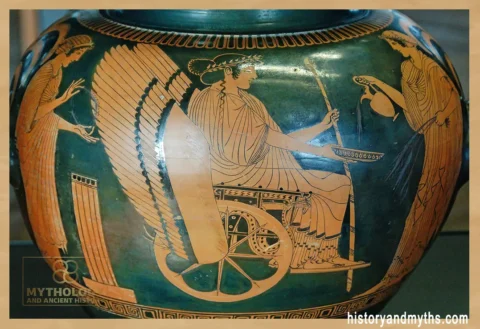
There are goddesses in Greek myth whose stories are told again and again, carved into the memory of culture through drama and legend. And then there is Persephone — a…
Night in ancient Greece was never merely the absence of daylight. To the mystics, poets, and initiates who whispered hymns beneath the moon’s pale veil, the night was a threshold…
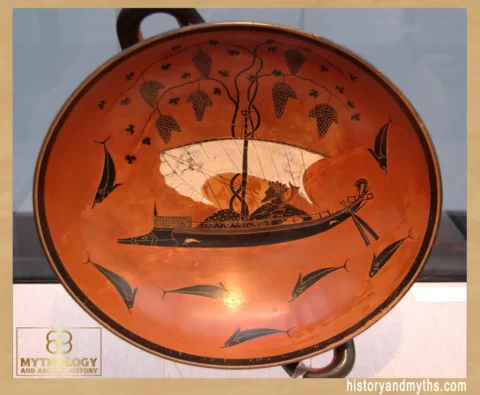
In the dark heart of the ancient Greek imagination, there is a story that refuses to stay buried—a tale of a god who knew death not as an end, but…
In the silent kingdom beneath the earth, where shadows walk without sound and the memories of the living fade like dust, the Greeks imagined a hidden mercy — a gentle…
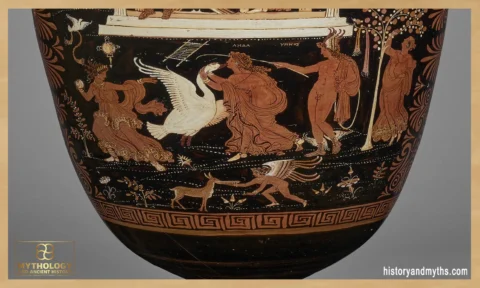
The Greeks believed that memory is what makes a life worth living — and forgetting is what allows life to begin again. At the edge of the underworld, where the…
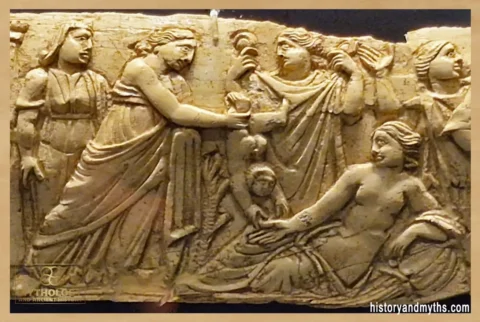
Long before the gods of Olympus ruled the sky, the Greeks imagined the world as a place held together by forces older than law or love. Among those powers was…
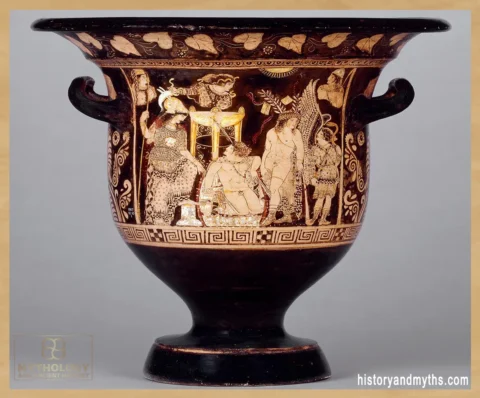
Long before laws were carved into stone, people believed that the earth itself could feel every crime. From that living ground came the Erinyes — ancient beings who did not…
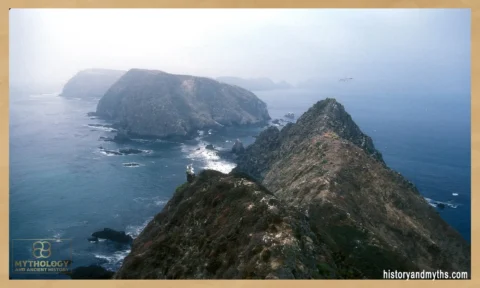
In the shimmering margins of the Greek seas, where land meets water in silent testament, there dwells a myth seldom told with full voice: that of the Nesoi — the…
Before the familiar gods of Olympus rose to rule the skies and seas, the ancient Greeks imagined a far deeper layer of being—one that was fluid, formless, and eternal. Among…

In the stillness between breath and wind, Lelantos moves unseen — the Titan whose power is not declared but whispered. He is the breath behind the forest’s sigh, the shadow…

Among the children of Crius and Eurybia, Perses stands apart as the embodiment of destruction with a purpose. While his brothers Astraeus and Pallas governed the stars and the disciplined…
In the lineage of the Titans, Menoetius stands out not for heroic deeds but for a single, searing trait: unbridled force that courts its own ruin. His name whispers his…

Before the Olympians ruled the seas and skies, there was Eurybia — a presence felt more than seen. Her power was not the tempest that breaks ships, but the calm…