Greek Democracy Explained: How Athenian Democracy Worked
Ancient Greek democracy did not resemble modern representative systems. In the city-state of Athens, political decisions were made directly by citizens rather than by elected officials. Adult male citizens gathered in public assemblies, debated policies, voted on laws, and served on juries that decided legal disputes. Government was therefore not controlled by a permanent ruling class but by ordinary citizens participating in civic institutions.
This system developed gradually during the sixth and fifth centuries BCE as political reforms expanded the role of citizens in public life. Although participation was limited to a portion of the population—excluding women, enslaved people, and foreign residents—the institutions created in Athens formed one of the earliest known experiments in collective political decision-making. Understanding how this system worked helps explain both the political culture of the Greek city-state and the historical origins of democratic government.
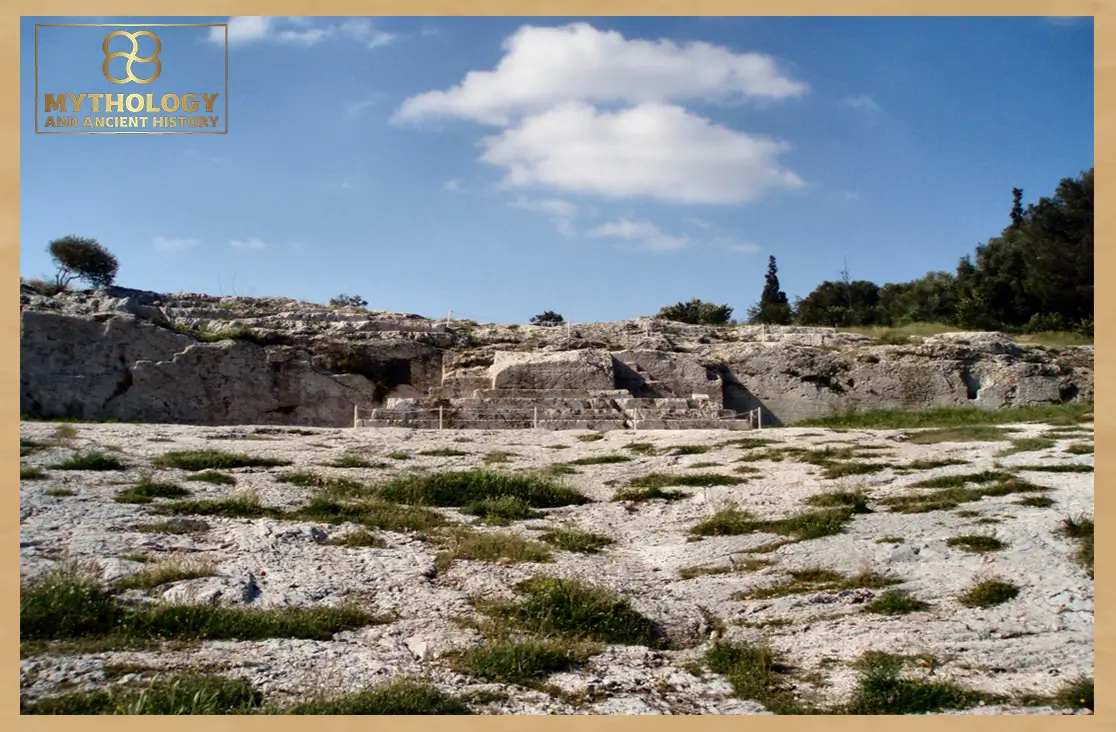
What Was Greek Democracy?
Greek democracy referred primarily to the political system that developed in Athens during the fifth century BCE. Unlike modern democratic states where citizens elect representatives, Athenian democracy operated through direct participation. Citizens themselves met in public assemblies, debated policies, voted on laws, and decided matters of war, taxation, and diplomacy. Political authority therefore rested not with a monarch or aristocratic council but with the collective body of citizens.
The system functioned through several institutions that organized this participation. The Assembly (Ekklesia) served as the main decision-making body where citizens gathered regularly to vote on legislation and major state actions. A smaller administrative council known as the Boule, composed of 500 citizens chosen by lot, prepared legislation and supervised government business. Legal disputes and political trials were handled in large citizen courts, where juries of ordinary citizens delivered verdicts.
This structure reflected a fundamental principle of Athenian political culture: citizens were expected to take an active role in governing their community. Public service in assemblies, councils, and courts was considered a civic duty rather than a specialized profession. Because of this emphasis on participation, the Athenian system became one of the earliest historical examples of organized democratic governance within the framework of the Greek city-state.
Athenian Democracy at a Glance
| Feature | Description |
|---|---|
| Political System | Direct democracy practiced primarily in Athens |
| Main Decision Body | The Assembly (Ekklesia) |
| Administrative Council | Council of 500 (Boule) |
| Legal System | Citizen juries in large public courts |
| Participation | Adult male citizens only |
| Selection of Officials | Many offices filled by lottery |
| Peak Period | 5th century BCE (Classical Athens) |
How Democracy Developed in Athens
Athenian democracy did not appear suddenly. It emerged through a series of political reforms during the sixth and early fifth centuries BCE that gradually weakened aristocratic control and expanded the role of ordinary citizens in government. These reforms transformed the political structure of the city-state of Athens from an oligarchic system dominated by noble families into a broader civic order in which citizens participated more directly in public decision-making.
One of the earliest turning points came with the reforms of Solon in the early sixth century BCE. Solon reorganized the political system by reducing the power of aristocratic clans and introducing new institutions that allowed wider participation among citizens. His reforms also addressed economic tensions that threatened social stability within the polis.
Several decades later, further changes were introduced by Cleisthenes, whose reforms at the end of the sixth century BCE reorganized the political structure of Athens. He reshaped the citizen body into new administrative groups and established the Council of 500, a governing body that prepared legislation and managed public administration. These measures strengthened the role of ordinary citizens in political life.
During the fifth century BCE, the system expanded further under leaders such as Pericles. Public offices increasingly became accessible to a wider group of citizens, and participation in assemblies, councils, and courts became a central feature of civic life. By this period, Athens had developed a functioning democratic system in which citizens played a direct role in governing their city-state.

Who Could Participate in Athenian Democracy?
Participation in Athenian democracy was limited to a defined group within society. Political rights belonged only to adult male citizens born to citizen families in Athens. These citizens could attend the Assembly, vote on laws, hold public offices, and serve on juries in the city’s courts. Civic participation was considered both a political right and a public responsibility.
A large portion of the population, however, had no political rights. Women, enslaved people, and resident foreigners (metics) lived within the city but could not participate in political institutions. As a result, the democratic system involved only a minority of the total population. Despite this limitation, within the citizen body the principle of political equality—often described by the Greek concept isonomia, meaning equality before the law—formed the basis of Athenian democratic practice.
The Assembly: The Center of Athenian Political Power
The central institution of Athenian democracy was the Assembly, known in Greek as the Ekklesia. This gathering brought together citizens of Athens to debate and decide the major issues facing the city. Meetings were held regularly, and any eligible citizen could speak, propose measures, or vote on decisions that affected the state.
The Assembly had wide authority. It voted on laws, approved military campaigns, decided matters of diplomacy, and supervised public officials. Decisions were usually made by a show of hands, with the majority determining the outcome. Because participation was open to all citizens, the Assembly represented the most direct expression of political power within the Athenian system.
Although thousands of citizens could attend, the meetings followed organized procedures. Agendas were prepared in advance, debates took place before voting, and speakers addressed the gathering in turn. Through this institution, political authority rested not with a small elite but with the collective decisions of the citizen body.
Core Institutions of Greek Democracy
- The Assembly (Ekklesia) – the main gathering where citizens debated and voted on laws and policies.
- The Council of 500 (Boule) – administrative body preparing legislation and supervising state business.
- Citizen Courts – large juries chosen from citizens to decide legal and political cases.
- Public Debate – open political discussion formed a central element of civic life.
- Rotation of Office – many positions were temporary to prevent permanent political elites.
© historyandmyths.com — Educational use
The Council of 500 and Daily Administration
While the Assembly made major political decisions, the routine work of government was managed by the Council of 500, known as the Boule. This body played a central administrative role in the democratic system of Athens. Its members were chosen by lot each year from the citizen population, a method intended to prevent permanent political elites from dominating the government.
The Council prepared legislation before it reached the Assembly, organized meeting agendas, supervised public officials, and managed aspects of the city’s finances and foreign relations. By handling these practical responsibilities, the Boule ensured that the democratic system could function efficiently while still leaving final decisions to the citizen body gathered in the Assembly.
Membership in the Council was considered an important form of civic service. Because citizens served for limited terms and were selected by lot, many individuals had the opportunity to participate directly in the administration of the state during their lifetime.
Courts and Citizen Juries
Justice in democratic Athens was administered through large public courts in which ordinary citizens served as jurors. These courts formed an essential part of the political system of Athens because legal decisions were placed in the hands of the citizen body rather than professional judges.
Jurors were selected by lot from eligible citizens each year and were assigned to different courts depending on the case. Some trials involved several hundred jurors, while major political cases could include even larger panels. After hearing speeches from both sides, the jurors voted to determine the verdict and, in some cases, the punishment.
This system reinforced the democratic principle that authority should remain with the citizens themselves. By participating in the courts, Athenians were not only resolving legal disputes but also exercising a form of political power, since trials could involve public officials, policies, or matters affecting the wider community.
Strengths and Limits of Greek Democracy
Athenian democracy introduced a political system in which citizens could participate directly in governing their community. In the city-state of Athens, major decisions about laws, war, and public policy were debated openly in the Assembly, and citizens could serve in councils, courts, and administrative offices. This level of civic involvement encouraged political awareness and created a strong connection between citizens and the institutions that governed their city.
At the same time, the system had clear limitations. Political rights were restricted to a relatively small portion of the population—adult male citizens. Women, enslaved people, and resident foreigners formed the majority of the inhabitants of Athens but had no direct role in political decision-making. As a result, the democratic system operated within a narrow civic body rather than the entire population.
Despite these limitations, the institutions created in Athens represented one of the earliest attempts to organize government around the principle of citizen participation. The structure of assemblies, councils, and citizen courts demonstrated that political authority could function through collective decision-making rather than hereditary rule or permanent elites.
Continue Reading
Democracy and the Greek City-State System
Athenian democracy cannot be understood apart from the structure of the Greek city-state. The political system that developed in Athens depended on the scale and organization of the polis. Because the citizen population was relatively small and concentrated within a defined territory, citizens could gather in assemblies, participate in courts, and take part directly in public decision-making.
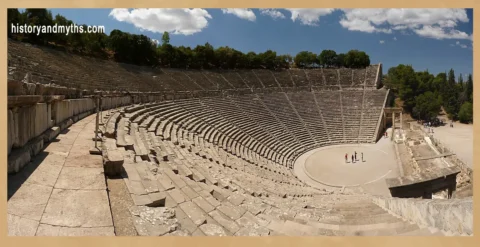
The institutions of democracy were therefore closely tied to the civic framework of the city-state. Political participation occurred in shared public spaces such as the agora and assembly areas, where citizens met to debate policies and vote on state matters. The system relied on personal involvement rather than distant representation, something that was possible only within the compact political community of the polis.
For this reason, democracy did not spread uniformly across the Greek world. While several city-states experimented with broader citizen participation, the most developed democratic institutions emerged in Athens. In other poleis, different political systems—such as oligarchies or mixed constitutions—remained dominant. Even so, the democratic experiment of Athens became one of the most influential political developments of the classical Greek period.
Why Greek Democracy Still Matters
The democratic system developed in Athens did not resemble modern democratic states, yet it introduced several ideas that later political systems would adopt and adapt. The principle that citizens could participate directly in public decisions, debate laws openly, and hold officials accountable became a lasting element in the history of political thought.
Greek democracy also demonstrated that government could function without a permanent ruling elite. Institutions such as citizen assemblies, juries chosen by lot, and rotating public offices reflected the belief that political authority should belong to the community rather than to a single ruler or aristocratic group.
Although the Athenian system excluded much of the population, the experiment with citizen governance influenced later political traditions in the Mediterranean and eventually in modern democratic theory. For this reason, the institutions created in classical Athens remain an important reference point in the historical development of democratic ideas.
Key Takeaways
- Greek democracy developed primarily in Athens during the 6th and 5th centuries BCE.
- The system operated as a direct democracy where citizens voted on laws and policies.
- The Assembly served as the central decision-making institution.
- The Council of 500 managed administrative tasks and prepared legislation.
- Large citizen juries handled legal disputes and political trials.
- Participation was limited to adult male citizens.
- The democratic system functioned within the framework of the Greek city-state.
Frequently Asked Questions
What was Greek democracy?
Greek democracy was a political system in which citizens participated directly in government decisions, especially in Athens.
Where did Greek democracy develop?
The most developed form of Greek democracy emerged in the city-state of Athens during the 5th century BCE.
Who could participate in Athenian democracy?
Participation was limited to adult male citizens born to Athenian parents.
What was the Assembly in Athens?
The Assembly was the main political gathering where citizens debated policies and voted on laws.
What was the Council of 500?
The Council of 500 was an administrative body that prepared legislation and supervised daily government affairs.
Did Greek democracy include everyone?
No. Women, enslaved people, and foreign residents were excluded from political participation.
Why is Greek democracy historically important?
It represents one of the earliest experiments in citizen-based political decision-making.
Sources & Rights
-
- Encyclopaedia Britannica — Ancient Greek Democracy.
- Encyclopaedia Britannica — Athens.
- World History Encyclopedia — Athenian Democracy.
- World History Encyclopedia — Greek Government.
- Oxford Classical Dictionary.
- Mogens Herman Hansen — The Athenian Democracy in the Age of Demosthenes.
- Josiah Ober — Democracy and Knowledge.
- Paul Cartledge — Ancient Greece: A History in Eleven Cities.
- Sarah B. Pomeroy — Ancient Greece: A Political, Social, and Cultural History.
- Donald Kagan — Pericles of Athens.
- Cambridge Ancient History — Volume V.
- Robin Osborne — Greece in the Making.
- Victor Ehrenberg — The Greek State.
- Peter Rhodes — A History of the Classical Greek World.
- Thomas Martin — Ancient Greece.
- Walter Scheidel — The Cambridge Economic History of the Greco-Roman World.
- Ian Morris — The Rise of the Greek City-States.
- Christopher Blackwell — Athenian Democracy: A Sourcebook.
- Oxford University Press — Classical Greece Studies.
Written by H. Moses — All rights reserved © Mythology and History.