Agricultural Greek Cities and Their Farming Economy
Agricultural Greek cities developed around fertile land, food production, and rural labor systems that supported urban stability and long-term economic survival. Cities located near productive plains and farming regions depended heavily on agriculture to maintain population growth, economic continuity, and political strength within the Greek world.
These cities were shaped by more than farming alone. Control of land, harvest systems, labor organization, and access to agricultural resources influenced social hierarchy, political authority, and regional influence across many Greek communities. In places such as Sparta, Thessaly, and Boeotia, agriculture became closely tied to how cities organized power, supported populations, and maintained long-term stability.
What Made a Greek City Agricultural?
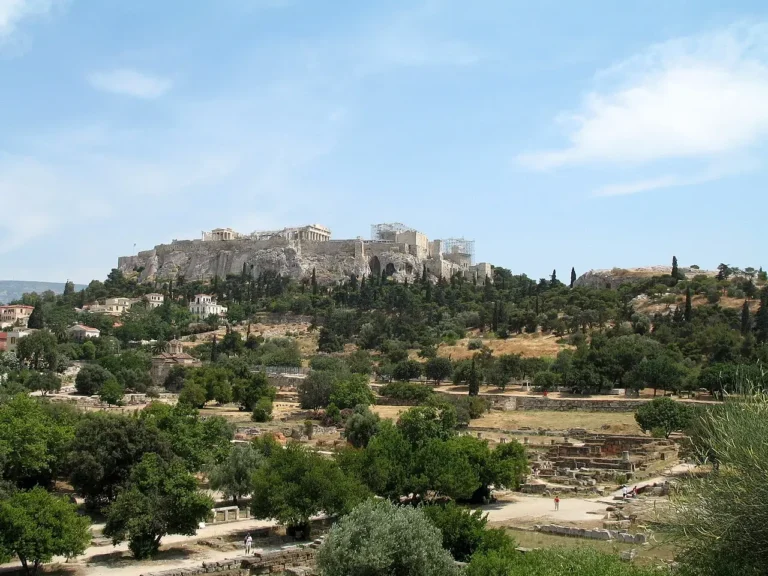
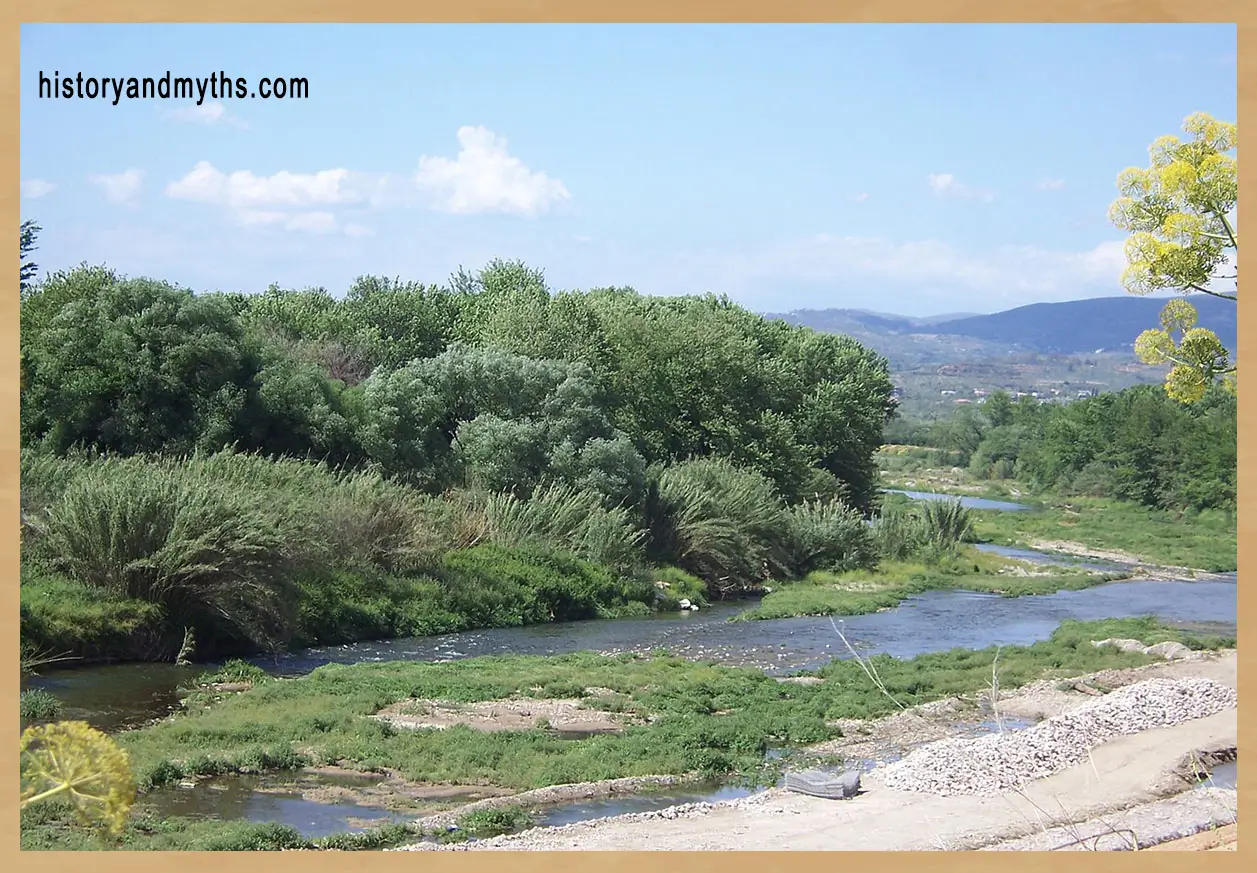
Agricultural Greek cities developed in regions where fertile land, stable harvests, and access to farming resources supported long-term urban growth and population stability. These cities depended heavily on surrounding countryside production because agriculture supplied food, labor, and economic continuity necessary for sustaining urban life.
Land ownership and territorial control also played a major role in shaping these communities. Cities closely tied to productive farmland often organized political authority, social hierarchy, and economic systems around agricultural production and the management of rural resources.
Unlike coastal cities centered on maritime exchange, agricultural cities relied primarily on the strength of nearby farming networks and the ability of local land systems to maintain stability over time.
Agricultural Greek Cities
| Agricultural City Feature | Impact on Urban Stability |
|---|---|
| Fertile Farmland | Supported population growth and food security |
| Land Ownership | Strengthened political and economic authority |
| Rural Labor Systems | Maintained cultivation and harvest organization |
| Agricultural Surplus | Supported trade, taxation, and long-term resilience |
| Food Production Networks | Connected countryside systems to urban survival |
Farmland and Urban Stability
Agricultural production supported the stability of many Greek cities by providing reliable food supplies necessary for population growth, military organization, and long-term economic continuity. Cities connected to productive plains or fertile territories could sustain larger populations and reduce dependence on imported resources during periods of instability.
Control of farmland also strengthened political authority because access to grain, olive production, and rural resources influenced wealth distribution and social power inside many Greek communities. Urban stability therefore depended heavily on maintaining productive agricultural systems in the surrounding countryside.
Harvest success affected nearly every part of city life. Poor agricultural conditions could weaken food security, disrupt labor systems, and increase pressure on political leadership responsible for managing land and resources.
Sparta and Agricultural Control
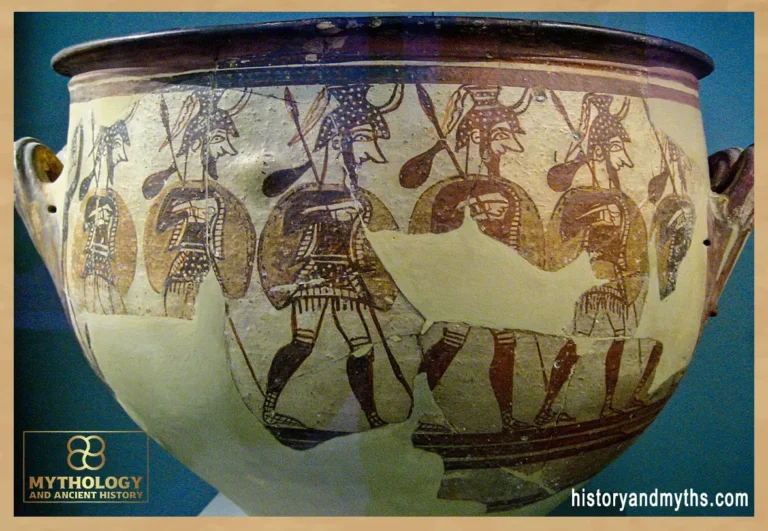
Sparta depended heavily on agricultural control because its political and military system relied on the production of farmland worked by the helot population. Control over fertile territory allowed the Spartan state to support its warrior structure without requiring large-scale commercial dependence like many coastal Greek cities.
Agriculture therefore became central to Spartan stability and social organization. Land distribution, food production, and rural labor systems shaped the balance of power inside Spartan society and influenced how the city maintained long-term military readiness.
This dependence on agricultural control also made territorial security especially important. Protecting productive land and maintaining authority over rural populations became essential parts of Spartan political survival.
Olive Oil, Grain, and Regional Production
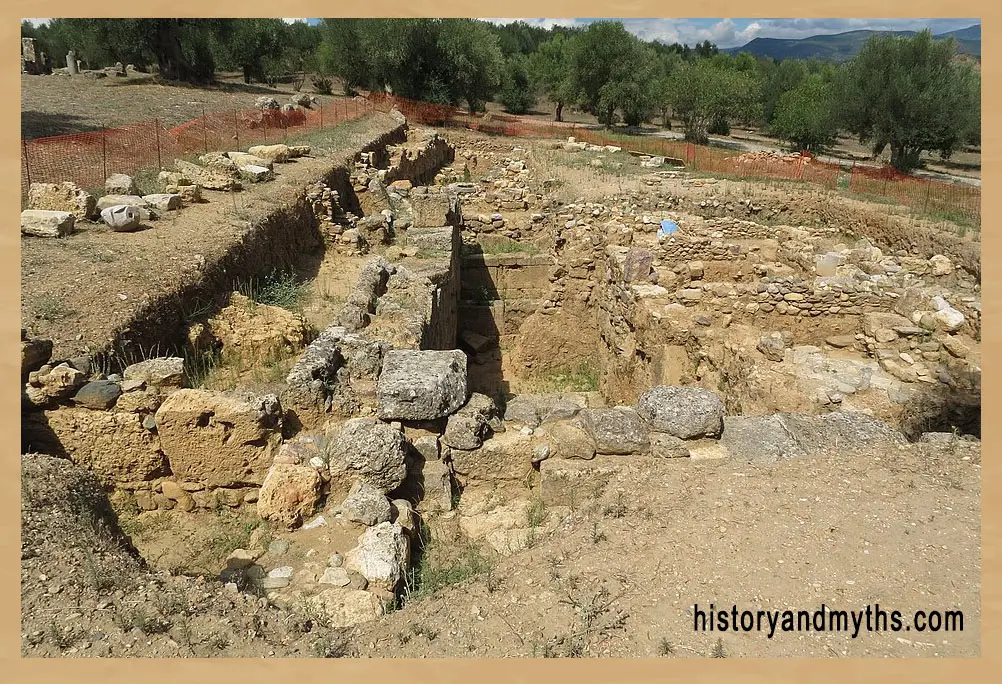
Agricultural cities often became economically important because surrounding farmland supported large-scale production of grain, olives, wine, and other resources tied to regional survival and exchange. Productive territories strengthened urban influence by supplying food, trade goods, and agricultural wealth that supported both local populations and wider economic activity.
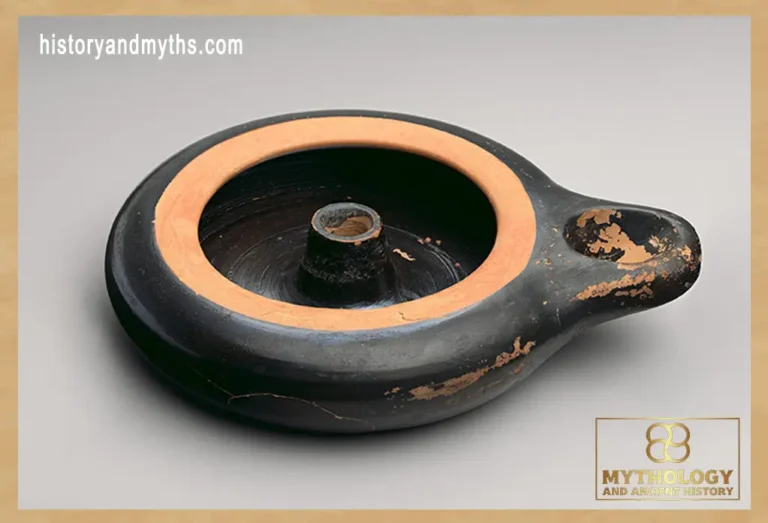
Olive oil and grain were especially significant because they connected agricultural production to storage, transport, taxation, and regional commerce. Cities located near fertile plains or stable farming zones could develop stronger economic resilience than communities dependent on limited local resources.
Regional specialization also shaped differences between Greek agricultural centers. Some cities became closely associated with grain production and food supply, while others gained influence through olive cultivation or mixed agricultural output connected to surrounding rural networks.
Rural Labor and Agricultural Organization
Agricultural cities depended on organized rural labor systems capable of maintaining cultivation, harvest collection, storage, and long-term food production across surrounding territories. Farmers, laborers, tenants, and dependent rural populations formed the foundation of agricultural economies that supported urban stability.
Seasonal agricultural work also shaped the relationship between cities and countryside communities. Planting cycles, harvest periods, and land management required coordination between urban authorities and rural production networks connected to nearby farmland.
In many regions, agricultural organization reinforced social hierarchy because landowners and political elites often controlled access to productive territory and rural labor. Economic influence therefore remained closely tied to the management of land and agricultural output.
Land and Food Sustained Greek Urban Power
Some Greek cities developed around fertile farmland, rural labor systems, and stable food production that supported long-term urban survival. Agricultural control shaped political authority, economic resilience, and population stability across many regions of the Greek world.
© historyandmyths.com — Educational use
Why Agricultural Cities Were Politically Important
Agricultural cities gained political importance because control of fertile land and food production directly affected population stability, military support, and regional influence. Cities capable of maintaining reliable agricultural output often held stronger long-term authority than communities dependent on unstable external supplies.
Land ownership also influenced political power inside many Greek societies. Wealthy landholders frequently held greater influence because agricultural resources shaped taxation, military obligations, and economic control across rural territories connected to the city.
Food security further increased the strategic value of agricultural regions during periods of conflict or instability. Cities able to protect productive farmland and maintain stable harvest systems possessed important advantages within the competitive political landscape of the Greek world.
Risks Faced by Agricultural Cities
Agricultural cities faced constant vulnerability because food production depended heavily on climate conditions, harvest stability, and the protection of rural territory. Drought, soil exhaustion, flooding, or crop failure could weaken economic stability and place immediate pressure on urban populations dependent on local agricultural output.
Warfare also threatened agricultural systems directly. Raids, territorial invasion, and destruction of farmland could disrupt harvest cycles and damage the rural infrastructure necessary for maintaining long-term food production.
Dependence on surrounding countryside networks created additional political risk because instability in rural regions often affected taxation, labor organization, and food supply inside the city itself.
How Agriculture Shaped Urban Identity
Agriculture shaped the identity of many Greek cities by making land ownership, food production, and rural stability central parts of political and economic life. Some communities became known less for maritime trade or intellectual influence and more for their connection to fertile territory and agricultural control.
This land-centered identity influenced social organization and public priorities inside agricultural regions. Rural production, harvest security, and control of farmland often carried greater importance than coastal commerce or naval expansion in cities dependent on surrounding agricultural systems.
Over time, agricultural foundations helped distinguish certain Greek cities from commercial and maritime centers by tying their long-term stability and regional influence directly to the management of land and food resources.
Agricultural Cities and Population Support
Agricultural production allowed certain Greek cities to sustain larger populations by maintaining stable access to food and rural resources connected to surrounding farmland. Urban growth depended heavily on the ability of nearby agricultural systems to provide grain, olive oil, livestock, and other essentials required for daily life.
Population support also increased the strategic importance of fertile territories because cities capable of sustaining long-term demographic stability often possessed stronger economic resilience and military endurance than regions dependent on uncertain imports.
In many agricultural centers, the relationship between countryside production and urban survival remained inseparable. Food supply networks connected rural labor directly to the stability of the city and the continuity of political authority.
Agricultural Surplus and Economic Influence
Agricultural surplus increased the influence of some Greek cities by creating reserves of food and resources that could support trade, taxation, military supply, and political authority. Cities controlling productive agricultural regions often gained stronger economic flexibility because surplus production reduced vulnerability during periods of instability.
Excess agricultural output also supported broader urban activity beyond basic survival. Storage systems, transport networks, and regional exchange became easier to maintain when harvests consistently exceeded immediate local needs.
This surplus strengthened the long-term position of agricultural cities inside the Greek world because stable production created economic continuity that many less fertile regions struggled to maintain.
Key Takeaways
- Agricultural Greek cities depended heavily on fertile land and stable harvest systems.
- Farmland supported urban population growth and long-term political stability.
- Sparta relied on agricultural control and helot labor to maintain its military system.
- Olive oil, grain, and regional production shaped economic influence across agricultural regions.
- Rural labor networks connected countryside production directly to urban survival.
- Agricultural surplus strengthened resilience, taxation, and food security.
- Climate instability and warfare created serious risks for agricultural cities.
Frequently Asked Questions
What were agricultural cities in Ancient Greece?
Agricultural cities were Greek urban centers that depended heavily on fertile land, food production, and rural labor systems for long-term stability and economic survival.
Why was farmland important to Greek cities?
Farmland supported food supply, population growth, political stability, and economic continuity across many Greek regions.
How did Sparta depend on agriculture?
Sparta relied on agricultural production and helot labor systems to support its military society and maintain long-term territorial control.
What crops were important in agricultural Greek cities?
Grain, olives, wine, and livestock production played major roles in supporting urban populations and regional economies.
How did rural labor support Greek urban life?
Rural workers maintained cultivation, harvest collection, and agricultural production necessary for sustaining city populations.
Why were agricultural cities politically important?
Control of fertile land and stable food systems increased military support, economic resilience, and political influence.
What risks threatened agricultural cities?
Drought, crop failure, warfare, soil exhaustion, and damage to rural territories could weaken urban stability and food security.
How did agriculture shape urban identity in Ancient Greece?
Some Greek cities became closely associated with land ownership, rural stability, and agricultural production rather than maritime trade or naval power.
Sources & Rights
- Hanson, Victor Davis. The Other Greeks: The Family Farm and the Agrarian Roots of Western Civilization. University of California Press, 1999.
- Osborne, Robin. Greece in the Making: 1200–479 BC. Routledge, 2009.
- Cartledge, Paul. Ancient Greece: A History in Eleven Cities. Oxford University Press, 2009.
- Burford, Alison. Land and Labor in the Greek World. Johns Hopkins University Press, 1993.
- Foxhall, Lin. Olive Cultivation in Ancient Greece. Oxford University Press, 2007.
- Hodkinson, Stephen. Property and Wealth in Classical Sparta. Duckworth, 2000.
- Finley, Moses I. The Ancient Economy. University of California Press, 1999.
- Bresson, Alain. The Making of the Ancient Greek Economy. Princeton University Press, 2016.
- Hansen, Mogens Herman. An Inventory of Archaic and Classical Poleis. Oxford University Press, 2004.
- Murray, Oswyn. Early Greece. Harvard University Press, 1993.
- Hornblower, Simon. The Greek World: 479–323 BC. Routledge, 2011.
- Rhodes, P. J. The Greek City States: A Source Book. Cambridge University Press, 2007.
- Ober, Josiah. The Rise and Fall of Classical Greece. Princeton University Press, 2015.
- Boardman, John. The Greeks Overseas. Thames & Hudson, 1999.
- Gallant, Thomas W. Risk and Survival in Ancient Greece. Stanford University Press, 1991.
- Thucydides. History of the Peloponnesian War. Academic translated editions.
- Xenophon. Constitution of the Lacedaemonians. Academic translated editions.
- Aristotle. Politics. Academic translated editions.
- Pausanias. Description of Greece. Academic translated editions.
- Strabo. Geographica. Academic translated editions.
Written by H. Moses — All rights reserved © Mythology and History