Midwives in Ancient Egypt: Female Medical Practice, Childbirth Care
Medical care in ancient Egypt was not limited to formally trained physicians or temple-based knowledge. Alongside institutional medicine existed a parallel system of female medical practice, centered on midwives whose expertise was built through experience, observation, and transmission rather than written education. These women played a critical role in managing pregnancy, assisting childbirth, and caring for mothers before and after delivery.
Midwives did not function as ritual attendants or symbolic figures. Their work was practical and grounded in bodily knowledge acquired over repeated exposure to female health conditions. They understood the rhythms of pregnancy, recognized warning signs during labor, and knew when intervention was possible—and when it was not. This form of medicine operated within defined limits, separate from surgery and trauma care, yet essential to everyday life.
This article examines midwives as medical practitioners rather than cultural symbols. It explores who these women were, how their knowledge was formed and transmitted, what care they provided, and where their authority ended. By focusing on female medical practice as a distinct and functional system, the article clarifies the role of midwives within the broader landscape of ancient Egyptian medicine.
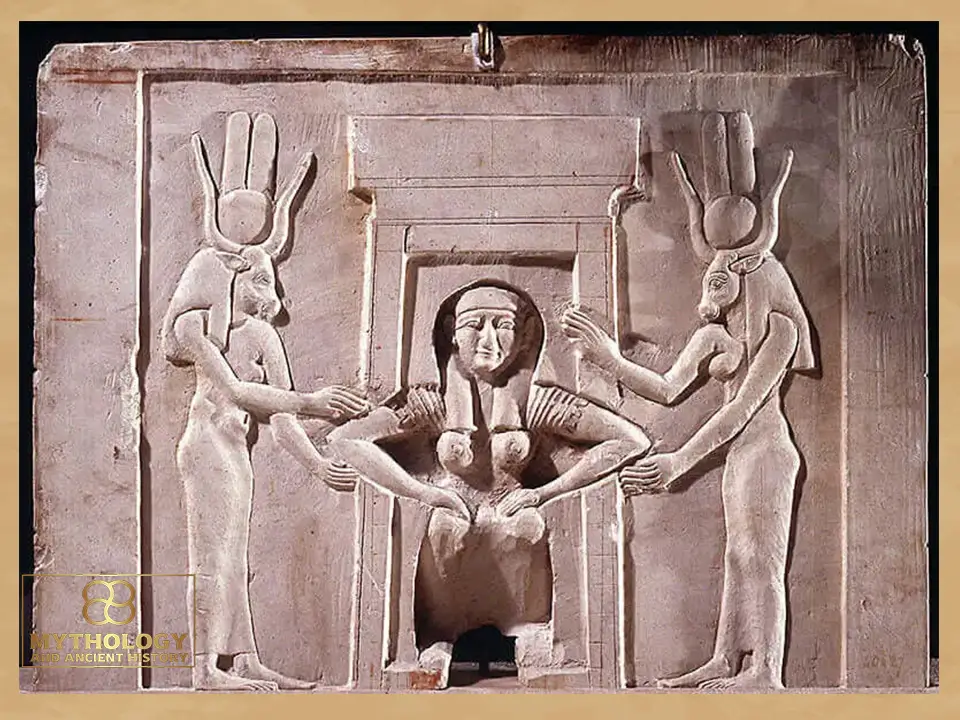
Source: Wikimedia Commons, photograph by A. Parrot (CC0 / Public Domain)
Who Were the Midwives in Ancient Egypt?
Midwives in ancient Egypt were not marginal helpers but recognized female practitioners operating within a clearly defined social and medical space. They were women who worked exclusively with other women, particularly during pregnancy, childbirth, and the period following delivery. Their authority came from experience rather than formal certification, and their role was grounded in trust built over repeated successful outcomes.
These women were usually older and highly experienced. Midwifery required familiarity with the female body over time, not theoretical learning. Knowledge was accumulated through observation, direct practice, and mentorship under other midwives. This made midwifery a profession transmitted horizontally and vertically among women, independent of male-dominated medical institutions.
Socially, midwives occupied a respected but informal position. They were neither temple officials nor scribes, and they did not belong to the class of literate physicians. Yet their presence during one of the most vulnerable moments of life gave them practical authority. Families relied on them because they possessed knowledge that male physicians rarely applied in domestic and reproductive contexts.
Importantly, midwives were not general healers. Their practice was specialized. They dealt with female reproductive health and related conditions, operating within boundaries shaped by experience and cultural norms. This specialization distinguished them from other healers and prevented overlap with surgical or trauma-focused medicine.
Midwifery in ancient Egypt was therefore a form of situational medical expertise—practical, gender-specific, and deeply embedded in everyday life. Understanding who these women were is essential to understanding how medical knowledge functioned outside formal structures.
| Aspect | Midwives and Female Medical Practice |
|---|---|
Primary Role |
Managing pregnancy, assisting childbirth, and supporting postpartum recovery |
Type of Knowledge |
Practical, experience-based knowledge transmitted through mentorship |
Training Method |
Observation, repetition, and guidance from older midwives |
Medical Setting |
Domestic and female-only spaces rather than temples or institutions |
Scope of Practice |
Monitoring, assistance, and recovery support within predictable conditions |
Interventions Excluded |
Surgery, trauma care, invasive procedures, and severe complications |
Relationship with Physicians |
Parallel and complementary roles without direct supervision or conflict |
Medical Limits |
Clear recognition of when care must stop to avoid harm |
Female Medical Knowledge Outside Formal Medicine
Female medical knowledge in ancient Egypt developed outside the formal structures that defined institutional medicine. Unlike male physicians, whose training was tied to written texts, temples, and scribal culture, midwives relied on embodied knowledge acquired through practice. This distinction shaped both the content and the limits of female medical expertise.
Knowledge was transmitted through experience and mentorship, not documentation. Younger women learned by assisting older midwives, observing repeated cases of pregnancy, labor, and recovery. Over time, patterns became recognizable: the normal course of pregnancy, signs of difficulty, and moments when intervention was no longer safe. This practical learning produced competence without formal theory.
Because this knowledge was not written, it remained flexible and adaptive. Midwives adjusted their practices based on outcomes rather than prescriptions. Successful techniques were retained; harmful ones were abandoned. This process created a form of empirical medicine grounded in repetition rather than abstraction. It also explains why female medical practice left fewer textual traces despite its widespread use.
Importantly, this system operated parallel to formal medicine, not beneath it. Midwives did not compete with physicians, nor did they attempt to replicate scholarly knowledge. Their authority lay in areas that institutional medicine rarely addressed directly: routine pregnancy care, monitoring labor, and managing postpartum recovery within the household.
The absence of formal education did not imply inferiority. It reflected a different model of medical knowledge—one rooted in continuity, trust, and lived bodily experience. Female medical practice filled a critical gap between everyday health needs and the more specialized interventions of male physicians.
What Did Midwives Actually Do?
Midwives in ancient Egypt performed a defined set of medical tasks focused on female reproductive health. Their role was practical and situational, shaped by experience rather than doctrine. They did not attempt to manage every complication, but they played a critical role in monitoring, assisting, and responding within safe limits.
Pregnancy Care
During pregnancy, midwives monitored the mother’s condition through observation rather than intervention. They recognized signs of normal progression and identified early indicators of risk, such as unusual pain, weakness, or irregular physical changes. Advice centered on daily practices—rest, positioning, and routine care—rather than treatment. Their primary function was vigilance: knowing when a pregnancy remained stable and when concern was warranted.
Childbirth Assistance
During labor, midwives guided the physical process rather than controlling it. They assisted with positioning, timing, and physical support, helping the mother endure labor safely. Their interventions were minimal and responsive. When labor progressed normally, their role was supportive. When signs of distress appeared—prolonged labor, excessive bleeding, or loss of responsiveness—the limits of their authority became clear. At that point, further intervention was avoided or deferred.
Postpartum Care
After delivery, midwives focused on stabilization and recovery. They monitored bleeding, assisted with basic care, and supported the mother during the immediate postpartum period. Attention shifted to healing rather than intervention. This phase was crucial, as many complications emerged after childbirth rather than during it. Midwives relied on experience to judge whether recovery followed a safe course or whether decline was occurring.
Across all stages, midwives practiced selective care. They did not attempt surgical procedures, internal interventions, or trauma management. Their effectiveness lay in recognizing patterns, responding appropriately, and knowing when not to act. This clarity of role allowed female medical practice to function reliably within its boundaries.
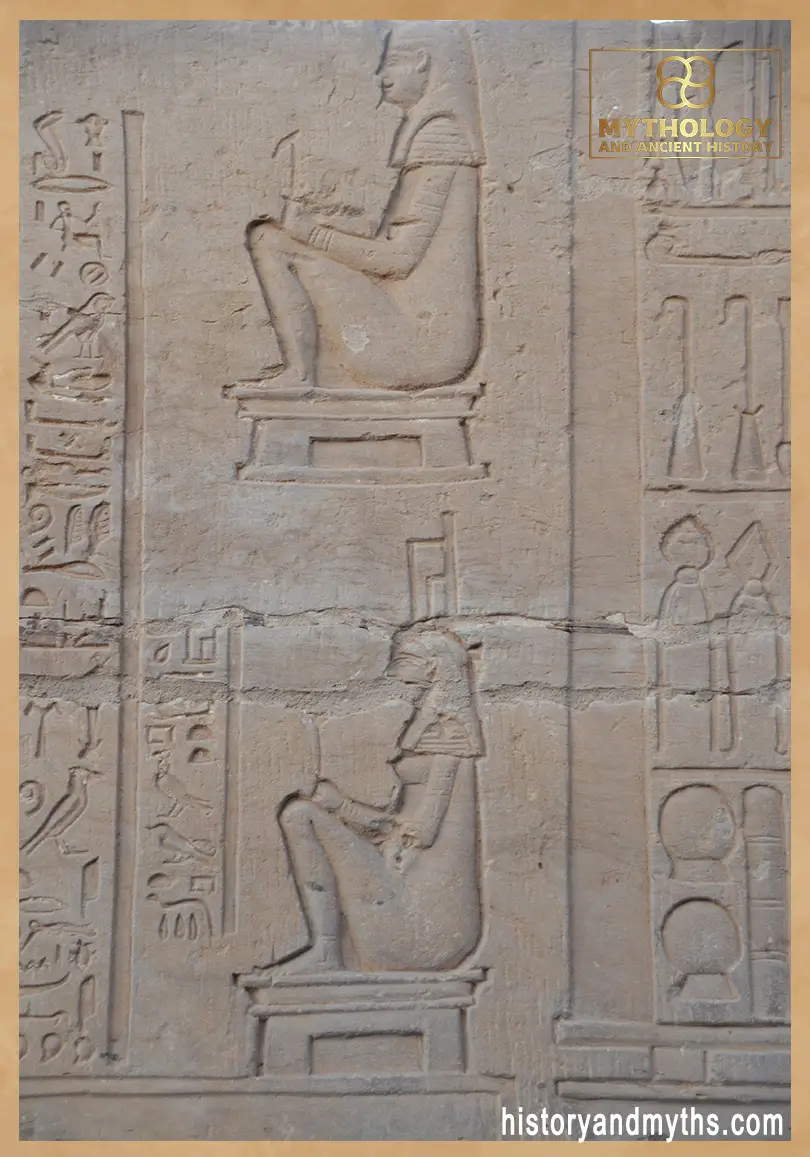
Source: Wikimedia Commons, photograph by Carole Raddato (Creative Commons Attribution-ShareAlike 2.0)
Limits of Female Medical Practice
Female medical practice in ancient Egypt operated within clearly understood boundaries. Midwives were not general physicians, and their authority did not extend beyond reproductive care. These limits were shaped by experience, risk awareness, and social structure rather than by exclusion or lack of knowledge.
Surgical intervention was outside their role.
Midwives did not perform cutting procedures, manage traumatic injuries, or attempt invasive treatments. Conditions involving severe bleeding, internal damage, or structural injury fell beyond their scope. Such cases required a different type of medical judgment and were not addressed within female practice.
Severe complications marked the end of intervention.
When labor became prolonged, bleeding uncontrollable, or the mother’s condition deteriorated rapidly, midwives recognized that continued assistance could be harmful. At this point, intervention ceased. This restraint reflects practical judgment rather than helplessness. Knowing when to stop was a critical aspect of their expertise.
Diagnosis without escalation.
Midwives could recognize danger signs but did not escalate care themselves. Their role was observational and supportive, not corrective. Once a condition moved beyond manageable limits, it was classified—implicitly—as outside female medical practice.
No overlap with formal medical authority.
Female practitioners did not compete with male physicians or attempt to replicate institutional medicine. Their work existed alongside it, addressing routine and predictable situations while avoiding high-risk intervention. This separation reduced conflict and preserved the integrity of both systems.
These limits reveal a disciplined form of medical practice. Female medicine was effective precisely because it did not overreach. By operating within a narrow but essential domain, midwives provided reliable care while minimizing harm. Their restraint was a strength, not a weakness, and it defined the success of female medical practice in ancient Egypt.
What Made Midwives Essential in Ancient Egypt?
- Female-only expertise: midwives worked in intimate domestic settings where male physicians rarely intervened
- Experience over texts: knowledge was built through repetition, observation, and mentorship
- Risk recognition: they identified warning signs and knew when care had reached its safe limits
- Continuity of care: support began in pregnancy and continued through postpartum recovery
- Parallel medicine: midwifery complemented formal medicine rather than competing with it
© historyandmyths.com — Educational use
Midwives and Male Physicians
Midwives and male physicians in ancient Egypt operated within complementary medical spheres rather than competing ones. Their roles were distinct, shaped by context, gender boundaries, and the nature of the conditions they addressed. There is no evidence of institutional conflict between the two, nor of hierarchical subordination in daily practice.
Male physicians were trained within formal medical culture. Their work relied on written knowledge, diagnostic frameworks, and, in some cases, surgical intervention. They dealt primarily with trauma, disease, and conditions requiring specialized judgment. Female reproductive care, by contrast, remained largely outside this framework. Pregnancy and childbirth occurred in domestic spaces, governed by experience rather than texts.
Midwives did not function as assistants to physicians. They worked independently within their domain, making decisions based on observation and accumulated knowledge. Physicians were not routinely present at births, nor did they supervise female medical practice. This separation allowed midwives to maintain authority without interference while preserving the physician’s role in more complex or high-risk cases.
When limits were reached, roles did not overlap. Midwives recognized when a situation moved beyond manageable care, and physicians did not encroach upon routine reproductive health. This division reduced risk and maintained clarity. Each practitioner operated where their methods were most effective.
The relationship between midwives and physicians was therefore functional rather than hierarchical. Together, they formed a dual medical system that addressed different needs within society. Female medical practice filled a critical gap between everyday health and formal medicine, ensuring continuity of care without redundancy or conflict.
Key Takeaways
- Midwifery in ancient Egypt was a form of practical female medicine, not a ritual role.
- Midwives gained authority through experience, mentorship, and repeated successful outcomes.
- Their care focused on pregnancy monitoring, childbirth assistance, and postpartum recovery.
- Female medical practice operated outside formal institutions and written medical training.
- Clear limits defined their role: no surgery, no trauma care, and no invasive intervention.
- Midwives and male physicians worked in parallel, complementary medical spheres.
© historyandmyths.com — Educational use
Frequently Asked Questions
Did midwives really exist in ancient Egypt?
Yes. Midwives were experienced female practitioners who assisted women during pregnancy, childbirth, and postpartum recovery.
Were midwives considered doctors?
No. They were not formally trained physicians, but they practiced a specialized form of female medical care based on experience.
How did midwives learn their medical skills?
Knowledge was transmitted through observation, repetition, and mentorship from older, experienced midwives.
What medical tasks did midwives perform?
They monitored pregnancy, assisted childbirth, and supported mothers during recovery, without performing surgery.
What were the limits of midwifery in ancient Egypt?
Midwives did not perform invasive procedures, treat trauma, or intervene in severe complications.
Did midwives work with male physicians?
Yes. They operated in parallel medical spheres, referring cases beyond their limits without direct overlap.
Sources & Rights
- Nunn, John F. Ancient Egyptian Medicine. London: British Museum Press, 1996.
- David, Rosalie. The Experience of Ancient Egypt. London: Routledge, 2000.
- Allen, James P. The Art of Medicine in Ancient Egypt. New York: Metropolitan Museum of Art, 2005.
- Bard, Kathryn A. An Introduction to the Archaeology of Ancient Egypt. Malden, MA: Wiley-Blackwell, 2015.
- Kemp, Barry J. Ancient Egypt: Anatomy of a Civilization. 2nd ed. London: Routledge, 2006.
- Robins, Gay. Women in Ancient Egypt. Cambridge, MA: Harvard University Press, 1993.
- Lesko, Barbara S. The Great Goddesses of Egypt. Norman: University of Oklahoma Press, 1999.
Written by H. Moses — All rights reserved © Mythology and History