The Egyptian Book of the Dead: Ancient Spells and Underworld Secrets
Introduction to the Egyptian Book of the Dead The Egyptian Book of the Dead, a term coined in the 19th century AD, was a group of texts known to the…
The Coffin Texts: A Gateway to Ancient Egyptian Afterlife Beliefs The Coffin Texts refer to a diverse collection of spells and recitations used in ancient Egypt, primarily found inscribed on…
The Pyramid Texts are the oldest surviving collection of religious and funerary writings from ancient Egypt and among the earliest sacred texts in human history. Carved on the walls of…
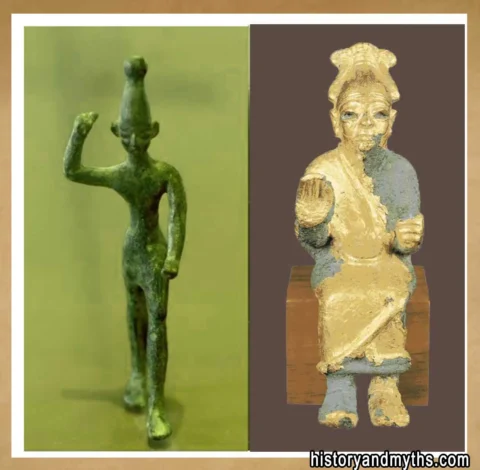
Dagon in Mesopotamian Civilization Dagon appeared in cults in Mesopotamian civilization, especially in the Akkadian civilizations, and his worship spread to the Amorite and Canaanite Levant, and his influence reached…
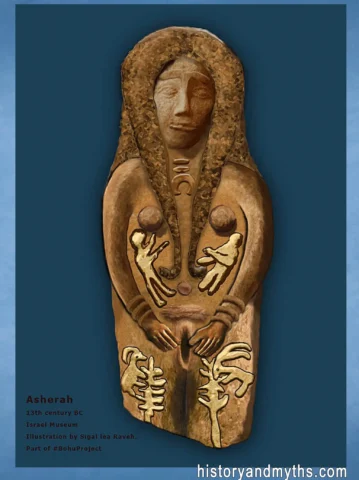
The goddess Asherah is the most important goddess of this generation, she is the primary consort of the god El and serves as the Great Mother Goddess in the Canaanite…
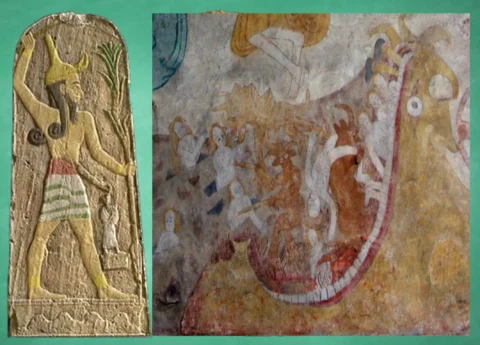
The legend of Adonis With the emergence of the Phoenicians at the beginning of the first millennium BC and the rise of coastal Lebanon, the legend of Baal was fading…
Ancient Egyptian festivals were far more than public celebrations—they were essential religious events that reinforced the relationship between the gods, the pharaoh, and the people. Throughout the year, temples observed…
Preparations for Humanity: A World Cleansed of Monsters Until now there had been no humans; but the world, now cleansed of monsters, was ready for humanity. The world was a…
Chaos and the First Beginning In the beginning, there was Chaos, an immense and boundless abyss. It was as wild and dark as the sea, a place where confusion reigned….
What Are Canopic Containers? Objects intended as containers for internal organs removed during the mummification process are generally called canopic. They consist of jars and boxes as well as miniature…
In Babylonia people worked their fields, watched the rivers rise, and looked at the sky each night. They asked simple but deep questions: what shape is the land we stand…
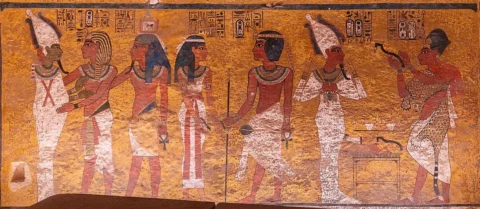
Ancient Egyptian burial practices were built around one central belief: death was not the end of existence. Egyptians believed that the body, tomb, rituals, offerings, and funerary texts all helped…
Sumerian schools were not general institutions for public education, nor were they designed to spread literacy among the population. They were professional training centers created to supply temples, palaces, and…
Dionysus: Greek God of Wine, Ecstasy, and Rebirth Dionysus was the last god to enter Olympus. Homer did not recognize him. There are no early sources for his story other…
Demeter and Persephone: A World Turned to Ice Demeter had an only daughter, Persephone, the Maiden of Spring. She lost her and, in her grief, she withheld her gifts from…
Ra-Horakhty was one of ancient Egypt’s most important solar deities, combining the creator god Ra with Horus of the Horizons to represent the rising and visible power of the sun….
The Sumerian Empire emerged from a long tradition of independent city-states and reached its height between the reign of Lugal-Zage-Si and the Third Dynasty of Ur (Ur III). This period…
How did the world’s first cities rule themselves?Around 3000 BC, Sumerian city-states like Kish, Uruk, and Ur created the earliest dynastic system in history—independent cities with kings, temples, laws, and…