Symbolism of Light and Darkness in Ancient Egypt: Order, Chaos
In ancient Egypt, the symbolism of light and darkness was never based on a simple opposition between good and evil. They were forces that defined how the world functioned, rested, transformed, and survived. Daylight represented a world in motion work, order, authority, and visible life while darkness marked the moment when control weakened and transformation began. The Egyptians did not fear darkness because it was evil; they feared it because it was necessary and dangerous at the same time.
Light symbolized presence and stability. When the sun rose, the world worked as it should: crops grew, laws held, and divine order maat was visibly intact. Darkness, however, was the space where that order was tested. At night, vision failed, boundaries blurred, and unseen forces moved freely. Yet this same darkness was essential. Without it, the sun could not be renewed, the dead could not transition, and life itself could not continue its cycle.
This article explores how ancient Egyptians understood light and darkness not as enemies, but as phases of a continuous cosmic process. By examining sunlight, night, the journey through the Duat, and the daily struggle against chaos, it reveals why balance not victory was the true goal of Egyptian belief. Light had to pass through darkness every day, and survival depended on preparing for that passage, not denying it.
Light as Order, Presence, and Continuity
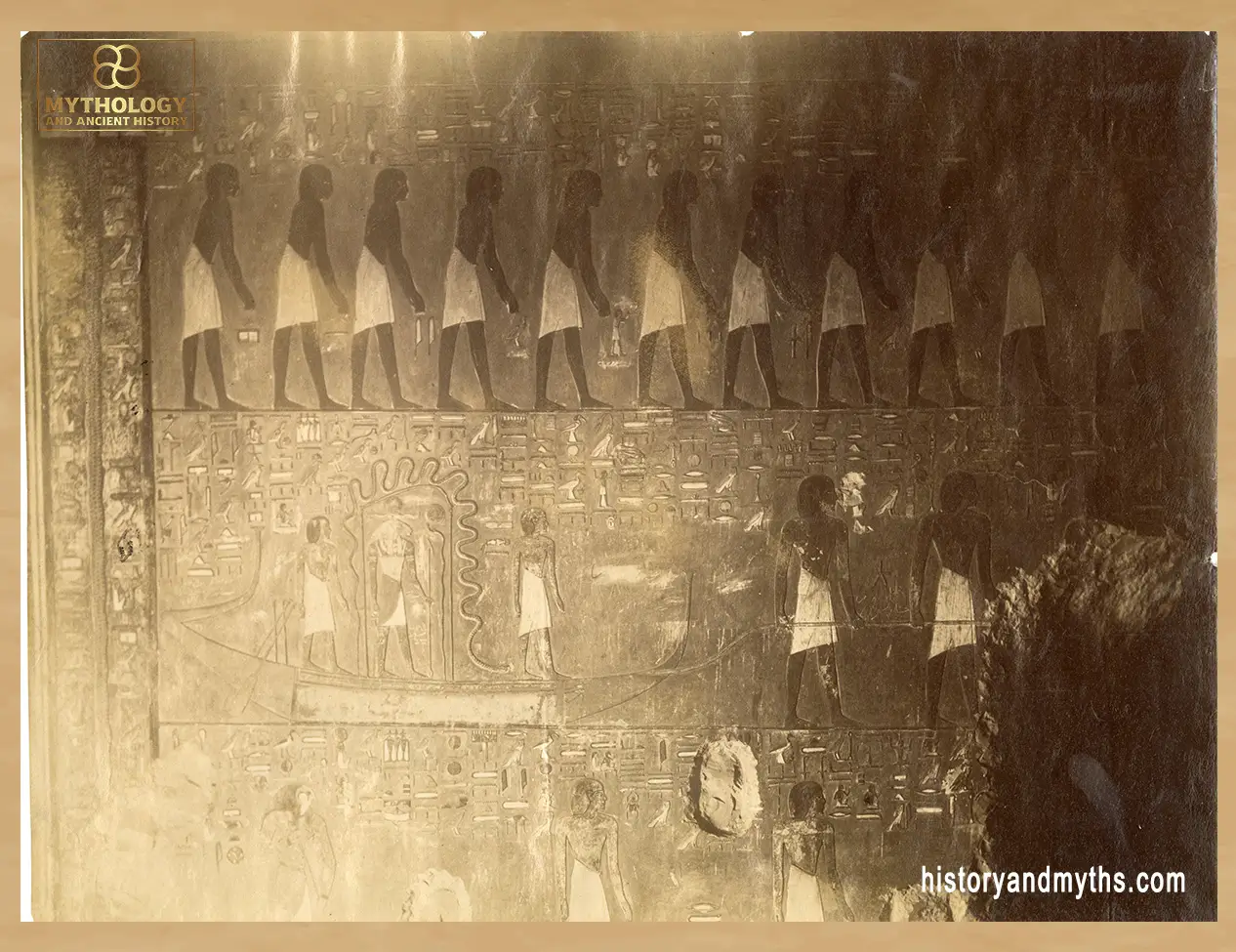
In ancient Egyptian thought, light was not merely illumination it was proof that the world was functioning correctly. When sunlight filled the land, order was visible and active. Work could be done, justice could be enforced, and divine authority could be exercised. Light made things present, and presence meant stability. A world in light was a world under control.
This is why the sun held such symbolic weight. Its daily appearance was not taken for granted; it was a confirmation that cosmic order—maat—had endured another cycle. Light allowed boundaries to be seen and roles to be fulfilled. Kings ruled in daylight, rituals were performed openly, and social life unfolded under the assumption that the universe was aligned. In this sense, light did not create order it revealed it.
Continuity was the deeper meaning behind this symbolism. The return of light each morning signaled that disruption had been contained, not eliminated. Darkness had come, but it had not prevailed. The Egyptians understood that stability was fragile and temporary. Light, therefore, was precious not because it lasted forever, but because it returned reliably. Each sunrise reaffirmed that the system had survived the night.
Light also implied accountability. What was visible could be judged, measured, and corrected. Law, morality, and divine favor all depended on clarity. To exist in light was to exist within the known and regulated world. This is why light symbolized not triumph, but responsibility the ongoing effort required to keep order intact.
| Aspect | Light (Day) | Darkness (Night) |
|---|---|---|
| Core Meaning | Order, presence, visibility, and functioning stability | Absence of control, concealment, and necessary transition |
| Cosmic Role | Reveals and sustains maat through clarity and continuity | Enables renewal through testing and regeneration |
| Relation to Chaos | Restrains chaos by making order visible and accountable | Creates conditions where chaos can emerge but does not rule |
| Divine Journey | The sun’s presence affirms survival and legitimacy | The Duat sustains the sun through danger and renewal |
| Human Experience | Work, law, ritual, social order, and visibility | Sleep, vulnerability, death, transition, and protection |
| Response Required | Responsibility and maintenance of order | Preparation, vigilance, and protective measures |
| Ultimate Function | Confirms that the system is working | Ensures transformation without collapse |
What Did Light and Darkness Symbolize in Ancient Egypt?
In ancient Egypt, light symbolized order, visibility, divine presence, and the active maintenance of ma’at. It was associated with the rising sun, social stability, kingship, law, ritual clarity, and the return of life after danger. Light showed that the world was functioning and that cosmic balance had survived another cycle.
Darkness symbolized absence, concealment, danger, and transition. It was linked to night, sleep, death, the hidden regions of the Duat, and the vulnerable stages through which both the sun and the dead had to pass. Yet darkness was not simply evil. It was also the necessary space where renewal began.
The key difference is that light represented visible order, while darkness represented hidden transformation. Egyptian belief did not imagine one destroying the other permanently. Instead, both were part of a repeating cycle in which order entered danger, passed through it, and returned renewed.
This is why Egyptian light and darkness symbolism cannot be reduced to good versus evil. Light was necessary for life, but darkness was necessary for rebirth. The real goal was not the defeat of darkness, but the preservation of balance between visibility, danger, protection, and renewal.
Darkness as Absence, Risk, and Transition
For the ancient Egyptians, darkness did not signify the triumph of evil it marked the withdrawal of control. When light disappeared, visibility collapsed, and with it the certainty that order was actively maintained. Darkness was the condition in which boundaries dissolved and threats became harder to detect. It was not evil by nature, but it was dangerous precisely because it limited perception.
Night introduced vulnerability. Human activity slowed, defenses weakened, and the unseen gained space to operate. This is why darkness was associated with fear, silence, and caution. Yet it was also understood as inevitable. No effort could prevent the coming of night, just as no ritual could eliminate death or change. Darkness was a phase that had to be endured, not destroyed.
Crucially, darkness was also a transitional space. It allowed movement between states: waking and sleeping, life and death, order and renewal. Without darkness, transformation could not occur. Seeds did not sprout in full sunlight; they gestated unseen. The dead did not remain in the world of the living; they passed through shadow before rebirth or judgment. Darkness was the corridor through which change traveled.
This duality explains the Egyptian response to night. Darkness was feared, but it was also prepared for. Amulets, protective spells, and ritual safeguards did not aim to banish darkness. They aimed to survive it safely. In this sense, darkness was not an enemy to be conquered, but a condition that required vigilance. Survival depended on recognizing its risks without denying its necessity.
The Duat — Darkness That Sustains the Sun
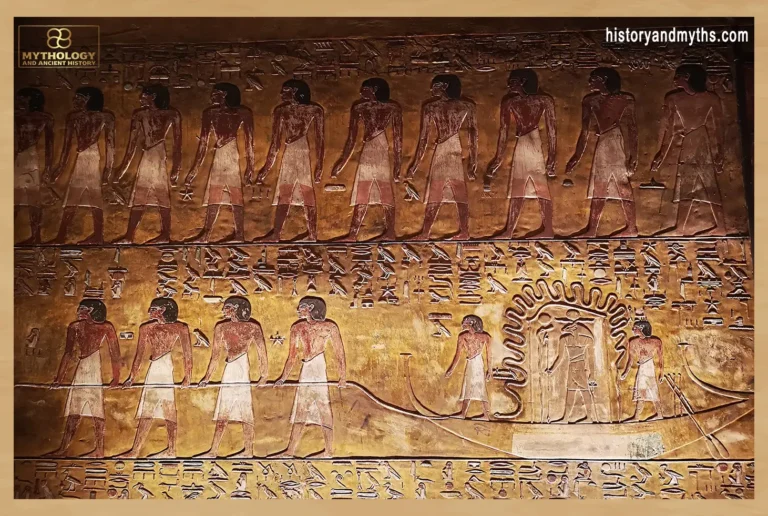
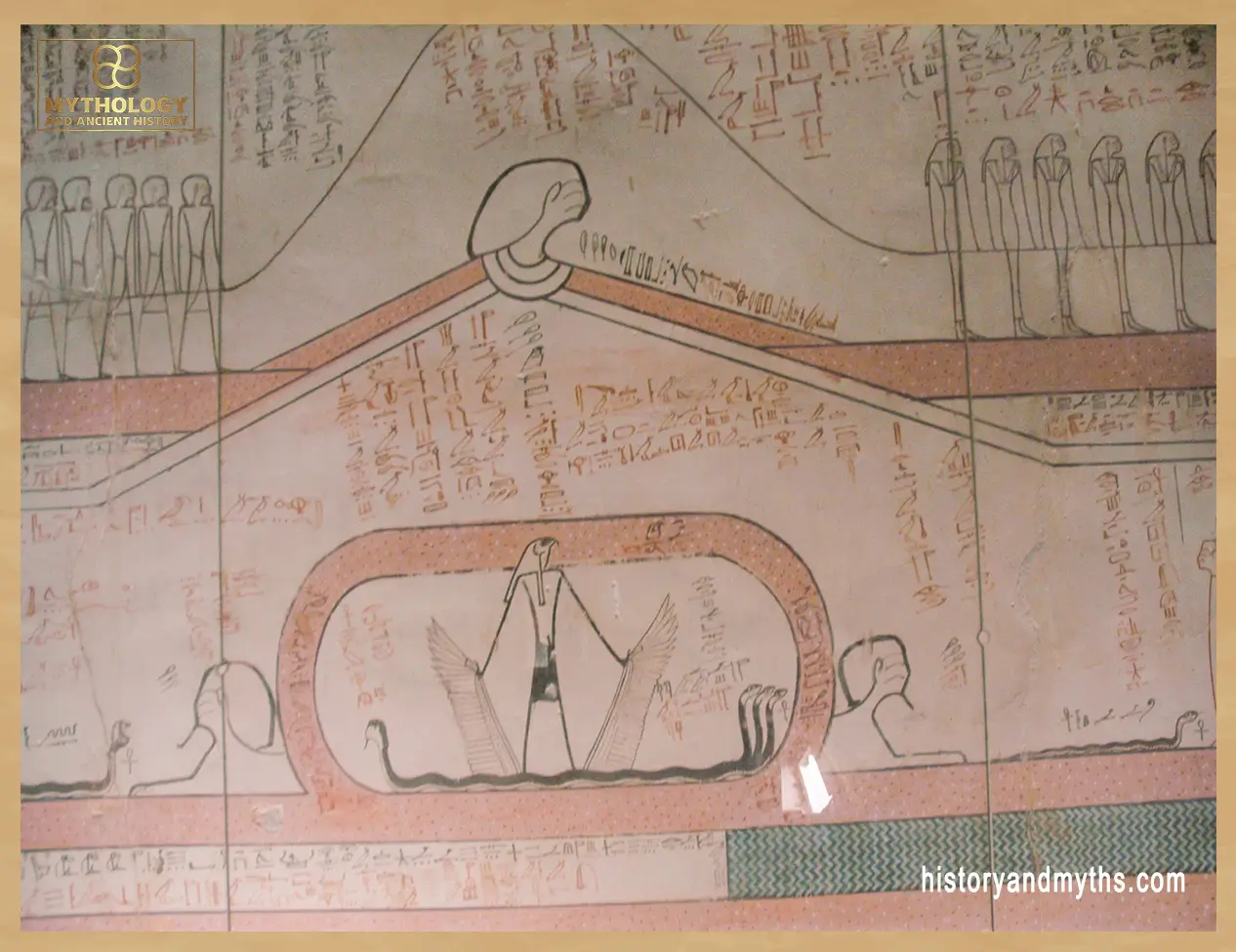
The most important proof that darkness was not considered evil in ancient Egypt lies in the concept of the Duat. This hidden realm, traveled each night by the sun god, was dark, dangerous, and filled with threats yet it was absolutely essential for cosmic survival. Without passage through the Duat, the sun could not rise again. Darkness, in this context, was not the opposite of life, but the mechanism that renewed it.
During the night journey, the sun did not disappear; it transformed. It moved through a landscape of shadows, gates, and hostile forces, gradually regenerating its strength. The Duat functioned as a cosmic workshop rather than a prison a space where order was repaired, not abandoned. Darkness provided concealment, incubation, and testing. Only after enduring this passage could light return in its full, life-giving form.
This journey also redefined the nature of danger. Chaos existed within darkness, but it did not rule it. Threats had to be confronted, restrained, and neutralized nightly. The sun’s survival depended on assistance, preparation, and protection. Darkness alone was not the enemy; uncontrolled chaos within darkness was. This distinction is critical to understanding Egyptian cosmology.
By placing renewal inside darkness, Egyptian belief rejected the idea of permanent victory. Light did not annihilate darkness each morning it emerged from it. The Duat ensured continuity, not dominance. In this worldview, survival was cyclical, fragile, and earned repeatedly. Darkness sustained the sun not by opposing it, but by challenging it, forcing renewal through endurance rather than conquest.
Chaos Within Darkness — The Role of Apophis
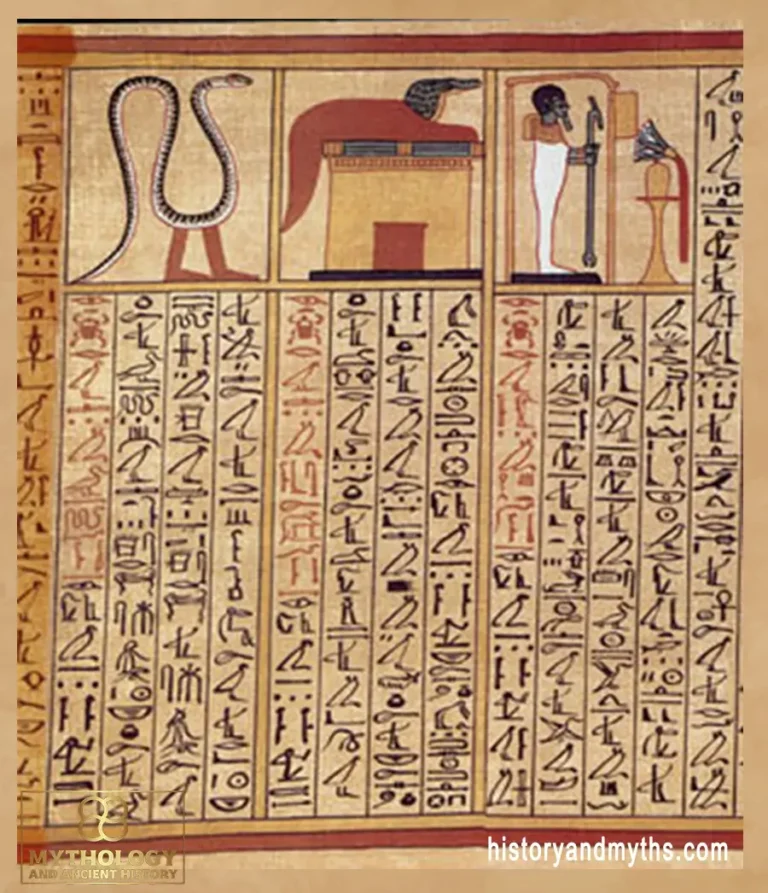
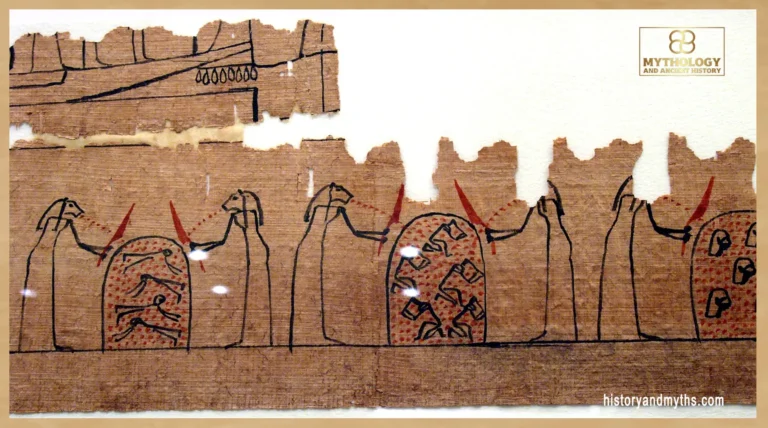
In Egyptian cosmology, chaos was not synonymous with darkness. Darkness was a condition; chaos was a force that could emerge within it. This distinction becomes clear in the figure of Apophis, the great serpent who threatened the sun during its nightly journey. Apophis did not represent night itself, nor did he rule the Duat. He embodied the risk that darkness made possible but did not guarantee.
Apophis existed to disrupt continuity. His role was to halt movement, swallow light, and freeze the cycle that sustained the world. This is why he had to be confronted every night. Chaos, in Egyptian thought, was never permanently defeated. It had to be restrained repeatedly, through vigilance and collective effort. The presence of Apophis underscored a crucial truth: order was not self-sustaining. It required constant defense.
The struggle against Apophis also reveals why darkness was tolerated but chaos was not. Darkness allowed renewal; chaos threatened extinction. The two could coexist, but they were not the same. Protective rituals, spells, and divine allies accompanied the sun precisely because darkness increased exposure to chaos. The goal was not to eliminate night, but to prevent chaos from taking advantage of it.
By placing Apophis inside the nightly journey rather than outside the cosmos, Egyptian belief framed danger as internal and recurring. Stability was not achieved by removing threats once and for all, but by acknowledging their persistence. Chaos had no final victory, but neither did order. The universe endured because each night ended with containment, not annihilation.
Light and Darkness — How the Cycle Worked
- Day reveals order: Light made the world visible, accountable, and functional.
- Night withdraws control: Darkness reduced visibility and increased vulnerability.
- The Duat renews the sun: Darkness was the space where regeneration occurred.
- Chaos exploits darkness: Apophis threatened continuity but did not rule the night.
- Protection bridges the gap: Amulets, spells, and vigilance ensured safe passage.
- Balance ensures survival: Stability came from repetition, not final victory.
© historyandmyths.com — Educational use
Human Experience of Light and Darkness
The symbolism of light and darkness in ancient Egypt was not confined to the cosmos; it shaped how people understood their own lives. Daily human experience mirrored the same cycle seen in the sun’s journey. Waking and sleeping, health and illness, life and death all followed the same rhythm of emergence, withdrawal, and renewal. Egyptians did not experience light and darkness as abstract ideas, but as conditions that directly affected safety, productivity, and survival.
Sleep was one of the clearest examples of this symbolism. To sleep was to enter a state of reduced awareness, where control weakened and vulnerability increased. Darkness accompanied this loss of vigilance, making the night a time of anxiety as well as rest. This is why protective measures intensified after sunset. Amulets were worn, spells were spoken, and safeguards were placed near beds. Night was not rejected it was managed.
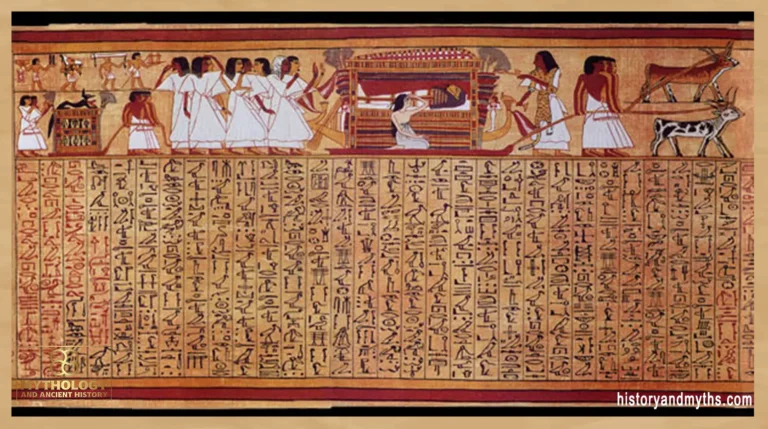
Death followed the same logic. It was not seen as annihilation, but as passage into darkness before renewal. The deceased entered a shadowed realm where orientation, memory, and identity were tested. Funerary texts, spells, and protective symbols did not attempt to erase darkness; they guided the dead through it. Survival depended on preparation, not denial.
Even emotional and social life reflected this pattern. Times of crisis, uncertainty, or loss were understood as periods of darkness necessary but dangerous transitions that required support. Light represented restoration, clarity, and reintegration into order. By accepting darkness as part of existence, Egyptians developed a worldview that emphasized resilience over optimism. Stability was never assumed; it was restored repeatedly through awareness, protection, and balance.
Balance, Not Victory
The ultimate lesson of light and darkness in ancient Egyptian thought was not triumph, but balance. Order was never imagined as a final state that eliminated danger forever. Light did not conquer darkness; it emerged from it. Each sunrise marked a successful passage, not a permanent solution. Survival depended on repetition, vigilance, and acceptance of limits.
This worldview rejected absolute endings. Chaos was restrained, not destroyed. Darkness was endured, not erased. The goal was continuity keeping the system functioning despite inevitable disruption. This is why Egyptian cosmology focused on cycles rather than conclusions. The universe remained stable not because threats disappeared, but because they were continually managed.
Balance also implied responsibility. Humans, gods, and rituals all played roles in maintaining order. Protection, preparation, and awareness were ethical acts. To neglect them was to invite instability. Light symbolized clarity and responsibility, while darkness demanded caution and readiness. Neither could exist meaningfully without the other.
By framing existence as a constant negotiation between visibility and obscurity, Egyptian belief offered a resilient model of survival. Life persisted not through denial of danger, but through structured engagement with it. In this sense, balance not victory was the true achievement of cosmic order.
Key Takeaways — Light and Darkness in Ancient Egypt
- Light symbolized order, not victory: Daylight showed that cosmic and social systems were functioning.
- Darkness was necessary, not evil: Night represented risk, transition, and renewal rather than moral failure.
- The Duat sustained continuity: The sun’s passage through darkness enabled regeneration and survival.
- Chaos was conditional: Apophis exploited darkness but did not define it.
- Human life mirrored the cosmos: Sleep, death, and vulnerability followed the same cycle as the sun.
- Balance ensured survival: Stability came from managing cycles, not erasing danger.
Frequently Asked Questions About Light and Darkness in Ancient Egypt
Did ancient Egyptians see darkness as evil?
No. Darkness was seen as a necessary condition for transition and renewal, even though it increased vulnerability and risk.
What did light symbolize in ancient Egypt?
Light symbolized order, visibility, stability, and continuity—proof that the world was functioning under maat.
What is the Duat and why is it important for this symbolism?
The Duat is the hidden realm traveled during the night. It represents darkness as a space of testing and regeneration, enabling the sun’s renewal.
Is Apophis the same as darkness?
No. Apophis represents chaos that can exploit darkness, but darkness itself is not chaos and does not rule the cosmos.
How did everyday Egyptians respond to the dangers of night?
They prepared for vulnerability through vigilance, protective spells, and amulets, especially around sleep and household thresholds.
How does sleep relate to light and darkness symbolism?
Sleep mirrors the night cycle: awareness weakens, risk increases, and protection becomes essential during the most vulnerable hours.
What is the main lesson of Egyptian light and darkness symbolism?
The core idea is balance and continuity. Light does not erase darkness; it survives it through repeated renewal and protection.
Sources & Rights
- Assmann, Jan. Death and Salvation in Ancient Egypt. Ithaca: Cornell University Press, 2005.
- Assmann, Jan. The Search for God in Ancient Egypt. Ithaca: Cornell University Press, 2001.
- Hornung, Erik. The Ancient Egyptian Books of the Afterlife. Translated by David Lorton. Ithaca: Cornell University Press, 1999.
- Hornung, Erik. Conceptions of God in Ancient Egypt: The One and the Many. Ithaca: Cornell University Press, 1982.
- Pinch, Geraldine. Egyptian Mythology: A Guide to the Gods, Goddesses, and Traditions of Ancient Egypt. Oxford: Oxford University Press, 2004.
- Quirke, Stephen. Exploring Religion in Ancient Egypt. Chichester: Wiley-Blackwell, 2015.
- Ritner, Robert K. The Mechanics of Ancient Egyptian Magical Practice. Chicago: Oriental Institute of the University of Chicago, 1993.
- Taylor, John H. Journey through the Afterlife: Ancient Egyptian Book of the Dead. London: British Museum Press, 2010.
- Teeter, Emily. Religion and Ritual in Ancient Egypt. Cambridge: Cambridge University Press, 2011.
- Wilkinson, Richard H. Symbol and Magic in Egyptian Art. London: Thames & Hudson, 1994.
- Wilkinson, Richard H. The Complete Gods and Goddesses of Ancient Egypt. London: Thames & Hudson, 2003.
- British Museum. Journey through the Afterlife: Ancient Egyptian Book of the Dead.
Written by H. Moses — All rights reserved © Mythology and History