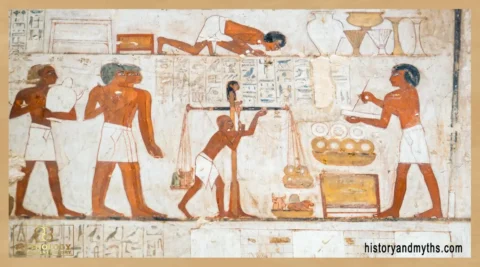
Public Behavior in Ancient Egypt: Morality, Ma’at, and Daily Life
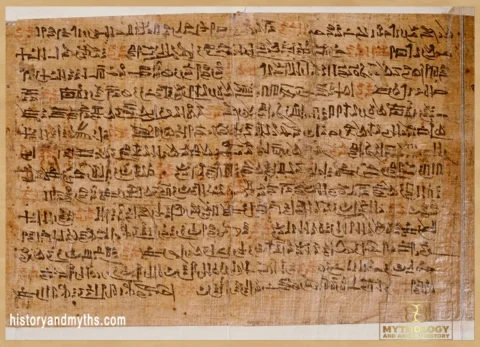
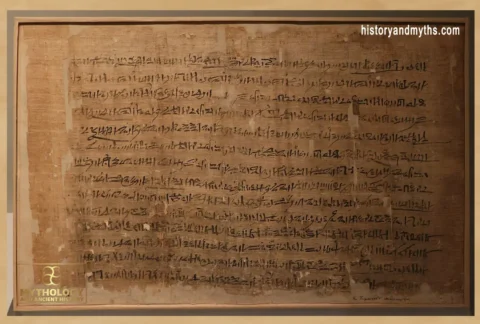
In Ancient Egypt, public behavior and morality were shaped by ma’at—the ideal of truth, justice, and social balance. Good conduct meant self-control, respectful speech, and avoiding public conflict, because disorder threatened community stability. Wisdom texts such as the Instruction of Ptahhotep taught these rules as practical survival.
What Was Considered Good Behavior in Ancient Egypt?
Good behavior in Ancient Egypt meant acting in a way that kept daily life stable and predictable. A “good” person was not just morally pure in theory—he was someone who could live among others without creating friction: no needless quarrels, no public humiliation of others, and no uncontrolled anger.
This is why Egyptian morality often feels practical. Public conduct was judged by outcomes: did you calm situations or inflame them? Did you make cooperation easier or harder? In a society built on tight communities and clear hierarchies, behavior was a social skill as much as a virtue.
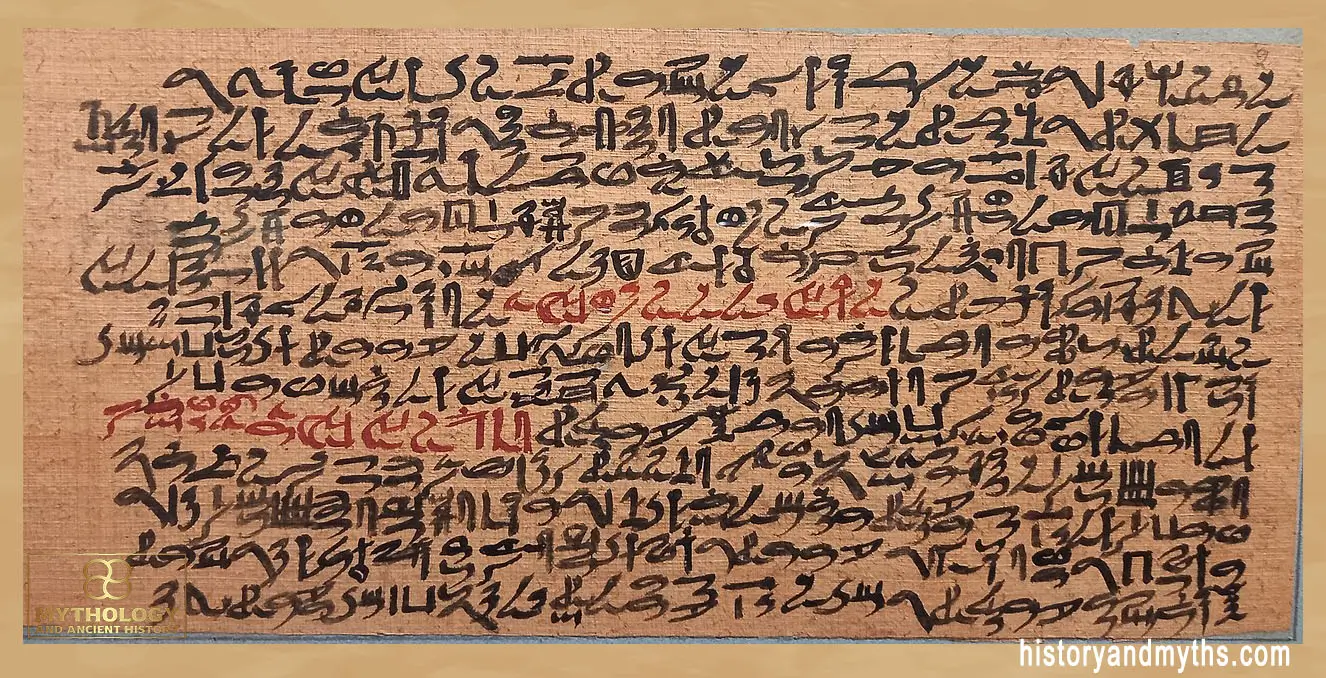
Public Behavior in Ancient Egypt: What Was “Good Conduct”?
| Behavior rule | What it prevented | Why it mattered |
|---|---|---|
| Respectful speech | Insults, humiliation, escalation | Protected social trust and daily stability |
| Self-control in public | Violence and revenge cycles | Marked a person as safe and reliable |
| Avoid public conflict | Open feuds and long hostility | Kept cooperation possible in tight communities |
| Respect hierarchy | Disorder and challenges to authority | Maintained structure at work and in public life |
| Fair dealing | Suspicion, exclusion, mistrust | Made transactions and relationships stable |
| Live by ma’at | Isfet (chaos), social collapse | Turned morality into daily order and safety |
What Moral Values Did Ancient Egyptians Follow?
Egyptian moral values centered on the idea that truth, fairness, and restraint were necessary to keep life functioning. The moral person was expected to deal honestly, avoid harming others, respect social boundaries, and show discipline in speech and emotion.
These values were not presented as abstract philosophy. They were treated as rules that prevented chaos: when people lie, provoke, or abuse power, society becomes unstable. Egyptian morality framed the individual as responsible for protecting the wider balance of the community—not through heroism, but through controlled, reliable behavior.
How Did Ma’at Shape Daily Morality and Public Conduct?
Ma’at was not only a religious ideal—it functioned as a daily standard for behavior. In practical terms, living by ma’at meant choosing actions that supported order: telling the truth when it mattered, dealing fairly, and avoiding behavior that would trigger conflict or instability.
That’s why morality in Ancient Egypt often reads like social engineering. Public conduct was moral because it maintained balance. A person who spread disorder—through aggression, humiliation, or reckless speech—wasn’t just “rude.” He was seen as pushing life toward chaos, something Egyptians believed had real consequences for society.
What Did Egyptians Teach About Speech and Self-Control?
Egyptian moral teaching placed heavy weight on speech because words were socially dangerous. In close communities, a single insult could escalate into lasting conflict, and gossip could destroy relationships faster than evidence. Good speech meant knowing when to speak, when to stay silent, and how to avoid turning disagreement into public theatre.
Self-control was treated as a mark of intelligence, not weakness. The person who could absorb provocation without exploding protected his own status and reduced the risk of dragging others into unnecessary disputes. In other words, calm behavior was not only “polite”—it was a strategy for survival inside a tightly structured society.
How Were People Expected to Treat Elders and Officials?
Ancient Egyptian society was openly hierarchical, so public behavior included clear expectations about respect and boundaries. Elders and officials represented authority, experience, and social order. Disrespect toward them was not seen as personal rebellion—it was treated as a threat to stability, because hierarchy organized work, justice, and everyday decision-making.
Respect did not necessarily mean fear. It meant knowing your place in public settings: avoiding challenges that turned into humiliation contests, showing restraint in speech, and handling disputes through controlled channels rather than public confrontation.
Did Society Punish Bad Behavior Socially Before the Law?
Yes. Social punishment often came first, because it was immediate and cost nothing. A person known for aggression, dishonesty, or constant conflict could lose trust quickly. People avoided him, excluded him from cooperation, and treated him as a risk even without a formal trial.
This matters because it explains why morality worked without constant policing. Public behavior was regulated by community memory and daily judgment. Legal punishment existed, but the first barrier against disorder was social: shame, avoidance, and the slow collapse of someone’s standing when others no longer felt safe around him.
Was Public Anger Seen as Dangerous in Egyptian Culture?
Yes, because public anger was unpredictable and contagious. An angry outburst could escalate into violence, humiliation, or long-term rivalry, and it could pull entire households into conflict. In a society that valued stability, losing control in public signaled that a person was unsafe—someone who might damage relationships, disrupt work, or invite retaliation.
That is why restraint was a public skill. Controlling anger was not portrayed as “being nice.” It was treated as evidence of maturity and intelligence: the ability to remain calm meant you could be trusted in tense situations, and your presence would not turn everyday life into chaos.
What Do “Wisdom Texts” Reveal About Egyptian Morality?
Wisdom texts show that Egyptian morality was deeply behavioral. They focus less on dramatic acts of virtue and more on patterns: how you speak, how you listen, how you handle authority, and how you avoid turning small issues into public disasters.
These texts also reveal an ethical realism. They assume that people have rivalries, ambitions, and temptations—but they insist that public life collapses when individuals lose discipline. Morality, in that worldview, is the method that keeps society functional: not perfection, but control.
Continue Reading
What Is the Difference Between Ma’at and Isfet (Chaos)?
Ma’at represented balance, truth, justice, and the conditions that allow life to work. Isfet was the opposite: disorder, violence, injustice, and the breakdown of social trust. The key point is that Egyptians treated this contrast as something lived daily.
Public behavior sat directly inside this framework. When people acted with restraint and fairness, they reinforced ma’at. When they spread conflict, humiliation, and aggression, they pushed life toward isfet. Morality, therefore, wasn’t optional goodness—it was the daily maintenance of order against collapse.
Infographic: Morality Was Practical, Not Abstract
- Good behavior meant speech control, calmness, and social restraint.
- Ma’at was the daily ideal of truth, justice, and balance.
- Isfet meant disorder: conflict, aggression, injustice, and broken trust.
- Social punishment came fast: avoidance, lost trust, exclusion.
- Public conduct was conflict management—society depended on it.
Were Moral Rules the Same for Elites and Ordinary People?
The ideal language was often presented as universal—truth, restraint, fairness, and respect. But in reality, power always changes consequences. Elites had more protection and more room to recover from mistakes, while ordinary people were exposed to faster judgment and fewer second chances.
Still, the basic social logic applied to everyone: uncontrolled speech, public aggression, and repeated dishonesty were dangerous behaviors regardless of status. The difference was not in what was considered “wrong,” but in how quickly a person’s life could be damaged when the community decided he was no longer safe to trust.
Key Takeaways
- Public morality in Ancient Egypt was built to protect social stability.
- Good conduct meant controlled speech, restraint, and avoiding public conflict.
- Ma’at framed morality as truth, justice, and balance in daily behavior.
- Bad behavior was punished socially through lost trust and exclusion.
- Moral rules were shared widely, but power affected consequences.
FAQ: Public Behavior and Morality in Ancient Egypt
What was considered good behavior in Ancient Egypt?
Good behavior meant self-control, respectful speech, and avoiding public conflict, because stability and trust held communities together.
What moral values did Ancient Egyptians follow?
They valued truth, fairness, restraint, and respect for social order—principles tied to ma’at and reinforced in daily life.
How did ma’at influence daily morality?
Ma’at framed morality as practical balance: truth over lies, justice over abuse, and social restraint over chaos.
Why was speech so important in Egyptian ethics?
Because words could start conflicts, humiliate others, and destroy cooperation. Controlled speech protected social stability.
How were people expected to treat elders and officials?
With respect and restraint. Hierarchy shaped public life, and challenging authority publicly was seen as destabilizing.
Did Egyptians punish bad behavior socially?
Yes. Avoidance, exclusion, and loss of trust often came before any formal legal consequence.
Was public anger viewed negatively?
Yes. Uncontrolled anger signaled danger and instability, and could trigger long feuds and retaliation.
What is the difference between ma’at and isfet?
Ma’at represents order, truth, and justice, while isfet represents disorder, conflict, and injustice.
Were moral rules the same for elites and ordinary people?
The ideals were shared, but elites often had more protection and room to recover, while ordinary people faced faster social damage.
Sources & Rights
- Assmann, Jan. The Mind of Egypt: History and Meaning in the Time of the Pharaohs. Cambridge, MA: Harvard University Press, 2002.
- Brewer, Douglas J., and Emily Teeter. Egypt and the Egyptians. 2nd ed. Cambridge: Cambridge University Press, 2007.
- Hornung, Erik. Conceptions of God in Ancient Egypt: The One and the Many. Ithaca: Cornell University Press, 1982.
- Lichtheim, Miriam. Ancient Egyptian Literature. Vol. 1: The Old and Middle Kingdoms. Berkeley: University of California Press, 1973.
- Parkinson, R. B. Voices from Ancient Egypt: An Anthology of Middle Kingdom Writings. Norman: University of Oklahoma Press, 1991.
- Quirke, Stephen. Ancient Egyptian Religion. London: British Museum Press, 1992.
- Teeter, Emily. Religion and Ritual in Ancient Egypt. Cambridge: Cambridge University Press, 2011.
Written by H. Moses — All rights reserved © Mythology and History