Political Marriages in Ancient Egypt: Power, Alliances, and Kings
Political marriages in Ancient Egypt were deliberate power moves, not private relationships. Kings used marriage to control succession and elite loyalty inside Egypt, and to manage alliances with foreign courts during the New Kingdom’s international age. In these deals, the bride represented a binding political commitment, and the marriage terms worked like negotiated state policy.
What makes this topic real—not speculative—is the surviving diplomatic record, where marriage is discussed as leverage: who marries whom, what is exchanged, how status is recognized, and what Egypt refuses to give in return. The result is a system where marriage can reduce conflict and secure cooperation, but never guarantees stability.
This article explains the mechanics with evidence: internal vs diplomatic marriage, why Egypt rarely sent royal daughters abroad, how gifts functioned as political currency, what queens could do diplomatically, and how these marriages sometimes failed when interests shifted.
Political Marriages in Ancient Egypt
A political marriage in Ancient Egypt was a marriage arranged to produce a political outcome: securing succession, controlling elite power networks, or reshaping relations with another state. The marriage itself was not the “policy,” but a mechanism for enforcing policy through kinship, status, and obligation.
Internally, political marriages helped stabilize the transfer of power and reduce the risk of factional conflict around the throne. In a royal court where legitimacy depended on recognition as much as bloodline, marriage could strengthen alliances, concentrate loyalty, and limit the space for rival claims.
Externally—especially in the New Kingdom—diplomatic marriage functioned within an international system of “great powers,” where Egypt negotiated status, security, and cooperation with major kingdoms such as Mitanni, Babylonia, and the Hittite state. In this context, a foreign bride was not a romantic figure but a diplomatic guarantee, embedded in gift exchange, protocol, and political messaging.
Crucially, political marriage was never a permanent guarantee of peace. It could reduce risk, close a negotiation, or buy time, but it could not prevent future conflict when interests changed, rulers died, or strategic balances shifted.
| Type | Main Goal | How It Worked | Best Evidence | Limits |
|---|---|---|---|---|
| Internal dynastic marriage | Secure succession & court loyalty | Binds elite factions to the throne through obligation | Court politics & ideological legitimacy | Cannot stop rival claims or later instability |
| Diplomatic marriage | Stabilize alliances & reduce war risk | Negotiated terms + gifts + prestige + palace integration | New Kingdom diplomatic letters | Not a peace guarantee; interests can shift fast |
| Marriage gifts | Signal commitment & price the relationship | Material exchange functions as political currency | Gift economies & diplomatic bargaining | Can trigger status disputes if terms feel unequal |
Two Types of Political Marriage: Internal vs Diplomatic
Internal Dynastic Marriages: Succession, Legitimacy, and Elite Control
Internal political marriage served three practical purposes.
First, it supported succession by producing an heir whose position was politically defensible within the court’s networks of influence. An heir needed acceptance, not simply birthright.
Second, it helped manage elite power by binding key families to the center of authority through obligation and shared stakes. Marriage could tighten loyalty and reduce the incentives for quiet opposition.
Third, it reinforced legitimacy. In royal ideology, legitimacy had to be performed and stabilized through court structures and religious framing, and marriage could strengthen the public logic of rule.
Diplomatic Marriages: Alliance-Building Between Great Powers
Diplomatic marriage operated as an international tool rather than a domestic arrangement. It typically aimed to:
- stabilize relations between two courts,
- formalize cooperation and reduce immediate conflict risk,
- establish prestige and recognition through protocol,
- and create a human channel of contact inside the receiving court through the bride and her entourage.
The key point is that diplomatic marriage appears in historical evidence as part of negotiation: proposals, counter-demands, exchange expectations, and political conditions. It functioned less like a private union and more like a state-managed agreement.
Why the New Kingdom Became the Age of Diplomatic Brides
The New Kingdom (c. 1550–1070 BCE) turned diplomatic marriage into a visible tool of foreign policy because Egypt was operating inside a competitive Late Bronze Age international system. Major states were constantly managing the costs of war, the risks of border instability, and the politics of prestige. In that environment, royal marriage could function as a stabilizer: not a guarantee of peace, but a way to formalize cooperation and reduce uncertainty.
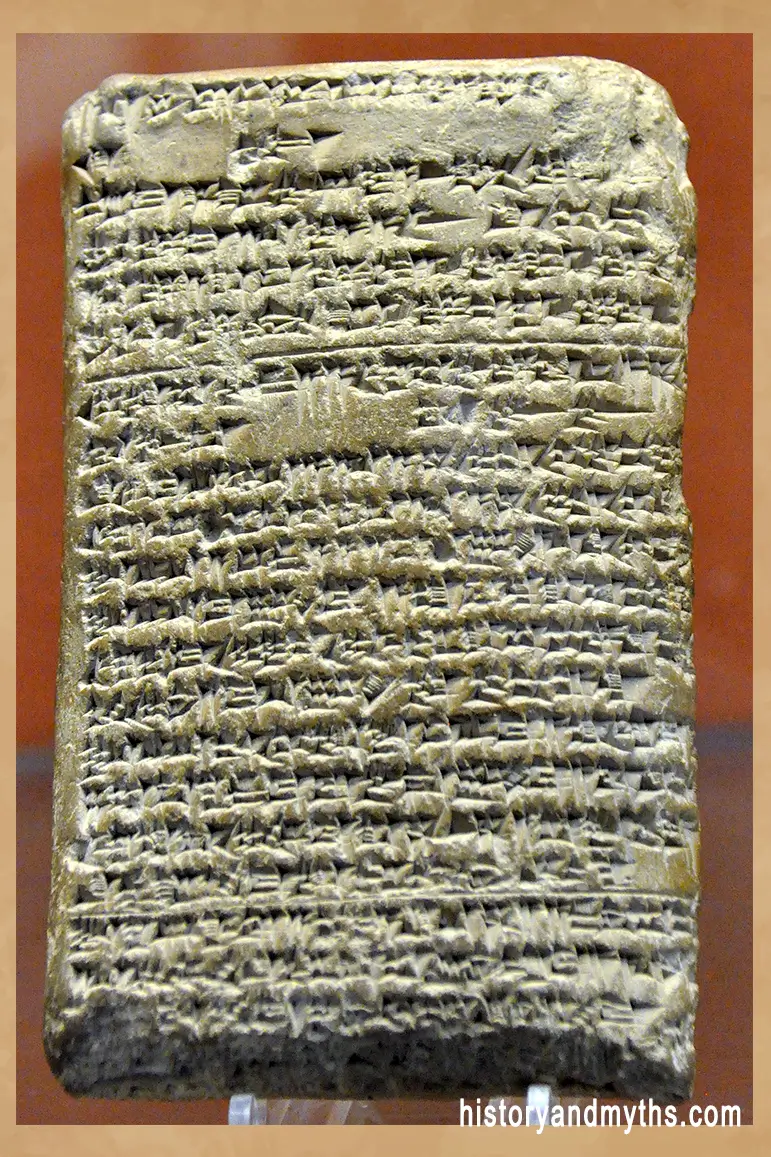
What makes this period unusually clear is documentation. The Amarna Letters preserve royal correspondence between Egypt and other great powers, and they show that marriage was negotiated like statecraft: rulers discussed status, reciprocal expectations, and the material terms that should accompany a royal bride. Marriage was not presented as a sentimental event—it was a political instrument used to lock in relationships, signal recognition, and secure benefits through exchange.
The “Great Powers” System: Marriage as Recognition and Leverage
Diplomatic marriage mattered because it operated on two levels at once.
On the strategic level, it helped regulate relations between strong states that could not easily be dominated by force. The marriage created a formal tie that made sudden hostility more costly and less predictable, especially when combined with ongoing gift exchanges and diplomatic messaging.
On the symbolic level, marriage worked as recognition. If a king could secure a high-status bride from another court, it reinforced his standing inside the great powers hierarchy. That mattered because international politics in this era was partly about reputation, rank, and whether other rulers treated you as an equal partner or a subordinate.
Why Egypt Rarely Sent Royal Daughters Abroad
One of the most important patterns in New Kingdom marriage diplomacy is asymmetry: Egypt accepted foreign royal women, but it rarely—if ever—sent its own royal daughters to marry foreign kings.
This was not an accident of romance or chance. It reflects a deliberate political stance. Sending a royal daughter abroad would place a piece of Egypt’s dynastic legitimacy outside Egyptian control. It would also imply a level of reciprocity that Egypt’s kings often resisted, especially when they wanted to maintain a superior posture in international relations. In other words, refusing to export royal daughters was a way to limit obligations while still collecting the benefits of alliance-building.
This imbalance also shows that diplomatic marriage could be a negotiation battlefield on its own: who gives the bride, who receives her, what that says about rank, and what compensation is expected in return.
Marriage Was a Tool, Not a Treaty Replacement
Even at its peak, diplomatic marriage did not replace treaties, military planning, or hard power. It complemented them. Marriage could smooth relations, strengthen trust channels, and formalize cooperation, but it could not stop political reality from shifting. When leadership changed, when succession crises erupted, or when regional power balances moved, marriages could become irrelevant quickly—or even turn into points of tension.
The New Kingdom’s diplomatic marriages are therefore best understood as controlled risk management: a method for reducing immediate uncertainty in a volatile international arena, not a permanent solution to conflict.
Case Studies We Can Actually Document
Amenhotep III and Mitanni: Marriage as Alliance Management
Amenhotep III’s reign is one of the clearest examples of diplomatic marriage functioning as foreign policy. His court interacted with Mitanni through a relationship that mixed prestige, negotiation, and controlled cooperation. In this setting, a Mitanni princess entering the Egyptian royal household was not a personal event—it signaled a state-level commitment and framed the relationship as an alliance rather than a temporary alignment.
What matters historically is the logic of what these marriages achieved. They strengthened political ties at a moment when Egypt’s interests in the Levant required stability, and when Mitanni had its own reasons to secure friendly relations. The marriage also functioned as a platform for ongoing diplomatic exchange: communications, expectations, and gifts. It was a way to keep the alliance active and visible, not a one-time gesture.
Crucially, this is not reconstructed from vague tradition. New Kingdom diplomatic correspondence explicitly treats royal marriage as a negotiable political arrangement, revealing the mentality behind it: marriage belonged to the same category as other instruments of international bargaining.
Ramesses II and the Hittites: Marriage After a Treaty, Not Instead of It
Ramesses II’s marriage to a Hittite princess is often presented in popular writing as a romantic climax to long conflict. Historically, it is more accurate—and more useful—to read it as a reinforcement mechanism after formal diplomacy had already done the heavy work.
Egypt and the Hittite state were strategic competitors for decades, and the political turning point was a negotiated settlement: the peace treaty created the legal and diplomatic framework, while the marriage worked as an additional stabilizer. In practical terms, it made renewed hostility more costly in status and credibility, because it created a direct dynastic tie that both courts had publicly accepted.
This is an important case because it shows the real function of royal marriage in high politics: it could help “lock in” a diplomatic outcome, but it was rarely the first step. Marriage came after bargaining, not before it.
What These Two Cases Prove (and What They Don’t)
Together, Amenhotep III’s Mitanni marriages and Ramesses II’s Hittite marriage show what diplomatic marriage could do when used correctly:
- It signaled recognition and strategic intent between courts.
- It created a durable channel for continued exchange and coordination.
- It supported stability during moments of high geopolitical risk.
But these cases also prove what diplomatic marriage could not do:
- It could not permanently “solve” conflict by itself.
- It could not prevent policy shifts after rulers died or priorities changed.
- It could not replace treaties, military power, or economic leverage.
Political marriage worked best as an amplifier of an existing diplomatic structure—not as a substitute for one.
What “Marriage Gifts” Really Meant (It Was Not Romantic)
Royal marriage in the New Kingdom was rarely completed without material exchange, and that exchange was not a decorative tradition. Marriage gifts functioned as political currency: they signaled seriousness, confirmed status, and helped price the alliance in concrete terms.
Gifts Were a Negotiated Term, Not a Bonus
In diplomatic contexts, the “marriage package” could include gold, luxury goods, prestige objects, attendants, and ongoing deliveries. The core point is that these items were not emotionally motivated—they were part of the bargain. The giving side demonstrated commitment; the receiving side gained tangible value that could be redistributed to reinforce internal loyalty.
Gold Was Diplomacy in Physical Form
Egypt’s access to gold (especially from Nubia) made it unusually powerful in this system. That advantage shows up in how Egypt maintained relationships: gold could buy cooperation, preserve goodwill after tensions, and keep alliances economically attractive even when politics were unstable. A marriage connected to a flow of high-value gifts was, in effect, a relationship with an economic engine attached.
The Bride’s Entourage Was Part of the Power Logic
A royal bride did not arrive alone. Her household—attendants, guards, specialists—created a social and administrative bridge between courts. This mattered because diplomacy was not only letters and treaties; it was also continuous presence inside the palace system. The bride and her entourage could preserve a foreign connection even when official messaging slowed down.
Gifts Also Communicated Rank (Who “Owes” Whom)
Gift exchange in royal marriage was a language of hierarchy. The scale and tone of what was sent could imply equality, superiority, or dependency. That is why gift negotiations sometimes became tense: they were not about objects, but about what the objects meant politically.
The Practical Outcome: Gifts Reinforced the Alliance at Home
The alliance did not matter unless it could survive domestic politics. Redistributing prestige goods inside Egypt strengthened loyalty around the throne. In that sense, marriage gifts supported both fronts at once:
- externally: they helped stabilize a relationship with a foreign power
- internally: they fed the court economy and consolidated elite support
That is why diplomatic marriage worked best when it was treated as a long-term exchange structure—not as a symbolic wedding.
The Queen as a Diplomatic Actor (Not Decoration)
Royal wives in the New Kingdom could function as political assets, not passive figures. Their position gave them access to the king, the court, and foreign envoys—making them useful in managing relationships when formal diplomacy needed reinforcement.
What queens could actually do
- Anchor alliances inside the palace (the bride becomes a living sign of the agreement).
- Act as a stable channel of influence when politics shift or messaging stalls.
- Carry prestige and legitimacy that strengthens the king’s position at home and abroad.
A documented example: Queen Tiye
Tiye appears in the New Kingdom diplomatic record as a figure foreign rulers addressed, which shows she was recognized as politically relevant—not just ceremonial.
Bottom line: in political marriages, the queen’s role could extend beyond marriage itself into long-term alliance maintenance.
- It starts as negotiation: a proposal is made like a diplomatic offer, not a private choice.
- Terms are agreed: status, expectations, and the material “price” of the alliance.
- Gifts act as currency: they prove commitment and reinforce rank in the international system.
- The bride arrives with a network: entourage, attendants, and palace integration create a living bridge.
- The relationship is maintained: continued exchange and messaging keep the alliance alive.
- Peace is never guaranteed: marriage reduces risk, but power shifts can break the deal.
Limits and Failures: When Marriage Didn’t Secure Peace
Political marriage reduced uncertainty, but it never eliminated it. Alliances could weaken fast when rulers died, priorities shifted, or border pressures changed. In that sense, marriage worked best as a stabilizer, not a shield.
Even when a marriage supported a treaty or a friendly phase, it could not stop future conflict if the underlying strategic interests stopped aligning. The New Kingdom record shows marriage as part of diplomacy, not a replacement for it.
How a Political Marriage Actually Worked (Step-by-Step)
A political marriage followed a practical sequence rather than a “romantic arc”:
- Proposal between courts or within the royal elite
- Negotiation of status, expectations, and terms
- Exchange of gifts and material commitments
- Arrival of the bride with an entourage
- Integration into palace hierarchy and ritual legitimacy
- Maintenance through continued contact, gifts, and political messaging
That structure explains why marriage could strengthen diplomacy over time: it created an ongoing system of obligations, not a one-day event.
- Political marriage = statecraft: designed to secure succession, control elites, or stabilize foreign relations.
- Two systems: internal dynastic marriages manage power at home; diplomatic marriages manage risk abroad.
- New Kingdom is the clearest case because diplomacy is documented and marriage appears as a negotiated tool.
- Gifts were not “wedding tradition”: they worked as political currency that priced commitment and rank.
- Queens could matter politically: recognition and access made some royal wives useful for alliance maintenance.
- Marriage reduced uncertainty, not conflict: it could reinforce treaties, but could not freeze interests forever.
FAQ — Political Marriages in Ancient Egypt
Were political marriages common in Ancient Egypt?
Yes, but they were used differently depending on context: internally to manage succession and elite loyalty, and externally (especially in the New Kingdom) to stabilize relations with other major states.
Why did pharaohs marry foreign princesses?
To reduce diplomatic risk, signal commitment, and secure cooperation with powerful neighbors. In the Late Bronze Age system, a royal bride functioned as a political guarantee embedded in protocol and exchange.
Did Egypt send its own royal daughters abroad for alliance marriages?
Rarely, if ever. Diplomatic correspondence indicates Egypt resisted exporting royal daughters, likely to avoid surrendering dynastic legitimacy and to limit reciprocal obligations.
Which period shows the clearest evidence for diplomatic marriage?
The New Kingdom, because diplomatic archives—especially the Amarna Letters—show marriage proposals and expectations as part of state negotiation.
What did “marriage gifts” actually mean?
They were political currency. Gifts signaled seriousness, priced the relationship, and could be redistributed domestically to reinforce loyalty and status.
Was the Hittite marriage of Ramesses II the start of peace with the Hittites?
No. The marriage is best understood as reinforcement after formal diplomacy (including a peace agreement), not as a substitute for treaties or power politics.
Did queens have real political influence in these marriages?
Sometimes. The record shows that certain royal women could be treated as politically relevant actors, helping maintain alliances and acting as recognized channels of influence.
Did political marriages prevent wars?
They could reduce uncertainty and lower short-term risk, but they never guaranteed long-term peace. Alliances could collapse when interests or rulers changed.
Sources & Rights
- Moran, William L., ed. The Amarna Letters. Baltimore: Johns Hopkins University Press, 1992.
- Schulman, Alan R. “Diplomatic Marriage in the Egyptian New Kingdom.” Journal of Near Eastern Studies 38, no. 3 (1979): 177–193.
- Liverani, Mario. International Relations in the Ancient Near East, 1600–1100 BC. New York: Palgrave Macmillan, 2001.
- Bryce, Trevor. The Kingdom of the Hittites. Oxford: Oxford University Press, 2005.
- Redford, Donald B. Akhenaten: The Heretic King. Princeton: Princeton University Press, 1984.
- O’Connor, David, and Eric H. Cline, eds. Thutmose III: A New Biography. Ann Arbor: University of Michigan Press, 2006.
- Van De Mieroop, Marc. A History of the Ancient Near East, ca. 3000–323 BC. 3rd ed. Malden, MA: Wiley-Blackwell, 2016.
- Wilkinson, Richard H. The Complete Gods and Goddesses of Ancient Egypt. London: Thames & Hudson, 2003.