How Wealth Was Stored in Ancient Greece (Not Banks)
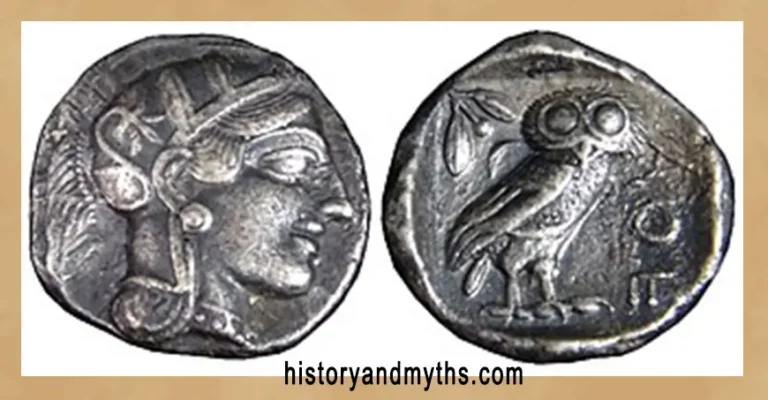
Wealth in ancient Greece was not kept in banks but stored across physical assets and trusted locations. People held value in coins, silver, goods like oil and grain, and long-term assets such as land, while using temples or secure spaces for protection. Instead of central storage, wealth was distributed to reduce risk—some kept at home, some invested in goods, and some placed in safer environments. In practice, preserving wealth meant balancing security, accessibility, and the risk of loss in a system without formal banking.
What “Wealth” Meant Beyond Coins
Wealth was not defined by coins alone. Value was spread across assets that could be stored, protected, and converted when needed.
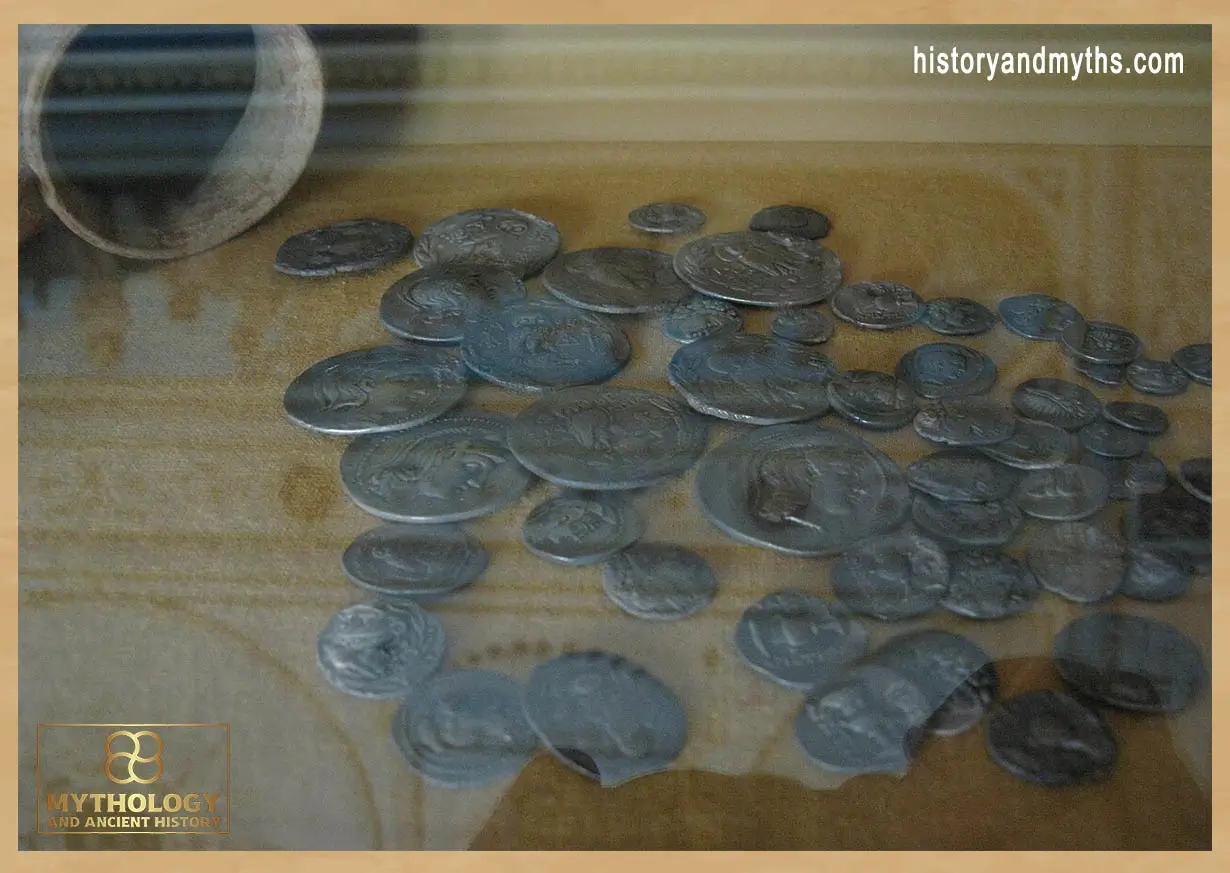
Metal as reserve. Silver—coined or in raw form—served as a compact store of value. It could be held, divided, and re-enter the market quickly, making it the closest equivalent to liquid wealth.
Goods as stored value. Oil, grain, wine, and crafted items held value over time if kept in usable condition. These were not just for consumption; they functioned as inventory that could be sold when prices improved.
Land as stability. Land anchored long-term wealth. It did not move or decay like goods, and it generated ongoing output. For those who could afford it, land reduced reliance on daily market shifts.
Portable assets. Jewelry and small valuables concentrated wealth into items that were easy to carry and conceal. This added flexibility in uncertain conditions.
Because value existed in multiple forms, storage was not a single decision. People balanced what could be held safely, what could be accessed quickly, and what could retain value over time.
| Storage Method | How It Worked | Main Advantage |
|---|---|---|
| Coins | Stored in hidden containers or buried | High liquidity |
| Goods | Oil, grain, and products kept for later sale | Flexible value use |
| Land | Owned for long-term income and stability | Low volatility |
| Temples | Valuables placed in trusted sacred spaces | Higher security |
| Distributed Storage | Assets split across forms and locations | Risk reduction |
How Coins Were Stored and Hidden
Coins were kept close, concealed, and split across locations to limit loss. There was no single “safe place”; security came from how and where money was held.
Private containers. Coins were stored in small jars, pouches, or boxes inside the household. The aim was concealment within ordinary space, not display.
Distributed storage. Instead of holding all coins together, owners divided them into separate caches. Losing one portion did not wipe out total wealth.
Buried reserves. Larger amounts were sometimes buried in sealed containers away from daily living areas. These reserves were meant for long-term security, not frequent use.
Access tiers. A small, accessible amount was kept for daily needs, while the rest was placed out of reach. This separation reduced exposure during routine transactions.
Discretion over visibility. Knowledge of where coins were kept was limited. Security depended less on physical locks and more on keeping locations unknown.
Storage, then, relied on concealment, separation, and controlled access rather than a single protected vault.
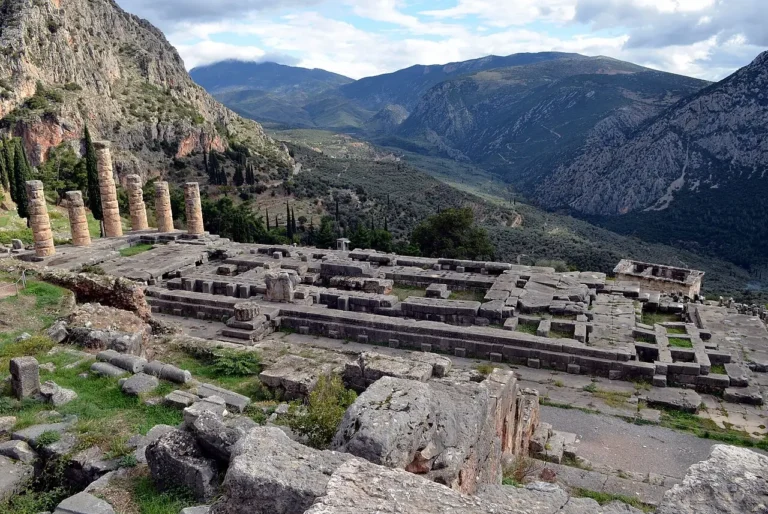
Why Temples Were Used as Secure Storage
Temples functioned as trusted deposit spaces because they combined visibility, authority, and protection without acting as banks.
Sanctuary protection. Sacred status deterred interference. Taking from a temple carried religious and social consequences, which reduced the risk of theft without physical enforcement.
Public oversight. Offerings and deposits were held in spaces known to the community. Visibility limited quiet removal and made misuse easier to detect.
Separation from daily life. Placing valuables outside the household removed them from routine exposure—visitors, workers, and ordinary movement inside the home.
Selective access. Retrieval was not casual. Deposits were approached deliberately, which reduced impulsive use and helped preserve value over time.
Scale suitability. Temples accommodated larger holdings than most private spaces, making them practical for storing significant amounts of metal or dedicated offerings.
They were not lenders or account keepers. Their role was narrower and clear: provide a place where valuables could be held with a higher level of trust than a private house.
How Goods Functioned as Stored Wealth
Goods preserved value when coins were not the best option. Storage focused on items that could be held, maintained, and sold when conditions improved.
Durable commodities. Oil, wine, grain, and metals were chosen for their ability to retain value over time. They could be stored in containers and moved back into the market when needed.
Price timing. Goods were often held through periods of low prices and released when demand increased. This turned storage into a tool for capturing better returns, not just preservation.
Quality control. Value depended on condition. Proper storage—sealed jars, dry spaces, controlled handling—protected goods from spoilage and loss.
Partial liquidation. Goods could be sold in portions. This allowed owners to convert only what was needed into cash while keeping the rest stored.
Conversion flexibility. Stored goods could be turned into coins, exchanged for other assets, or used directly. Their usefulness did not depend on a single form of transaction.
Goods, in this role, were not passive stock. They were an active reserve of value that could be managed and released according to market conditions.
- Wealth existed in multiple forms, not just money
- Coins were hidden or separated for safety
- Goods acted as both storage and trade value
- Land provided long-term stability and income
- Temples offered trusted storage for larger assets
© historyandmyths.com — Educational use
How Land Stored Long-Term Wealth
Land secured value by producing it, not by being traded frequently.
Output over time. Fields, orchards, and vineyards generated crops each season. Income came from repeated harvests, not a single sale, which stabilized returns.
Limited supply. Land could not be expanded within a city’s territory. Scarcity supported its value even when prices for goods fluctuated.
Low daily risk. Unlike stored goods, land did not spoil or require constant monitoring. Loss came mainly from external events, not routine handling.
Transfer when needed. Ownership could be sold or used to settle obligations. This provided a path to convert long-term value into cash when required.
Control and status. Holding land reduced dependence on market swings and strengthened position within the local economy, supporting more consistent income over time.
Land functioned as a steady base of wealth—less flexible than coins, but more resistant to short-term change.
How Wealth Was Protected from Loss
Protection focused on reducing exposure rather than building a single defense.
Separation. Assets were split across forms and locations—coins in the house, reserves buried, goods in storage, value held in land. A single incident could not wipe out everything.
Concealment. Storage relied on being unnoticed. Containers were placed within ordinary spaces or hidden entirely, limiting who knew what existed and where.
Controlled access. Only a small portion remained immediately available. The rest required deliberate retrieval, reducing the chance of impulsive use or accidental loss.
Condition management. Stored goods were maintained to prevent decay—sealed vessels, dry spaces, careful handling. Preserving quality preserved value.
Local trust points. For larger amounts, owners used spaces with higher social protection, such as sanctuaries, to add a layer of security beyond the household.
Loss was managed by limiting risk at each point—where wealth was kept, how it was accessed, and how it was maintained—rather than relying on a single protective system.
Why Wealth Was Spread, Not Centralized
Concentrating wealth in one place increased the chance of total loss. Distribution reduced that exposure.
Single-point risk. Theft, fire, or seizure could eliminate a centralized reserve in one event. Splitting assets across locations prevented complete loss.
Different asset behaviors. Coins, goods, and land responded to risk in different ways. Holding all value in one form tied outcomes to a single type of failure.
Access control. Keeping portions in separate places allowed selective use. Daily needs were met from accessible stores while long-term reserves remained untouched.
Market flexibility. Distributed wealth could be converted in parts. Owners could sell goods, spend coins, or draw from output without liquidating everything at once.
Unstable conditions. With no institutional guarantees, security depended on limiting exposure. Distribution acted as a practical safeguard within a system without centralized protection.
Spreading wealth was not inefficiency—it was the primary method of managing risk while keeping value usable.
What This System Reveals About Greek Economy
The way wealth was stored shows an economy built on control and flexibility, not centralized structures.
No institutional storage. Without banks, security came from personal strategies—where assets were placed and how they were divided.
Multiple forms of value. Wealth was not locked into a single medium. Coins, goods, and land worked together, each covering a different need—liquidity, storage, or stability.
Active management. Storage required decisions. Owners adjusted what to hold, what to sell, and where to keep assets based on changing conditions.
Risk-aware behavior. Every choice—splitting assets, hiding coins, storing goods—responded to the possibility of loss. Protection was built into daily practice, not external systems.
Local control. Decisions stayed at the individual level. There was no central authority managing wealth; outcomes depended on how effectively each person handled their resources.
This system was not primitive. It functioned through practical methods that balanced security, access, and value within the limits of the time.
- Wealth was stored across coins, goods, land, and secure locations
- No central banking system controlled wealth storage
- Distribution reduced the risk of total loss
- Goods and land provided stability beyond coin storage
- Protection relied on concealment, separation, and trust
Frequently Asked Questions
How was wealth stored in ancient Greece?
Wealth was stored in coins, goods, land, and secure locations like temples rather than in banks.
Did ancient Greeks have banks?
No. There were no central banks; people relied on personal and distributed storage methods.
Why were temples used for storing wealth?
Temples were trusted and protected spaces, making them safer for valuable assets.
Were goods considered wealth?
Yes. Items like oil and grain held value and could be stored or sold later.
How did people protect their wealth?
They hid, divided, and stored assets in different forms to reduce risk.
Was land an important form of wealth?
Yes. Land provided long-term stability and ongoing income.
Sources & Rights
- Bresson, Alain. The Making of the Ancient Greek Economy. Princeton University Press, 2016.
- Finley, M.I. The Ancient Economy. University of California Press.
- Morley, Neville. Trade in Classical Antiquity. Cambridge University Press.
- Cohen, Edward E. Athenian Economy and Society. Princeton University Press.
- Davies, J.K. The Greek Economy. Cambridge University Press.
- Harris, Edward M. Democracy and the Rule of Law in Classical Athens. Cambridge University Press.
- Ober, Josiah. The Rise and Fall of Classical Greece. Princeton University Press.
- Shipton, Katherine. Money and the Elite in Classical Athens. Cambridge University Press.
- Isager, Signe, and Jens Erik Skydsgaard. Ancient Greek Agriculture. Routledge.
- Aristotle. The Athenian Constitution.
- Xenophon. Oeconomicus.
Written by H. Moses — All rights reserved © Mythology and History