Market Fraud and Cheating in Ancient Greek Cities
Market fraud existed in Ancient Greek trade through dishonest weights, manipulated measurements, poor-quality goods, deceptive pricing, and other forms of commercial manipulation inside urban marketplaces. Because Greek cities depended heavily on daily market exchange for food, goods, and trade activity, maintaining trust between buyers and sellers became essential for economic stability and public order.
Greek authorities therefore supervised markets more closely through inspections, regulations, and officials responsible for monitoring commercial behavior. Fraud was not viewed simply as individual dishonesty, but as a threat to fair exchange, civic trust, and the functioning of urban economic life inside the polis.
Why Market Trust Was Important in Greek Trade
Greek trade depended heavily on trust because daily commercial activity required buyers and sellers to rely on consistent measurements, fair exchange, and predictable market behavior. Urban markets functioned more effectively when participants believed goods were reasonably represented and transactions followed accepted standards.
Loss of trust could weaken commercial stability inside crowded city markets where large populations depended on regular access to food, imported goods, and basic supplies. Suspicion toward merchants or widespread dishonest practices could reduce confidence in exchange systems and increase pressure on authorities to intervene.
Trust also influenced long-term reputation within Greek commercial life. Merchants who maintained reliability and fairness were often better positioned to sustain business relationships inside competitive urban marketplaces.
Market Fraud in Ancient Greek Trade
| Type of Market Fraud | Impact on Greek Trade |
|---|---|
| False Weights and Measurements | Undermined fair commercial exchange |
| Poor-Quality or Adulterated Goods | Reduced trust in urban marketplaces |
| Price Manipulation and Hoarding | Increased pressure during shortages and crises |
| Weak Market Oversight | Allowed dishonest practices to spread more easily |
| Fraud During Crises | Threatened public confidence and urban stability |
False Weights and Measurements
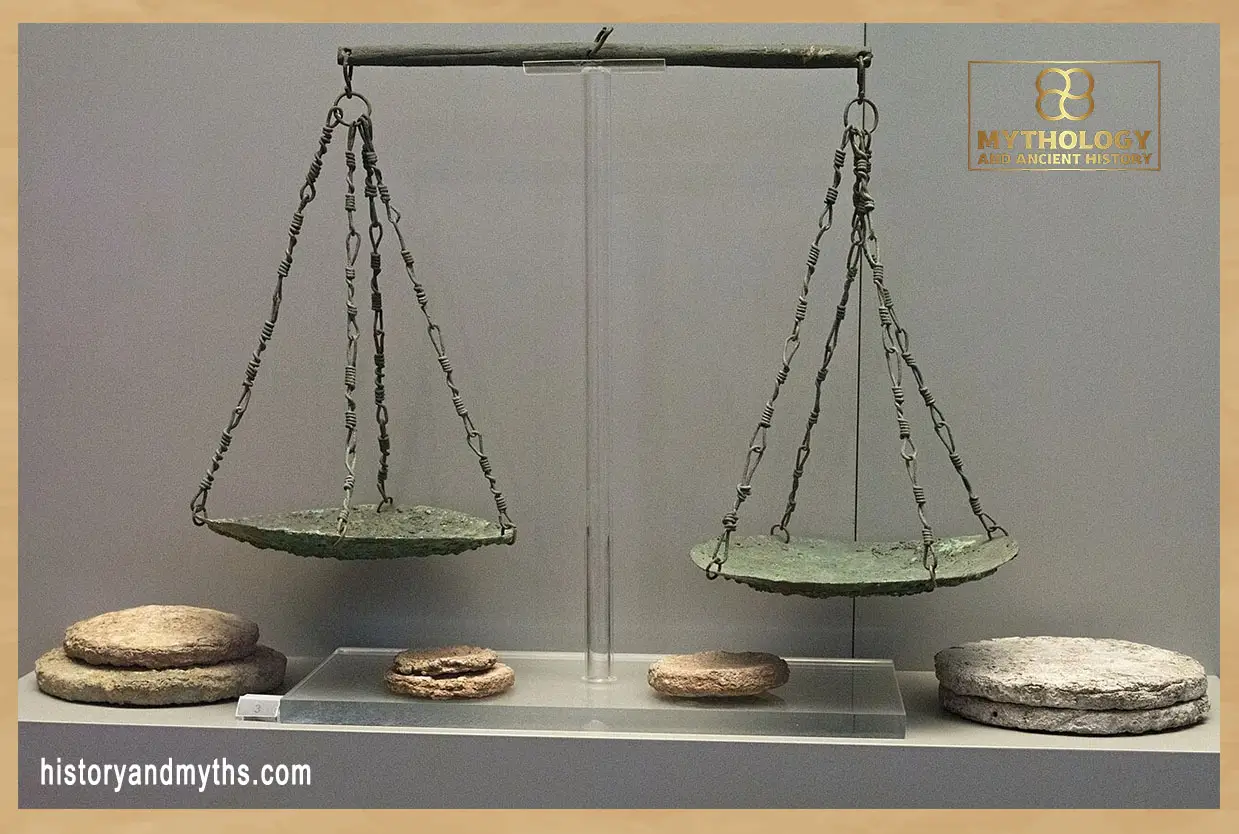
One of the most common forms of market fraud in Ancient Greek trade involved dishonest weights and manipulated measurements used during commercial exchange. Merchants could alter scales, use inaccurate measuring containers, or reduce quantities in ways that were difficult for buyers to detect immediately.
Because many daily transactions depended on weighed goods such as grain, oil, and other staple products, even small manipulation could generate consistent profit through repeated market activity. These practices became especially harmful during shortages or periods of rising prices.
False measurements threatened confidence in urban trade systems by making fair exchange more difficult to guarantee. Greek authorities therefore paid close attention to weights and measures as part of broader market supervision inside the polis.
Selling Poor-Quality or Adulterated Goods
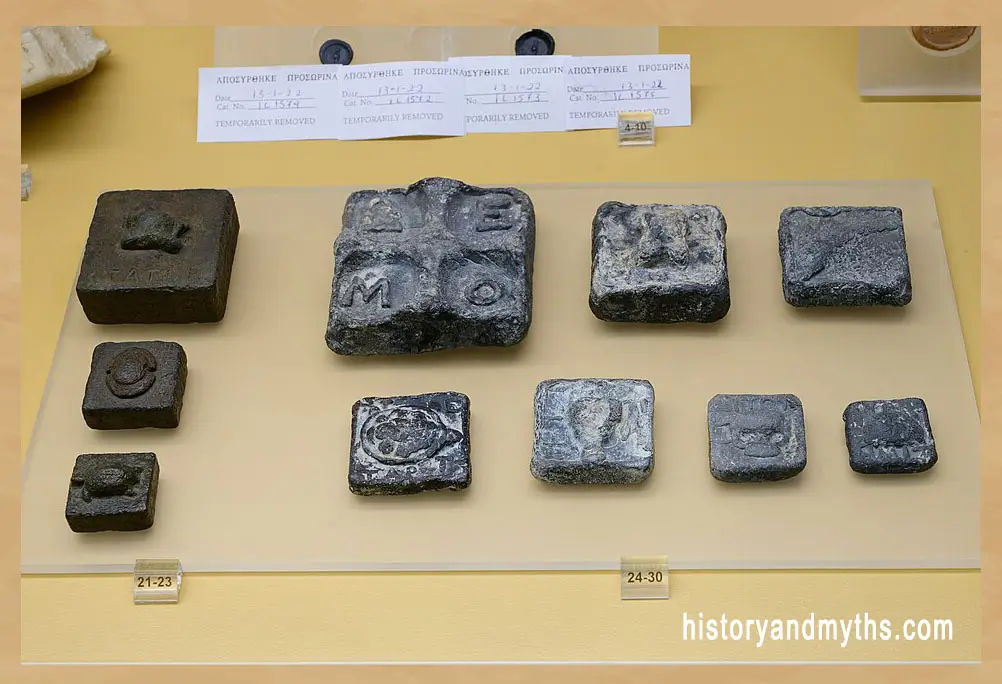
Market fraud also included the sale of low-quality or altered goods presented as valuable products inside Greek marketplaces. Merchants could dilute wine, mix grain with inferior material, conceal defects, or misrepresent the quality and origin of commercial goods offered for sale.
These practices became more profitable when demand increased or reliable inspection remained difficult. Buyers often depended on visible appearance, reputation, and trust during transactions, creating opportunities for deception within busy urban markets.
Poor-quality goods damaged confidence in commercial exchange because consumers could not always verify products before purchase. Fraudulent trade therefore threatened both individual buyers and the broader reliability of market activity inside Greek cities.
Price Manipulation and Hoarding
Some merchants attempted to influence prices by restricting access to goods, delaying sales, or exploiting shortages during periods of increased demand. Hoarding valuable supplies could create artificial scarcity inside urban markets and allow sellers to profit from rising prices.
These practices became especially dangerous during food shortages or wartime disruption when cities depended heavily on stable access to grain and imported goods. Rapid price increases could place severe pressure on poorer populations and increase public anger toward traders viewed as exploiting crisis conditions.
Price manipulation also threatened market stability by weakening confidence in fair commercial exchange. Greek authorities therefore monitored certain forms of trade behavior more closely when shortages or economic pressure increased inside the polis.
Market Inspectors and Supervision
Greek cities appointed officials responsible for supervising market activity and reducing dishonest commercial practices inside urban trade centers. In many poleis, agoranomoi monitored transactions, inspected measurements, and helped enforce regulations connected to fair exchange.
Market supervision aimed to protect both consumers and overall commercial stability rather than simply punish individual merchants. Authorities understood that widespread fraud could damage trust in urban markets and weaken confidence in economic systems essential for daily life.
Inspectors also reinforced public accountability by making commercial activity more visible and regulated. Their presence signaled that markets operated under civic oversight rather than entirely private control.
Market Trust Was Essential for Greek Trade
Ancient Greek trade depended heavily on trust, reliable measurements, fair pricing, and stable market behavior. Fraud threatened not only individual buyers, but also the wider economic stability and civic confidence necessary for urban commercial life inside the polis.
© historyandmyths.com — Educational use
Fraud and Public Reputation
Public reputation played an important role in Greek trade because merchants depended heavily on trust and repeated commercial interaction inside competitive urban markets. Traders associated with dishonesty risked losing customers, weakening partnerships, and damaging long-term credibility within the community.
Market fraud therefore carried social consequences beyond immediate financial gain. Buyers shared information about unfair practices, suspicious behavior, or unreliable merchants, making reputation an important form of informal market regulation.
This visibility encouraged many traders to maintain consistent standards of behavior in order to protect commercial relationships and preserve standing within local economic networks.
Why Fraud Threatened Urban Stability
Market fraud threatened urban stability because commercial systems in Greek cities depended on predictable exchange and reliable access to essential goods. When dishonest practices became widespread, confidence in markets weakened and economic tension increased inside densely populated urban environments.
Fraud became especially dangerous during shortages or periods of economic pressure when populations relied heavily on fair pricing and stable supply systems. Manipulated trade could intensify public frustration, increase inequality, and create pressure on authorities responsible for maintaining order.
For Greek governments, controlling market fraud was therefore connected not only to commercial fairness, but also to broader concerns involving civic trust, social stability, and the functioning of urban life.
Fraud During Food Shortages and Crisis Periods
Market fraud often became more dangerous during shortages and crisis periods because rising demand and public anxiety created greater opportunities for manipulation inside urban markets. Merchants could exploit scarcity through inflated prices, hidden supplies, or deceptive sales practices aimed at increasing profit during unstable conditions.
Periods of disrupted trade or limited food access also made oversight more difficult. Governments facing pressure from shortages, war, or transport disruption sometimes struggled to monitor commercial activity as closely as under normal conditions.
Fraud during crises therefore carried broader social consequences than ordinary market dishonesty. Exploiting essential goods during periods of public vulnerability could intensify instability and weaken trust in both merchants and civic authorities.
Why Fair Trade Was Essential for Greek Cities
Fair trade helped Greek cities maintain stable commercial systems by supporting trust between buyers, sellers, merchants, and civic authorities. Urban populations depended on predictable exchange for access to food, imported goods, and daily necessities, making reliable market behavior essential for economic continuity.
Stable trade also reduced tension during periods of scarcity or political uncertainty. Markets functioned more effectively when participants believed measurements, prices, and product quality operated within accepted standards rather than widespread manipulation.
For many Greek cities, fair commercial exchange became part of the broader infrastructure that supported urban order, public confidence, and long-term economic stability inside the polis.
Key Takeaways
- Market fraud in Ancient Greece included false measurements, adulterated goods, and price manipulation.
- Greek trade depended heavily on trust and reliable commercial exchange.
- Dishonest weights and measurements threatened confidence in urban marketplaces.
- Food shortages and crises increased opportunities for commercial manipulation.
- Market inspectors supervised trade activity and enforced commercial standards.
- Public reputation influenced long-term trust between merchants and buyers.
- Fair trade supported economic stability and urban order inside Greek cities.
Frequently Asked Questions
What kinds of market fraud existed in Ancient Greece?
Common forms of fraud included false weights, manipulated measurements, adulterated goods, deceptive pricing, and hoarding during shortages.
Why was trust important in Greek trade?
Greek markets depended on reliable exchange systems because urban populations relied heavily on daily commercial activity for essential goods and food supplies.
How did merchants cheat with measurements?
Some traders used altered scales, inaccurate containers, or reduced quantities to increase profits during commercial transactions.
Did Ancient Greek governments regulate markets?
Yes. Greek cities appointed officials such as agoranomoi to supervise markets, inspect measurements, and monitor commercial behavior.
How did fraud affect urban stability?
Fraud weakened confidence in markets, increased public tension during shortages, and threatened economic stability inside crowded cities.
What were adulterated goods in Greek trade?
These included products altered or diluted to appear more valuable, such as poor-quality grain or watered-down wine.
Did public reputation matter for Greek merchants?
Yes. Merchants depended heavily on trust and repeated transactions, making reputation important for long-term commercial success.
Why did fraud increase during food shortages?
Scarcity created opportunities for price manipulation, hoarding, and exploitation of vulnerable urban populations during periods of crisis.
Sources & Rights
- Finley, Moses I. The Ancient Economy. University of California Press, 1999.
- Bresson, Alain. The Making of the Ancient Greek Economy. Princeton University Press, 2016.
- Hansen, Mogens Herman. The Athenian Democracy in the Age of Demosthenes. University of Oklahoma Press, 1999.
- Aristotle. The Athenian Constitution. Academic translated editions.
- Rhodes, P. J. The Greek City States: A Source Book. Cambridge University Press, 2007.
- Davies, John K. Democracy and Classical Greece. Harvard University Press, 1993.
- Foxhall, Lin. Money, Labour and Land: Approaches to the Economies of Ancient Greece. Routledge, 2002.
- Cartledge, Paul. Ancient Greece: A History in Eleven Cities. Oxford University Press, 2009.
- Moreno, Alfonso. Feeding the Democracy: The Athenian Grain Supply in the Fifth and Fourth Centuries BC. Oxford University Press, 2007.
- Andreades, A. M. A History of Greek Public Finance. Harvard University Press, 1933.
- Ober, Josiah. The Rise and Fall of Classical Greece. Princeton University Press, 2015.
- Sealey, Raphael. The Athenian Republic. Pennsylvania State University Press, 1987.
- Hornblower, Simon. The Greek World: 479–323 BC. Routledge, 2011.
- Osborne, Robin. Greece in the Making: 1200–479 BC. Routledge, 2009.
- Garnsey, Peter. Famine and Food Supply in the Graeco-Roman World. Cambridge University Press, 1988.
- Thucydides. History of the Peloponnesian War. Academic translated editions.
- Van Wees, Hans. Greek Warfare: Myths and Realities. Duckworth, 2004.
- Murray, Oswyn. Early Greece. Harvard University Press, 1993.
- Burford, Alison. Land and Labor in the Greek World. Johns Hopkins University Press, 1993.
- Meiggs, Russell. The Athenian Empire. Oxford University Press, 1972.
Written by H. Moses — All rights reserved © Mythology and History