Sacred Speech in Ancient Egypt: How Words Shaped Reality
In ancient Egyptian belief, speech was never neutral. Words did not merely communicate ideas; they did things. A spoken phrase could protect, create, bind, or destroy. To speak incorrectly was not a mistake in language, but a disruption of order. Speech itself was understood as a force capable of shaping reality.
Egyptians believed that the world responded to properly spoken words. Creation began through utterance, authority was established through declaration, and protection was maintained through precise formulas. Spoken language activated power, while written language preserved it across time. What mattered was not emotion or persuasion, but accuracy—the right words, spoken in the right form.
This concept explains why texts, names, and ritual speech dominate Egyptian religion. Sacred speech was not symbolic performance; it was functional action. Words carried responsibility, and silence could be as meaningful as sound. Understanding sacred speech reveals how the Egyptians thought about power, order, and the fragile balance that held the world together.
What Is Sacred Speech in Ancient Egypt?
Sacred speech in ancient Egypt was the belief that spoken language could produce real effects. Words were not valued for expression or emotion, but for their ability to activate power. Speech worked when it was correct, precise, and properly framed. Meaning alone was not enough; form determined effectiveness.
Egyptians did not separate language from action. To name, command, or recite was to intervene in reality. Sacred speech functioned as a mechanism, not a metaphor. This is why many Egyptian texts emphasize correct wording and warn against mistakes. An error in speech was not symbolic—it weakened the intended effect.
This understanding applied across contexts. In creation myths, the world came into being through utterance. In ritual settings, spoken formulas stabilized divine presence. In funerary practice, recitations guided the dead through danger. Speech did not persuade the universe; it triggered processes already embedded within it.
Sacred speech was therefore defined by discipline, not inspiration. Improvised words held little value. Power depended on repetition, structure, and accuracy. The goal was reliability, not creativity. Speech worked best when it followed established forms that aligned with cosmic order.
By viewing speech as functional rather than expressive, Egyptian thought treated language as a tool of balance. Words could sustain order when used correctly—or disrupt it when misused. Sacred speech was powerful precisely because it carried responsibility.
| Aspect | Sacred Speech | Ordinary Speech |
|---|---|---|
| Primary Function | Activates power and produces real effects | Communicates ideas or emotions |
| Relation to Reality | Intervenes directly in cosmic and social order | Describes or reacts to reality |
| Accuracy | Essential; errors weaken or disrupt effects | Flexible; mistakes rarely have consequences |
| Form and Structure | Fixed formulas and established wording | Improvised and personal |
| Spoken vs Written | Writing preserves speech and extends its power | Writing records speech without functional power |
| Who May Use It | Gods, kings, priests, and humans (regulated) | Anyone without restriction |
| Risk of Misuse | High; misuse may cause imbalance or danger | Low; misuse rarely affects order |
Speech, Creation, and Authority
In ancient Egyptian thought, creation itself was an act of speech. The universe did not emerge through physical struggle, but through utterance and command. Speaking was a way of bringing form into existence. To name something was to define its role and secure its place within order.
This principle extended naturally into authority. Power was not demonstrated through force, but through declaration. Divine authority operated by spoken command, and royal authority functioned the same way. When a god or king spoke, the act itself carried weight because it activated an existing cosmic structure. Authority was recognized through speech that aligned with order.
Speech also established legitimacy. Laws, rituals, and social boundaries were affirmed through spoken formulas. Silence in moments that required declaration signaled weakness, while incorrect speech introduced instability. Authority depended on precision, not volume or persuasion.
This explains why speech was tightly controlled in religious and political contexts. Only those properly authorized could speak certain words. Titles, names, and formulas were restricted because speech was understood as performative power. Words did not describe authority—they enacted it.
By linking speech to creation and governance, Egyptian belief framed language as a stabilizing force. The right words, spoken at the right moment, reaffirmed structure. Without them, creation itself risked unraveling.
Spoken vs Written Speech — Why Writing Lasted Beyond Death
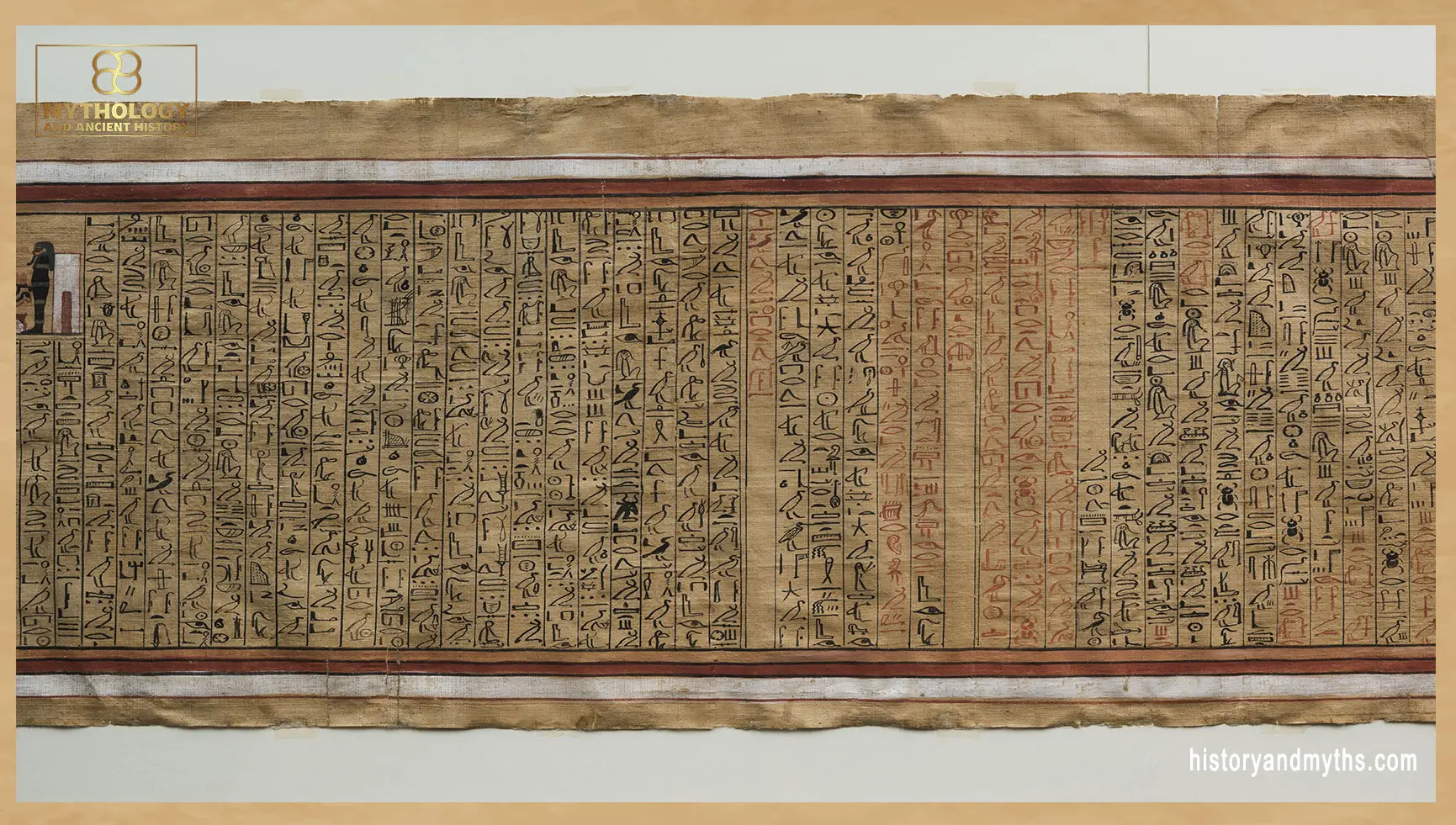
Ancient Egyptians clearly distinguished between spoken speech and written speech, but they did not treat writing as secondary. Spoken words activated power in the present moment, while written words preserved that activation across time. Writing was not a record of speech; it was speech made permanent.
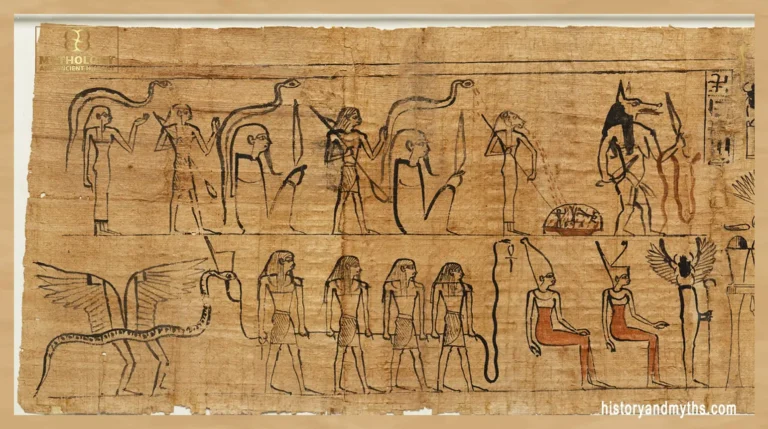
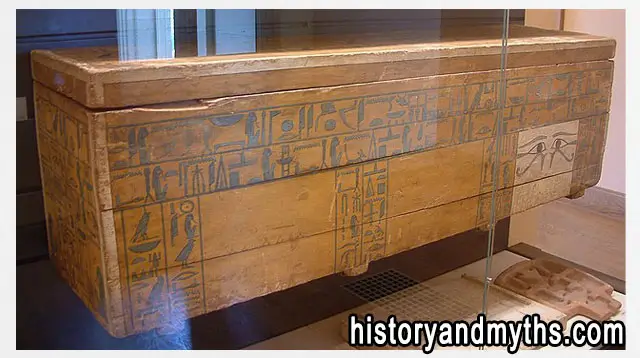
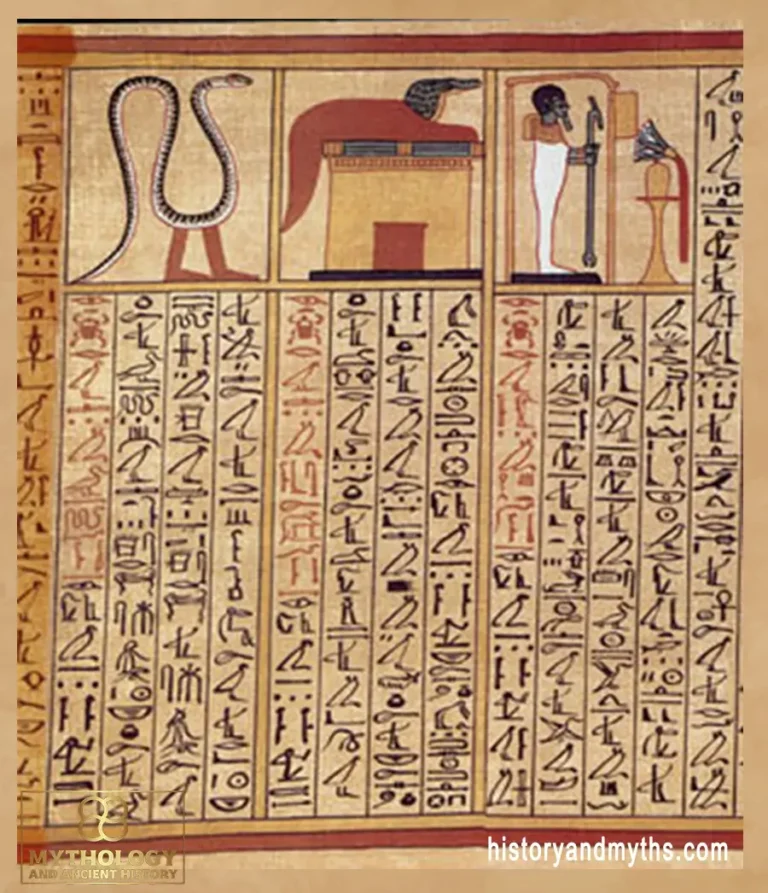
This belief explains why texts covered temple walls, coffins, and papyri. Once written correctly, words continued to function without repetition. A spell inscribed on a surface remained active long after the speaker was gone. Writing extended sacred speech beyond human presence, making it especially important in funerary contexts.
In the afterlife, the dead could not speak freely. Writing compensated for this limitation. Inscribed texts spoke on behalf of the deceased, ensuring protection, guidance, and recognition. The written word replaced the living voice and carried authority into eternity.
Accuracy was even more critical in writing than in speech. Errors could not be corrected once sealed into stone or papyrus. This is why scribes were highly trained and why texts followed fixed patterns. Creativity risked malfunction. Reliability mattered more than originality.
Spoken and written speech served different functions but relied on the same principle: words worked because they were structured correctly. Speech acted immediately; writing endured. Together, they ensured that power remained active both in life and beyond death.
Names, Accuracy, and Danger
In ancient Egyptian belief, a name was not a label. It was an essential part of existence. To know a name was to access the power associated with it. To speak a name correctly was to activate that power. This is why names were treated with extreme care and precision.
Accuracy mattered because misnaming caused disruption. An incorrect name weakened protection, misdirected power, or invited chaos. In ritual and funerary texts, the correct identification of gods, places, and threats ensured safe passage and recognition. A mistake was not symbolic—it had consequences.
Names also functioned as safeguards. Many texts included long lists of divine names and titles to prevent ambiguity. By naming fully and precisely, the speaker or scribe closed gaps through which danger might enter. Silence or omission could be safer than incorrect speech.
This belief explains practices such as name preservation and name destruction. To preserve a name was to secure continued existence. To erase a name was to deny identity and power. Speech could grant continuity, while silence—or deliberate removal—could end it.
Sacred speech therefore demanded discipline. Knowing when to speak, what to say, and how to say it determined whether power flowed correctly. Names were tools, but only when handled with respect and exactness. In this system, language was never harmless—it was precise, controlled, and potentially dangerous.
Attribution required; image may be cropped or adjusted as needed.
Sacred Speech — How Words Became Power
- Speech was action: Words were believed to produce real effects, not just convey meaning.
- Accuracy mattered: Correct wording ensured stability; mistakes risked disruption.
- Creation began with speech: The world itself was brought into order through utterance and naming.
- Writing preserved power: Inscribed words continued to function long after the speaker was gone.
- Names carried danger: Knowing and speaking a name granted access to its power.
- Silence had purpose: Withholding speech could protect order and contain risk.
© historyandmyths.com — Educational use
When Silence Becomes Sacred
In ancient Egyptian thought, power did not always require speech. Silence could be protective. Just as correct words activated order, withholding speech could prevent disruption. Sacred silence was not absence—it was control.
Certain knowledge was considered dangerous if spoken openly. Names of hostile forces, chaotic beings, or harmful powers were sometimes avoided or partially concealed. Silence limited exposure. By not speaking, one prevented activation. In this way, restraint became a form of wisdom.
Silence also marked boundaries. In ritual contexts, not everyone was permitted to speak. Restricted speech protected the balance between humans and the divine. Speaking without authorization risked imbalance. Silence signaled respect for limits and awareness of consequence.
This concept extended into funerary belief. The dead were often depicted as silent observers unless properly addressed through texts. Silence preserved identity until the correct words restored voice and agency. Speech without preparation was dangerous; silence maintained stability.
Sacred silence reveals a key principle: power in Egypt was managed, not unleashed. Knowing when not to speak was as important as knowing the correct formula. Silence did not oppose sacred speech—it completed it by ensuring that power remained contained and aligned.
Sacred Speech in Daily Life
Sacred speech was not limited to temples or the afterlife. It operated quietly within daily Egyptian life. Ordinary people relied on structured words to protect homes, heal illness, secure travel, and maintain personal safety. These were not grand rituals, but controlled uses of language intended to stabilize uncertain situations.
Short spoken formulas, blessings, and carefully phrased requests were common. Their effectiveness did not depend on emotion or faith alone, but on correctness. Repetition reinforced reliability. People trusted words that had worked before, not improvised speech. Tradition mattered because it preserved accuracy.
Speech also governed social order. Oaths, commands, and formal declarations carried weight because they were spoken within recognized frameworks. Breaking a spoken promise disrupted trust and order. Words bound people to actions in ways that extended beyond personal intention.
Even in moments of crisis, restraint mattered. Not every fear was named aloud. Certain dangers were approached indirectly through symbolic language or silence. Daily life required constant negotiation between speaking enough to activate protection and remaining silent enough to avoid provoking harm.
Through these practices, sacred speech became an invisible structure supporting everyday existence. It did not dominate life with spectacle but maintained balance through disciplined language. The same principles that governed creation and ritual shaped ordinary survival.
Key Takeaways — Sacred Speech in Ancient Egypt
- Speech was functional: Words were believed to act upon reality, not merely describe it.
- Accuracy ensured stability: Correct phrasing maintained order; errors weakened intended effects.
- Creation relied on utterance: Naming and speaking brought form, authority, and structure into being.
- Writing extended speech: Inscribed words preserved power beyond time and human presence.
- Names carried responsibility: To know and speak a name granted access to its power and risk.
- Silence completed speech: Restraint and withholding words protected balance when speech was dangerous.
Frequently Asked Questions About Sacred Speech in Ancient Egypt
What does “sacred speech” mean in ancient Egyptian belief?
Sacred speech refers to the belief that spoken words could actively shape reality. Speech was understood as a functional force that created, protected, or stabilized order when used correctly.
Was sacred speech the same as magic?
No. Sacred speech was not about performing supernatural tricks. It was a disciplined use of language that activated power already embedded in the universe.
Why was accuracy so important in sacred speech?
Accuracy ensured that power was directed correctly. Errors in wording or naming were believed to weaken protection or introduce instability.
What was the difference between spoken and written sacred speech?
Spoken speech activated power in the present, while written speech preserved that activation across time, allowing words to continue functioning after death.
Why were names considered dangerous?
Names were believed to contain essential power. Knowing and speaking a name granted access to its influence, making correct usage critical.
Did ordinary people use sacred speech?
Yes. Ordinary Egyptians used structured words for protection, healing, and daily stability, though access was limited and carefully framed.
Why was silence sometimes considered sacred?
Silence prevented the misuse of power. Withholding speech could contain risk and protect balance when speaking was dangerous or inappropriate.
Sources & Rights
- Assmann, Jan. The Search for God in Ancient Egypt. Ithaca: Cornell University Press, 2001.
- Assmann, Jan. Death and Salvation in Ancient Egypt. Ithaca: Cornell University Press, 2005.
- Hornung, Erik. Conceptions of God in Ancient Egypt: The One and the Many. London: Routledge & Kegan Paul, 1982.
- Hornung, Erik. The Ancient Egyptian Books of the Afterlife. Ithaca: Cornell University Press, 1999.
- Pinch, Geraldine. Magic in Ancient Egypt. Austin: University of Texas Press, 1994.
- Pinch, Geraldine. Egyptian Mythology: A Guide to the Gods, Goddesses, and Traditions of Ancient Egypt. Oxford: Oxford University Press, 2002.
- Ritner, Robert K. The Mechanics of Ancient Egyptian Magical Practice. Chicago: Oriental Institute of the University of Chicago, 1993.
Written by H. Moses — All rights reserved © Mythology and History