Tax Systems in Mesopotamia Under Assyria and Babylon
Tax systems in Mesopotamia were not primitive experiments in revenue collection. They were structured mechanisms that sustained armies, funded monumental construction, supported temples, and bound provinces to imperial authority. In Assyria and Babylon alike, taxation functioned as the economic spine of the state. Without it, expansion would have stalled and administration would have collapsed.
Yet Mesopotamian taxation was not a uniform, centrally standardized system in the modern sense. It operated through land assessments, labor obligations, trade levies, and tribute from dependent regions. Collection depended on provincial governors, scribes, and storage networks. What appears simple in outline was complex in execution. Every harvest, shipment, and recorded transaction reinforced the relationship between ruler and subject.
Understanding taxation in Mesopotamia therefore requires looking beyond the word “tax.” It meant measurement, obligation, accountability, and, above all, control.
What Taxation Meant in Practice
In practical terms, taxation in Mesopotamia was tied first to land. Agricultural output formed the primary taxable base because grain was measurable, storable, and transferable. Fields were assessed according to productivity, irrigation access, and ownership status. Portions of harvests were delivered as fixed quotas. These quotas were not symbolic; they were expected in full, recorded in writing, and audited against prior yields.
Taxation also extended to labor. Corvée obligations required individuals or communities to provide work for state projects—canals, fortifications, roads, and transport. This was not a monetary tax, but it represented economic extraction. Labor time was redirected from private survival to public construction. In times of major building campaigns, this burden intensified.
Trade provided another taxable stream. Merchants moving goods across cities or provincial boundaries faced duties and tariffs. Customs checkpoints regulated flows of commodities such as metals, textiles, timber, and agricultural surplus. Revenue from trade supplemented agrarian taxation, especially in periods of commercial growth.
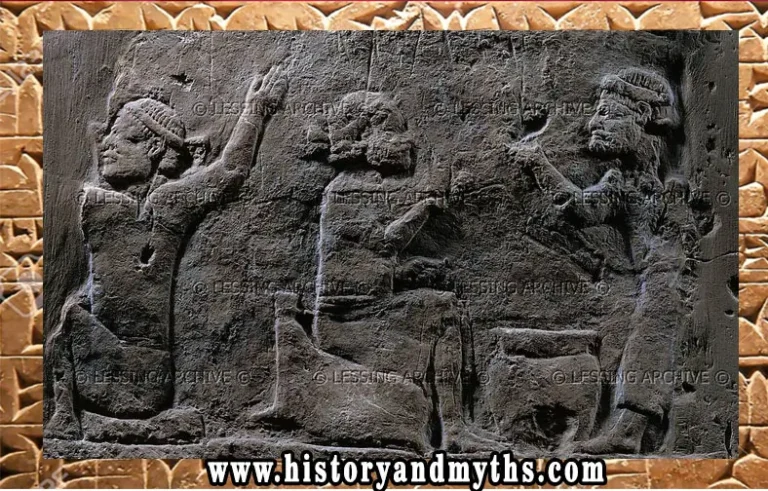
Dependent territories paid tribute. Tribute differed from regular taxation in that it followed political subordination rather than internal citizenship. Vassal rulers delivered goods, metals, livestock, or luxury items as a visible acknowledgment of hierarchy. These transfers strengthened the imperial treasury and symbolized dominance.
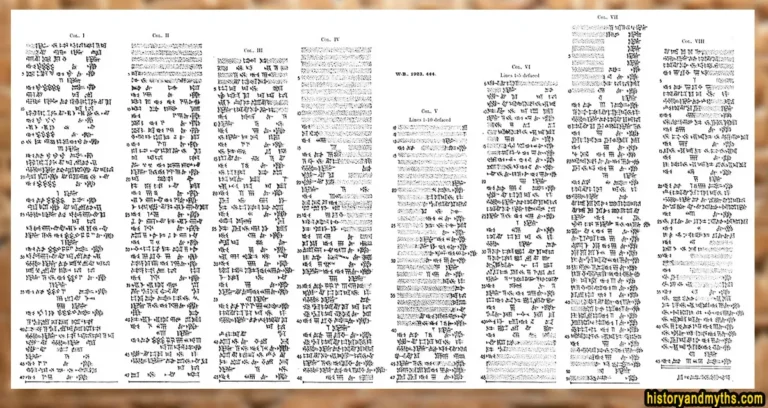
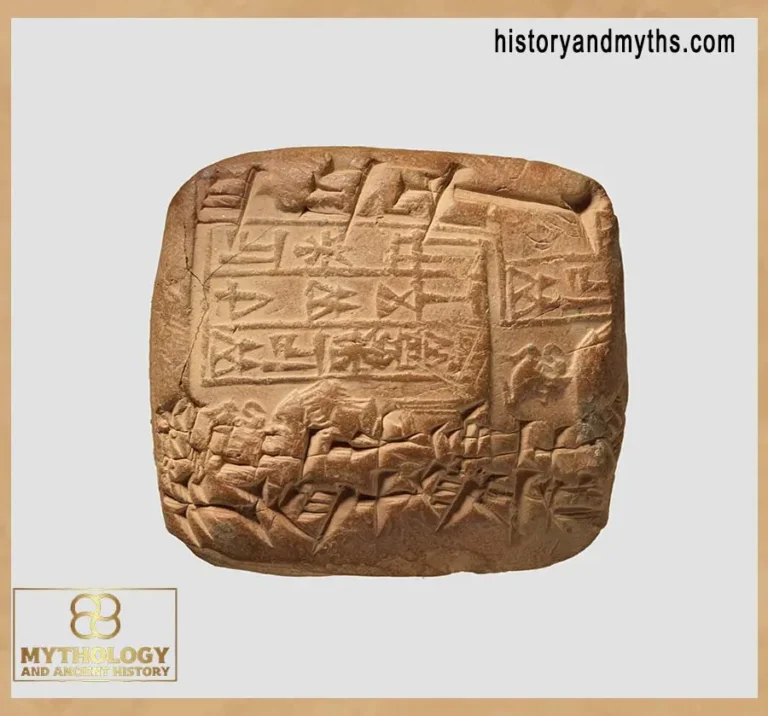
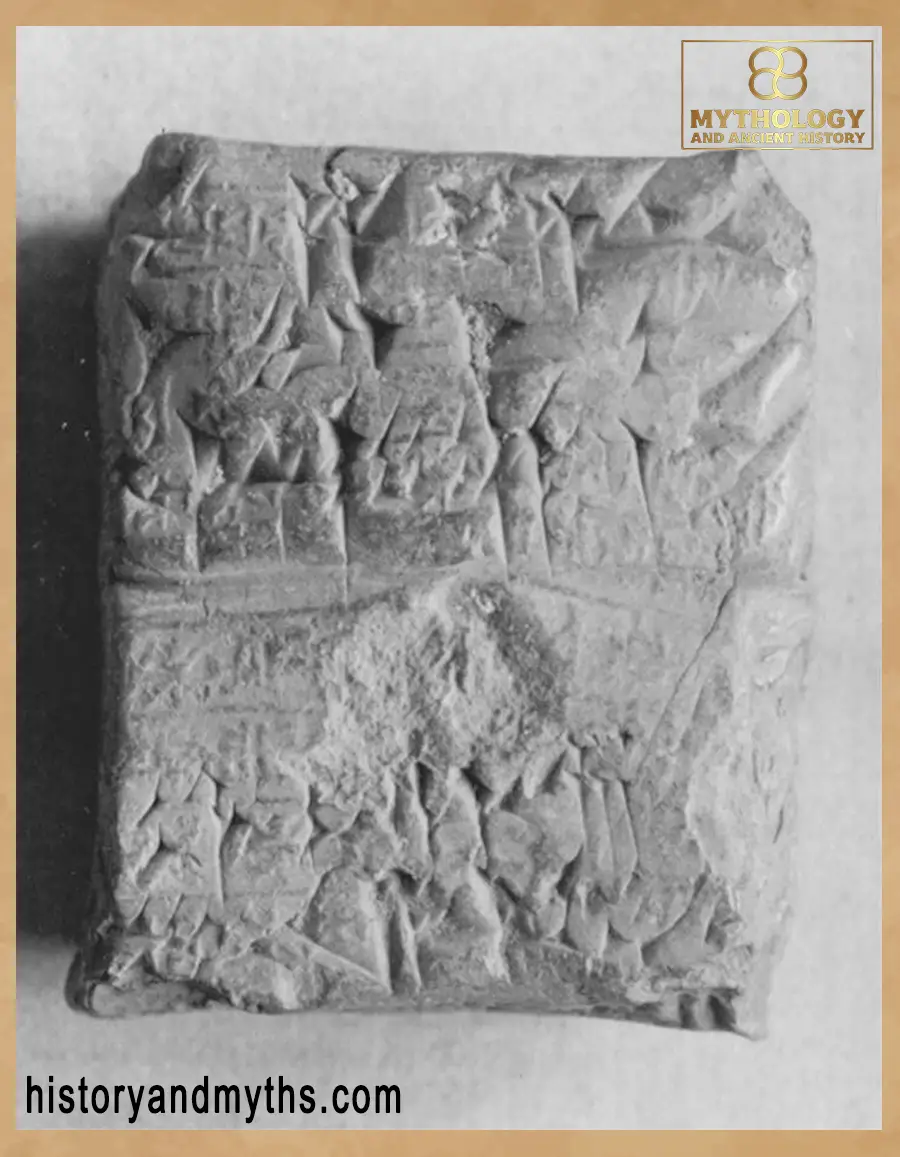
All of this required documentation. Clay tablets recorded quantities, dates, origins, and responsible officials. Scribes did not merely list goods; they maintained accountability chains. If grain went missing, responsibility could be traced. If quotas were unmet, explanations were demanded. The written record transformed taxation from arbitrary seizure into a monitored system.
Taxation in Mesopotamia, then, was not random extraction. It was structured economic management. It financed the state while embedding authority into daily life.
| Type | Description | Purpose |
|---|---|---|
| Land Tax | Portion of agricultural yield | Support state and army |
| Corvée Labor | Mandatory public work service | Infrastructure and construction |
| Trade Duties | Levies on goods and merchants | Supplement royal revenue |
| Tribute | Goods from subordinate territories | Political submission and wealth transfer |
Mechanisms of Collection
Collection depended on structure, not improvisation. Provincial governors supervised assessment, but the technical work fell to scribes and local officials. Land was measured, yields were estimated, and quotas were set in advance of harvest. These expectations were not abstract; they were tied to prior records and irrigation conditions.
Grain payments were delivered to designated storage facilities. State and temple granaries functioned as fiscal centers. Officials inspected deliveries, weighed quantities, and recorded compliance. Surplus could be redistributed to garrisons, labor forces, or construction sites. Shortfalls triggered review. In drought years, obligations might be adjusted, but the default assumption was fulfillment.
Labor taxation followed a similar pattern. Communities were assigned specific projects and durations. Attendance lists and completion reports ensured that service was accounted for. Substitution—paying someone else to serve—was possible in some contexts, which effectively converted labor into economic payment.
Trade duties required checkpoints. Goods moving along rivers or roads were inspected. Officials calculated percentages or fixed levies depending on commodity type. These revenues were entered into administrative records and transferred to provincial or central treasuries.
At each stage, documentation mattered. Tablets created continuity. They allowed comparison across seasons and reigns. The system’s strength lay not only in extraction but in record-keeping. Without written control, quotas would have remained estimates. With it, they became enforceable obligations.
Assyrian Fiscal Model
The Assyrian system was direct, centralized, and quota-driven. Provinces were assigned fixed delivery obligations based on agricultural capacity and strategic importance. Governors were accountable for meeting those quotas in full. Failure was not treated as administrative inconvenience but as political weakness.
Revenue flowed in two primary forms: agricultural output and provincial tribute. Grain, livestock, and raw materials supported the army and palace economy. Tribute from conquered regions added metals, luxury goods, and manpower. Assyria did not rely on flexible negotiation; it relied on enforcement.
Military presence reinforced fiscal compliance. Garrisons ensured that tax delivery remained predictable. In rebellious regions, economic penalties could follow military suppression. Increased tribute or confiscation of land functioned as corrective measures. Taxation and coercion were intertwined.
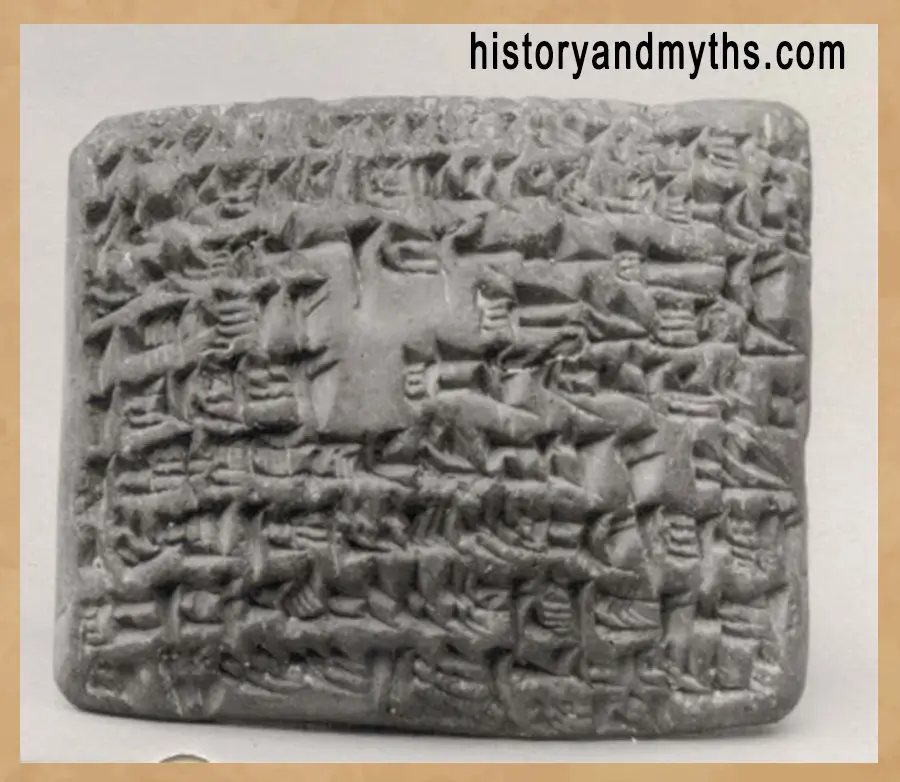
Administrative tablets from the Neo-Assyrian period reveal systematic reporting to the capital. Governors submitted accounts of revenues, shortages, and logistical needs. Central oversight was continuous. The fiscal system was therefore not decentralized revenue farming but supervised extraction.
This model supported rapid mobilization. Campaigns required supplies, transport animals, and paid labor. The Assyrian state could deploy these resources because provincial taxation operated on schedule and under scrutiny.
The strength of the Assyrian fiscal structure lay in predictability. Its weakness lay in pressure. High and rigid obligations left limited margin during agricultural decline or sustained warfare. Economic strain accumulated quietly, even when political authority appeared firm.
Babylonian Fiscal Model
Babylonian taxation operated within a more negotiated framework. The crown depended heavily on established urban institutions, especially temples and landed elites. Rather than imposing uniform provincial quotas in the Assyrian style, the Babylonian state often worked through existing economic networks.
Land taxation remained central, but collection frequently passed through temple administrations and local officials tied to influential families. This distributed structure reduced the appearance of coercion. It also integrated taxation into long-standing social hierarchies. Compliance depended less on visible garrisons and more on institutional continuity.
Commercial taxation carried particular importance in Babylon, where trade networks were dense and urban markets active. Levies on merchants, contracts, and property transfers contributed to state revenue. Documentation from the Neo-Babylonian period shows careful record-keeping in legal and economic tablets, reflecting a system built on administrative routine rather than overt force.
Corvée labor existed but appears less militarized than in Assyria. Labor obligations supported infrastructure and temple projects, yet enforcement mechanisms were embedded in civic administration rather than direct military supervision.
This structure produced stability in periods of internal cohesion. However, reliance on elite cooperation created vulnerability. When political confidence weakened or external pressure increased, fiscal coordination could fragment. The Babylonian model functioned effectively under strong kingship but depended on alignment between central authority and urban power centers.
How Mesopotamian Taxation Worked
- Land productivity determined quotas
- Provincial governors supervised collection
- Scribes documented every delivery
- Granaries stored agricultural payments
- Trade checkpoints enforced customs duties
© historyandmyths.com — Educational Use
Taxation as Political Leverage
Taxation in Mesopotamia was not only economic policy; it was political leverage. The act of paying established hierarchy. Delivering grain, labor, or tribute acknowledged authority in material terms. Refusal signaled resistance long before open revolt.
Fiscal pressure could be adjusted to reward loyalty or punish defiance. Provinces that complied consistently might retain local privileges or lighter supervision. Regions suspected of instability faced tighter oversight and stricter quotas. Economic obligations therefore functioned as a barometer of trust between center and periphery.
In Assyria, increased tribute often followed rebellion. Conquered territories were required to compensate for military campaigns. Confiscated land could be reassigned, redistributing wealth toward loyal administrators. Taxation became a method of restructuring political geography.
In Babylon, leverage operated through integration rather than overt escalation. Fiscal cooperation reinforced ties between royal authority and temple institutions. Tax collection intertwined with land grants and legal contracts, binding elites to the stability of the regime. Economic participation became a form of political alignment.
The system worked because taxation touched daily production. Control over irrigation, storage, and redistribution meant control over survival. When the state managed these channels, loyalty carried tangible incentives. When it disrupted them, tension accumulated quickly.
Taxation thus shaped obedience without constant military intervention. It extended power through routine transactions. Authority was not only proclaimed in inscriptions; it was recorded in harvest deliveries and labor rosters.
Tax vs Tribute: Clarifying the Difference
Taxation and tribute are often treated as interchangeable, but in Mesopotamian practice they served different functions.
Taxes were internal obligations imposed on populations considered part of the state’s administrative framework. Farmers, merchants, and landholders within imperial territory delivered grain, labor, or payments according to assessed quotas. These obligations were routine and recorded within provincial archives.
Tribute, by contrast, was political in origin. It was extracted from subordinate rulers or dependent territories following conquest or alliance. Tribute did not always follow standardized quotas tied to productivity. It signaled submission. Metals, luxury goods, animals, or manpower were delivered as acknowledgment of hierarchy rather than as integration into the regular fiscal cycle.
In Assyria especially, tribute had symbolic weight. Public displays of received goods reinforced imperial prestige. Taxation sustained daily administration; tribute advertised dominance.
The distinction matters because it reveals two layers of imperial control. Taxation integrated provinces into bureaucratic order. Tribute marked the outer ring of imperial power. One was structural. The other was political.
Continue Reading
Fiscal Pressure and Imperial Stability
Tax systems strengthened Mesopotamian empires, but they also exposed structural limits. As long as agricultural yields were stable and trade routes secure, fixed quotas were sustainable. When harvests declined or warfare disrupted production, the same quotas became strain points.
In Assyria, prolonged campaigns required continuous provisioning. Military success depended on steady revenue, yet expansion increased administrative costs. Provinces under heavy burden had limited resilience during drought or internal disruption. Economic exhaustion did not immediately cause collapse, but it reduced flexibility. A rigid fiscal structure struggled to absorb shock.
In Babylon, reliance on elite cooperation created a different vulnerability. When political authority weakened—especially in the final years before Persian conquest—confidence in centralized coordination eroded. Fiscal obligations became harder to enforce uniformly. Fragmentation of loyalty translated into uneven revenue flow.
Taxation did not single-handedly bring down Mesopotamian empires. External invasion, succession crises, and geopolitical shifts played decisive roles. However, fiscal systems determined how well states could respond to pressure. Empires with disciplined revenue streams could mobilize. Those facing administrative disruption lost coherence from within.
Tax systems therefore reveal more than economic policy. They show the limits of imperial endurance.
Legacy of Mesopotamian Tax Systems
Mesopotamian fiscal systems did not disappear with Assyria or Babylon. Their administrative logic—assessment, documentation, quota enforcement, and redistribution—became structural principles reused by later imperial states in the Near East.
The Achaemenid Persians inherited provincial revenue models and adapted them to a wider imperial framework. Satrapal taxation retained the idea of fixed regional obligations combined with local administrative mediation. Written accounting, standardized delivery expectations, and hierarchical oversight remained central.
More broadly, Mesopotamia established a durable pattern: taxation tied to land productivity, supervised by appointed officials, recorded in durable archives. The integration of economic extraction with bureaucratic record-keeping proved more enduring than any single dynasty.
The innovation was not the idea of taxation itself—many early societies extracted resources—but the institutionalization of it. Fiscal administration became continuous rather than episodic. It operated in peacetime as reliably as in war.
In that sense, Mesopotamian tax systems marked a transition from tribute economies to structured state finance. They demonstrated that political authority required predictable revenue, and predictable revenue required administrative discipline.
Key Takeaways
- Taxation formed the financial backbone of Mesopotamian empires.
- Assyria relied on strict quotas and military-backed enforcement.
- Babylon operated through institutional cooperation with elites.
- Taxes integrated provinces into bureaucratic order.
- Economic pressure affected imperial stability.
Frequently Asked Questions
What taxes existed in Mesopotamia?
Land taxes, labor obligations, trade duties, and tribute from subordinate territories.
How were taxes collected in Assyria?
Through fixed quotas supervised by governors and recorded by scribes.
Did Babylon use the same tax system as Assyria?
No. Babylon relied more on cooperation with temple institutions and urban elites.
What is the difference between tax and tribute?
Taxes were internal obligations, while tribute was extracted from subordinate rulers.
Were Mesopotamian taxes paid in money?
Most payments were made in grain, goods, or labor rather than coinage.
Did taxation contribute to imperial collapse?
Economic strain weakened resilience but was not the sole cause of collapse.
Who supervised tax collection?
Provincial governors oversaw collection with administrative documentation.
Sources & Rights
- Postgate, J.N. Early Mesopotamia: Society and Economy.
- Van de Mieroop, Marc. A History of the Ancient Near East.
- Liverani, Mario. The Ancient Near East.
- Kuhrt, Amélie. The Ancient Near East c. 3000–330 BCE.
- Radner, Karen. Ancient Assyria.
- Beaulieu, Paul-Alain. The Reign of Nabonidus.
- Charpin, Dominique. Writing, Law, and Kingship in Babylon.
- Oppenheim, A. Leo. Ancient Mesopotamia.
- Fales, Frederick. Assyrian Administrative Texts.
- Parpola, Simo. Neo-Assyrian Letters.
- Grayson, A.K. Assyrian Royal Inscriptions.
- Wiseman, D.J. Chronicles of Chaldaean Kings.
- Yoffee, Norman. Myths of the Archaic State.
- Steinkeller, Piotr. Administrative Systems of Early Mesopotamia.
- Lambert, W.G. Babylonian Economic Texts.
- Glassner, Jean-Jacques. Mesopotamian Chronicles.
- Hallo, William. The Context of Scripture.
- Briant, Pierre. From Cyrus to Alexander.
- Machinist, Peter. Assyrian Political Ideology.
- Richardson, Seth. Rebellions and Administrative Collapse.
Written by H. Moses — All rights reserved © Mythology and History